
Language
Views: 222 Author: Edvo Publish Time: 2026-01-28 Origin: Site


Content Menu
● Understanding the Role of Sports Insoles
>> The Functionality and Purpose
>> The Sports Market Shift Toward Customization
● The European Insole Market Landscape
● Key Materials Used by Modern Manufacturers
>> Natural and Sustainable Materials
● Top Sports Insoles Manufacturers and Suppliers in Europe
>> 4. Superfeet (United Kingdom)
● Collaboration Between Europe and China in OEM Manufacturing
>> What Makes Chinese Manufacturers Stand Out
● Quality Standards and Certifications
● Emerging Trends Shaping the Future of Sports Insoles
>> 1. Smart Insoles and IoT Integration
>> 2. Customization via 3D Printing
>> 3. Eco-Engineering Solutions
>> 4. Multi-Density and Modular Design
● Choosing the Right Sports Insoles Manufacturer
● Sustainability and Future Outlook
● FAQ
>> 1. What are the main benefits of sports insoles?
>> 2. How do I select a reliable sports insole supplier?
>> 3. Are custom insoles worth investing in?
>> 4. What are the current trends shaping the insole market?
>> 5. Can Chinese manufacturers produce European-quality insoles?
Athletic performance has evolved beyond just equipment and apparel—it now extends to the precise support systems athletes use, including high-performance insoles. As health awareness and fitness participation continue to rise globally, the demand for sports insoles has seen exponential growth. These products offer not only comfort and stability but also essential injury prevention.
Within this market, Europe stands out as a hub of innovation and quality craftsmanship. Many leading sports insoles manufacturers and suppliers are based in Europe, known for designing ergonomic, eco-friendly, and performance-driven insoles. However, due to globalization and the rise of OEM/ODM cooperation, Chinese factories have also become indispensable partners, manufacturing high-quality insoles for European brands at competitive costs.
This article explores the best sports insoles manufacturers and suppliers in Europe, the evolving technologies behind their products, sustainability trends, and how businesses can find reliable OEM partners worldwide.

Sports insoles serve several critical purposes. They provide arch support to align the foot properly, improve cushioning, and reduce impact stress during walking, running, or jumping. Quality insoles can relieve plantar fasciitis, improve athletic performance, and ensure better posture.
Leading sports insoles manufacturers and suppliers design their products based on biomechanics and motion analysis data, ensuring that each insole supports natural movement and minimizes the risk of strain or discomfort.
Modern athletes no longer settle for one-size-fits-all products. Custom-fit insoles tailored to individual foot contour, gait, and activity are now mainstream. Manufacturers accomplish this through advanced technologies such as 3D scanning, pressure mapping, and computer-aided design (CAD).
This shift has prompted global brands to seek OEM partners capable of producing both highly customized small batches and large-scale, consistent output—for retail, private labels, and e-commerce.
Europe's sports insole market is among the most mature globally. Germany, France, Italy, and the UK dominate production and R&D, while Scandinavian countries like Finland and Sweden emphasize sustainability and medical-grade foot support systems.
The market caters to multiple segments:
- Athletic and performance sports insoles (for running, cycling, football)
- Casual comfort insoles (for everyday wear)
- Therapeutic and orthopedic insoles (prescribed by professionals)
- Eco-friendly insoles (made from bio-based materials)
These diverse categories have paved the way for small start-ups and established giants alike to become leading sports insoles manufacturers and suppliers in Europe.
Material innovation has transformed how insoles are made. Choosing the right composition balances flexibility, support, and longevity—three key characteristics consumers demand.
EVA (Ethylene Vinyl Acetate) remains the most widely used foam material for its lightweight nature and elasticity. PU foam, on the other hand, delivers greater resilience and energy return, making it the go-to material for running shoes and professional sports footwear. Many sports insoles manufacturers and suppliers use a combination of both to create multilayer insoles with targeted density zones.
Gel and silicone pads are ideal for specific pressure zones, such as the heel or forefoot. These materials excel in shock absorption, essential for high-impact sports. They also add comfort for long-duration wear, favored by runners and industrial workers alike.
High-performance inserts often integrate Thermoplastic Polyurethane (TPU) or carbon-fiber components, which provide structural stability and durability. Carbon composites are particularly popular among premium European insole manufacturers for athletes requiring maximum control and minimal weight.
With sustainability becoming a key consumer expectation, cork, bamboo fiber, and algae-based foams are emerging trends. Eco-friendly production practices now define the values of leading sports insoles suppliers aiming to reduce waste and carbon emissions.
Europe hosts some of the most technologically advanced and influential players in the industry. Below are leading brands shaping the market:
Sidas is synonymous with innovation and customization. Founded in the 1970s, Sidas pioneers personalized foot solutions, crafting insoles that merge comfort with medical precision. Their 3D-fit systems and pressure mapping tools make them a leader among sports insoles manufacturers and suppliers.
FootBalance focuses on creating medically tested insoles using a dynamic molding process. Their retail-ready custom fitting system allows customers to obtain personalized insoles within minutes. Known for sustainability and medical accuracy, FootBalance products are sold in over 50 countries worldwide.
Renowned for combining medical expertise with sports technology, Bauerfeind produces insoles designed for orthopedic correction and athletic optimization. Their insoles are endorsed by professional sports organizations and widely distributed across Europe.
Superfeet has a significant European presence with its extensive network of distributors and partners. Their insoles integrate high-impact foam, deep heel cups, and anti-fatigue technology, making them suitable for athletes and outdoor adventurers alike.
Currex uses sensor-based pressure analysis to design insoles that adapt dynamically to foot motion. Their science-backed approach and data-driven production make them one of the most forward-thinking sports insoles manufacturers in Europe.
Noene stands out for its cutting-edge anti-shock material that absorbs micro-vibrations. This technology minimizes fatigue, making it a top choice for athletes seeking maximum protection.
Known for its vibration-dampening properties, Sorbothane designs insoles favored across multiple industries beyond sports, including military and orthopedic applications.
European brands often partner with Asian manufacturers, especially in China, due to cost efficiency, flexibility, and advanced automation capabilities. Chinese OEM factories are not merely production centers—they are innovation collaborators.
Top Chinese sports insoles manufacturers offer R&D support, prototype development, and private-label packaging, enabling European partners to focus on branding and marketing.
- Technical precision: Advanced CNC molding and injection technology.
- Customization capability: ODM/OEM projects tailored to brand requirements.
- Sustainability integration: Use of recycled materials and clean manufacturing processes.
- Competitive pricing: Lower production cost allows broader market penetration.
Collaboration between Europe and Asia has created a win-win model where European design excellence merges with Chinese manufacturing scalability.
For international buyers, quality assurance remains crucial. Reliable sports insoles manufacturers and suppliers adhere to strict certifications such as:
- ISO 9001 / ISO 14001: Quality and environmental management systems.
- CE Compliance: Ensures footwear and insoles meet European regulatory safety standards.
- BSCI and REACH: Guarantees social responsibility and chemical safety.
- FDA and SGS Testing: Confirms durability and health safety for North American markets.
These credentials signify reliability, which retailers and private-label clients look for when selecting partners for global distribution.
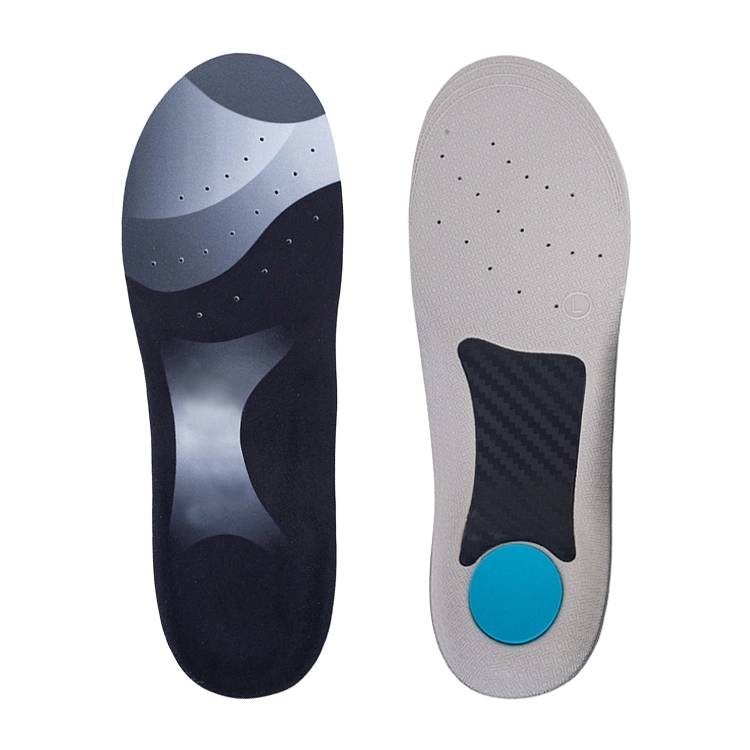
Artificial intelligence and sensor technology are entering the insole market. Smart insoles can now track pressure points, gait, and step count in real time. Data from wearable apps enables users to enhance performance and monitor injuries.
Manufacturers are adopting 3D printing to produce perfectly contoured insoles. This process reduces material waste and allows on-demand manufacturing for personalized products.
Eco-engineering emphasizes biodegradable foams and recycled PET materials. Several sports insoles suppliers are developing zero-emission production sites to align with Europe's green initiatives.
Modern insoles incorporate multiple material densities or replaceable modules to accommodate diverse activities—from running marathons to skiing. Flexibility and adaptability remain key selling points for this decade's leading designs.
Finding trustworthy sports insoles manufacturers and suppliers can determine your brand's long-term success. Businesses should evaluate partners based on:
1. Production capability: Whether they can meet volume demands and deliver consistency.
2. Material expertise: Experience using advanced foams or sustainable materials.
3. R&D support: Capacity for joint product development and testing.
4. Certifications: Compliance with European and global standards.
5. Communication and logistics: Fluency in English and international shipping experience.
A strong partnership built on transparency, innovation, and shared quality goals ensures competitive advantage in the growing global market.
The insole industry's transition toward environmental responsibility is accelerating. In 2026, more than 60% of European sports insoles manufacturers began integrating recycled and plant-based materials. Companies now highlight carbon transparency and traceability across their supply chains.
Consumers increasingly align with eco-conscious brands, driving sustainable procurement and environmentally friendly OEM collaborations. The integration of biodegradable polymers, non-toxic adhesives, and renewable energy-powered factories defines the new industry gold standard.
Looking forward, the cooperation between European design houses and Asian producers will likely set a blueprint for the next generation of smart, sustainable, and performance-optimized insoles.
Europe's sports insoles manufacturers and suppliers are at the forefront of innovation, blending biomechanical precision with sustainable practices and modern ergonomics. From advanced European labs to high-tech Chinese OEM factories, the global insole supply chain offers remarkable opportunities for sports brands, wholesalers, and private labels.
The merging of European engineering excellence and cost-effective manufacturing efficiency from China continues to redefine global competitiveness. As technology, sustainability, and personalization converge, the future of the sports insole industry promises to be smarter, greener, and more inclusive than ever before.
Contact us to get more information!
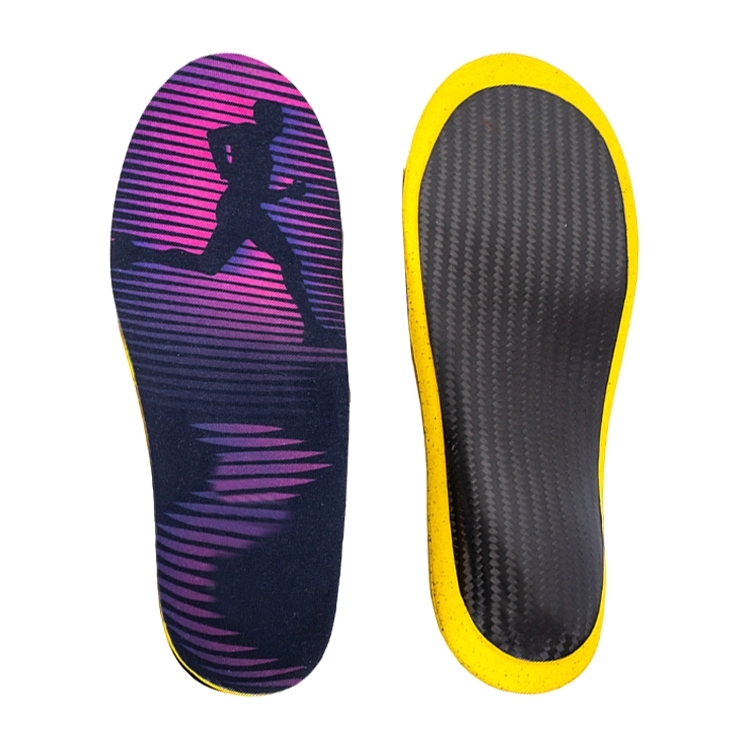
Sports insoles improve shock absorption, enhance comfort, and prevent injuries by providing proper arch support and stability during activities.
Choose manufacturers with proven quality certifications, strong OEM capabilities, and experience serving international brands. Evaluate sample quality before finalizing large orders.
Yes. Custom insoles adapt to your foot's unique shape and activity needs. They help prevent pain, fatigue, and posture imbalance—ideal for athletes and everyday users.
The industry is embracing 3D printing, smart sensor integration, sustainability innovations, and eco-friendly materials, aligning with modern lifestyle demands.
Absolutely. Many Chinese producers partner with European design teams to deliver OEM insoles that meet or exceed EU quality and performance standards.


