
Views: 222 Author: Amanda Publish Time: 2025-09-10 Origin: Site


Content Menu
● Understanding Orthopedic Insoles
● Benefits of Orthopedic Insoles
● Manufacturing Process of Orthopedic Insoles
● Advances in Materials and Technologies
● Applications of Orthopedic Insoles
● Choosing the Right Orthopedic Insole
● FAQ About Orthopedic Insoles
>> 1. What conditions can orthopedic insoles help with?
>> 2. How long should orthopedic insoles be worn daily?
>> 3. Can orthopedic insoles be used without a prescription?
>> 4. How do I know when to replace my orthopedic insoles?
>> 5. Are orthopedic insoles suitable for all types of shoes?
Orthopedic insoles are specialized foot support devices designed to improve foot health, correct alignment, relieve pain, and enhance overall mobility. As a leading Chinese manufacturer offering OEM services to international brands, wholesalers, and producers, understanding and communicating the value of orthopedic insoles is essential for market success. This comprehensive guide explores the different types of orthopedic insoles, their benefits, applications, manufacturing processes, and advances in materials and technology.

Orthopedic insoles, also known as medical foot orthotics, are removable shoe inserts that provide targeted support and cushioning for the feet. Unlike generic insoles, these are often customized or semi-customized to address specific foot problems such as flat feet, plantar fasciitis, heel pain, or postural imbalances. By correcting improper foot biomechanics, orthopedic insoles alleviate discomfort, improving not only foot function but also the alignment of knees, hips, and the spine, contributing to overall body health.
A critical distinction exists between custom orthotic insoles prescribed by podiatrists and over-the-counter orthopedic inserts. Custom orthotics are designed after detailed foot assessments, including gait analysis, posture checks, and 3D scanning, producing a device perfectly tailored to the foot's unique shape and biomechanical needs. Orthopedic inserts, while helpful for general foot support and comfort, do not offer the same degree of correction or personalization but are more readily accessible for mild issues and daily foot fatigue.
Orthopedic insoles come in several types, depending on their design, rigidity, and therapeutic focus:
Accommodative insoles prioritize cushioning and pressure relief over rigid correction. They are suitable for conditions requiring shock absorption, such as diabetic foot ulcers or severe calluses. These insoles distribute weight evenly to protect sensitive areas without drastically changing foot motion.
Combining cushioning with moderate support, semi-functional insoles improve gait efficiency and provide moderate biomechanical correction. They often consist of semi-rigid materials balancing flexibility and stability.
Functional insoles are made from rigid or semi-rigid materials, designed to correct structural deformities and guide foot motion more aggressively. These insoles improve arch support and heel alignment, helping with misalignments, overpronation, or supination.
Pediatric orthopedic insoles are specifically designed for children aged 5 to 10 years, offering support to correct developmental deformities and guide healthy foot growth.
These insoles contain features that stimulate the muscular and sensory feedback systems of the feet. By enhancing proprioception—the body's ability to sense movement and position—these insoles promote better posture and balance.
The benefits of orthopedic insoles extend far beyond simple foot comfort. They include:
- Pain Relief: By redistributing pressure and supporting weak or misaligned structures, orthopedic insoles reduce pain in the feet, ankles, knees, and lower back.
- Improved Mobility: Better foot stability and support reduce fatigue, allowing people to stand, walk, or exercise with increased ease and confidence.
- Posture Correction: Orthopedic insoles help realign the feet, which positively influences overall posture, potentially reducing hip and spinal discomfort.
- Prevention and Management of Foot Deformities: They help prevent or slow the progression of bunions, hammertoes, plantar fasciitis, and heel spurs by maintaining proper foot structure.
- Enhanced Athletic Performance: Athletes benefit from reduced impact forces and improved foot mechanics, leading to lower injury risk and better endurance.
- Better Circulation and Comfort: Insoles that position the foot correctly improve blood flow, lower sweating, and reduce skin irritation.
Orthopedic insoles function by redistributing the pressures exerted on different parts of the foot and supporting the natural arches to correct abnormal motion patterns. Customized insoles are made to fit the exact contours of an individual's feet, addressing specific biomechanical problems. Through gait analysis and 3D scanning, precise measurements allow manufacturers to create insoles that provide optimal support, shock absorption, and alignment correction.
The key functional areas addressed include the arch, heel, and forefoot. For example, arch supports prevent excessive arch collapse or flattening to reduce strain on the plantar fascia. Heel cups cradle the heel, stabilizing ankle movement and absorbing impactful forces during walking or running.

The production of orthopedic insoles involves several meticulous steps to ensure comfort, durability, and therapeutic effectiveness:
1. Foot Assessment: The process starts with a thorough foot examination by a healthcare professional or via digital scanning technology. This includes checking foot posture, gait, and areas of excessive pressure or pain.
2. Design: Specialized software like CAD (computer-aided design) is used to create a custom model of the insole, tailored to the person's unique foot shape and condition.
3. Material Selection: Based on the required support and cushioning, materials such as EVA (ethylene-vinyl acetate), polyurethane, cork, silicone gel, or carbon fiber may be used. Combinations of materials offer both flexibility and rigidity where needed.
4. Fabrication: Techniques like foam molding, compression molding, or even 3D printing are employed to manufacture the insoles with high precision.
5. Quality Control: Completed insoles undergo rigorous testing for fit, durability, and comfort. Any necessary adjustments are made before final delivery.
Modern orthopedic insoles increasingly incorporate cutting-edge materials and manufacturing technologies to improve longevity, comfort, and medical outcomes. Memory polymers and shock-absorbing gels adapt to foot pressure changes throughout the day, maintaining cushioning and reducing fatigue.
3D printing and digital biomechanical analysis enable unparalleled customization. This technology allows the creation of insoles that conform exactly to a patient's foot shape and also include pressure relief zones or enhanced support structures in critical areas. Such advances ensure greater user satisfaction and compliance.
Orthopedic insoles have a broad range of applications, benefitting diverse user groups:
- Medical Use: For patients with foot deformities, arthritis, diabetes-related foot problems, or postsurgical rehabilitation. Custom orthotics help heal and support while preventing complications.
- Sports and Athletics: Insoles reduce impact-related injuries and improve foot efficiency for running, hiking, and other physical activities.
- Occupational Use: People who spend long hours standing or walking, such as healthcare professionals or factory workers, benefit from reduced fatigue and pain.
- Everyday Comfort: Insoles provide relief for anyone seeking enhanced foot comfort and support during daily activities.
- Elderly Population: Supporting aging feet prone to decreased fat padding and instability, thereby improving balance and preventing falls.
Choosing the right orthopedic insole depends on the severity of foot problems, activity level, and footwear type. Custom-prescribed insoles are recommended for serious conditions requiring biomechanical correction. For mild discomfort or preventive care, over-the-counter orthopedic inserts may suffice.
Materials and rigidity levels vary: foam or gel insoles offer cushioning, while rigid or semi-rigid insoles provide stronger arch support. A proper break-in period is essential for user comfort, especially with firmer insoles.
To maximize the benefits and lifespan of orthopedic insoles, proper care is important. Regular cleaning with a soft cloth and mild detergent prevents odor and bacterial buildup. Users should monitor wear signs like material thinning, sagging, or loss of support. Replacing insoles every one to two years, depending on usage, ensures continued effectiveness.
Orthopedic insoles are vital tools for promoting foot health, relieving pain, and supporting overall body alignment. Their benefits extend from medical treatment to enhanced athletic performance and daily comfort. Through advances in customization, materials, and manufacturing technology, orthopedic insoles are increasingly effective and accessible. For manufacturers and brands, investing in innovative, high-quality orthopedic insoles provides great potential to meet the growing global demand for foot care solutions tailored to diverse customer needs.
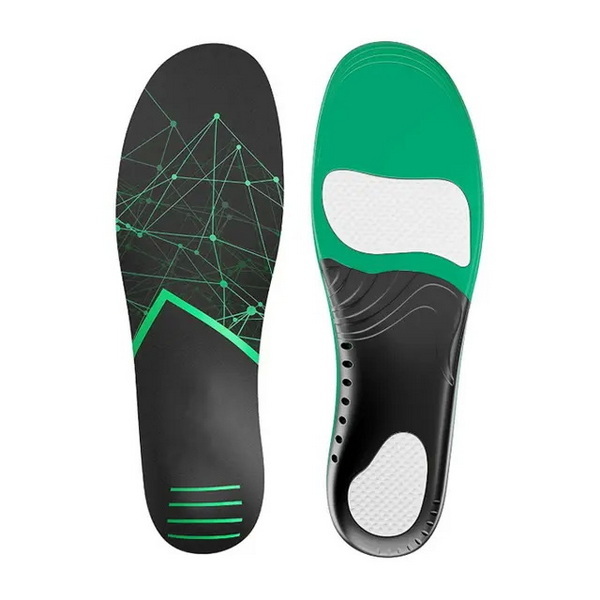
Orthopedic insoles treat various issues including flat feet, plantar fasciitis, heel spurs, bunions, arthritis, and alignment-related pain by providing customized support and cushioning.
Insoles are typically worn throughout the day in appropriate footwear. New users should break in insoles gradually, starting with a few hours daily and increasing wear time to avoid discomfort.
While over-the-counter orthopedic inserts assist with mild foot support, custom-prescribed orthotic insoles require professional evaluation for specific biomechanical issues and medical conditions.
Replace insoles when signs of wear appear, such as reduced cushioning, material thinning, discomfort, or loss of support, usually after 1–2 years of use.
Most insoles fit well into athletic, casual, and work shoes. For dress shoes or sandals, specialized thin or adjustable insoles may be needed for optimal fit and comfort.
[1](https://st-charlespodiatrie.com/en-ca/2024/04/17/healthy-feet-the-guide-to-orthotic-insoles-and-orthopedic-inserts/)
[2](https://theinsolestore.com/pages/insole-guide)
[3](https://www.stridesoles.com/blogs/articles/best-insoles-for-calluses)
[4](https://millburnpodiatry.com/services/orthotics-and-podiatry-a-comprehensive-guide-to-custom-insoles-for-foot-health/)
[5](https://www.bedfordshirehospitals.nhs.uk/patient-information-leaflets/a-guide-to-your-insoles-2/)
[6](https://www.footcentregroup.com.au/guide-to-orthotics/)
[7](https://www.rei.com/learn/expert-advice/insoles.html)


