
Language
Views: 222 Author: Edvo Publish Time: 2025-12-07 Origin: Site


Content Menu
● Why High Arches Need Dedicated Insoles
● Key Features of the Best High Arch Insoles
● Types of Insoles Suitable for High Arches
>> Main Insole Styles for High Arches
● How High Arch Insoles Improve Comfort and Performance
● Choosing the Best Insoles for High Arches
● Materials and Construction That Work Best
● How to Use High Arch Insoles Correctly
● When to Consider Custom Orthotics
● Our Capabilities as an OEM High Arch Insole Manufacturer
● FAQ
>> 1. What problems do high arches usually cause?
>> 2. How do insoles help with a high arches?
>> 3. Are softer insoles always better for high arches?
>> 4. Can high arch insoles fit in any type of shoe?
>> 5. When should someone seek professional advice instead of relying on standard insoles?
What are the best insoles soles for a high arches? The best choices combine a pronounced arch contour, a stable heel cradle, and resilient cushioning to spread pressure evenly, helping relieve pain and fatigue in daily use and sports. People with high arches benefit most from arch insoles that fill the arch gap, support the heel, and maintain their shape over long periods.
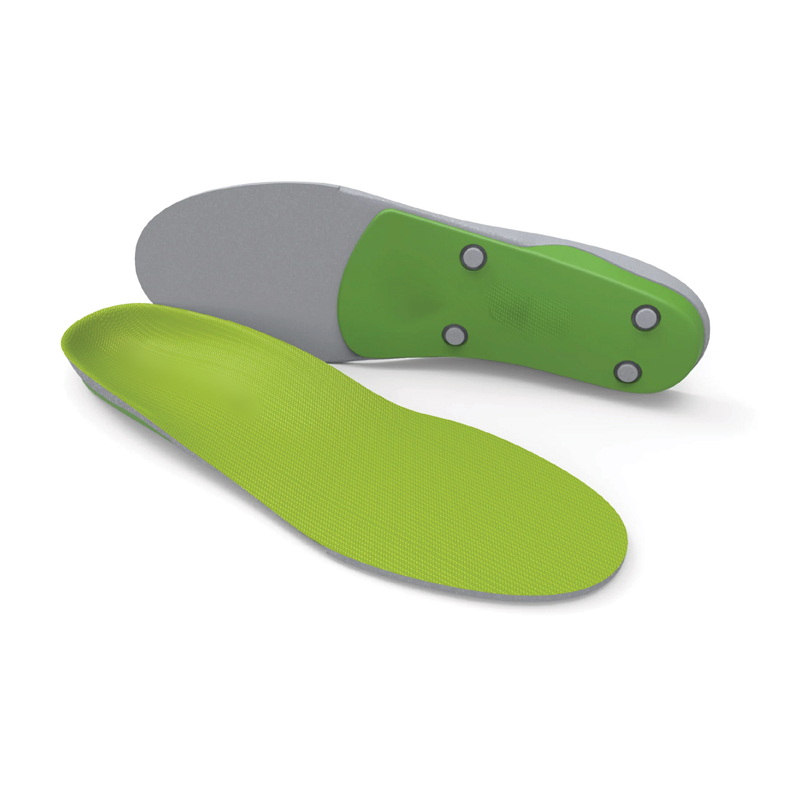
High arches describe a foot type where the middle of the foot is lifted higher than average and makes less contact with the ground. Because the contact area is smaller, pressure and impact tend to concentrate on the heel and the ball of the foot during walking or running.
This foot pattern often reduces the foot's natural shock absorption and can make the entire lower limb feel less stable. Many people with this shape report tired feet, heel pain, forefoot burning, or ankle discomfort after long periods of standing or activity.
A high arch does not collapse enough to cushion each step, so the foot relies more heavily on footwear and insoles for shock absorption. Without added support, the heel and forefoot may take on excessive load, which can contribute to soreness, calluses, and even stress injuries.
Dedicated high arch insoles are designed to bridge the space under the arch and create a supportive, continuous platform. This structure helps distribute body weight more evenly from heel to toe, reduce concentrated pressure points, and improve overall stability inside the shoe.
The best insoles for high arches share several design elements that work together for comfort and support. When evaluating different options, focusing on structure and materials is more useful than looking only at brand names or marketing claims.
Look for insoles that offer the following:
- A clearly contoured arch that rises high enough to contact the underside of the foot and support the full length of the arch.
- A defined heel cradle that centers the heel and reduces unwanted rolling to the outside.
- A firm or semi-firm base layer that resists flattening and keeps the arch from collapsing during use.
- Cushioning zones under the heel and the ball of the foot to soften impact during walking, running, or jumping.
- A comfortable top surface that feels smooth against socks and helps manage moisture and heat.
Not all insoles for high arches are built the same way. Different constructions suit different activities, shoe shapes, and comfort preferences. Understanding the main categories can make selection easier and help match the insole to the intended use.
| Insole style | Main benefit for high arches | Best use cases |
|---|---|---|
| Rigid support orthotic | Strong structural support and improved alignment | Long work shifts, chronic pain, daily walking |
| Semi-rigid support insole | Balanced structure and flexibility for a more natural feel | General use, light sports, people new to support |
| Cushioned high arch pad | Extra shock absorption for sensitive heels and forefoot | Long standing, recovery days, casual footwear |
| Slim high arch insert | Targeted support in tighter footwear with limited space | Dress shoes, fashion sneakers, narrower sports shoes |
| Sport performance insole | Enhanced shock absorption and stability during intense moves | Running, hiking, court sports, fitness training |
This variety allows users and brands to choose insoles that fit both the foot and the specific scenario. For example, a rigid orthotic style may suit a worker on hard floors, while a sport insole works better for running or outdoor activities.
High arch insoles do more than cushion the foot; they guide how forces travel through the entire body during movement. By controlling foot position and loading patterns, they can reduce discomfort and improve efficiency.
Well-designed high arch insoles can:
- Spread pressure more evenly across the foot, reducing hot spots under the heel and forefoot.
- Help align the heel and ankle so that the lower leg tracks more naturally over the foot.
- Reduce fatigue by providing a stable platform that supports the arch during long periods of standing or walking.
- Improve balance and confidence, especially on uneven ground or during fast changes of direction.
Over time, consistent use of appropriate insoles may help reduce the frequency of foot and lower-leg discomfort associated with high arches.
Selecting the best insoles for a high arches requires considering the person's lifestyle, body weight, and footwear. A single design rarely meets every need, so thinking through real-world use will narrow the options and lead to better results.
Key points for selection include:
- Activity level: Office workers, warehouse staff, athletes, and casual walkers all place different demands on their feet. A heavier, more supportive insole may suit high-impact sports or long shifts on hard floors, while a lighter design may be enough for short daily walks.
- Shoe type: Running shoes, hiking boots, safety shoes, and fashion footwear have different internal shapes and volumes. An insole should match the available space and the intended look of the shoe without crowding the toes or raising the heel too high.
- Support preference: Some users prefer a very firm and structured feel, while others like a slightly softer, more forgiving base. For people new to arch support, starting with a semi-rigid model can be more comfortable.
- Previous pain or injury: If a user has a history of plantar fascia irritation, forefoot pain, or ankle problems, a more structured design paired with stable footwear is often recommended.
Trying insoles inside the intended shoes and walking around indoors is a practical way to test fit and comfort. The arch should feel supported but not painfully aggressive, and the heel should feel stable, not wobbly.
The materials used in high arch insoles determine how they feel on day one and how they perform after months of use. A good design balances support, cushioning, breathability, and durability.
b- Structural shell: Usually made from molded plastic or composite material that provides the core arch shape. This layer should resist bending and compressing so that the arch support remains consistent.
- Cushioning layers: Softer foams or elastomer compounds under the heel and forefoot help absorb impact and make the insole more comfortable for long wear. Different densities can be combined to tune the feel.
- Top cover: A smooth, breathable fabric or engineered surface improves skin comfort, helps manage moisture, and can assist with odor control.
- Edge finishing: Well-finished edges and transitions prevent rubbing and help the insole sit smoothly inside the shoe.
For OEM projects, thickness, density, and material combinations can be adjusted to meet specific brand positioning, price targets, and performance claims.
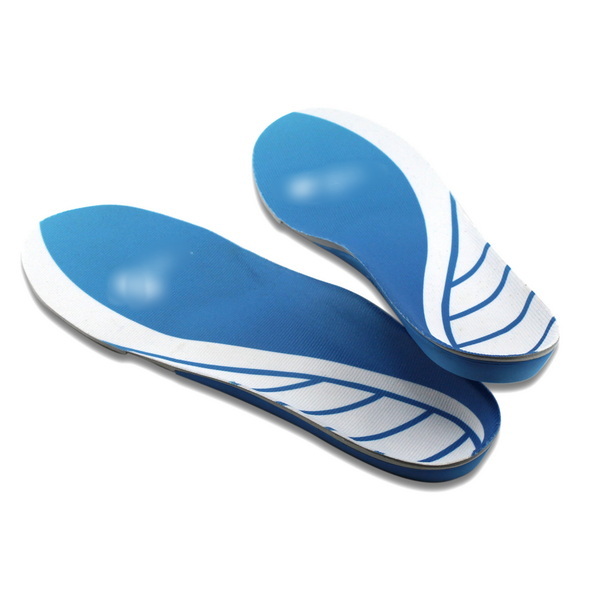
Correct use is essential for getting the full benefit from high arch insoles. Even a well-designed product can feel uncomfortable or perform poorly if it is not fitted and broken in properly.
Best practices include:
- Removing the thin stock insert from the shoe so that the new insole lies flat and stable inside the footwear.
- Ensuring the heel fits snugly in the heel cup and that there is no curling or folding at the forefoot. If needed, trimming the front edge along marked guidelines can improve fit in certain styles.
- Starting with shorter wear times, such as a few hours per day, to allow the foot to adapt to the new support and then gradually increasing usage.
- Rotating between pairs of insoles and pairs of shoes to give materials time to recover and dry between wears.
- Periodically checking for signs of wear such as flattened arch support, compressed cushioning, or damaged top fabric.
Following these steps makes it more likely that users experience improved comfort instead of initial soreness or fatigue.
While well-designed off-the-shelf high arch insoles work well for many people, they may not be enough for everyone. Some feet require more precise shaping, stronger correction, or medical supervision.
Custom orthotics can be useful for people who:
- Have persistent or severe foot pain that does not improve with standard insoles and supportive footwear.
- Have significant structural issues such as very rigid arches, large calluses, or deformities in the toes or midfoot.
- Have a long history of foot, ankle, knee, or lower back problems that are believed to be related to foot mechanics.
In these cases, a professional can assess gait, measure arch height and alignment, and design a device that suits the individual's anatomy and lifestyle. Off-the-shelf insoles can still be helpful as a starting point or as a lower-cost option for less severe cases.
As a leading insole manufacturer based in China and serving international brands, wholesalers, and producers, it is possible to offer complete solutions for high arch customers. OEM partners can work together with the factory team to define performance goals, price ranges, and design features that match each market segment.
Typical collaboration options include:
- Developing separate series for everyday comfort, work protection, running and training, and outdoor use, each tuned to different arch support levels and cushioning needs.
- Adjusting shell height, flexibility, and material combinations to suit regional preferences and climate conditions.
- Customizing branding, packaging, and color design so that each partner can build a distinct identity in its target market.
- Supporting testing, quality control, and documentation to meet local standards and retailer requirements.
By focusing on high arch support solutions, partners can differentiate their insole lines, build stronger trust with consumers who struggle with this particular foot type, and expand their presence in both online and offline channels.
For anyone asking “What are the best insoles soles for a high arches?”, the most effective answer is to choose insoles that combine a clearly contoured high arch, a stable heel cradle, and durable cushioning that spreads pressure evenly across the foot. High arch insoles should not only feel soft but also provide real structural support that fills the arch gap, protects the heel and forefoot, and enhances stability in motion. When matched carefully to activity level, shoe type, and personal comfort preferences, these insoles can significantly reduce pain, improve balance, and increase confidence for people with high arches. For brands and wholesalers, partnering with a dedicated OEM insole manufacturer makes it possible to deliver targeted, high-performing high arch solutions to customers around the world.
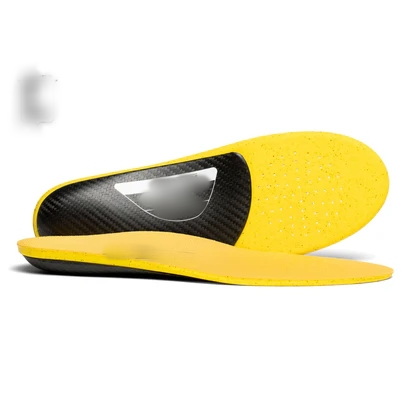
High arches often concentrate pressure on the heel and the ball of the foot, which can lead to soreness, calluses, and burning sensations after long periods of standing or walking. They may also make the foot less stable, increasing the risk of ankle discomfort or strain during fast movements.
High arch insoles fill the empty space under the arch and create a more continuous contact surface, which helps distribute weight more evenly from heel to forefoot. They also stabilize the heel and guide foot motion, which can reduce joint stress and improve overall comfort.
Very soft insoles may feel pleasant at first, but they can compress quickly and fail to support the arch effectively. A combination of a firm or semi-firm support base with a softer top layer usually works better, providing both structural support and cushioning.
High arch insoles can be used in many shoe types, but the shoe must offer enough internal space to accommodate the insole without crowding the toes. For slim or dress footwear, a thinner high arch insert or low-volume design is often more suitable than a thick, heavily cushioned model.
If foot pain remains strong or keeps returning despite trying supportive insoles and appropriate footwear, it is sensible to seek help from a medical or foot-care professional. People with severe deformities, long-standing injuries, or complex joint issues are especially likely to benefit from a personalized assessment and possibly custom orthotics.


