
Views: 222 Author: Edvo Publish Time: 2025-11-22 Origin: Site


Content Menu
● The Structure of Dr. Scholl's Orthopedic Insoles
>> Multi-Layer Engineering for Comfort and Function
>> Technology-Driven Arch Support
● Core Materials Used in Dr. Scholl's Insoles
>> Polyurethane (PU) Foam: Foundation of Comfort
>> Thermoplastic Gel Polymers: Dynamic Shock Absorption
>> Ethylene Vinyl Acetate (EVA): Lightweight and Flexible
>> Memory Foam: Personalized Support
>> Antimicrobial and Breathable Linings
● Manufacturing Processes for Orthopedic Insoles
>> Perfusion and Infusion Production
>> Cold Forming and Hotpress Forming
● Quality Control in Orthopedic Insole Production
>> Material Selection and Testing
>> Finished Product Inspection
● The Human Touch: Design and Ergonomics
>> Biomechanics and Pressure Mapping
● Innovations in Materials and Sustainability
>> The Role of OEM in Customization
● Maintenance and Care for Orthopedic Insoles
● Market Trends and Future Outlook
● FAQ About Dr. Scholl's Orthopedic Insoles
>> 1. What materials make Dr. Scholl's orthopedic insoles effective?
>> 2. Are Dr. Scholl's insoles suitable for all shoe types?
>> 3. Can OEM insoles replicate Dr. Scholl's comfort and quality?
>> 4. How should orthopedic insoles be cleaned and maintained?
>> 5. How long do orthopedic insoles last before replacement is needed?
Orthopedic insoles are indispensable for millions seeking relief from foot discomfort, improved posture, and enhanced everyday comfort. Among several leading brands, Dr. Scholl's has emerged as a global icon—distinguished by advanced technology and material innovation. But what precisely goes into making Dr. Scholl's orthopedic insoles? How do basic materials become effective tools for foot health?
This comprehensive guide explores the anatomy, materials, production, and technological innovations behind Dr. Scholl's orthotic insoles. It also reviews how OEM manufacturers in China enable international brands and wholesalers to replicate or innovate beyond this classic formula.
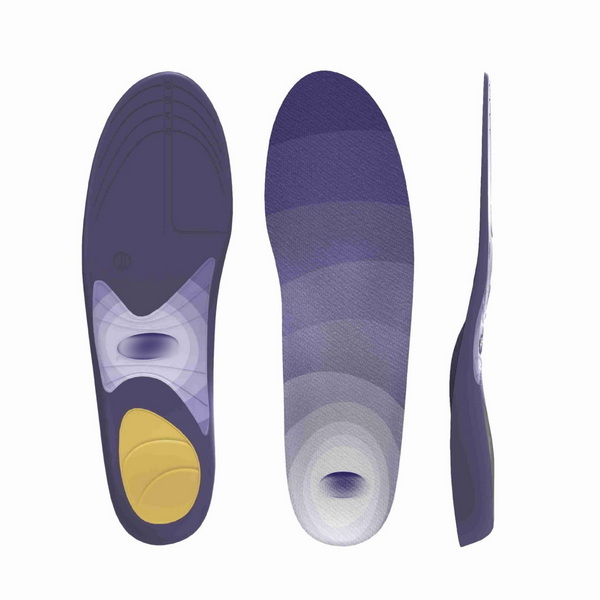
Dr. Scholl's insoles typically feature a multi-layered design, giving each part of the foot tailored support and cushioning. There are three key components:
- The fabric top layer keeps the foot dry and fresh by managing moisture.
- The cushioning core, often composed of PU foam or gel, absorbs impact and reduces fatigue.
- The stabilizing base layer, made of EVA or reinforced plastics, provides structural integrity, corrects arch alignment, and prevents flattening.
This engineered combination allows the insole to maintain its shape, function, and hygiene over time while providing effective shock absorption.
Dr. Scholl's integrates gel and foam at strategic points such as the heel and arch area to absorb force during movement. The shock-absorption layer cushions the foot, while varying densities of gel create graduated support. This ergonomically mapped construction significantly reduces stress on the heel, arch, and metatarsal, making these insoles popular among workers, athletes, and daily walkers.
Polyurethane foam is the keystone of most premium insoles. It provides durability, elasticity, and an exceptional ability to recover its shape. The foam molds to the unique contours of each foot, offering a personalized experience and consistent pressure relief. Due to its high rebound, PU foam handles hundreds of thousands of compression cycles without collapsing.
One of Dr. Scholl's hallmark features is its “Massaging Gel” technology. Advanced gels, like thermoplastic elastomers or medical-grade silicone, are integrated into high-impact zones. The unique flexibility of gel polymers allows them to compress, deform, and immediately return to form, delivering energy absorption without bottoming out.
EVA foam is another key ingredient, commonly used for its light weight and flexibility. While it provides less rebound than PU, EVA excels at shock absorption and adapts well to form-fitting footwear. Its utility in sports and casual insoles makes it a popular choice for products requiring both comfort and a low profile.
Some premium orthopedic insoles incorporate slow-rebound memory foam. This material molds precisely to the pressure points and contours of the foot, distributing weight evenly, reducing friction, and preventing blisters or calluses. Memory foam is especially valued for custom-fit applications.
To combat odor and bacterial growth, Dr. Scholl's uses antimicrobial knit fabrics or silver-ion treated textiles for upper layers. These not only maintain hygiene but also protect the underlying foam from sweat, ensuring a fresh feel with minimal maintenance.
Creating orthopedic insoles is a multi-step process involving advanced materials, ergonomic design, and strict quality controls. Modern manufacturing includes traditional and innovative techniques:
The perfusion process is widely used for producing PU and gel insoles. Two liquid components are injected into a closed mold. Through chemical reaction and curing, these liquids turn into elastic solids. This process yields high-quality, resilient insoles efficiently.
EVA and rigid polyols are shaped using cold-forming or hotpress technology. Precut sheets are heated, molded, and rapidly cooled, resulting in perfect fit and consistent thickness. Hotpress forming is reserved for more complex models, ensuring layered hardness and perfect pore distribution.
Supportive shells (often made of TPU) and complex bottom plates are produced via injection molding. The molten material is pumped at high temperature and pressure into a steel mold, then cooled. This method ensures precise dimensional accuracy for high-end orthopedic insoles.
For gel pads and specialized inserts, open mold casting injects the liquid elastomer directly into pre-designed molds and accelerates curing. This method is ideal for custom orthopedic pads requiring unique hardness and rebound properties.
Simple insoles (like flat EVA models) are punch-cut to size. Final shaping, polishing, and trimming are critical steps that define the ergonomic fit and ensure shoes are properly ventilated.
Top fabrics and reinforcement shells are brush-laminated onto foam or gel cores. Adhesives are selected for optimal flexibility, and each layer's bond is meticulously checked to prevent delamination—a common defect in low-quality insoles.
Modern OEM factories offer heat transfer printing and laser-embossed branding, making logos and patterns fade-resistant and highly visible. Utilities like identification punching and carton packaging round out quality assurance.
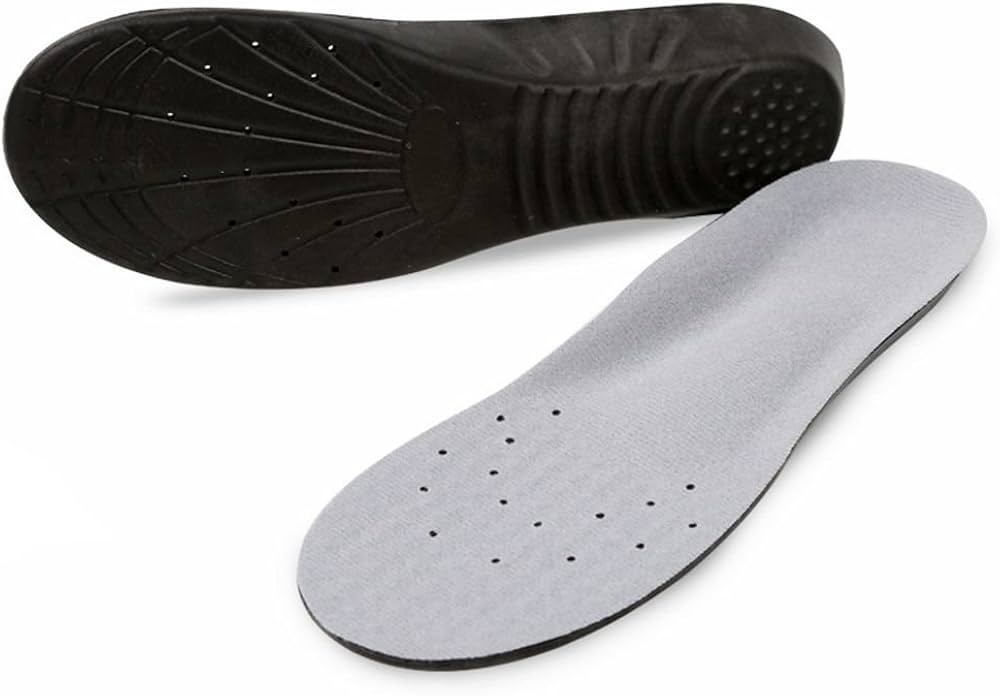
Premium insole production begins with strict raw material selection. Each foam, gel, and textile batch is tested for resilience, density, and antimicrobial properties. Elasticity and rebound tests simulate months of actual wear.
Molds and punches must deliver consistent sizing. Dimensional checks, from length to contour curvature, ensure the insole matches footwear specifications, preventing foot fatigue or discomfort.
Interlayer adhesion is tested by repeated bending and chemical exposure, simulating both physical stress and sweat over time. Weak bonding can cause layer separation and product failure.
Edges, surface finish, pore cleanliness, and branding must meet high standards. Only defect-free insoles reach final packaging and export, ensuring a reliable experience for every end user.
Modern insoles are not produced blindly. Ergonomic design starts with biometric foot scanning and gait analysis. Pressure-mapping technology identifies stress points and pressure zones. These data guide engineers to optimize thickness, density, and pad placement for maximal support.
Prototypes undergo thorough user trials to measure comfort, energy return, arch support, and fatigue resistance during prolonged wear. Mechanical and chemical tests validate product life expectancy and retention of cushioning effect.
Many OEM factories now offer CNC-based prototyping and 3D foot scanning to create insoles perfectly tailored to individual foot shape, reducing pain for those with flat feet, high arches, or plantar fasciitis.
Environmental sustainability is a rising priority. Insoles are increasingly made from recycled EVA, bio-based PU derived from castor oil, bamboo-charcoal infused fabrics for natural deodorization, and water-based adhesives that reduce chemical emissions.
Cutting-edge developments include insoles embedded with sensors for gait analysis, graphene-infused foams for superior energy return, and 3D-printed support arches for perfectly matched anatomical support.
International brands often specify material, density, and ergonomic features for private label insoles—OEM manufacturers in China are adept at tailoring production, offering flexible design, branding, and logistics solutions. Brands can replicate Dr. Scholl's comfort or innovate new combinations for unique market needs.
Proper care maximizes lifespan and hygiene. Users should wipe insoles with a damp cloth, using mild soap as needed, and let them air dry. Avoid machine washing or extended soaking, as this may degrade antimicrobial coatings and foam structure. Rotating pairs and regular inspection help maintain optimal freshness and function.
Orthopedic insoles are evolving beyond mere comfort devices—becoming wellness and data platforms. Consumers now seek insoles that track activity, analyze gait, and adjust support dynamically. Chinese OEMs, leveraging advanced material science and digital design, are at the forefront of this trend, shaping the future of foot care globally.
Dr. Scholl's orthopedic insoles are a composite of science and comfort: PU foam, dynamic gel polymers, EVA, memory foam, and antimicrobial textiles fused in precision-engineered layers. These materials, paired with intelligent design, deliver comfort, support, and lasting durability for users worldwide. Today's global supply chain, led by innovative OEM factories, means any brand can bring comparable or improved solutions to market—enabling healthier, happier feet in every region.
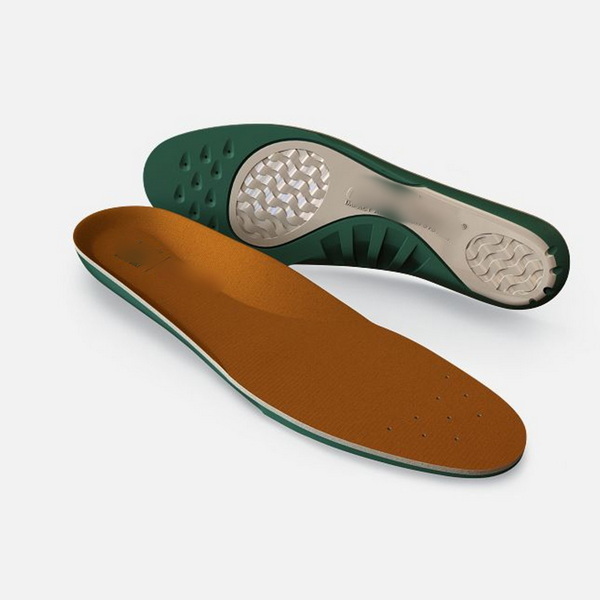
Dr. Scholl's insoles use a combination of PU foam, gel polymers, EVA, memory foam, and antimicrobial fabrics, providing cushioning and anatomical support tailored to different parts of the foot.
They can be trimmed to fit most footwear, ranging from athletic shoes to formal dress shoes and work boots. Specialized models exist for different foot types and activity levels.
Modern OEM factories match Dr. Scholl's with advanced foams, gels, customized ergonomic designs, and strict quality controls—enabling brands to offer private label solutions without sacrificing effectiveness.
Lightly wipe with damp cloth and mild soap; avoid soaking and machine washing. Air dry naturally, and rotate pairs to extend freshness and functionality.
On average, they should be replaced every 6–12 months, depending on usage intensity. Heavy daily wear may require more frequent changes for maintained support and hygiene.


