
Views: 222 Author: Edvo Publish Time: 2025-12-10 Origin: Site


Content Menu
● Understanding Plantar Fasciitis
● Key Shoe Features for Orthotics with Plantar Fasciitis
● Why a Deep Heel Area and Stable Midsole Matter
● Neutral vs Stability Shoes for Orthotics
● Best Shoe Types for Orthotics with Plantar Fasciitis
>> Everyday walking and casual shoes
>> Work and all‑day standing shoes
>> Dress shoes and office footwear
● Brands and Design Directions Recommended by Specialists
● How to Check if a Shoe Is Orthotic‑Friendly
● Matching Orthotics and Shoes for Different Foot Types
● How OEM Insole Manufacturers Can Support Shoe Brands
● Additional Fitting and Usage Tips for Buyers
● Long‑Term Care and Replacement Guidelines
● How Your OEM Insole Factory Can Add Value
● FAQ
>> 1. What features should shoes have for plantar fasciitis orthotics?
>> 2. Can running shoes be used with orthotics for plantar fasciitis?
>> 3. Are flat, flexible shoes suitable with orthotics for plantar fasciitis?
>> 4. How do I know if my shoes can fit custom orthotics?
>> 5. How can OEM insole manufacturers help shoe brands serve plantar fasciitis users?
Finding shoes that work well with orthotics for plantar fasciitis is crucial for reducing heel pain, supporting the arch, and preventing the condition from getting worse. The best shoes combine a stable structure, supportive midsole, deep heel area, and a removable insole so your own orthotic for shoes can fit securely.
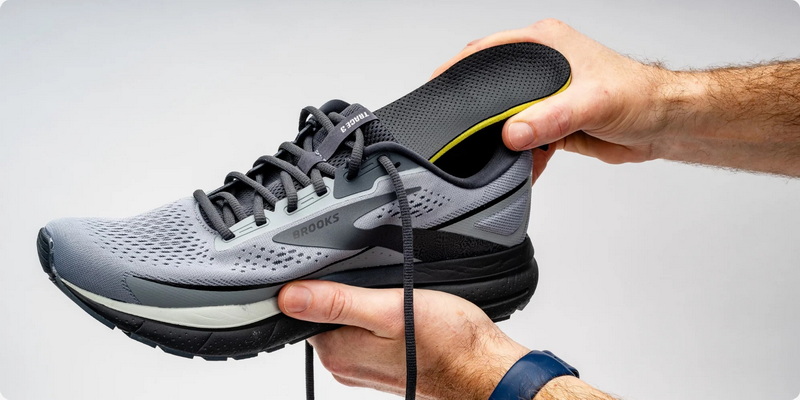
Plantar fasciitis is irritation of the band of tissue that runs from the heel to the front of the foot, often causing sharp heel pain during the first steps in the morning or after long periods of standing. Repeated stress, poor footwear, long standing hours, and biomechanical issues like flat feet or high arches can all contribute to this condition.
Orthotics help by supporting the arch, controlling excessive movement, and reducing strain on the inflamed tissue, but they can only work properly if the shoe itself is supportive and stable. That is why choosing the right footwear is just as important as choosing the right insole.
Shoes that are good for orthotics and plantar fasciitis usually share several structural characteristics that protect the heel and support the arch. When your factory designs or sources shoes to pair with orthotic insoles, focusing on these features helps both comfort and long‑term foot health.
Important features include:
- Firm, stable midsole to control excessive rolling of the foot.
- Deep, supportive heel area that cups the heel and reduces pressure.
- Neutral, supportive platform to work with orthotics.
- Removable insole with enough internal volume for a custom device.
- A roomy front of the shoe to avoid crowding or forcing the foot forward.
For plantar fasciitis, heel stability is one of the most important aspects of shoe design. A deeper, more structured heel area helps center the heel bone, reduces side‑to‑side movement, and spreads impact forces more evenly through the midfoot.
A stable midsole, often slightly firmer than fashion shoes, resists collapse and keeps the foot from rolling in or out excessively during walking. This controlled motion reduces the constant stretching of the plantar fascia and allows the tissue to rest and recover more effectively.
Both neutral and stability shoes can work with orthotics for plantar fasciitis, but the right choice depends on the person and the orthotic design. Many clinicians recommend pairing custom orthotics with a neutral, stable shoe, allowing the orthotic to provide most of the motion control.
However, some people benefit from a stability shoe that already includes firmer side support and structured heel control. For off‑the‑shelf orthotics or softer insoles, a stability shoe can add extra protection against excessive inward rolling during walking or running.
Several categories of footwear are especially suitable for people using orthotic insoles with plantar fasciitis, and each category serves different types of activities.
Supportive walking shoes with a moderate thickness in the midsole, firm structure, and removable insole provide a good platform for plantar fasciitis orthotics. Many modern casual shoes combine a sport‑inspired midsole with simple upper designs, making them suitable for both comfort and appearance.
Features to prioritize:
- Stable heel and midfoot.
- Roomy front and added depth.
- High‑quality linings inside to reduce rubbing and pressure.
Running shoes for plantar fasciitis focus on cushioning plus support, often with designs that cradle the heel and smooth the transition from heel strike to toe‑off. When used with orthotics, they can reduce vibration and impact, making sports or long walks more manageable.
Key points:
- Balanced cushioning rather than extremely soft soles.
- Stable base and supportive heel area.
- Enough internal space and removable insole to fit orthotics.
Jobs that require long standing hours or walking on hard surfaces demand footwear that prioritizes heel protection and shock absorption. Supportive work trainers, service shoes, and clogs with structured soles are commonly recommended for plantar fasciitis.
Important traits:
- Slight rocker‑style bottom to roll the step smoothly.
- Deep, supportive heel and firm lateral stability.
- Strong upper materials and secure closure to keep the foot in place.
Dress and office shoes often sacrifice support for style, but people with plantar fasciitis need models that offer more depth and removable insoles. Orthotic‑friendly dress shoes include options with more volume inside, flatter interiors, and discreet supportive soles.
Elements to look for:
- Slight heel height rather than completely flat soles.
- Wide front and soft interior materials around the heel and arch.
- Removable insole and a stable platform that accommodates custom devices.
For warm climates or summer seasons, supportive sandals designed for plantar fasciitis can be combined with low‑profile orthotics or built‑in supportive footbeds. Adjustable straps and contoured soles help keep the heel centered and the arch supported.
Design tips:
- Structured sole with defined heel and arch areas.
- Adjustable straps across the midfoot and back of the heel.
- Materials that resist slipping when used with orthotic elements.
Footwear lines that focus on plantar fasciitis and orthotic compatibility often highlight arch support, deep heel design, and extra depth for custom inserts. Many specialist shoe labels for heel pain use removable insoles with stable platforms, making them suitable bases for medical‑grade orthotics.
Common directions recommended by clinicians and reviewers include:
- Sport‑inspired walking and running shoes with strong support and removable insoles for daily wear.
- Health‑focused shoes with extra depth and wide fronts to avoid pressure and irritation.
- Women's and men's lines specifically promoted for heel pain and plantar fasciitis relief.
Before placing an orthotic insole into a shoe, several quick checks can predict whether the combination will be comfortable and effective. These checks are useful for end users and also guide brands when designing a shoe to match orthotic products.
Practical checks:
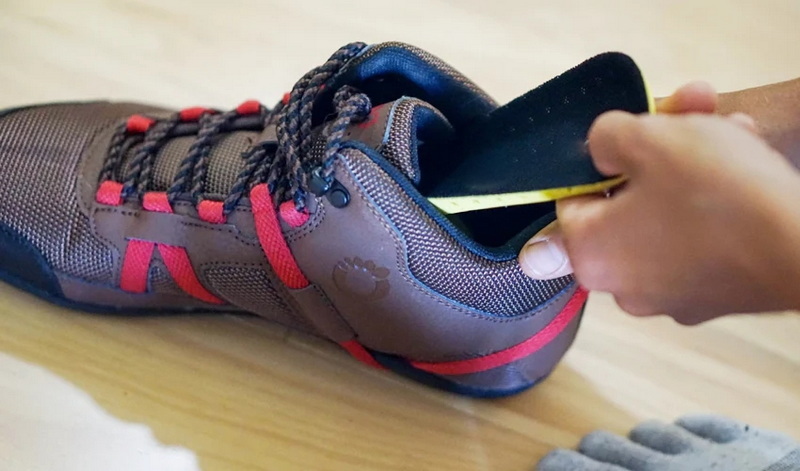
- Remove the original insole to confirm that the shoe has enough depth and a flat, supportive base.
- Press on the heel and midfoot area of the sole to ensure it is firm enough and not collapsing easily.
- Confirm that the front has enough room for the toes when the orthotic is inserted, without excessive pressure on the top of the foot.
Plantar fasciitis can appear in people with flat feet, normal arches, or high arches, and each foot type may require slight differences in shoe and orthotic design. Understanding these combinations helps brands and wearers achieve better results.
Guidance by foot type:
- Flat feet: Shoes with more structure along the inner side, a stable base, and strong midfoot support work well with firmer orthotics to control inward rolling.
- High arches: Shoes with better cushioning and gentle support combine with orthotics that add arch coverage and heel cushioning without over‑correcting.
- Neutral arches: Balanced shoes that are neither too soft nor too hard, plus moderate support orthotics, help distribute load across the heel and midfoot.
Some shoe and orthotic combinations can worsen plantar fasciitis or fail to provide relief, even when the orthotic itself is well‑designed. Avoiding these mistakes is important both for users and for brands presenting educational content around foot health.
Frequent issues:
- Using very flexible or unstable shoes with medical‑grade orthotics, which undermines support.
- Choosing shoes that are too tight, causing pressure on the heel and arch and limiting circulation.
- Wearing worn‑out soles that have lost cushioning and stability, even if the orthotic is still in good condition.
For international brands, wholesalers, and footwear producers, partnering with a professional insole factory in China allows complete solutions for plantar fasciitis product lines. OEM teams can co‑develop insoles and shoe interiors so that structures match perfectly and the final product delivers consistent heel and arch support.
OEM support can include:
- Co‑design of insoles tailored to specific shoe lasts and heel and arch positions.
- Development of interchangeable insole systems for different levels of cushioning and stiffness.
- Technical consultation on midsole firmness, heel depth, and internal volume required to accommodate various orthotic profiles.
With coordinated design between shoe and insole manufacturing, brands can launch plantar fasciitis collections that work correctly with orthotics while maintaining appealing styling.
Correct fitting and proper everyday use determine how much benefit people obtain from plantar fasciitis shoes and orthotics. Clear instructions from brands and manufacturers also help reduce returns and increase customer satisfaction.
Useful advice:
- Try shoes on later in the day when the feet are slightly larger, and always wear the socks you plan to use with the orthotics.
- Insert the orthotic fully to the front of the shoe and check that the heel sits flush without gaps or rocking.
- Walk indoors for a gradual break‑in period, allowing both the shoe and orthotic to adapt to the foot.
Gradual use is particularly important when moving from soft fashion shoes into more supportive footwear. A steady increase in wear time over several days helps the muscles and fascia adapt to the new alignment and support pattern.
To keep plantar fasciitis under control, shoes and orthotics must be maintained and replaced at the right time. Even the best designs slowly lose cushioning and stability as materials compress and wear.
General guidance:
- Rotate between at least two pairs of supportive shoes so the midsoles can recover between uses and last longer.
- Inspect the tread, heel, and midsole regularly; visible leaning or deep compression lines suggest that support has weakened and replacement is needed.
- Replace orthotics and shoes on a regular schedule based on usage intensity, weight, and activity level, instead of waiting for severe pain to return.
As a leading insole manufacturer in China serving foreign brands, wholesalers, and producers, your factory can position itself as a technical partner, not just a supplier. By understanding plantar fasciitis and orthotic‑friendly shoe design, you can propose complete product packages to your customers.
You can:
- Offer design support to shoe brands, explaining which internal dimensions and heel depths match specific types of orthotic insoles.
- Develop marketing and instruction content that brands can re‑use, helping end users choose the right shoes and insoles for plantar fasciitis.
- Provide samples and testing reports showing how your insoles perform inside different shoe categories, from running and walking to work and dress shoes.
This approach strengthens trust, improves end‑user outcomes, and helps your clients launch more professional plantar fasciitis collections in their markets.
Shoes that are good for orthotics with plantar fasciitis combine several critical elements: a stable midsole, deep and secure heel support, removable insole, and enough internal space for a supportive insert. Walking, running, work, dress, and sandal styles can all be tailored to this requirement, allowing users to manage heel pain, improve alignment, and maintain an active lifestyle.
For international footwear brands and wholesalers, working closely with an experienced OEM insole manufacturer in China makes it possible to deliver complete plantar fasciitis solutions, not just generic comfort shoes. By aligning shoe structure with advanced orthotic insoles, products can stand out in a competitive market and genuinely improve user comfort and health.
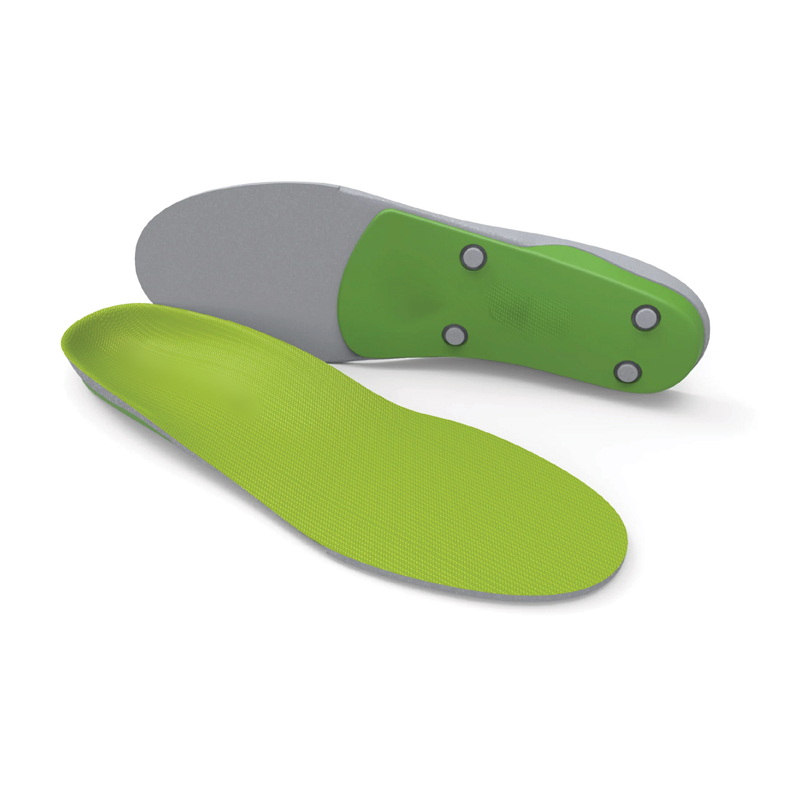
Shoes designed for plantar fasciitis orthotics should have a firm midsole, deep heel support, and a stable base that limits excessive rolling of the foot. They also need removable insoles and enough depth inside so that the orthotic sits flat and does not lift the heel too high or squeeze the toes.
Many running shoes are excellent partners for orthotics because they offer shock absorption, stronger support, and removable insoles. Models promoted for plantar fasciitis often have a stable platform and balanced cushioning that reduces heel impact and supports the plantar fascia during each step.
Very flat and highly flexible shoes usually do not work well with plantar fasciitis orthotics because they do not provide enough structure for the device to act against. Without a stable base and firm heel support, even a high‑quality orthotic may fail to control motion and reduce strain on the plantar fascia.
To check, remove the original insole and inspect whether the shoe interior is flat, deep, and wide enough to hold your orthotic without distortion. If the heel remains stable, the upper does not press on the top of the foot, and the toes can move comfortably after the orthotic is inserted, the shoe is likely compatible.
OEM insole manufacturers can develop insoles with precise heel and arch geometry, tailored stiffness levels, and materials optimized for shock absorption and support. By coordinating with shoe brands on last design, internal volume, and midsole structure, they help create integrated footwear systems that work effectively with plantar fasciitis orthotics for global markets.


