
Views: 222 Author: Edvo Publish Time: 2026-01-16 Origin: Site


Content Menu
● Understanding Orthotic Inserts and Their Purpose
● Major Causes of Squeaky Orthotic Inserts
>> 1. Friction Between the Insole and Shoe Bottom
>> 2. Moisture and Sweat Accumulation
>> 4. Air Pockets and Uneven Footbeds
● Practical Ways to Stop Orthotic Squeaks
>> 1. Use Baby Powder or Cornstarch
>> 2. Create a Soft Barrier Layer
>> 3. Adjust the Orthotic Shape
>> 5. Keep Interior Surfaces Clean and Dry
● When Maintenance Doesn't Work: Professional Adjustments
● The Role of Footwear in Orthotic Noise
>> Leather-Detailed Dress Shoes
>> Work Boots and Industrial Footwear
● Environmental and Usage Factors
● Best Practices for Long-Term Maintenance
● Silent Orthotics: Modern Innovations
● Common Mistakes That Make Squeaks Worse
● FAQ
>> 1. Why do my orthotics only squeak on one side?
>> 2. Do squeaky orthotics mean they're worn out?
>> 3. Will custom orthotics eliminate squeaks completely?
>> 4. Can squeaking cause foot discomfort?
>> 5. What's the best daily care routine to prevent squeaks?
If you have ever invested in orthotic inserts to improve your posture, balance, or walking comfort, you may have encountered an unexpected problem — a persistent, high-pitched squeak with every step. It can be annoying, distracting, and even embarrassing when walking in quiet environments.
So, why do orthotic inserts squeak, and what can you do to fix it? Understanding how orthotics interact with shoes, moisture, and your feet will help you diagnose the issue and find a permanent solution. This article explains every possible cause and offers practical, tested methods to stop the squeaking for good.
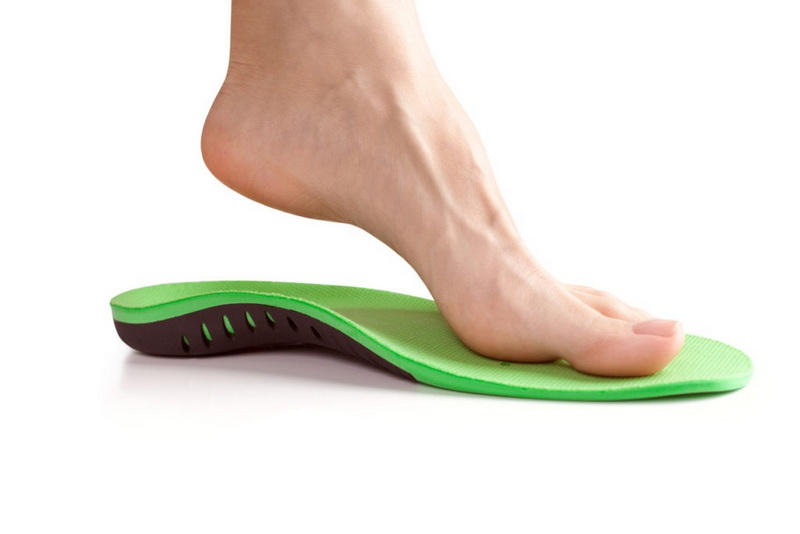
Orthotic inserts, also known as orthopedic insoles, are custom or prefabricated foot supports designed to correct alignment, reduce pain, and distribute body weight evenly. They're often made of materials such as EVA foam, polyurethane, leather, or carbon fiber composite, depending on the level of support and flexibility needed.
While these materials are high-quality and durable, their interaction with the interior of shoes can create friction or air pockets — the main reason behind the sound many users describe as “squeaky.” It's not the orthotic itself that is defective; it's the combination of fit, materials, and movement that generates noise.
There isn't just one reason why orthotics squeak. Different people experience it for different mechanical or environmental reasons. Below are the most frequent causes and how they contribute to the noise problem.
In most cases, the squeak comes from the underside of your insert rubbing against the shoe's footbed. Shoes often have smooth linings, especially leather or synthetic interiors. As you walk, that tiny slip between surfaces creates vibration and friction — which your ears perceive as a squeak.
When orthotics are slightly undersized or not properly glued down, micro-movements happen with every step. This is the most common cause and also the easiest to fix.
Foot perspiration is unavoidable, but too much moisture inside the shoe can intensify friction. When damp air gets trapped between the orthotic and shoe lining, it can create a slick surface. The rubbery or glossy insole edges may then produce a “sticky squeak” sound that gets worse in humid weather or after long wear.
Moisture also softens shoe materials like foam or fabric, making them deform temporarily with pressure, which contributes to the sound effect.
Every material combination behaves differently. Harder materials such as carbon fiber, thermoplastic, or vinyl tend to make louder noises than soft foam or fabric-based orthotics.
If your orthotic base layer is firm plastic and your shoe lining is synthetic leather, you're essentially pressing two smooth surfaces together — a perfect recipe for squeaks.
An uneven shoe sole or an aging footbed can create small air spaces under your orthotics. As you walk, air gets trapped and releases with a squeaky or popping sound. You can think of this as miniature air bubble compression similar to what happens when squeezing a rubber toy.
Orthotic inserts must fit both your feet and your shoes accurately. If there's room for movement — even a millimeter or two — the insert may shift or flex. These shifting motions cause friction with every stride, especially along the heel or arch area.
On the other hand, an excessively tight fit can also trap air and build up pressure when compressed, producing squeaks as it escapes through small openings.
The good news is that the squeaking problem is rarely serious. Most fixes take just a few minutes and common household materials.
Sprinkling baby powder, talcum powder, or cornstarch underneath your orthotic before reinserting it can absorb extra moisture and reduce surface friction.
Be sure to spread the powder evenly across the shoe's footbed. This method also helps eliminate odor and maintains dryness throughout the day.
If friction is the source of the squeak, inserting a thin layer of fabric or dryer sheet between the orthotic and the shoe sole can help. The fabric acts as a smooth cushion that absorbs vibration. Dryer sheets have the added benefit of reducing static and providing a fresh scent.
Sometimes the insert is slightly oversized or uneven. You can carefully trim the edges using scissors to match the contour of your shoe's original insole. Trimming prevents unwanted movement and ensures every part of the orthotic sits firmly in place.
Avoid over-trimming, though; if too small, the insert may start moving again and recreate the same problem.
Foam, felt, or rubber anti-slip liners can be placed beneath the orthotic to keep it fixed. These accessories are inexpensive and widely available online or at shoe repair shops. They dampen sound, reduce motion, and make shoes feel more stable overall.
Make it a habit to remove your orthotics every evening to let them air out. Wipe the shoe interiors with a dry cloth to remove any sweat, dirt, or residue that could cause stickiness.
You can also place silica gel packs in your shoes overnight to absorb moisture, especially useful during humid seasons or rainy climates.
If you've tried the above solutions and the squeaking still won't go away, you might need a more advanced fix. A podiatrist or orthotic technician can help by:
- Adding an adhesive layer to keep the orthotic locked in place.
- Covering the base with a softer, friction-reducing fabric.
- Adjusting the orthotic's curvature or base material to match specific shoe types.
- Replacing worn-out or hardened layers that amplify noise.
Custom orthotics, unlike store-bought insoles, are built for a precise foot shape and shoe model, which drastically minimizes unwanted movement and noise.
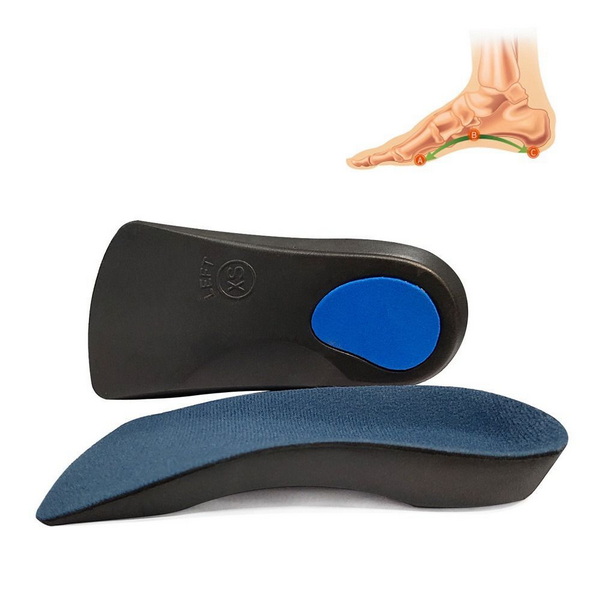
Not all shoes work equally well with orthotic inserts. Some combinations are inherently noisier than others.
Leather interiors are elegant and durable but naturally smooth. Unless treated with a textured lining or anti-slip mat, they promote surface friction between the sole and insert. As a result, these shoes are especially prone to squeaks when paired with hard-base orthotics.
Sports shoes usually have foam cushioning and absorbent layers, which grip orthotics better. The result is quieter performance, even during high activity. However, worn or flattened midsoles can lose their structure and make orthotics unstable, leading to squeaks later on.
These often feature rigid rubber outsoles and thick removable liners. Although they provide good support, dirt, oil, or water buildup may cause squeaking. Regular maintenance is crucial for keeping them sound-free.
While shoe design and orthotic material play big roles, environmental conditions also affect noise. For instance:
- Humidity and weather: High humidity can make insoles tackier, while cold temperatures can harden synthetic materials and increase sound reverberation.
- Walking surface: Smooth floors, like polished tiles or gym floors, echo sound more than carpeted areas.
- Socks and hosiery: Certain socks with smooth or shiny fibers increase in-shoe slippage, adding micro-friction that translates into audible squeaks.
Adjusting these conditions or choosing complementary materials (e.g., cotton socks or breathable lining) can further reduce unwanted sound.
A consistent routine will prevent your orthotic inserts from becoming noisy again. Consider implementing these simple but effective habits:
1. Rotate your shoes. Allowing shoes to dry for 24 hours between uses prevents moisture buildup.
2. Clean your orthotics weekly. Use mild soap and avoid soaking; air-dry them completely before reinserting.
3. Inspect for wear and tear. Flattened areas or loose coverings indicate that your inserts need refreshing.
4. Replace when necessary. Even premium orthotics degrade after repeated compression. Regular users may need replacements every 12 to 18 months.
5. Store in a cool, dry location. Avoid leaving orthotics in humid environments such as bathrooms or gym lockers.
Following these tips ensures longevity, hygiene, and continued comfort without the nuisance of squeaky sounds.
Many people assume squeaks come from cheap manufacturing, but proper fitting is the real key. A well-made orthotic should fit so precisely that no extra movement happens inside the shoe. Sized correctly, even stiff materials remain silent because the pressure is distributed evenly.
If your orthotics were custom-made, inform your podiatrist about any squeaking. Minor material tweaks — like replacing a slick vinyl layer with textured foam — often solve the problem permanently.
Modern orthotic design continues to evolve with noise prevention in mind. Manufacturers are now experimenting with quiet materials such as EVA composites, memory foam bases, and layered anti-friction covers.
Some even integrate microcellular fabric coatings that allow air exchange without causing stickiness. These innovations help reduce squeaking while preserving performance, especially for athletes and long-distance walkers.
For example, orthotics made from multi-layer EVA foam combined with mesh top cloths tend to absorb sound energy efficiently. They compress just enough to maintain stability yet remain flexible enough to move naturally with the shoe.
When people try to fix squeaky orthotics, certain mistakes can accidentally make the situation worse:
- Overusing lubricants: Applying oils, lotions, or sprays makes the insert slide excessively, increasing friction in other spots or even damaging the shoe lining.
- Wearing orthotics in wet shoes: Damp footwear amplifies squeaky sounds and can warp insoles permanently.
- Forgetting to clean the shoe cavity: Dust or grime works like sandpaper, increasing small movements that generate noise.
- Ignoring shoe wear: Sometimes it isn't the orthotic at all — a cracked midsole or loose heel counter may be creating similar squeaky effects.
Avoid these behaviors to ensure both your shoes and orthotics remain durable and discreet.
Orthotic inserts are valuable tools for comfort, stability, and foot health — but squeaking sounds can quickly turn them into a frustration. Knowing why orthotic inserts squeak allows you to diagnose whether the problem comes from moisture, fit, friction, or shoe materials.
Simple household remedies like baby powder, dryer sheets, or anti-slip pads often silence the problem immediately. When those don't work, proper cleaning, refitting, or professional adjustment will restore quiet with long-term durability.
Keep your orthotics clean, dry, and properly aligned, and they'll serve you silently as trusted support companions for many miles ahead.
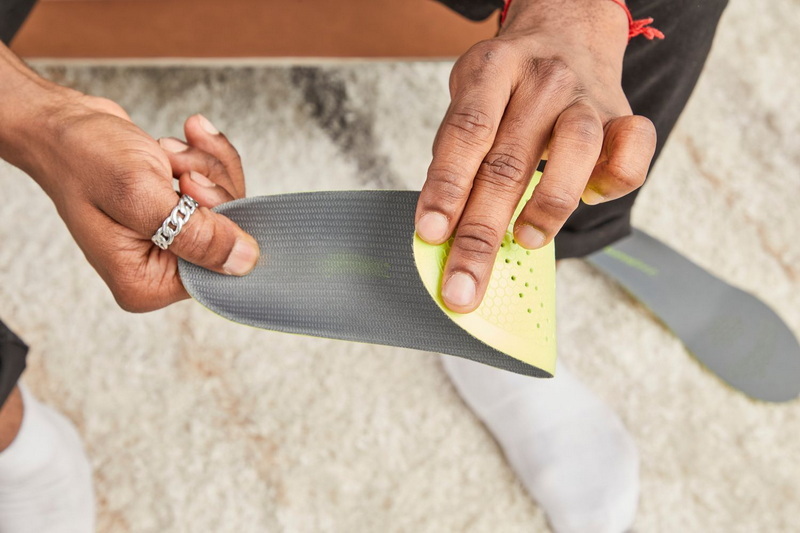
Usually, one shoe is slightly looser or has more moisture trapped underneath the insert. Try adding baby powder to equalize friction or check if one shoe's lining is more worn.
Not always, but persistent squeaking can indicate material fatigue or lost shape. If the problem continues after cleaning or refitting, replacement may be due.
Custom orthotics can drastically reduce the risk of squeaks because they're designed to fit your foot and shoe perfectly. However, environmental moisture or aging shoes can still cause occasional noise.
Yes, if your orthotics shift slightly with each step, the friction can cause small alignment problems over time, leading to sore arches or heels. Eliminating movement helps prevent strain.
Remove your inserts after use, let them air dry, and keep shoes moisture-free. Clean orthotics weekly and replace them yearly to maintain both comfort and silence.


