
Language
Views: 222 Author: Amanda Publish Time: 2025-09-01 Origin: Site


Content Menu
● Conditions Benefited by Orthotic Insoles
>> Lower Limb Injury Prevention
>> Other Uses
● Benefits of Orthotic Insoles
>> Pain Relief
>> Improved Alignment and Posture
>> Enhanced Comfort and Stability
>> Athletic Performance and Injury Prevention
● Common Misconceptions About Orthotic Insoles
>> Orthotic Insoles Weaken Your Feet
>> Insoles Should Feel Comfortable Immediately
>> Only People with Foot Pain Need Orthotics
● How to Choose the Right Orthotic Insole
● FAQ
>> 1. What is the difference between custom-made and over-the-counter orthotic insoles?
>> 2. How long does it take to get used to wearing orthotic insoles?
>> 3. Can orthotic insoles be used for sports and athletic activities?
>> 4. Are orthotic insoles suitable for both children and adults?
>> 5. How often should orthotic insoles be replaced?
Orthotic insoles have become a popular solution for addressing various foot and lower limb problems, offering promise for pain relief, better support, and improved mobility. These specially designed shoe inserts support the natural structure and function of the foot, aiming to correct alignment, redistribute pressure, and improve walking or running biomechanics. Whether an athlete seeking injury prevention, someone managing chronic foot pain, or a person looking to enhance overall comfort, understanding the benefits and potential of orthotic insoles is essential to determining if they are right for you.
In this article, the concept, advantages, applications, and common questions about orthotic insoles are discussed in depth. Without relying on imagery, the article focuses on clear descriptions, evidence-backed insights, and practical guidance to help readers grasp the role orthotic insoles play in foot health.
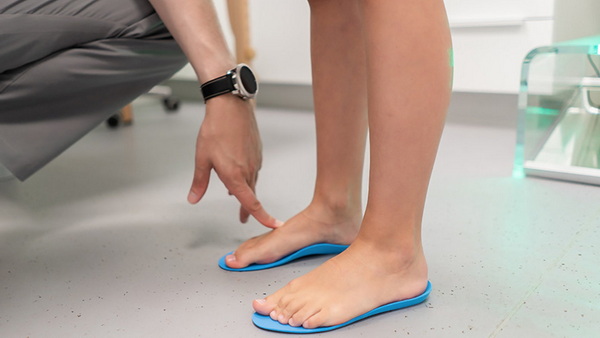
Orthotic insoles, often called orthotics or orthopedic shoe inserts, are devices worn inside shoes to modify the way the foot functions. They are designed to provide additional support to the foot's arches, improve alignment, and cushion critical pressure points. By doing so, orthotic insoles help correct abnormal foot mechanics and can enhance comfort during movement or standing.
There are two main categories of orthotic insoles:
- Custom-Made Orthotics: These are crafted specifically based on an individual's foot shape and structural needs, often through detailed foot analysis, molds, or 3D scans. Custom orthotics are intended to provide personalized support and address specific biomechanical problems.
- Over-the-Counter (OTC) Orthotics: Pre-manufactured insoles designed for common foot issues, these are available in stores and online. While less personalized, they can offer relief and support for many users with mild or general foot discomfort.
Understanding the difference helps consumers and patients decide which option fits their lifestyle and medical needs best.
Orthotic insoles influence foot function by supporting natural arches, realigning the feet and lower limbs, and redistributing forces that occur during walking or running. Without proper support, some people's feet may overpronate (collapse inward) or supinate (roll outward), leading to uneven stress on muscles, joints, and ligaments.
Through improved alignment, orthotic insoles reduce excessive strain on:
- Foot arches
- Achilles tendons
- Knee joints
- Hips and lower back
This redistribution of pressure and optimized biomechanics helps minimize pain, improve movement efficiency, and can even enhance athletic performance.
Orthotic insoles are used to manage and prevent a variety of foot and lower limb conditions:
One of the most common causes of heel pain, plantar fasciitis involves inflammation of the plantar fascia ligament. Orthotic insoles help by providing arch support, cushioning the heel, and reducing stress on the ligament, which promotes healing and pain relief.
People with flat feet experience a lack of normal arch support, leading to improper foot alignment and discomfort. Orthotic insoles help by providing structural support to the arch and preventing the foot from rolling inward excessively, reducing fatigue and pain.
This condition causes pain in the ball of the foot due to pressure on the metatarsal bones. Orthotic insoles with proper cushioning and pressure redistribution can ease discomfort by shifting weight away from the painful area.
Custom orthotic insoles provide stability and correct foot mechanics, reducing the risk of injuries such as stress fractures, shin splints, and ankle sprains, especially for athletes and physically active individuals.
Orthotic insoles have also been beneficial for:
- Bunion management
- Hammertoes
- Heel spurs
- Arthritis-related foot pain
- Diabetic foot care to prevent ulcers by offloading pressure

The advantages of orthotic insoles extend beyond localized foot support, impacting overall comfort, function, and health.
Many users experience significant reduction in pain caused by foot deformities, inflammation, and pressure imbalances. Orthotic insoles spread out forces more evenly across the foot, which reduces pain not only in the feet but also in the knees, hips, and lower back related to poor foot alignment.
By supporting the arches and correcting foot mechanics, orthotics contribute to better posture and body alignment. This can alleviate strain on muscles and joints higher up the kinetic chain, supporting overall musculoskeletal health.
Orthotic insoles offer added cushioning and shock absorption, lessening fatigue during prolonged periods of walking, standing, or running. Enhanced foot stability also prevents slips and reduces the risk of falls.
Athletes benefit from custom orthotics by optimizing foot mechanics, improving balance and shock absorption, and reducing the chance of overuse injuries. Proper support allows for more efficient movement and quicker recovery.
Contrary to popular belief, properly fitted orthotic insoles do not weaken foot muscles. They provide the correct alignment to allow muscles and tendons to function more efficiently, potentially strengthening the foot over time.
Some expect orthotic insoles to feel perfectly comfortable right away. However, a break-in period of a few days to weeks is normal as the feet adjust to new alignment and support.
While comfort is key, very soft insoles often lack the necessary structural support for correction. Firm or semi-rigid orthotics are more effective for functional support and posture correction.
Orthotic insoles are not only for those with pain. They can provide preventive support for people who stand for long hours or participate in sports, promoting better foot health and performance.
Choosing the right orthotic depends on individual needs:
- Seek professional evaluation for custom orthotics if experiencing chronic pain or structural foot issues.
- For milder or general support, quality over-the-counter options may be suitable.
- Ensure the orthotic fits well in your shoes and doesn't cause discomfort or alter shoe fit too much.
- Material choice depends on usage—foams offer cushioning, carbon fiber or plastic provide stronger support.
Orthotic insoles are a valuable resource for managing foot pain, improving alignment, enhancing comfort, and preventing injuries. Their benefits extend from foot health to overall body posture, making them a worthwhile consideration for a wide range of people, from athletes to those with chronic foot conditions. Selecting the right orthotic insole—whether custom-made or over-the-counter—through professional guidance can provide lasting improvements in mobility, comfort, and quality of life.
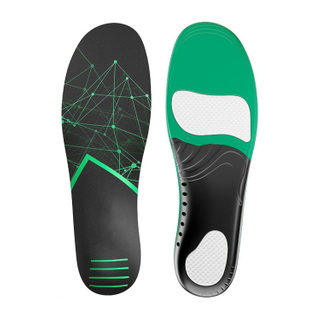
Custom-made orthotics are personalized based on detailed foot measurements and specific biomechanical needs, providing targeted support for unique foot structures and conditions. Over-the-counter insoles are broadly designed for general foot support and mild discomfort, lacking the precise customization of custom models.
Most people require a break-in period of several days to a few weeks to adapt to the new support and alignment changes provided by orthotics. Gradual increase in wearing time helps prevent discomfort during this adjustment phase.
Yes, many athletes use orthotic insoles to improve foot stability, enhance performance, and reduce injury risk. Custom orthotics especially can be tailored to meet the demands of specific sports activities.
Orthotic insoles benefit individuals of all ages, including children with developmental foot issues and adults with chronic or acute foot pain. Proper fitting and assessment are important to ensure effectiveness.
Orthotic insoles generally last between 1 to 3 years, depending on the material quality and frequency of use. Regular evaluation ensures they maintain their support and comfort effectiveness.
[1](https://www.algeos.com/company-news/post/algeos-product-guides/orthotic-insoles-examined)
[2](https://boynerclinic.com/how-orthotic-insoles-can-transform-your-foot-health/)
[3](https://www.frontiersin.org/journals/bioengineering-and-biotechnology/articles/10.3389/fbioe.2024.1435554/full)
[4](https://treadlabs.com/blogs/insoles-reach-your-stride/debunking-myths-are-insoles-bad-for-your-feet)
[5](https://www.tfcpodiatry.com.au/what-are-the-benefits-of-wearing-orthotics/)
[6](https://www.gsdinternational.com/news/what-is-the-orthopedic-insole-for-and-when-to-use-it)
[7](https://my.clevelandclinic.org/health/treatments/orthotics)
[8](https://www.woodlandssportsmedicine.com/blog/5-benefits-of-custom-orthotics)
[9](https://runrepeat.com/shoe-insoles-and-orthotics-statistics)
[10](https://www.neufoot.com/blog/what-are-orthotics-and-why-should-you-use-them)
[11](https://solebliss.com/blogs/news/orthotics-guide)
[12](https://pubmed.ncbi.nlm.nih.gov/10416543/)
[13](https://www.bannerhealth.com/healthcareblog/better-me/are-over-the-counter-insoles-a-waste-or-worth-it)
[14](https://footandankleinstitute.com/4-major-benefits-of-custom-orthotics/)
[15](https://heelpaininstituteofcalifornia.com/how-do-orthotic-insoles-alleviate-heel-pain/)
[16](https://hmccentre.com/benefits-of-custom-orthotics-you-should-know-about/)
[17](https://klmlabstore.com/blogs/blog/4-long-term-benefits-of-using-custom-orthotic-inserts)
[18](https://pubmed.ncbi.nlm.nih.gov/1897659/)
[19](https://www.health.harvard.edu/blog/do-i-need-orthotics-what-kind-2018102915182)
[20](https://www.drscholls.com/blogs/expert-advice/the-difference-between-orthotics-insoles-and-shoe-inserts)


