
Views: 222 Author: 3BU Technology Publish Time: 2026-05-11 Origin: Site


Yes, insoles can cause risks or side effects – but with the right fit, material, and wearing habits, most problems are preventable and often reversible. This guide looks at insole side effects from both a user and industry-expert perspective and shows you how to choose and use insoles safely while getting the most comfort and support. [pmc.ncbi.nlm.nih]
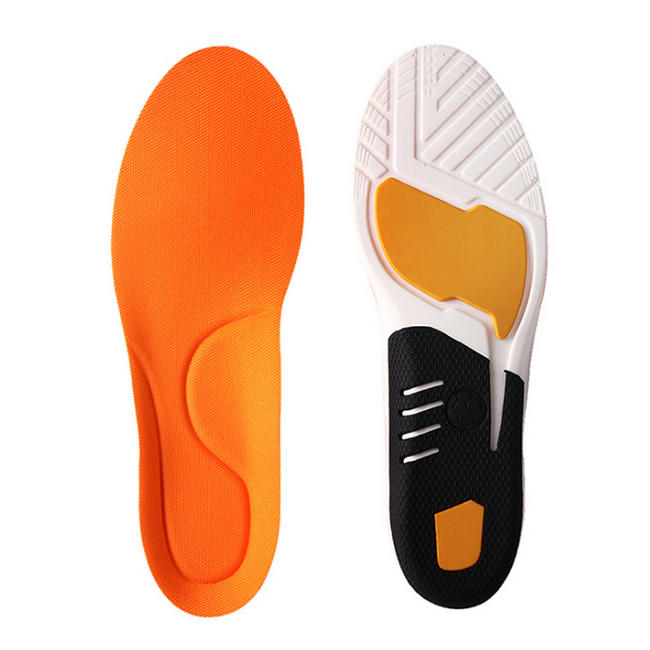
- Are there any risks or side effects to wearing insoles?
- How to tell the difference between normal "break‑in" discomfort and a real problem
- When insoles might make pain worse instead of better
- Expert tips from insole manufacturing and foot‑care practice
- How OEM brands can design safer, user‑friendly insoles
Wearing insoles is generally safe, but poorly designed or poorly fitted insoles can create new problems instead of solving old ones. Common complaints include blisters, pressure points, arch soreness, knee or hip discomfort, and changes in posture or gait when the insole overcorrects your foot alignment. [alineinsoles]
From a manufacturing and clinical perspective, most side effects come from three root causes:
- Insole shape does not match the user's foot shape.
- Support level or stiffness is wrong for the user's weight, activity, or condition.
- The insole is used in the wrong type of shoe or without a proper break‑in period. [pmc.ncbi.nlm.nih]
If you understand these mechanisms, you can dramatically lower the risk of problems while still enjoying the benefits of extra cushioning and support.
A key UX principle in foot‑care products is helping users distinguish expected adaptation from harmful side effects. [clinicspotsdigitalservices]
In the first 3–7 days of wearing new insoles, many users report:
- Mild muscle fatigue in the arch or calves
- Light soreness as posture or foot loading changes
- Slight rubbing in new contact areas [alineinsoles]
These sensations usually:
- Reduce significantly after a few hours of use per day
- Improve over 1–2 weeks of gradual wear‑in
- Are symmetrical on both sides and do not sharply worsen with time [alineinsoles]
Stop using the insole and consult a professional if you notice:
- Sharp, localized pain in the heel, arch, or forefoot
- Numbness, tingling, or burning in the toes
- New knee, hip, or lower‑back pain after starting the insoles
- Persistent blisters or skin breakdown that do not improve with minor adjustments [eesel]
These are likely true side effects, not normal adaptation, and they signal that fit, support level, or design may be inappropriate for your foot.
Poorly matched arch height or a rigid shell can concentrate pressure into small areas, creating soreness and hot spots. This is especially common when a high‑arch support is used on a naturally low or flat foot. [pmc.ncbi.nlm.nih]
Typical user feedback includes:
- "I feel a hard lump under my arch."
- "My feet feel more tired than before."
- "After a few hours, I just want to take them out." [custify]
Expert tip: Offer multiple arch profiles or a slightly more forgiving mid‑density material for first‑time users to reduce these complaints. [pmc.ncbi.nlm.nih]
Friction between the insole top cover and the skin (or sock) causes blisters, especially during running, hiking, or all‑day standing. Common triggers include: [alineinsoles]
- Rough or low‑quality top fabrics
- Edges that are not beveled smoothly
- Moisture build‑up inside the shoe [pmc.ncbi.nlm.nih]
For OEM brands, investing in skin‑friendly, moisture‑wicking top cloths and clean edge‑finishing significantly improves comfort feedback and reduces return rates. [jcinsoles]
Insoles that strongly change foot posture can shift load from one joint to another. Over‑correction, especially with aggressive medial arch posting, may: [pmc.ncbi.nlm.nih]
- Reduce ankle pronation but increase stress at the knee
- Alter hip and pelvic mechanics
- Trigger new discomfort along the kinetic chain [pmc.ncbi.nlm.nih]
Research on foot orthoses shows that alignment changes must be personalized, not one‑size‑fits‑all, to avoid exchanging one problem for another. [pmc.ncbi.nlm.nih]
Over‑the‑counter insoles are designed for the average user, not for complex pathologies. In cases such as: [alineinsoles]
- Advanced arthritis
- Severe flat feet or high arches
- Diabetic neuropathy
- Post‑surgical feet
a generic insole can fail to support the right structures and sometimes aggravate symptoms. [eesel]
User‑centric advice: If pain worsens after 1–2 weeks of gradual use, users should see a podiatrist or orthopedist instead of simply buying a stiffer or "more supportive" model. [eesel]
Even a well‑designed insole can create problems in the wrong shoe:
- Squeezing: Thick insoles in tight dress shoes compress the toes.
- Instability: Soft insoles in unstable, worn‑out shoes do not control motion.
- Heel slippage: Short or low‑volume insoles let the heel float and rub. [delante]
From an OEM perspective, it is essential to clearly label intended shoe types (running, work boots, safety shoes, casual sneakers, etc.) in packaging and product pages. [jcinsoles]
You can reduce most side effects with a simple wearing strategy that every brand should teach its users.
1. Wear the insoles for 1–2 hours on day one.
2. Increase by 1–2 hours per day if no strong discomfort appears.
3. Pause or step back a day if pain or intense fatigue develops. [eesel]
- Remove the shoe's original insole (unless instructed otherwise).
- Place your foot on the new insole outside the shoe.
- Ensure your heel fits into the heel cup and your longest toe does not cross the front edge.
- Look for any area where the insole feels like a hard ridge. [alineinsoles]
Changes in foot alignment can be beneficial, but they should not create new pain higher up. Pay attention to: [pmc.ncbi.nlm.nih]
- New ache on the inside or outside of the knee
- Changes in gait that feel forced or awkward
- Lower‑back tightness that appears only after using the insoles [eesel]
If you notice this pattern, you may need a different level of support or a more flexible design.
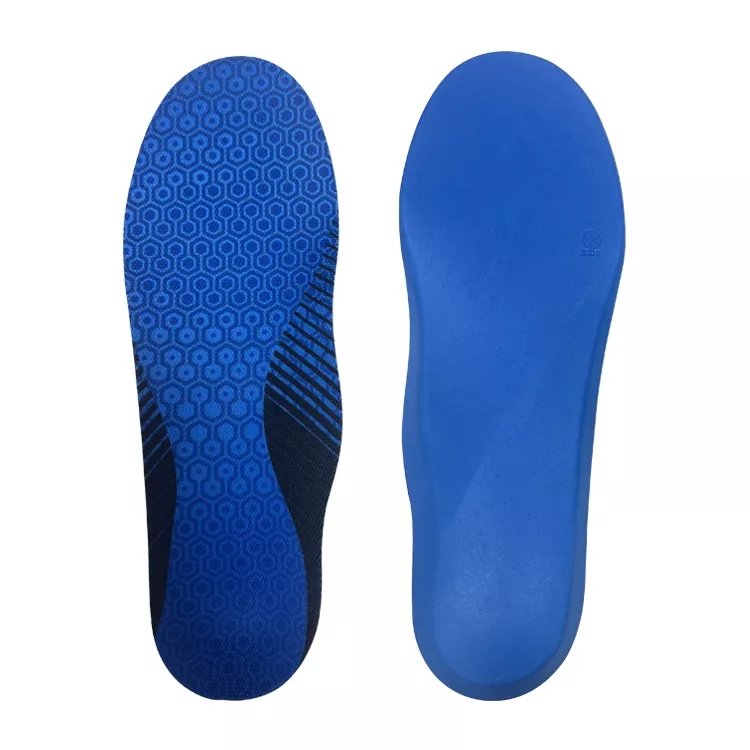
From the viewpoint of a leading OEM insole manufacturer, several design choices directly affect user safety and comfort.
Research shows that an anatomically shaped heel cup helps distribute plantar pressure and stabilize the rearfoot, reducing peak forces that can cause injury. A well‑designed cup: [orthomovement]
- Centers the heel's natural fat pad
- Supports gentle, not rigid, control of motion
- Works together with the shoe's midsole, not against it [pmc.ncbi.nlm.nih]
High‑quality insoles often combine:
- A firm or semi‑rigid base for structural support
- A mid‑layer for shock absorption
- A breathable, moisture‑wicking top cover for skin comfort [jcinsoles]
Using medical‑grade EVA, PU foams, and anti‑microbial textiles can lower the risk of odor, irritation, and blistering. [pmc.ncbi.nlm.nih]
Modern insole development is increasingly data‑driven, using plantar pressure mapping and gait analysis to optimize shape and stiffness. Brands that co‑develop with experienced OEM partners gain access to: [orthomovement]
- Large datasets on foot shapes across regions and demographics
- Field‑tested constructions for standing work, running, hiking, and daily wear
- Iterative feedback from real‑world users to refine comfort and safety [linkedin]
Aspect | OTC insoles | Custom orthotics |
|---|---|---|
Target user | General public, mild discomfort alineinsoles | Specific medical conditions pmc.ncbi.nlm.nih |
Fit | Standardized sizes and shapes alineinsoles | Individually molded or scanned pmc.ncbi.nlm.nih |
Risk of over‑correction | Lower, but possible if stiffness is high pmc.ncbi.nlm.nih | Lower when properly prescribed, higher if poorly made pmc.ncbi.nlm.nih |
Typical side effects | Blisters, arch soreness, mild joint changes alineinsoles | Discomfort, joint pain if prescription is wrong pmc.ncbi.nlm.nih |
Recommended supervision | Self‑directed, with clear brand guidance alineinsoles | Physician or podiatrist supervision pmc.ncbi.nlm.nih |
For most healthy users with mild fatigue or discomfort, a good‑quality OTC insole from a reputable OEM is a safe starting point when accompanied by clear wearing instructions and warnings. [clinicspotsdigitalservices]
Customer reviews are a powerful tool for uncovering subtle usability issues that lab tests can miss. Patterns in negative reviews often point to: [benchmarkemail]
- Specific shoe categories where the fit is poor
- Weight or activity levels not clearly communicated on the packaging
- Edge cases (very flat feet, very high arches) where an alternative model is needed [custify]
Brands that systematically mine and respond to reviews can:
- Identify common friction points much faster
- Refine sizing, arch height, or top cover materials
- Update online product pages and blog content with clearer guidance [custify]
This continuous feedback loop is a practical way to strengthen Experience and Expertise in line with E‑E‑A‑T expectations. [eoshealthcaremarketing]
If you are an international footwear brand, wholesaler, or manufacturer working with an OEM partner, you can significantly reduce end‑user side effects with thoughtful product and content strategy. [delante]
Work with your OEM to develop product lines around clear scenarios, such as:
- Long‑hours standing in logistics, retail, or manufacturing
- Running and high‑impact sports
- Hiking and outdoor work boots
- Everyday city walking [linkedin]
Each scenario should have:
- Appropriate cushioning and arch support
- Target body‑weight ranges
- Recommended shoe types [delante]
On product pages, packaging, and blog articles, provide:
- Simple break‑in instructions
- Contraindications and "when to see a doctor"
- Visual fitting guides and shoe pairing tips [clinicspotsdigitalservices]
This reduces misuse and positions your brand as responsible and user‑centric, which is rewarded by both customers and search engines. [eoshealthcaremarketing]
Insoles are not a replacement for medical care. Users should seek professional advice if they experience: [eesel]
- Sudden, severe foot or heel pain
- Visible deformity, swelling, or redness that does not improve
- Diabetes‑related foot changes or open wounds
- Persistent pain after 2–3 weeks of careful insole use [eesel]
A podiatrist or orthopedic specialist can diagnose underlying issues and, when appropriate, prescribe custom orthotics or targeted therapy.
If you are a footwear brand, distributor, or manufacturer, partnering with a specialized insole OEM allows you to offer products that are not only comfortable but also safer and more transparent for end users. By combining data‑driven design, consistent quality control, and clear educational content, you can reduce side effects, increase satisfaction, and build long‑term trust in your insole line. [linkedin]
To develop or upgrade your next insole collection with user comfort and safety at the center, reach out to an OEM partner with proven global experience in insole engineering and private‑label collaboration. [jcinsoles]
1. Are insoles bad for your feet if you wear them every day?
For most people, well‑designed insoles used in appropriate shoes are safe for daily wear, and they can even reduce fatigue and impact. Problems usually arise from poor fit, wrong support level, or ignoring early warning signs of discomfort. [alineinsoles]
2. How long does it take for your feet to get used to new insoles?
Most users adapt within 1–2 weeks if they follow a gradual break‑in schedule, increasing wear time slowly. Persistent or worsening pain beyond this period is a sign to stop and seek professional advice. [alineinsoles]
3. Can insoles cause knee or back pain?
Yes, insoles can change lower‑limb alignment and load distribution, which may trigger new knee, hip, or back discomfort if the correction is too strong or not suited to your body. Choosing the right design and monitoring symptoms reduces this risk. [alineinsoles]
4. Should I remove the original shoe insole when adding a new one?
In most cases, it is safer and more stable to remove the original insole so the replacement sits flat and does not overfill the shoe. Leaving both can cramp the toes and increase friction and blister risk. [alineinsoles]
5. When do I need custom orthotics instead of OTC insoles?
You should consider custom orthotics if you have significant deformities, chronic or severe pain, diabetic foot issues, or if high‑quality OTC insoles consistently fail to relieve symptoms. A podiatrist or orthopedic specialist can evaluate your gait and recommend the right solution. [eesel]
1. Aline Insoles. "Are There Any Risks or Side Effects to Wearing Insoles?". [https://alineinsoles.com/blogs/news/are-there-any-risks-or-side-effects-to-wearing-insoles] [alineinsoles]
2. Kong, P. W. et al. "Shoe‑Insole Technology for Injury Prevention in Walking." Journal of Clinical Medicine.[https://pmc.ncbi.nlm.nih.gov/articles/PMC5982664/] [pmc.ncbi.nlm.nih]
3. ClinicSpots. "Optimizing Healthcare SEO with E‑E‑A‑T."[https://clinicspotsdigitalservices.com/optimizing-healthcare-seo-with-e-e-a-t/] [clinicspotsdigitalservices]
4. Eesel. "A Complete Guide to Medical Blog Writing."[https://www.eesel.ai/blog/medical-blog-writing] [eesel]
5. JC Insoles. "Marketing Strategies for Your Insole Brand."[https://www.jcinsoles.com/post/marketing-strategies-for-your-insole-brand] [jcinsoles]
6. Delante. "How to Do SEO for the Footwear Industry?"[https://delante.co/footwear-industry-seo/] [delante]
7. SHV Media. "The Definitive Guide to SEO for Footwear Industry."[https://shvmedia.com/blogs/seo-guide-footwear-industry] [shvmedia]
8. Benchmark Email. "How to Get High‑Quality Insights to Enhance Your Blog Content."[https://www.benchmarkemail.com/blog/high-quality-insights-blog-content/] [benchmarkemail]
9. Custify. "10 Ways Customer Reviews Can Enrich Your Content."[https://www.custify.com/blog/customer-reviews-can-enrich-content/] [custify]
10. Orthomovement. "Sport Insole Tech: Adaptability."[https://www.orthomovement.com/blogs/sport-insole] [orthomovement]
11. LinkedIn. "Footwear Trends Driving Business For Shoe Insole Suppliers."[https://www.linkedin.com/pulse/footwear-trends-driving-business-shoe-insole-suppliers-4qbgc] [linkedin]


