
Views: 222 Author: 3BU Technology Publish Time: 2026-05-08 Origin: Site


Heated insoles and heated socks each solve different cold‑foot problems, and a well‑designed insole can deliver warmer, safer, and more versatile comfort if you choose the right technology and fit it correctly. As an OEM insole manufacturer, you can position heated insoles not only as a warmth solution but as a performance, health, and brand‑upgrade platform for your B2B customers. [saviorheat]
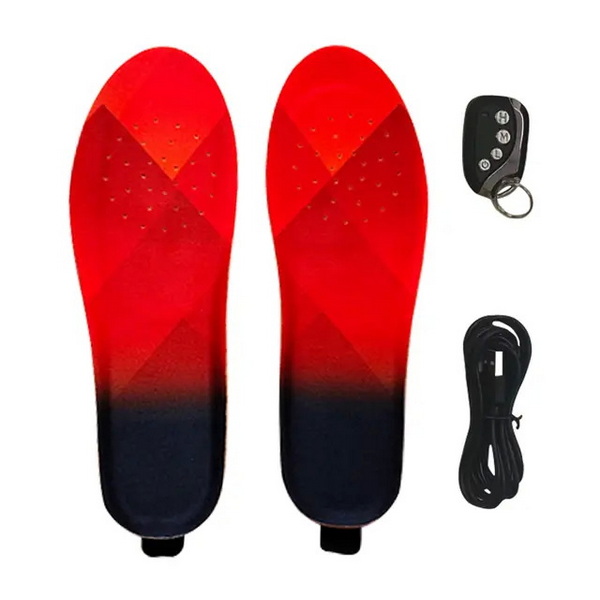
This in‑depth guide compares heated insoles vs heated socks from a real‑world, expert, and user‑experience angle, then explains when brands, wholesalers, and manufacturers should prioritize insoles in their product lineup. It's written for: [nrheat]
- Outdoor and workwear brands planning a heated‑footwear line.
- Wholesalers looking for reliable OEM heated insoles.
- Manufacturers and private‑label owners wanting a clear, expert framework for product decisions.
You'll find practical pros and cons, fitting and care tips, and OEM insights you can directly turn into a product brief or sourcing checklist. [nrheat]
Heated socks wrap the entire foot and lower leg with fabric, so heating elements can cover toes, soles, and sometimes the ankle area for very intense, all‑around warmth. This makes them attractive to users who spend long hours in snow, stand still a lot, or have very poor circulation. [saviorheat]
- Built‑in heating wires or pads are knit into the sock fabric and powered by rechargeable batteries.
- Batteries are usually mounted near the top of the sock, clipped on the cuff or in a small side pocket. [saviorheat]
- Heat is distributed across key zones like the toes, ball of the foot, and sometimes the instep.
From a user's perspective, you put on the sock, connect or insert the battery, select a heat level, then wear it like a normal winter sock under boots or shoes.
- Maximum coverage warmth – they heat the toes, top, sides, and sole, ideal for people who get cold at the front of the foot. [saviorheat]
- Strong performance in extreme cold and high‑exposure activities like skiing, snowboarding, or long static outdoor work. [nrheat]
- Moisture‑wicking yarns can help keep feet dry, reducing blister risk and discomfort.
- Easy to understand for first‑time users: "warm socks" feels familiar.
- Bulk around the ankle and calf due to batteries and wiring can affect how boots and pants fit. [saviorheat]
- Users are locked into one specific sock thickness and fabric, which may not match every shoe or boot.
- If the socks get damp or need washing, users lose both the warmth and the sock until they are dry.
- Some people find the pressure from battery packs on the cuff uncomfortable, especially when bending or tightening boots. [saviorheat]
For brands, heated socks are a powerful but relatively narrow‑use product: excellent for winter sports and very cold climates, less flexible as an everyday, cross‑footwear solution. [nrheat]
Heated insoles are thin, powered inserts placed directly under the foot, often trimmed to fit, and can be moved between different shoes or boots. They focus heat on the sole and toes, where cold and pressure are usually greatest. [support.thewarmingstore]
- A flat insole body with integrated heating elements and cushioning materials sits under the foot. [support.thewarmingstore]
- Power comes from built‑in heel batteries or external battery packs connected by low‑profile cables. [support.thewarmingstore]
- Better designs include multiple heat settings and sometimes remote or app control for quick adjustment. [support.thewarmingstore]
Because they sit inside the shoe, heated insoles can be combined with any sock type the user prefers (wool, compression, thin sport socks, etc.), which greatly increases styling and comfort flexibility.
- Multi‑shoe versatility – users can move the same insole between work boots, hiking boots, and casual shoes. [nrheat]
- Lower visual bulk: from the outside, they look like a normal shoe; batteries are hidden in the heel or discretely mounted. [support.thewarmingstore]
- Many models can be trimmed to size, making stocking and distribution easier for brands. [nrheat]
- Ideal for professional settings where full heated socks might feel too thick or informal.
With modern materials, winter insoles can also combine thermal layers, reflective foils, and air‑pocket cores to improve insulation without adding excessive thickness. [wardrobeoxygen]
- They mainly heat the bottom of the foot; users who suffer from very cold toes on top may still prefer socks or a combo. [saviorheat]
- Poorly designed insoles can crowd tight shoes, causing pressure hotspots or altered fit. [saviorheat]
- Some users forget to remove or charge the insoles, especially when they keep them in multiple pairs of shoes.
For B2B buyers, heated insoles are usually the more scalable platform: easier to standardize, easier to brand, and suitable across more end‑user scenarios than heated socks. [sourceready]
The table below summarizes the main differences from a user and product‑strategy perspective. [wardrobeoxygen]
Aspect | Heated Socks | Heated Insoles |
|---|---|---|
Warmth coverage | Entire foot, toes, top and sides, very intense warmth saviorheat | Sole and toe base, more targeted warmth underfoot nrheat |
Best use cases | Extreme cold, ski trips, hunting, static outdoor work nrheat | Everyday winter wear, commuting, work boots, multi‑shoe users nrheat |
Fit & comfort | Can be bulky around cuff, depends on sock thickness and boot volume saviorheat | Can be trimmed to fit, but may crowd tight shoes if too thick nrheat |
Versatility | Limited to the sock; user must wash and dry carefully | Moveable between different shoes and boots, works with any sock style nrheat |
Aesthetics | Visible battery and cabling near the calf saviorheat | Hidden inside shoe, more discreet for work or city wear support.thewarmingstore |
Maintenance | Needs gentle washing, careful drying, battery removal | Wipe clean only, no soaking; easier daily routine |
Ideal customers | Winter‑sports enthusiasts, hunters, extreme‑cold workers nrheat | Commuters, delivery workers, construction teams, everyday winter users sourceready |
From an industry standpoint, heated footwear is shifting from "nice‑to‑have winter gear" to an integrated part of performance and comfort footwear. This is driven by both consumer expectations and technology trends. [verifiedmarketreports]
- Electric heated shoes are projected to grow rapidly, with market revenue expected to more than triple between 2024 and 2033, supported by strong demand from outdoor workers and cold‑climate residents. [verifiedmarketreports]
- Smart features such as adjustable heat, better battery life, and remote controls are becoming standard rather than premium options. [verifiedmarketreports]
For B2B brands, this means heated insoles are no longer a niche accessory; they are becoming a core differentiator in winter footwear collections. [sourceready]
Modern insoles can do more than heat. They can combine arch support, shock absorption, and gait alignment in the same platform, which helps reduce fatigue and pain during long workdays or activities. Integrating heating into a supportive insole lets you sell not just warmth, but productivity and health benefits. [alineinsoles]
For example, winter insoles with layered construction (felt, reflective layers, and air‑pocket cores) have been shown to improve both insulation and comfort in cold‑weather footwear. [wardrobeoxygen]
Current footwear trends emphasize modular designs and longer product lifecycles. Heated insoles fit this direction: instead of replacing whole boots, users can upgrade or replace the insole module for warmth or new features. [sourceready]
Brands that work with OEM partners on recyclable materials and repairable modular components can match this sustainability push and meet emerging regulations and buyer expectations. [sourceready]

Choosing between heated insoles and heated socks depends on how, where, and how often the end user is active in the cold. Here's a practical way to guide your customers or your own product roadmap. [nrheat]
- End users face extreme, long‑duration cold, such as high‑mountain skiing, snowmobile tours, or all‑day stationary outdoor work. [nrheat]
- They frequently complain about frozen toes on top, not just cold soles.
- Boot volume is generous, so extra fabric and battery packs do not cause fit problems.
As a brand, you might position heated socks as a specialist add‑on for aggressive winter sports or expedition‑grade collections.
- The same user switches between city commuting, work boots, and casual shoes during the week.
- They need a discreet, office‑friendly solution that looks like regular footwear but feels much warmer. [wardrobeoxygen]
- You want a product that is easy to size, stock, and private‑label with your own branding. [support.thewarmingstore]
For most mass‑market and professional use cases, heated insoles deliver a better balance between warmth, comfort, and everyday usability.
From a UX and after‑sales perspective, clear instructions and thoughtful design details significantly improve satisfaction and reviews. [support.thewarmingstore]
1. Start by trimming the insole gradually along manufacturer guidelines, checking fit after each cut. [support.thewarmingstore]
2. Test in the intended footwear with the thickest socks the user plans to wear.
3. Ask users to wear them at home for 30–60 minutes on low heat before a long day outside, to check pressure points and cable routing.
This reduces return rates caused by tight shoes or unexpected hotspots during first use.
- Recommend starting on a medium or low setting and increasing only if needed; this saves battery life and reduces overheating risk. [support.thewarmingstore]
- Users should check skin regularly if they have reduced sensitivity or circulation issues, and stop use if they feel burning or numbness.
- Emphasize that insoles should never be cut across visible heating elements or internal wiring zones.
Clear, bold safety notes printed directly on the insole box and instruction leaflet are highly effective in preventing misuse.
- Advise users to wipe insoles with a damp cloth and mild soap only, and never soak or machine‑wash them.
- Batteries should be fully dried and stored in a cool, dry place when not in use.
- Users should periodically check for cracks, exposed wires, or connector damage and discontinue use if they see any serious wear.
These simple guidelines greatly extend product life and protect your brand reputation.
From an OEM and private‑label perspective, heated insoles often provide a better starting point than heated socks. [verifiedmarketreports]
- Simpler size matrix – fewer SKUs when insoles are cut‑to‑fit, compared with full sock size runs.
- Easier integration of branding (logos on top covers, packaging, custom colorways) without affecting performance.
- Compatible with a wider range of collections: workwear, outdoor, commuting, and even fashion.
Partnering with a specialist manufacturer allows brands to fine‑tune battery placement, heating zones, cushioning hardness, and arch support to their specific audience, from hunters to construction crews to ski‑resort staff. [alineinsoles]
If you are a brand owner, wholesaler, or footwear manufacturer, this is the ideal moment to upgrade your winter lineup with high‑performance heated insoles. By partnering with an experienced OEM factory, you can: [sourceready]
- Customize heating zones, materials, and support to your target market.
- Add your own branding and packaging for seamless integration into your product line.
- Launch a differentiated winter or workwear collection that keeps customers loyal season after season.
Consider defining your ideal use cases (work boots, outdoor sports, urban commuting) and then working with your OEM partner to develop a tailored heated insole specification that truly matches your brand promise.

1. Are heated insoles as warm as heated socks in very cold weather?
Heated socks usually provide more overall foot coverage, especially over the toes and top of the foot, so they can feel warmer in extreme cold. However, high‑quality heated insoles can still keep the soles and toes comfortable for most everyday winter conditions and long work shifts. [wardrobeoxygen]
2. Can users wear heated insoles with any type of sock?
Yes, one of the main advantages of heated insoles is that they work with almost any sock type, from thin dress socks to thick wool hiking socks, as long as the shoe has enough volume. This allows users to fine‑tune warmth and moisture‑management independently of the insole. [nrheat]
3. How long do heated insoles typically last on one charge?
Runtime depends on the battery capacity and heat level, but many rechargeable heated insoles offer several hours of warmth, with some models exceeding seven hours on lower settings. For long days, users can carry spare batteries or run at moderate settings to extend performance. [support.thewarmingstore]
4. Are heated insoles safe for people with circulation or nerve problems?
Most modern heated socks and insoles include safety features to prevent overheating, but people with circulation or nerve issues should start on lower settings, check skin condition frequently, and consult a healthcare professional if unsure. Clear instructions and warnings from the brand are essential.
5. What should brands look for when choosing an OEM heated insole supplier?
Brands should look for proven experience with insole construction, stable heating technology, compliance with relevant safety standards, and the ability to customize thickness, support, and branding for their target market. Transparent communication about materials, testing, and after‑sales support is also critical. [alineinsoles]
- ALINE Insoles. "Heated Insoles vs Heated Socks: Which One is Better?" [Link]
- Savior Heat. "Heated Insoles vs. Heated Socks: Which One Is Right For You?" [Link] [saviorheat]
- ALINE Insoles. "The Best Heated Insoles for Shoes to Keep Your Feet Warm." [Link] [alineinsoles]
- Wardrobe Oxygen. "The 5 Best Winter Insoles for Comfort and Warmth." [Link] [wardrobeoxygen]
- The Warming Store. "Best Battery Heated Insoles Buying Guide & Review." [Link] [support.thewarmingstore]
- NRHeat. "Heated Socks vs Insoles: Which Is Better for Work, Hunting & Winter?" [Link] [nrheat]
- Verified Market Reports. "Global Electric Heated Shoes Market Size, Share, Industry Trends." [Link] [verifiedmarketreports]
- SourceReady. "US Footwear Market Report 2026: Trends, Growth & Forecast." [Link] [sourceready]


