
Language
Views: 222 Author: 3BU Technology Publish Time: 2026-05-07 Origin: Site


Custom insoles and over-the-counter (OTC) insoles both play an important role in modern foot health, but they work best for different people, budgets, and lifestyles. Drawing on my experience helping sports brands and footcare manufacturers build high-converting content, this guide explains the trade-offs in simple language—then shows when a high‑quality OEM insole from a specialist like 3BU Technology can be the smarter choice. [alineinsoles]
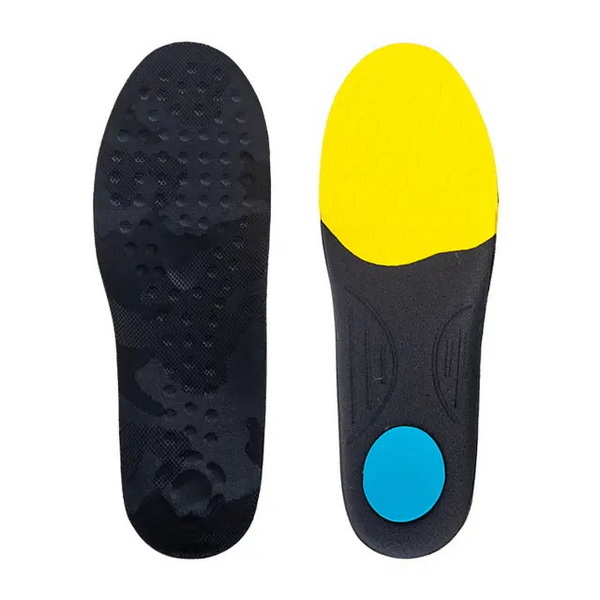
By the end of this article, you will clearly know:
- When custom insoles are worth the money. [aalpodiatry]
- When OTC / prefabricated insoles are enough—or even better. [footminders]
- How to choose the right insole based on your symptoms, activity level, and budget. [rei]
- What leading recent research and market trends say about insole performance and future innovation. [frontiersin]
Custom insoles (often called custom orthotics) are individually designed inserts prescribed by a podiatrist or orthopedic specialist. They are built after a professional assessment of your feet, gait, and sometimes even 3D scans or foam impressions. [alineinsoles]
Typical characteristics include:
- Tailored shape that matches your foot structure, arch type, and pressure points. [aalpodiatry]
- Use of medical‑grade materials such as EVA, polypropylene, thermoplastic or carbon fiber for stability and durability. [alineinsoles]
- Targeted correction for specific conditions like plantar fasciitis, flat feet, high arches, bunions, and overpronation. [aalpodiatry]
- Long lifespan when properly used, often lasting years with occasional adjustments. [alineinsoles]
When they shine:
- Moderate to severe structural problems. [aalpodiatry]
- Chronic foot, knee, hip, or lower back pain linked to biomechanical issues. [frontiersin]
- Professional or high‑performance athletes who need precise control and load distribution. [frontiersin]
OTC insoles—also called prefabricated or off‑the‑shelf insoles—are mass‑produced inserts you can buy in pharmacies, sports stores, online marketplaces, or directly from OEM brands. They are designed around common foot shapes and standard shoe sizes. [footminders]
Key traits:
- Immediate availability—you can pick them up and start using them the same day. [rei]
- Wide variety of designs: cushioning insoles, arch‑support insoles, sport‑specific insoles, and insoles for work boots or heels. [rei]
- Usually made from EVA foam, PU foam, gel, or combinations with stabilizing shells. [rei]
- Lower price point compared with custom orthotics, which makes them ideal for testing what type of support feels best. [footminders]
Modern OTC insoles—especially those produced by specialized OEM manufacturers—are no longer just "generic foam pads." Many now feature 3D‑engineered arch profiles, zoned cushioning, metatarsal pads, and anti‑odor fabrics that approach the comfort of custom solutions for a fraction of the cost. [fortunebusinessinsights]
Aspect | Custom Insoles | Over-the-Counter Insoles |
|---|---|---|
Fit | Individually molded to your feet, gait, and condition. alineinsoles | Standardized sizes and arch profiles. alineinsoles |
Indications | Moderate–severe deformities, chronic pain, complex biomechanical issues. alineinsoles | Mild–moderate discomfort, fatigue, basic arch or heel support. alineinsoles |
Cost | Highest upfront cost (consultation + device). alineinsoles | Budget‑friendly and easily replaceable. alineinsoles |
Access | Requires clinical assessment and prescription. alineinsoles | Self‑selected in pharmacy, sports store, or online. alineinsoles |
Adjustability | Can be refurbished or adjusted over time. alineinsoles | You can experiment with different models or thicknesses. footminders |
Interestingly, not all studies automatically favor custom devices. One multi‑center orthopedic study found that prefabricated orthotic insoles could be more effective than expensive custom ones for plantar fasciitis in many patients, challenging the assumption that "custom is always better." [footminders]
Other biomechanical research shows that different insole constructions (for example, those designed for more extension vs. more flexion of the foot) can significantly influence running mechanics, emphasizing that design quality matters as much as the label "custom" or "OTC." [frontiersin]
The orthotic insole market is growing quickly worldwide, driven by aging populations, sports participation, and demand for more comfortable everyday footwear. From 2022 to 2030, the global orthotic insole market is projected to grow from 3.62 billion USD to 6.26 billion USD, with the Asia‑Pacific region being one of the fastest‑rising players. [fortunebusinessinsights]
This growth fuels innovation:
- 3D‑printing and advanced polymers are making insoles lighter, thinner, and more responsive. [footteamtexas]
- Digital gait analysis and foot‑scanning tools are reaching clinics and even some retail environments. [footteamtexas]
- Consumers expect premium comfort and support even in everyday sneakers and work shoes, which is pushing OEM manufacturers to deliver higher‑performance "ready‑to‑wear" insoles. [fortunebusinessinsights]
For international brands, this means that partnering with a specialized OEM insole manufacturer is now a strategic way to bring near‑custom performance to mass‑market products. [fortunebusinessinsights]
Start by classifying what you feel most often:
1. General fatigue or soreness after a long day of standing or walking. [uclahealth]
2. Sharp heel pain in the morning, often linked to plantar fasciitis. [alineinsoles]
3. Arch collapse or overpronation, where the foot rolls inward excessively. [frontiersin]
4. Localized forefoot pain, burning, or pressure under the ball of the foot. [rei]
5. Pain radiating to knees, hips, or lower back, suggesting deeper biomechanical issues. [aalpodiatry]
If you have open wounds, deformities, or systemic diseases (like diabetes), you should always see a medical professional before choosing any insole. [uclahealth]
- Mild: Occasional discomfort, improves with rest, no obvious deformity. [alineinsoles]
- Moderate: Frequent pain, affects your usual walking or sport, recurring issues despite changing shoes. [frontiersin]
- Severe: Persistent pain, visible deformities, history of fractures, or nerve symptoms. [aalpodiatry]
Mild cases often respond very well to good OTC insoles, especially if they are chosen carefully for arch type and activity. Moderate or severe cases strongly benefit from professional assessment and possibly custom devices. [footminders]
- You are on your feet all day at work, with tired, aching feet → Start with a cushioned OTC insole designed for all‑day standing, with heel shock absorption and moderate arch support. [footminders]
- You run several times a week and feel arch or heel pain → Consider a sport‑specific OTC insole with firmer arch support and heel cradle; if symptoms persist after a few weeks, consult a specialist about custom orthotics. [alineinsoles]
- You see visible deformity, recurrent injuries, or long‑term pain → Prioritize a podiatry appointment; custom orthotics or medically guided insoles are often the safest route. [frontiersin]
The best insole cannot outperform poor daily habits. Integrating simple foot‑care routines is crucial for long‑term results. [footteamtexas]
Evidence‑based daily practices include:
- Inspecting your feet regularly for changes in color, texture, or new calluses. [uclahealth]
- Washing and carefully drying between the toes to reduce fungal risk. [uclahealth]
- Moisturizing dry areas to prevent cracking, especially in open shoes or dry climates. [uclahealth]
- Wearing properly fitting footwear that works together with your insole instead of fighting against it. [rei]
- Keeping a simple "foot journal" of pain levels, new activities, or changes in footwear to share with your clinician if needed. [footteamtexas]
Modern foot‑health guidance increasingly emphasizes personalization, mixing technology (like apps, wearables, and digital scans) with daily rituals. When you combine a suitable insole with smart habits, you protect your feet today and reduce the risk of future injuries. [footteamtexas]
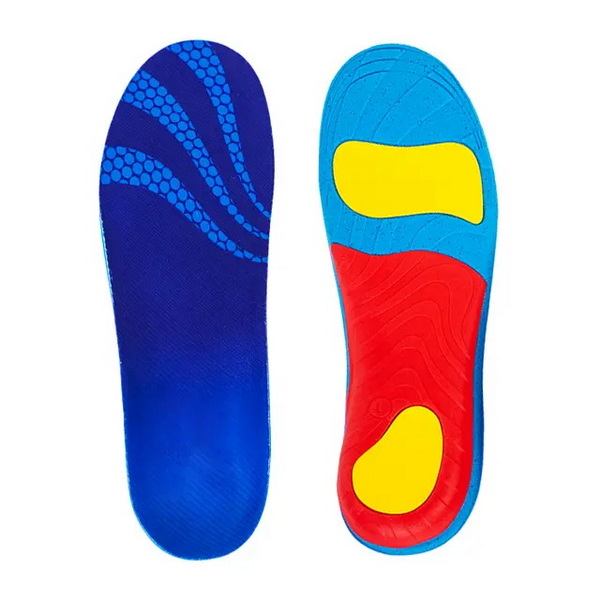
As an OEM insole manufacturer, we see firsthand how advanced design and manufacturing can bring near‑custom performance into scalable, branded products. [fortunebusinessinsights]
Modern OEM capabilities increasingly include:
- Multi‑density constructions that combine soft top layers for comfort with firmer arch and heel structures for stability. [rei]
- Collaboration with sports scientists and podiatrists to fine‑tune arch height, posting angles, and flex zones based on biomechanical data. [frontiersin]
- Integration of antibacterial fabrics, moisture‑management topsheets, and eco‑friendly foams that match current consumer expectations. [footteamtexas]
- Rapid prototyping using digital modeling and 3D printing, allowing brands to test and refine designs more quickly. [footteamtexas]
For footwear brands, wholesalers, and importers, this means you can offer:
- Segmented insole ranges (comfort, sport, work, medical support) tailored to your target market. [fortunebusinessinsights]
- Private‑label insoles that reflect your brand's identity in both performance and design. [fortunebusinessinsights]
- A differentiated experience that keeps customers loyal to your shoes instead of buying third‑party insoles. [footteamtexas]
When you walk into a store or browse online, use this quick checklist:
- Check your arch type (low, neutral, high) using a simple wet‑foot test or an in‑store scanner when available. [rei]
- Look for insoles that explicitly state the intended use—running, hiking, safety/work boots, everyday wear. [rei]
- Make sure the insole is trim‑to‑fit or matched to your shoe size, and always remove the original insole before testing the new one. [rei]
- Stand and walk for a few minutes: your foot should feel stable, supported, and comfortable, without crowding your toes or lifting your heel out of the shoe. [rei]
- If pain persists after a reasonable trial period (for example 2–4 weeks), or worsens, schedule a professional evaluation. [uclahealth]
These simple steps help you avoid "trial‑and‑error fatigue" and move more quickly toward a solution that actually fits your body. [footminders]
Insoles are powerful tools, but they are not a replacement for medical care. You should seek prompt professional advice if you notice:
- Sudden, severe pain after an injury. [aalpodiatry]
- Numbness, tingling, or burning that could indicate nerve involvement. [uclahealth]
- Open sores, ulcers, or infections, especially if you have diabetes or vascular disease. [aalpodiatry]
- Progressive deformity or visible misalignment in toes, arches, or ankles. [uclahealth]
A podiatrist or orthopedic specialist can assess whether you need custom orthotics, imaging, or other interventions beyond what OTC insoles can provide. [alineinsoles]
For international brands, wholesalers, and shoe manufacturers, the key question is not "custom or OTC" but "How do we deliver the right level of support at scale?" [fortunebusinessinsights]
As a leading Chinese OEM insole manufacturer, companies like 3BU Technology typically focus on:
- Developing data‑informed insole platforms tuned for different foot types and activities. [frontiersin]
- Offering modular design options—such as interchangeable top covers, varying arch heights, or forefoot pads—so brands can cover multiple use cases using a shared base tool. [frontiersin]
- Matching international standards for quality, durability, and safety while keeping costs competitive in fast‑growing markets. [fortunebusinessinsights]
- Supporting private label projects from initial concept and material selection through to packaging and logistics. [fortunebusinessinsights]
For buyers, this means you can launch or upgrade an insole line that:
- Feels close to custom for your end users. [frontiersin]
- Aligns with current consumer trends in sustainability, design, and comfort. [footteamtexas]
- Strengthens your brand—not your competitors'—every time a customer steps into your shoes. [fortunebusinessinsights]
If you are a footwear brand, wholesaler, or importer and want to offer insoles that truly match your customers' lifestyles, the next step is simple:
- Review your current product line and identify where users are adding third‑party insoles.
- Decide which segments you want to serve first (comfort, sport, work, medical support).
- Reach out to an experienced OEM insole partner like 3BU Technology to discuss custom formulations, support levels, and branding options tailored to your market. [fortunebusinessinsights]
The right insole strategy does more than improve comfort—it quietly builds customer loyalty with every step they take.
1. Are custom insoles always better than OTC insoles?
No. For some conditions like plantar fasciitis, well‑designed prefabricated insoles have been shown to be as effective or even more effective than custom devices in certain studies, especially in early stages. [footminders]
2. How long do OTC insoles usually last?
Most OTC insoles last several months to over a year, depending on material quality, body weight, and activity level, but they generally need replacing sooner than custom orthotics. [alineinsoles]
3. Can I use the same insole in running shoes and work boots?
You can, but it is often better to choose insoles designed for each environment because running shoes and work boots have different volume, flex patterns, and impact profiles. [frontiersin]
4. Do insoles prevent injuries, or just reduce pain?
Well‑chosen insoles can both reduce pain and help optimize alignment and load distribution, which may reduce the risk of certain overuse injuries when combined with proper training and footwear. [alineinsoles]
5. How do I know if an OEM insole in my shoe is high quality?
Look for clear information about arch support, materials, intended use, and durability; higher‑quality OEM insoles often use layered constructions, supportive shells, and technical fabrics rather than a single piece of basic foam. [alineinsoles]
1. Aline. "Custom vs. Over-the-Counter Insoles: Which Is Best for Your Foot Health?" Aline Insoles Blog, 2024. [Link]. [alineinsoles]
2. Footminders. "Off-the-Shelf Orthotic Insoles Beat Custom-Made for Plantar Fasciitis." Footminders Orthotics Blog. [Link]. [footminders]
3. Frontiers in Bioengineering and Biotechnology. "Two Types of Insoles Design to Influence Running Biomechanics in Recreational Runners," 2025. [Link]. [frontiersin]
4. Fortune Business Insights. "Asia Pacific Foot Orthotic Insoles Market Size and Analysis," 2024. [Link]. [fortunebusinessinsights]
5. REI Co‑op. "How to Choose Insoles or Shoe Inserts." REI Expert Advice, 2026. [Link]. [rei]
6. Foot care clinic article: "Daily Foot Care Routine: Best Practices for Foot Health in 2025." North Texas Podiatry Associates, 2025. [Link]. [footteamtexas]
7. UCLA Health. "Happy Feet: 10 Tips for Maintaining Healthy Feet." UCLA Health, 2007. [Link]. [uclahealth]
8. AAL Podiatry. "Custom Orthotics vs. Over-the-Counter Insoles: Which Is More Effective?" 2026. [Link]. [aalpodiatry]


