
Language
Views: 222 Author: Edvo Publish Time: 2025-12-05 Origin: Site


Content Menu
● What wedge insoles actually are
● How wedge insoles and orthotics are related
● Common types of wedge insoles
● When wedge insoles may be recommended
● When full orthotics may be more suitable
● Evidence on wedge insoles in clinical use
● Comfort, compliance, and real‑world use
● Role of professional assessment
● Media ideas to educate users
● How a specialized insole factory supports OEM partners
● Matching products to user journeys
● Practical tips for users choosing between wedges and orthotics
● FAQ
>> 1. Are wedge insoles considered orthotics?
>> 2. When should someone choose wedge insoles instead of full orthotics?
>> 3. Do wedge insoles replace medical treatment?
>> 4. Can wedge functions be built into custom orthotics?
>> 5. Are off‑the‑shelf wedge insoles effective?
Wedge orthotic insoles inserts that are thicker on one side to gently tilt the foot and change how forces move through the foot, ankle, and knee during standing and walking. This angled design is used to correct abnormal movement patterns, reduce strain on specific joints, or improve alignment in targeted areas such as the heel, midfoot, or forefoot.
Unlike flat comfort inserts, wedge products deliberately create an angle under part of the foot to shift body weight away from overloaded or painful structures. This targeted shift can help issues such as excessive inward or outward rolling, uneven joint loading, or medial knee strain associated with certain forms of knee osteoarthritis.
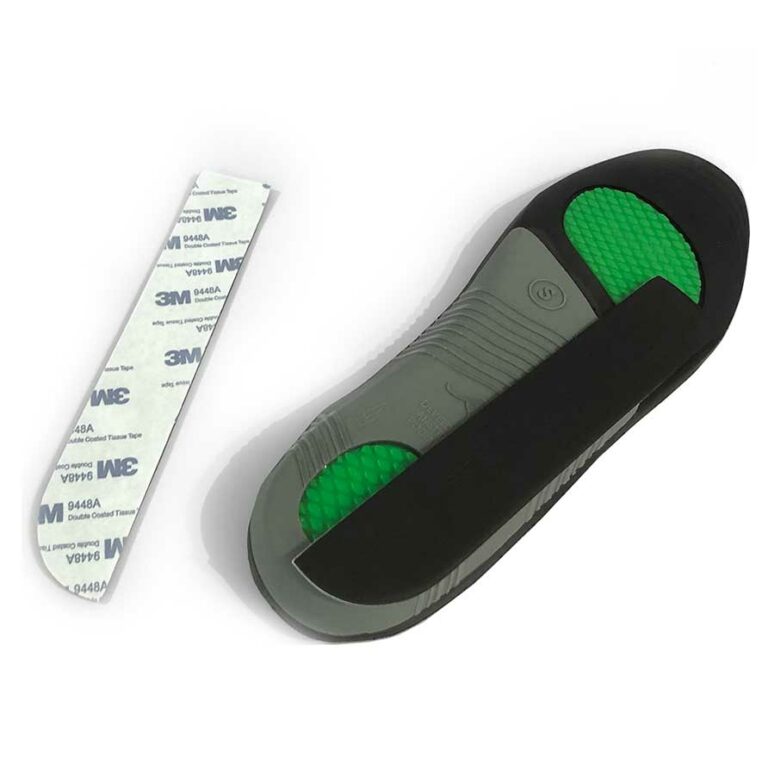
Orthotics is a clinical term for externally applied devices that support, align, prevent, or correct deformities, or improve the function of the musculoskeletal system. In footwear, foot orthotics are inserts placed inside shoes to influence how the foot and ankle move, with goals such as improving biomechanics, redistributing pressure, and reducing pain or fatigue.
Foot orthotics can be prefabricated or custom made from a cast or digital model of the foot, often prescribed when standard insoles are not enough to control symptoms or when more precise correction is needed. They may combine multiple features such as arch support, deep heel cups, posting elements, wedges, and specialized materials to achieve a tailored effect.
Wedge elements are one of several tools used within orthotic design, but a simple wedge insole on its own is usually a more focused device than a full orthotic insert. A comprehensive orthotic might integrate medial or lateral posting, heel wedges, forefoot wedges, and arch structures into one multi‑component device to fine‑tune alignment and motion.
In practice, this means wedge insoles can be seen as belonging to the wider family of orthotic concepts, but they do not represent the entire category. Not all orthotics include wedge components, and not all wedge products provide the complex support and control that a full orthotic can deliver.
Wedge designs vary according to where the extra height is placed and what biomechanical goal the designer is trying to achieve. Typical categories include:
- Lateral wedge products that are thicker on the outer side of the foot to influence alignment and loading, especially for conditions involving medial knee stress or excessive inward knee movement.
- Medial wedge designs that build up the inner side of the foot to help control excessive inward rolling and reduce strain on supporting ligaments and muscles in the foot and lower limb.
- Heel posting wedges positioned under the rearfoot to adjust heel valgus or varus position, improving stability and altering the direction of forces transmitted up the chain.
Each configuration can be combined with cushioning, arch contours, and shell structures to create a more complete insert for everyday wear, work, or sports.
The main differences between wedge insoles and general foot orthotics can be summarized clearly.
| Aspect | Wedge insoles | Foot orthotics |
|---|---|---|
| Main purpose | Create a targeted tilt to change load path in a specific direction | Support, align, and correct overall foot and ankle function |
| Design focus | Extra thickness on one side of heel, midfoot, or forefoot | Multi‑feature design with arches, shells, posts, wedges, and cushions |
| Customization | Often off‑the‑shelf with limited adjustment | Can be prefabricated, semi‑custom, or fully custom from a prescription |
| Typical use cases | Targeted shift of pressure or angle at foot or knee | Broad range of structural and functional foot problems |
| Clinical context | Sometimes clinician‑guided, sometimes retail self‑selection | Commonly evaluated and prescribed by medical or allied health professionals |
Clinicians often consider wedge insoles when changing the angle of the foot can relieve pain or improve movement without immediately resorting to more complex or expensive devices. Situations where wedges may be suggested include:
- Medial knee osteoarthritis where lateral wedge designs help reduce loading on the inner portion of the knee joint during walking.
- Excessive inward or outward rolling of the foot, where medial or lateral posting can assist in controlling motion and improving stability.
- Subtle alignment issues where a simple change in rearfoot or forefoot angle can complement exercises and footwear modifications.
In these cases wedge devices are often part of a broader conservative treatment plan that may include strength work, flexibility programs, and activity modifications.
More comprehensive orthotic solutions may be indicated when an individual has complex structural problems, persistent pain, or multiple regions that need coordinated support rather than a single directional tilt. Examples include:
- Rigid or highly flexible flat feet that affect the entire kinetic chain, requiring more detailed shaping and multi‑directional control.
- Chronic plantar discomfort, forefoot overload, or recurrent overuse injuries that have not responded to simple insoles or wedges.
- Situations where pressure must be carefully redistributed to protect vulnerable areas, such as neuropathic feet or postsurgical conditions.
Custom orthotics allow careful tuning of contour, stiffness, and posting so that the device supports the foot throughout the gait cycle rather than only shifting load in one direction.
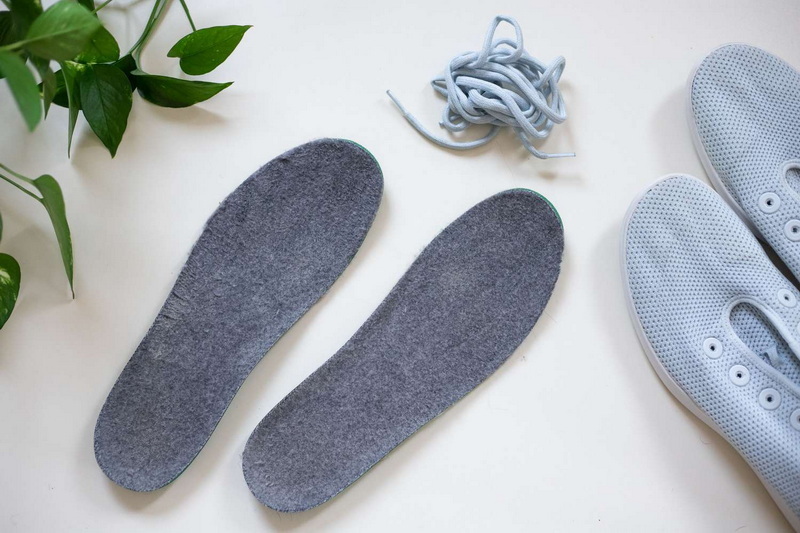
Research on lateral wedge insoles in medial knee osteoarthritis shows mixed but informative findings. Some biomechanical studies report meaningful reductions in knee adduction moments and related loading when wedges are used, while clinical outcomes such as pain and function may improve less predictably.
Comparisons between lateral wedge products and more extensive devices such as ankle‑foot orthoses show that larger devices can reduce knee loading more strongly, but short‑term symptom improvements are not always clearly superior. Other comparative work suggests a trade‑off between the biomechanical efficiency of full‑length wedge insoles and the comfort or ease of use of simpler heel wedges. Overall, the evidence supports wedges as a conservative option, but highlights the need to match device complexity to the individual's condition and tolerance.
In practical use, comfort and user compliance are just as important as biomechanical theory. Even a very effective device on paper will not help if it feels awkward, causes rubbing, or does not fit into common footwear styles.
Wedge insoles tend to be slimmer, lighter, and easier to fit into standard shoes, which can lead to better day‑to‑day wear time for some users compared with more bulky orthotic solutions. On the other hand, well‑designed orthotics that distribute pressure smoothly and support the arch and heel can offer superior long‑term relief for complex problems if the user adapts to them gradually under guidance.
Because each person's anatomy and movement pattern is unique, professional assessment is strongly recommended when deciding between wedges and full orthotics. A clinician can observe gait, test joint motion, and palpate painful areas to identify where support or unloading is needed.
The treatment plan may then follow a stepwise approach: starting with footwear advice and simple insoles, progressing to wedge inserts for more directional control, and moving to semi‑custom or full custom orthotics if simpler measures do not provide adequate relief. This staged method helps control costs while still giving access to more advanced solutions when justified by symptoms and functional goals.
Educational media is very effective for helping customers understand the difference between wedge insoles and orthotics, especially for online buyers who cannot easily consult a specialist in person. Useful formats for brands and factories include:
- Short motion graphics showing how a wedge changes foot angle compared with a flat comfort insert and a structured orthotic with arch support.
- Demonstration clips that overlay alignment lines on the leg to highlight changes in knee and ankle position when wedges or orthotics are added inside the shoe.
- Fitting tutorials that show how to position heel wedges, forefoot wedges, or combined inserts correctly and how to check that the shoe still fits securely.
- Product walk‑through clips that show interior layers of an orthotic insert, explaining where wedges, cushions, and rigid shells are located and what each layer does.
These resources help both individual consumers and professional buyers understand the function of each product category and make more confident choices.
For overseas brands, wholesalers, and footwear manufacturers, partnering with a specialized insole factory in China makes it possible to create a complete product ladder that ranges from simple wedges to advanced orthotic‑style inserts. A capable factory can:
- Develop ranges of lateral and medial wedge designs in different lengths, densities, and angles, tailored to local market guidelines or clinical preferences.
- Integrate wedge concepts into multi‑layer orthotic inserts that include arch structures, heel cups, and top covers for moisture management and comfort.
- Offer sampling and co‑development services so that brands can test various wedge positions and stiffness profiles before finalizing their collections.
- Provide private‑label packaging and educational content that clearly explains to end users when to choose a simple wedge solution and when to step up to more supportive orthotic products.
For a leading Chinese insole manufacturer, this OEM and ODM capability is a key advantage in serving international partners that need both technical performance and strong branding.
Clear product architecture helps guide customers through different levels of support as their understanding and needs evolve. Well‑structured ranges can be organized as follows:
- Entry‑level wedge inserts for light support and simple alignment tweaks, promoted as easy add‑ons for everyday shoes or sports footwear.
- Mid‑tier semi‑orthotic insoles that combine wedges with arch contours and cushioning for users with recurring discomfort or higher activity levels.
- High‑end orthotic‑style inserts, possibly designed in cooperation with clinics, for users with long‑standing or complex biomechanical issues.
By mapping these levels to clear marketing messages, brands can reduce confusion, minimize returns, and improve satisfaction, while factories can plan production and inventory more efficiently.
End users often ask which solution they should try first and how to evaluate the results responsibly. Useful guidance includes:
- Start with footwear: ensure that shoes offer enough room, stable soles, and secure fastening; even the best insert will underperform in unsuitable footwear.
- Consider symptoms: localized knee loading issues with relatively normal foot structure may respond well to lateral wedges, while widespread foot fatigue, arch collapse, or mixed pain patterns may require broader orthotic support.
- Monitor comfort and function over time: small improvements in walking comfort, standing tolerance, or sports performance after regular use can indicate that the chosen device is appropriate; persistent discomfort or new pain suggests a need for reassessment.
- Seek professional input when pain is severe, long‑standing, or associated with other health conditions, since self‑selection of inserts has limits.
These steps empower users while still recognizing the value of expert evaluation.
Wedge insoles and orthotics are related but not identical. Wedge devices use a simple angled design to tilt the foot and shift load in a targeted direction, while orthotics is a broader category of inserts and devices that support, align, and correct overall foot and lower limb function. Both play important roles in conservative management of foot and knee problems, and the best choice depends on the complexity of the condition, comfort, and professional guidance. For brands and OEM partners, understanding this relationship makes it easier to build clear product lines that lead users logically from simple wedges to more advanced orthotic solutions as their needs grow.
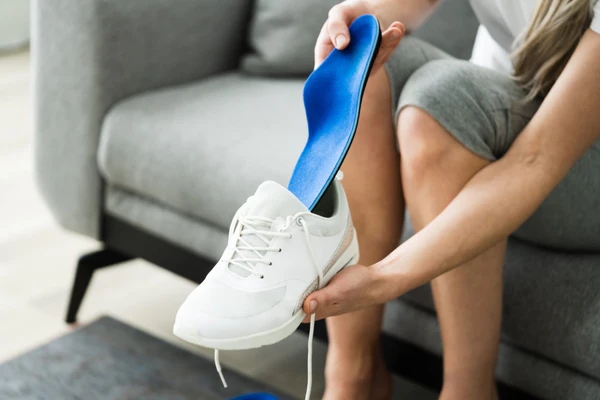
In a broad clinical sense, wedge insoles fall under the umbrella of orthotic concepts because they are external devices that modify how the foot and leg move. In practical product language, they are usually marketed as a simpler subtype of insole rather than as full orthotics, since they generally offer a single, focused correction rather than multi‑feature control.
Wedge insoles are often chosen when the main goal is to shift load or adjust alignment in one direction, such as reducing stress on the inner knee compartment or moderating a particular rolling pattern of the foot. Full orthotics may be more appropriate when the user has widespread structural problems, recurrent injuries, or long‑standing pain that requires more comprehensive shaping and support across the whole foot.
Wedge insoles do not replace diagnosis or individualized treatment plans for foot, ankle, or knee disorders. They are one tool within a broader strategy that can include therapeutic exercises, training modifications, weight management, medications, or other interventions guided by health professionals.
Yes, wedge functions are frequently integrated into custom orthotic designs so that clinicians can fine‑tune the angle, location, and stiffness of posting to match a specific gait pattern or joint issue. Manufacturers and clinics may also adjust prefabricated orthotic shells by adding wedge elements under the heel or forefoot to personalize an otherwise standard device.
Well‑designed off‑the‑shelf wedge inserts can be effective for mild problems and early‑stage conditions, especially when combined with suitable footwear and sensible activity habits. For users with more complex alignment issues or persistent pain, custom or semi‑custom orthotic solutions often provide more consistent and durable results than generic wedges alone.


