
Views: 222 Author: Edvo Publish Time: 2025-12-20 Origin: Site


Content Menu
● Understanding the Function of Insoles
● Understanding Shoe Insole Materials
● The Science Behind the Cleaning Process
● The Risks of Machine-Washing Insoles
>> 2. Glue and Layer Separation
>> 3. Color Fading and Texture Damage
>> 4. Bacterial Growth After Partial Drying
>> 5. Reduced Structural Integrity
● Step-by-Step: The Correct Hand Washing Method
>> Step 2: Prepare a Mild Cleaning Solution
● Deodorizing and Sanitizing Tips
● Eco-Friendly Cleaning and Sustainability
>> Sustainable Cleaning Practices
● Manufacturer's Insight: How OEM Quality Matters
● Preventive Hygiene Practices
● The Future of Washable Insoles
● FAQ
>> 1. Can I wash memory foam insoles in the washing machine?
>> 2. How often should I clean my shoe insoles?
>> 3. Can I use a dryer to speed up drying?
>> 4. What are the best products for cleaning insoles?
>> 5. Are there insoles that are safe for machine washing?
Shoe insoles may look simple, but they greatly influence foot comfort, hygiene, and shoe durability. Whether you wear athletic sneakers, leather shoes, or work boots, insoles absorb moisture, odor, and friction daily. Over time, this build-up leads many people to wonder, “Can I put my shoe insoles in the washer?”
The answer isn't straightforward. It depends on the material, adhesive, and structural design of your insoles. Some may withstand gentle washing, while others can deform or deteriorate quickly. This detailed guide, prepared by a leading OEM shoe insole manufacturer in China, explains the correct cleaning practices, identifies the risks of machine washing, and offers long-term maintenance strategies for maximum durability.
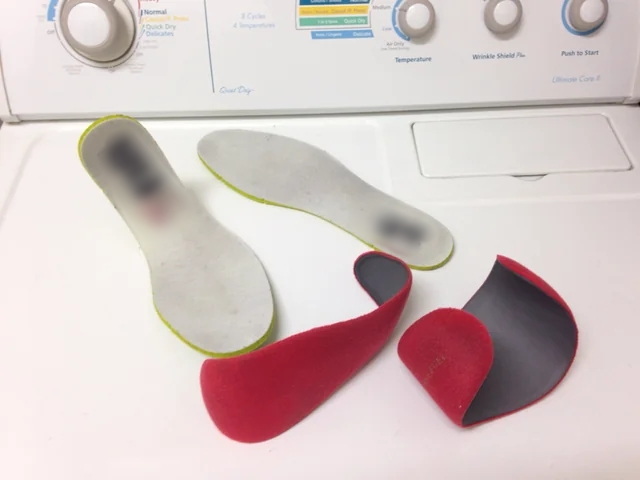
Before discussing cleaning techniques, it helps to understand what insoles actually do and why maintaining them properly matters. Insoles serve more than just comfort—they contribute to performance and health.
- Shock absorption: They reduce the impact of walking, running, or jumping, protecting joints and muscles.
- Support and alignment: Orthotic insoles help align the foot and ankle, improving posture and reducing fatigue.
- Moisture management: Many modern insoles use breathable foams and fabrics to wick sweat and prevent odor.
- Customization: Premium or medical-grade insoles are tailored to specific arch types or pressure zones.
Because they absorb sweat, pressure, and body weight daily, it's natural for insoles to get dirty and emit odor over time. Proper cleaning doesn't just improve appearance; it maintains hygiene and comfort while protecting the underlying material.
Each insole type has different characteristics. Knowing your insole's material composition helps determine whether machine washing is safe or not.
1. EVA (Ethylene Vinyl Acetate) Foam: Lightweight and shock-absorbing but can lose elasticity if exposed to high heat or harsh detergents.
2. PU (Polyurethane) Foam: Offers better durability but is sensitive to strong chemicals and spinning forces.
3. Latex Foam: Soft and comfortable but porous, which means it can trap water and develop bacteria if over-soaked.
4. Gel or Silicone Pads: Deliver premium comfort and support but should never go into a washer, as they can rupture or detach.
5. Leather: Elegant and breathable but vulnerable to cracking and discoloration when submerged.
6. Memory Foam: Provides excellent cushioning but deforms permanently if compressed or heated during machine washing.
7. Orthopedic/Custom Insoles: Often made from thermoplastic or carbon fiber. They require precise cleaning methods to protect the molded shape.
The variety of materials explains why one universal cleaning solution doesn't exist for all insoles.
To understand why washing machines can harm insoles, it's useful to consider what happens during a washing cycle.
A typical machine wash involves mechanical agitation, rotational spinning, and exposure to detergents and warm water. While effective for clothing fibers, this process can stress soft foam and adhesives used in insoles. Tiny air pockets collapse, adhesive bonds weaken, and structural layers separate. Even if the insole looks fine initially, the internal materials may already be compromised, leading to reduced lifespan and comfort loss.
Drying also plays a significant role. High heat can warp the foam or shrink fabric layers, and incomplete drying leaves moisture that fosters bacterial growth.
Although throwing insoles into the washer feels convenient, the side effects often outweigh the benefits. Below are common consequences.
Rotational movement and water exposure cause foam and leather to swell unevenly. Once dry, the insole may feel lumpy or too tight in some areas, affecting balance and comfort.
Many insole designs use pressure adhesives to attach top fabrics to the foam or gel base. Extended washing weakens these bonds, leading to peeling or delamination.
High-temperature washing can fade printed logos, peel protective coatings, or roughen anti-slip textures.
If the inner layers remain damp, they become an ideal environment for bacteria, causing persistent odors and even fungal infections.
The cushioning foam or gel pads lose resilience, shortening the effective lifespan of the insole. Once compression points appear, comfort is permanently compromised.
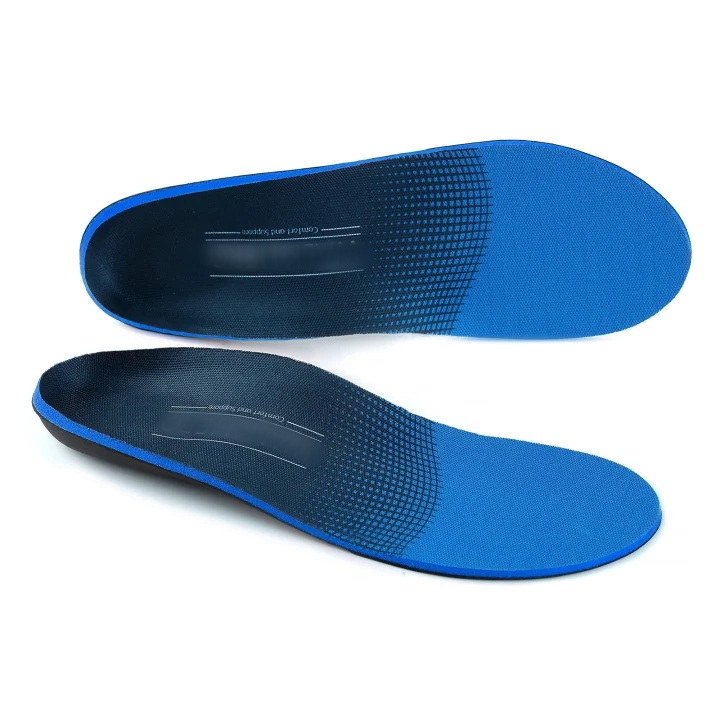
Hand cleaning remains the most reliable method for most insole types. It maintains hygiene and structure with minimal risk.
Take out the insoles from your shoes. Check for severe damage—if the foam is crumbling or flat, replacement may be a better option than cleaning.
Fill a basin with lukewarm water (about 35°C). Add mild detergent or antibacterial liquid soap. Avoid bleach or alcohol-based products.
Use a soft brush, sponge, or microfiber cloth to scrub dirt and sweat stains from both sides. Pay extra attention to the heel and toe areas where bacteria accumulate.
Use clean water to remove all soap residues. Any leftover detergent may irritate your skin or attract more dirt during use.
Pat dry with a towel, then allow the insoles to air-dry completely in a ventilated, shaded area. Avoid direct heat sources such as hairdryers, irons, or sunlight exposure.
Performing this process once every one to two weeks helps maintain cushion softness and hygiene.
Even clean-looking insoles can hold hidden odor and bacteria. Here are proven ways to keep them fresh.
- Baking soda treatment: Sprinkle a light layer overnight to absorb moisture and neutralize odor, then brush off the residue.
- White vinegar solution: Mix vinegar with water and lightly wipe the surface to kill bacteria naturally.
- Disinfectant spray: Use a quick-drying shoe spray after intensive workouts or long hours of use.
- Essential oil refresh: Add a drop of tea tree or lavender oil after drying for natural freshness.
These eco-friendly solutions avoid chemical damage while preserving material integrity.
In recent years, both consumers and manufacturers have become more aware of environmental impact. Eco-friendly insole maintenance supports sustainable use and reduces waste.
- Use biodegradable detergents that don't harm water systems.
- Wash multiple pairs together in one cleaning session to save energy and water.
- Extend insole lifespan through preventive care instead of frequent replacement.
- Consider organic natural insoles or replaceable liners made from recycled materials.
From a sustainability standpoint, washing machine cycles consume far more water and electricity than manual cleaning. Hand-washing keeps your ecological footprint lower while preserving product quality longer.
Professional insole manufacturers design products differently depending on brand requirements, comfort level, and target market. As one of China's top OEM shoe insole suppliers, we've observed how design affects cleaning performance.
1. Adhesive quality: High-grade heat-resistant adhesive maintains structure during cleaning.
2. Surface fabric texture: Breathable, anti-bacterial mesh fabrics dry faster and resist odor.
3. Foam density: Medium-density foam resists deformation better than low-density versions.
4. Top cover coating: Some high-end insoles use washable coatings that retain shape after gentle rinsing.
When collaborating with international brands, OEM manufacturers integrate these features into product design to ensure both performance and cleanability—reducing the temptation of using harsh cleaning methods.
Even experienced users often unknowingly damage their insoles during cleaning. Avoid these pitfalls:
- Soaking for too long: Long soaking breaks down foam cells, causing the insole to lose elasticity.
- Using boiling water: High temperature alters the structure and shrinks adhesive layers.
- Ignoring drying time: Wearing damp insoles leads to foul odor and foot discomfort.
- Using rough brushes: Coarse bristles can tear fabric surfaces.
- Storing in closed environments: Lack of ventilation promotes bacterial accumulation.
Following these guidelines ensures your insoles remain in top condition longer.
Even with proper maintenance, every insole has a limited lifespan. Signs of wear can indicate it's time for a new pair.
- The heel cushion becomes flat and hard.
- Visible cracking or crumbling along the edges.
- Odor persists despite repeated cleaning.
- The insole no longer fits snugly in your shoe.
- Surface fabric begins to peel or discolor.
Generally, replace standard insoles every 3–6 months, or sooner for athletes and heavy users. High-quality orthotic insoles may last longer with careful handling.
Maintaining clean insoles isn't just about washing—it's about creating a healthier environment for your feet.
- Remove your insoles after long wear to let them air out overnight.
- Rotate between multiple pairs of shoes and insoles to allow sufficient drying time.
- Always wear clean socks made from breathable materials like cotton or bamboo fiber.
- Store your shoes in a cool, ventilated space rather than closed cabinets.
By integrating these small habits into your daily routine, your insoles will stay fresher and last longer.
Innovation in the shoe accessories industry is making it easier to balance cleanliness and convenience. Some brands now offer machine-washable insoles made from engineered synthetic fabrics and hydrophobic foams. These materials resist water absorption while preserving cushioning.
Smart fabrics with silver-ion or copper-ion finishes are also becoming popular. They naturally combat bacterial growth, reducing odor without traditional cleaning. In the coming years, washable and modular insole systems will likely become more common—especially for sports and lifestyle footwear brands partnering with OEM manufacturers focused on sustainability.
So, can you put your shoe insoles in the washer?
For most insoles, the answer is no. Machine washing carries significant risks, including deformation, adhesive failure, and bacterial contamination. The safest and most effective method remains gentle hand washing using mild soap, followed by careful air drying.
By understanding the material science behind insoles and applying hygienic maintenance routines, you preserve their structure and comfort for months longer. Professional OEM manufacturers emphasize that good care equals better performance—whether for daily wear, sports, or medical applications.
Clean, dry, and properly maintained insoles not only feel better but also support your overall foot health with every step.

No. Memory foam insoles deform easily under spin cycles and heat. Always hand-wash them with mild detergent and let them air-dry naturally.
If you use your shoes daily, wash or deodorize your insoles every one to two weeks. For athletic or heavy-duty use, weekly cleaning is recommended.
No. Dryers and direct sunlight can warp or shrink foam layers. The safest drying method is air-drying in a shaded, well-ventilated area.
Mild detergents, antibacterial sprays, or homemade solutions such as vinegar and baking soda work best. Avoid bleach or alcohol that damage adhesives.
Yes, some modern insoles use hydrophobic synthetic materials designed for machine cleaning. Always read the manufacturer's care label before washing.


