
Views: 222 Author: Edvo Publish Time: 2025-12-05 Origin: Site


Content Menu
● How Orthotics Interact with Boot Design
● Boot Styles That Usually Work Well with Orthotics
● Boot Styles That Can Be Difficult for Orthotics
● Choosing Orthotic Profile for Different Boot Volume
● Sizing Orthotic Insoles for Boots
● Step‑by‑Step Guide to Fitting Orthotics in Boots
● Gradual Adjustment Period for New Orthotics in Boots
● Material Choices and Boot Feel
● When to Seek Professional Advice for Boot–Orthotic Fit
● How a Dedicated Insole Manufacturer Can Support Boot Brands
● FAQ
>> 1. Can I move the same orthotic between different boots?
>> 2. Do I need to remove the original boot insole before using orthotics?
>> 3. What if my boots feel too tight with orthotics?
>> 4. Are custom orthotics always better for boots than off‑the‑shelf insoles?
>> 5. How long do orthotic insoles last in boots?
Orthotic insoles can work in many boots, especially when the design offers enough depth, a removable footbed, and a stable base. They are not suitable for every single boot, so it is important to check fit, volume, and comfort each time.
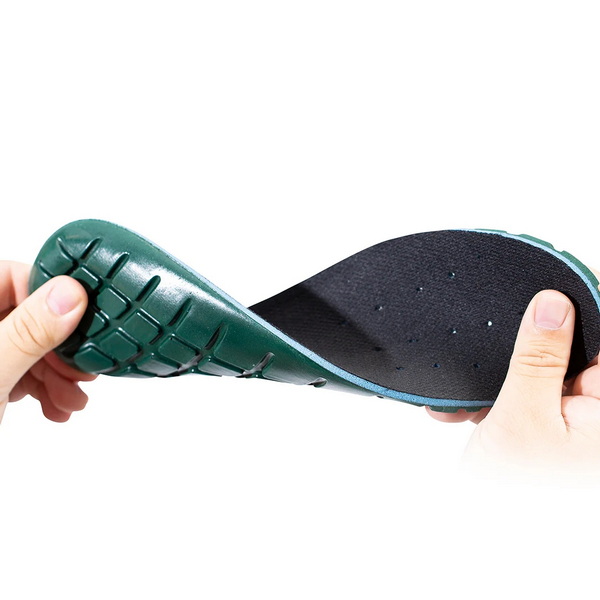
Orthotic insoles are structured inserts that support the arch, stabilize the heel, and guide foot alignment during walking or standing. They help redistribute pressure, reduce strain on ligaments and joints, and are often used for conditions such as flat feet, plantar fasciitis, and overpronation.
Compared with simple cushioning pads, orthotic designs tend to be more contoured and use firmer materials in key zones like the arch and heel. This technical shape is why shoe and boot compatibility is so important for comfort and performance.
Every boot has a specific internal shape and volume that interacts with the insert and your foot. Orthotic insoles need a relatively flat and stable platform so they can sit securely without rocking or curling.
Key interaction points include:
- Depth: Deep interiors allow enough room for both the insert and your foot without pressure on the top.
- Width: Adequate width prevents the sides of the insert from buckling and keeps the arch area centered under your foot.
- Heel counter: A firm, cupped heel area works with the orthotic heel cradle to keep the rearfoot stable.
When these elements match well, your orthotic can deliver full support and the boot continues to feel stable and secure.
Some boots are naturally good partners for orthotic insoles because they are built with support and depth in mind.
These include:
- Work and safety styles with removable liners and solid midsoles, designed for long hours on hard surfaces.
- Hiking and outdoor styles, which often have roomy forefoot areas and lacing systems that hold the foot firmly over the insole.
- Casual ankle styles and some everyday models with flat, removable footbeds and moderate depth.
Many modern designs in these categories are marketed as compatible with custom or aftermarket insoles, which makes them easier to pair with orthotics.
Other styles are much less forgiving because they do not provide enough volume or use built-in shaping that conflicts with an insert.
More challenging options include:
- Slim or pointed fashion styles with very low volume over the toes and arch.
- Models with fixed, heavily contoured footbeds that cannot be removed and leave little space for an additional layer.
- Very tight or narrow designs, where any extra thickness lifts the foot and causes rubbing at the top, sides, or heel.
Orthotic insoles can still work in some of these, but they often need to be slimline or shorter to avoid discomfort.
Matching orthotic volume to boot volume is one of the most useful fit strategies. Inserts are commonly described as high, medium, or low volume, and these labels roughly correspond to how much space they take inside footwear.
General guidelines:
- High-volume inserts are better for deep work and hiking styles that have generous space for both orthotic and foot.
- Medium-volume inserts suit many casual and everyday models that are not extremely tight but not oversized either.
- Low-volume or slimline inserts are ideal for tighter, narrower boots where space is limited.
Selecting the right profile helps prevent crowding, toe pressure, and heel lift while still giving you beneficial support.
In most cases, orthotic insoles are chosen to match the same nominal size as the boot, so they fill the interior properly from heel to toe. Many products are trimmable along the front edge, allowing users to fine-tune the shape to match the original liner.
Sometimes a slightly larger boot size is necessary, especially when the orthotic has thick cushioning or high arch contours that increase internal bulk. If the boot already fits snugly without an insert, sizing up or choosing a slimmer insert can prevent tightness and rubbing.
A careful fitting routine improves both comfort and support when combining orthotics with boots.
Practical sequence:
- Remove the existing footbed from the boot so that the orthotic sits directly on the midsole.
- Place the orthotic inside and ensure the heel is fully seated against the back.
- Check that the insert lies flat from heel to toe, with no waves or lifted edges.
- Try the boots on with your usual socks, fastening laces or closures as you normally do.
- Walk on a firm surface and pay attention to pressure under the arch, at the toes, and around the heel and ankle collar.
If any area feels pinched, unstable, or excessively tight, adjust by trimming the front, choosing a thinner insert, or using a roomier boot.
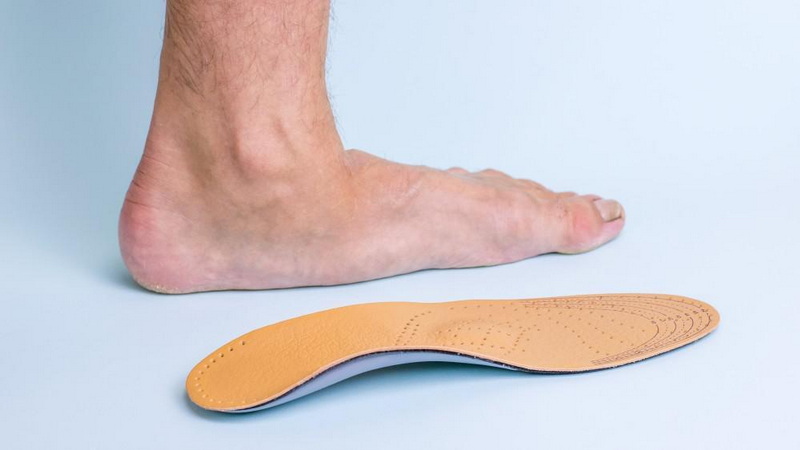
Feet and legs need time to adapt to the new support pattern created by orthotic insoles. Jumping directly into full‑day use can sometimes cause temporary discomfort because muscles and joints are working differently.
A gradual schedule works better:
- Start with shorter wear periods during low‑demand activities.
- Increase the duration over several days as the feet adapt to the new alignment and pressure distribution.
- Monitor for persistent pain in ankles, knees, hips, or lower back, and seek guidance if discomfort does not ease.
This progressive approach helps you enjoy the benefits of support without overwhelming the body.
Orthotic performance is influenced by materials such as foam, gel, cork, leather, and various plastics or composites. Each material blend changes how firm or soft the boot feels underfoot.
Common patterns:
- Firmer shells with softer top covers provide stable support with some cushioning, which suits demanding work and outdoor use.
- Softer, more cushioned designs focus on comfort and shock absorption but may provide less motion control.
- Slimline designs use denser but thinner materials to save volume while still offering noticeable support.
Choosing appropriately for the boot and activity helps maintain both comfort and durability.
Certain situations call for input from a podiatrist, orthotist, or experienced footwear fitter. This is especially true if you have complex medical issues or if pain continues after basic adjustments.
Professional help is important when:
- You have long‑standing pain related to conditions like flat feet, severe pronation, or diabetic foot problems.
- Boots are required for safety or work regulations and cannot be easily changed, but orthotics are medically advised.
- You are using high‑performance or specialist designs such as protective work or technical outdoor footwear.
Specialists can recommend specific insert shapes and boot types, helping you avoid costly trial and error.
For overseas brands, wholesalers, and producers that sell boots, working with a dedicated insole manufacturer allows you to create support systems tailored to your target customers. It becomes possible to harmonize boot shape, internal volume, and insole design so that end users enjoy comfort straight out of the box.
Custom projects can:
- Match arch height and heel shape to common foot profiles in your key markets.
- Offer different thickness options to suit heavy‑duty work styles, outdoor models, and casual wear.
- Integrate breathable, moisture‑managing top layers that keep the interior more comfortable over long shifts or hikes.
By aligning boot construction with carefully developed inserts, your brand can promote complete comfort solutions instead of treating the boot and insole as separate items.
Orthotic insoles can be used in many different boots, but not every boot will be a perfect match. Success depends on internal depth and width, removable footbeds, stable construction, and choosing an orthotic profile that suits the boot's volume.
By checking fit carefully, selecting appropriate sizes and materials, and allowing an adjustment period, most users can enjoy the combined benefits of supportive boots and well‑designed orthotic insoles. For brands and wholesalers, collaborating with a specialist insole factory makes it easier to deliver integrated comfort and support to customers who rely on boots every day.
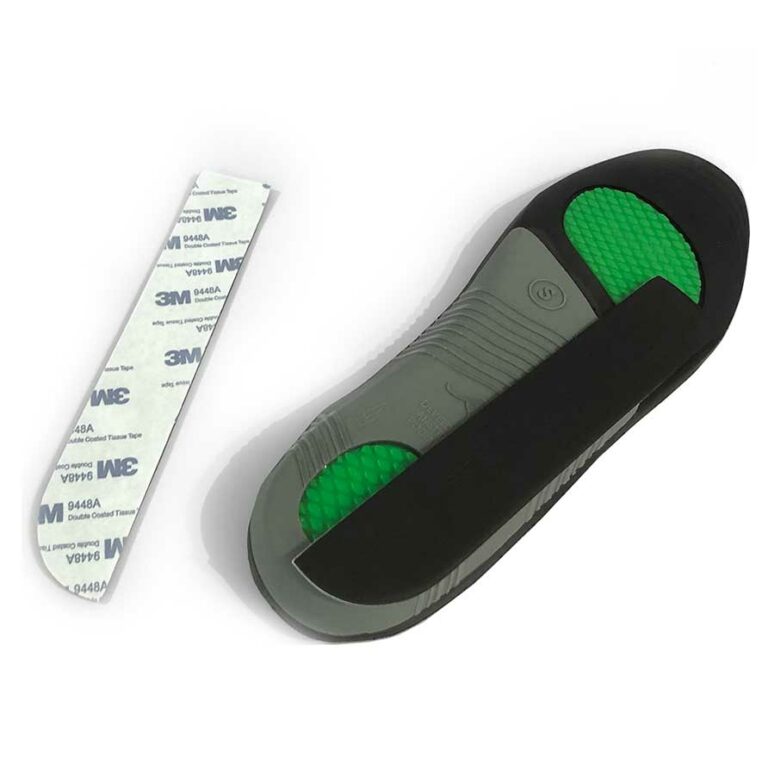
It is often possible to move the same orthotic between boots of similar depth and shape, such as several work or hiking pairs. When there are big differences in volume or width, separate orthotics or different thicknesses may be needed to maintain comfort and support.
In most situations you should remove the original boot liner so that the orthotic sits directly on the midsole. Stacking inserts usually makes the fit too tight and can distort the way the arch and heel are supported.
Tightness means the insert is taking up more space than the boot comfortably offers. You can try a slimmer, low‑volume orthotic, choose a boot with more depth, or move up a size to regain a relaxed but secure fit.
Custom designs provide precise support and are recommended for specific medical conditions or very demanding workloads. High‑quality off‑the‑shelf insoles can still deliver excellent results for many users when paired with suitable boots and correct sizing.
Service life depends on material quality, body weight, and how many hours the boots are worn each week. Regularly inspect the inserts for flattening, cracking, or loss of support and replace them when they no longer feel stable or comfortable.


