
Language
Views: 222 Author: Edvo Publish Time: 2025-11-27 Origin: Site


Content Menu
● Understanding Hip Pain And Lower‑Limb Alignment
● How Orthotic Inserts Work For Hip Pain
● Key Benefits Of Orthotic Inserts
>> Better Pressure Distribution
>> Shock Absorption And Comfort
● Types Of Orthotic Inserts For Hip Pain
>> Prefabricated (Off‑The‑Shelf) Inserts
>> Functional vs. Accommodative Designs
● When Orthotic Inserts Are Most Helpful
● Using Orthotic Inserts Correctly
● Combining Orthotic Inserts With Other Treatments
● Practical Tips For Selecting Orthotic Inserts
● OEM Opportunities For Orthotic Inserts Targeting Hip Pain
● FAQ
>> 1. Do I Need Custom Orthotics Or Are Prefabricated Inserts Enough?
>> 2. How Long Before Orthotic Inserts Start To Help Hip Pain?
>> 3. Can Orthotic Inserts Make Hip Pain Worse?
>> 4. Are Orthotic Inserts Enough Without Exercise Or Therapy?
>> 5. What Kind Of Shoes Should I Use With Orthotic Inserts For Hip Pain?
Orthotic inserts can help many people with hip pain by improving lower‑limb alignment, distributing pressure more evenly, and reducing shock with every step. When designed and used correctly, they support the feet so that the knees, hips, and lower back move in a more natural and efficient way, which may ease discomfort and improve mobility over time.
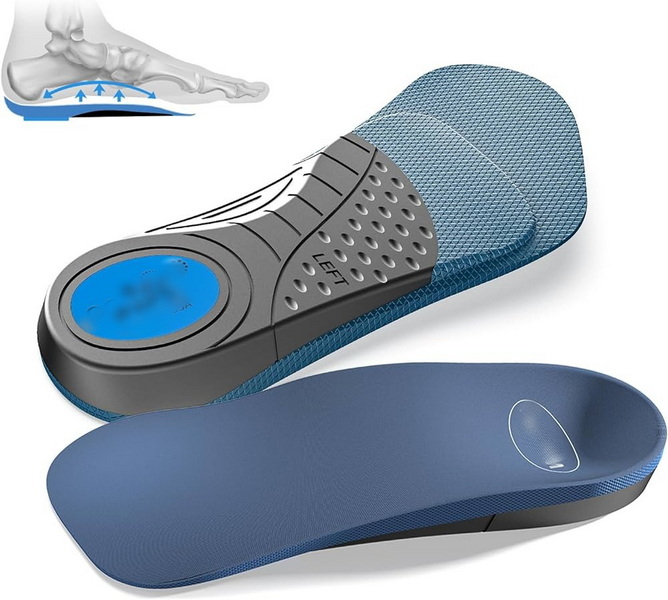
Hip pain often develops gradually and is closely related to how the entire lower limb moves from the feet up to the pelvis and spine. When the foot rolls in too much, collapses at the arch, or is unstable, the leg may twist inward and the hip joint can be forced to work at a poor angle for thousands of steps every day.
Over months or years, this abnormal loading can irritate the hip joint surfaces, tendons, and muscles, leading to stiffness, aching, and fatigue during walking, standing, or sports. Orthotic inserts target this problem at the ground level, helping to realign the chain from the foot to the hip so that forces are handled more efficiently.
Orthotic inserts are shaped devices placed inside the shoe that change how the foot contacts the ground. A well‑designed insert supports the arch, stabilizes the heel, and gently guides the foot as it rolls from heel strike to toe‑off, reducing excessive inward or outward rolling.
When the foot is more stable, the knee tracks more smoothly and the hip does not need to twist and compensate as much. This can reduce strain on hip cartilage and surrounding soft tissues, limit overload to certain areas of the joint, and make walking feel smoother and less tiring.
A major benefit of orthotic inserts is improved alignment from the ground up. By lifting and supporting a collapsing arch or controlling excessive pronation, an insert can bring the ankle into a more neutral position. As a result, the knee tends to follow a straighter path and the hip sits closer to its ideal mechanical position during movement.
This improvement in alignment may not be dramatic to the eye, but even small changes in angles can significantly reduce cumulative stress on the hip joints over thousands of steps per day. Over time, this can help relieve discomfort and slow the progression of some overuse‑related pain patterns.
Orthotic inserts also help redistribute pressure across the bottom of the foot. Instead of loading a small area heavily with each step, a contoured insert spreads the force over a broader surface. When pressure under the foot becomes more even, peak forces travelling up through the hips can be reduced.
This is especially important for people who stand or walk on hard floors for long hours or who are overweight, because every extra unit of force multiplies through the legs and hips. Better pressure distribution can make standing and walking more comfortable and reduce end‑of‑day hip fatigue.
Modern orthotic inserts often combine a supportive shell with cushioning foams, gels, or other shock‑absorbing materials. This combination helps dampen impact at heel strike and push‑off, so the hips and spine receive less jarring force with every step.
Enhanced cushioning, especially under the heel and forefoot, contributes to overall comfort and can make it easier to stay active. For people with hip pain, comfortable movement is essential because regular gentle activity supports joint nutrition, maintains muscle strength, and prevents stiffness.
Prefabricated orthotic inserts are mass‑produced insoles with built‑in arch support, heel cups, and varying levels of cushioning. They are widely available and more affordable than fully custom devices, making them a practical starting point for many people with mild to moderate hip discomfort linked to foot mechanics.
High‑quality prefabricated inserts can offer substantial support and may be sufficient for people with typical flat feet or mild overpronation. Choosing a design that matches the arch height, foot shape, and intended activity (walking, work, running) is important for comfort and effectiveness.
Custom orthotics are made from a cast, 3D scan, or digital impression of the individual's feet and are prescribed after a professional assessment. They are designed to address specific alignment problems, pressure points, or leg length differences and can provide targeted support for complex hip‑related issues.
Because they are tailored to personal anatomy and walking style, custom inserts can offer more precise control of foot motion and load transfer. They are often recommended for long‑standing hip pain, significant deformities, or when prefabricated insoles have not provided enough relief.
Functional orthotic inserts focus on controlling motion and correcting mechanical problems such as excessive pronation or supination. They are typically firmer and used when altered movement patterns play a major role in hip, knee, or back pain.
Accommodative inserts prioritize cushioning and pressure relief, using softer materials to protect sensitive areas and enhance comfort. In some cases, blended designs combine firm support in key zones with softer layers for better shock absorption and long‑term wearability.
Orthotic inserts tend to be most effective for hip pain when:
- There is obvious flatfoot, overpronation, or poor foot posture visible when standing or walking.
- Hip pain worsens after long periods of walking or standing and improves with more supportive footwear.
- Pain appears along a chain of joints, such as feet, knees, hips, or lower back, suggesting a common mechanical cause starting at the feet.
- The person frequently uses hard surfaces at work or during exercise, such as concrete floors, which increase repetitive impact through the hips.
In these situations, improving the stability and alignment of the feet can significantly reduce the compensations that overload the hips. Inserts are especially helpful when combined with changes in footwear and activity management.
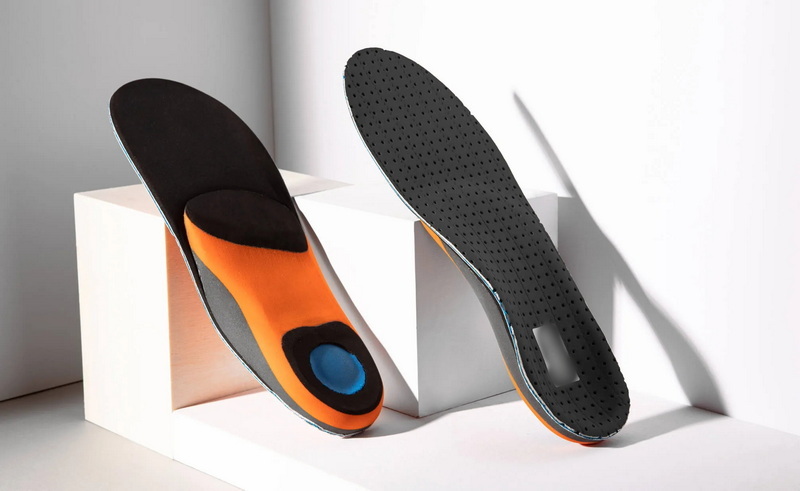
New orthotic inserts change how forces move through the feet and legs, so the body needs time to adapt. A gradual break‑in schedule is usually best, starting with short wear times and increasing over several days. This approach allows muscles and joints to adjust without becoming overly sore.
If discomfort is mild and improves after removing the inserts, it may simply be part of the normal adaptation phase. Strong or persistent pain, especially in new areas such as the knees or hips, is a signal that the fit or design may need adjustment.
The best results come when orthotic inserts are paired with supportive shoes. Footwear should have a firm heel counter, adequate midsole support, and removable factory insoles to create enough space for the orthotic device.
Shoes that are too soft, too flexible, or very tight can limit the performance of the insert and sometimes worsen alignment problems. For hip pain, combining a well‑designed insert with properly fitted, supportive shoes is usually more effective than either element alone.
Orthotic inserts are most powerful when used as part of a comprehensive hip‑care strategy, not as a stand‑alone fix. Important complementary approaches include:
- Strengthening exercises for the hip, gluteal, and core muscles to provide better dynamic support around the joint.
- Stretching of tight muscle groups, particularly hip flexors, hamstrings, and calves, to allow more natural movement without compensations.
- Activity modification, such as reducing high‑impact sports temporarily, changing running surfaces, or breaking long standing periods into shorter intervals.
- Weight management, where appropriate, to reduce the overall load travelling through the hips and lower limbs.
By addressing both the mechanical foundation at the feet and the muscular support around the hips, people are more likely to experience lasting improvement and reduced flare‑ups.
When considering orthotic inserts for hip pain, the following practical points can help:
- Look for contoured designs that match your arch height rather than completely flat foam pads.
- Check that the insert fills the shoe without sliding, bunching, or lifting the foot so much that the heel slips out.
- Test the inserts in the shoes you use most for work or daily walking, not just in store samples.
- Pay attention to comfort during the first few days; there should be firm support but no sharp pressure points or rubbing areas.
If hip pain is severe, lasts for a long time, or is combined with significant stiffness, night pain, or weakness, professional evaluation is essential. A clinician can identify whether orthotic inserts are suitable and which style is likely to help most.
For international brands, wholesalers, and manufacturers, partnering with a specialized insole OEM allows the development of product lines tailored to hip‑support needs. Design features can include deeper heel cups for stability, reinforced medial arches for pronation control, and zoned cushioning to manage impact.
Materials such as EVA, PU, rubber, and advanced foams can be combined to balance durability, rebound, and comfort for different markets, from everyday comfort insoles to sport‑oriented orthotic inserts. With flexible production, OEM partners can also offer multiple density options, size runs, and branding solutions to meet diverse customer segments.
As consumer awareness of the link between foot posture and hip or back pain grows, well‑engineered orthotic insole ranges give buyers a strong value proposition. Reliable manufacturing, consistent quality control, and customizable packaging help overseas partners build trustworthy brands and long‑term customer loyalty.
Orthotic inserts can play a meaningful role in reducing certain types of hip pain by supporting the arches, stabilizing the heel, improving lower‑limb alignment, and cushioning every step. They are especially helpful when hip discomfort is connected to flat feet, overpronation, long hours on hard surfaces, or a combination of pain in the feet, knees, hips, and back.
However, orthotics are not a universal cure. Their effectiveness depends on correct assessment, appropriate design, proper footwear, and consistent use over time. For long‑term relief and better joint health, orthotic inserts work best alongside targeted strengthening, stretching, activity adjustments, and, when needed, professional medical guidance.
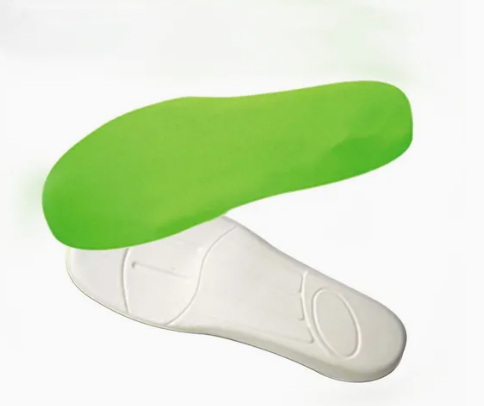
People with mild to moderate hip pain related to flat feet or overpronation often do well with high‑quality prefabricated inserts, especially if they choose models that match their arch height and activity level. Custom orthotics are usually reserved for complex foot shapes, significant leg length differences, or cases where standard insoles have not provided sufficient relief.
Some people feel changes within a few days, such as better comfort when standing or reduced fatigue at the end of the day. For more established hip problems, it can take several weeks of regular wear combined with exercises and lifestyle adjustments before clear, lasting improvements appear.
If an insert is the wrong shape, too hard, or poorly positioned, it can shift stress to other joints and temporarily aggravate hips, knees, or feet. If pain increases significantly or new pain appears after starting inserts, it is important to check the fit, review the break‑in schedule, and, if needed, consult a professional for modification or replacement.
In most cases, no. Orthotic inserts correct mechanical issues at the foot level but do not replace the need for strong and flexible muscles around the hips and core. Combining orthotics with strengthening, stretching, and appropriate activity gives the best chance of reducing pain and preventing future problems.
Supportive shoes with removable factory insoles, a firm heel counter, and enough internal depth to accommodate the orthotic usually work best. Very soft, minimal, or extremely tight shoes may prevent the insert from working properly and reduce its ability to stabilize the feet and protect the hips.


