
Views: 222 Author: 3BU Technology Publish Time: 2026-05-18 Origin: Site


Carbon fiber insoles and rebound foam insoles each solve a different problem in high‑impact basketball: carbon fiber maximizes rigidity and energy transfer, while rebound foam prioritizes cushioning and impact protection. The smartest setup for serious players is rarely "either–or", but a deliberate balance between a stiff carbon platform and tuned, high‑rebound foam—especially when you work with an OEM partner who can customize the stack for your playing style. [treadlabs]
High‑impact basketball loads your feet with thousands of jumps, cuts and landings per game, so insole construction directly shapes performance, fatigue and injury risk. For brands and OEM buyers, the real question is not "Which is better?" but "How do we specify the right mix of carbon fiber and rebound foam for our target athlete profile?". [pubmed.ncbi.nlm.nih]
As a manufacturing‑side product strategist working with global basketball brands, I see the same pattern: elite players gravitate toward carbon‑reinforced platforms, while mass‑market lines lean on thicker foams for comfort and perceived cushioning. This article breaks down the science, on‑court experience, and OEM design choices behind both materials—so you can brief your factory partners with confidence. [vktry]

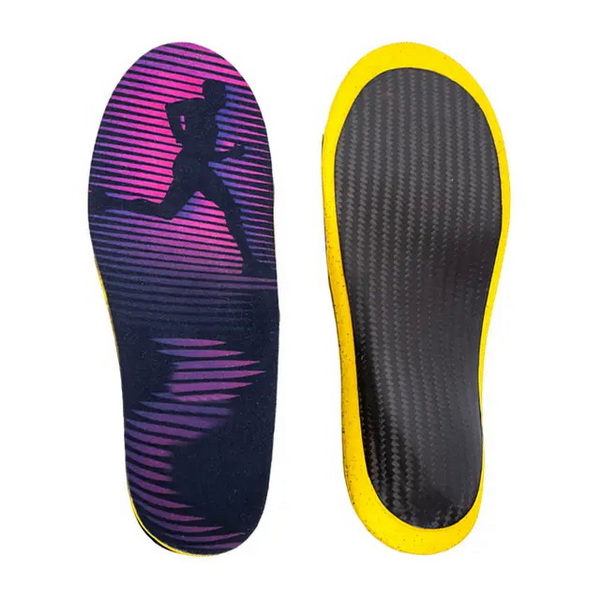
Carbon fiber insoles are ultra‑light plates or shells that sit under the foot to stiffen the shoe and improve energy transfer. Carbon fiber's extremely high strength‑to‑weight ratio (borrowed from aerospace and pro sports) lets you build a thin but very rigid structure that resists bending during push‑off. [treadlabs]
Key characteristics of carbon fiber insoles in basketball:
- High rigidity to support the arch and control forefoot bending.
- Energy return as the plate stores and releases mechanical energy during jumps and sprints. [vktry]
- Shape stability that does not collapse or compress like foam over time. [treadlabs]
- Lightweight construction, helping keep total shoe mass down. [treadlabs]
On‑court, players usually describe carbon plates as "snappy", "explosive", or "responsive" rather than "soft". [insiteinsoles]
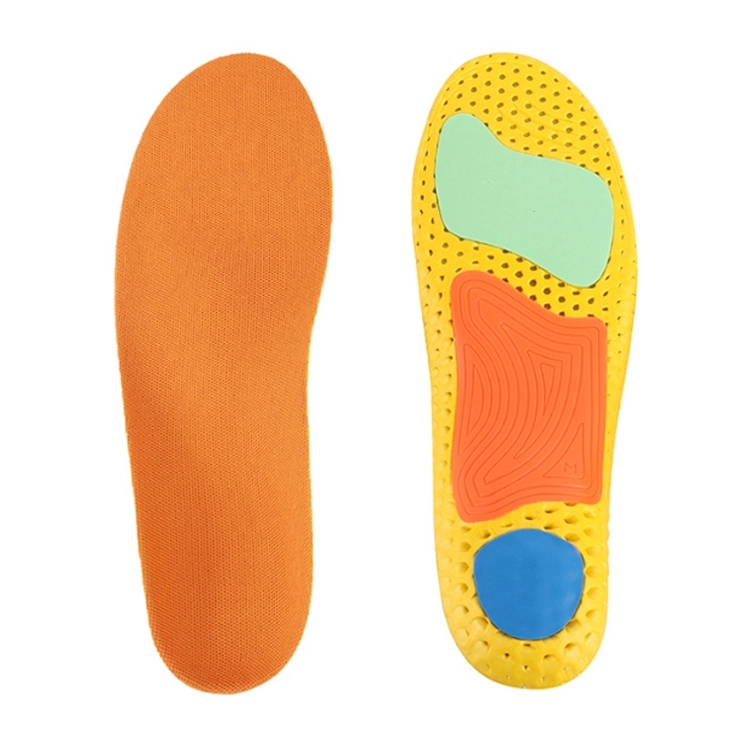
Rebound foam insoles use high‑resilience foams (such as PU, EVA, or ETPU) engineered to compress under load and then spring back quickly. Unlike basic comfort foam, these materials are designed to offer both cushioning and energy return instead of just softness. [insiteinsoles]
Typical traits of high‑rebound foam for basketball insoles:
- Impact absorption to reduce peak forces during landings.
- Elastic "bounce" with 50–60%+ resilience reported for modern poured PU and ETPU systems. [insiteinsoles]
- Improved comfort perception for most recreational players. [researchandmarkets]
- Tunability via thickness, density and hardness for different positions or body weights. [researchandmarkets]
The trade‑off: foam always works by deforming, so it gradually loses thickness and consistency with heavy use. [vktry]
Basketball performance is multi‑factor. Research has shown:
- Increasing outsole traction had the largest impact on sprint, jump and cutting performance; cutting improved when traction rose by 20%. [pubmed.ncbi.nlm.nih]
- Forefoot bending stiffness (which carbon fiber plates strongly affect) produced a moderate but real improvement in sprint and cutting performance. [pubmed.ncbi.nlm.nih]
- Shoe mass had little effect in one study, but when athletes were told which shoes were lighter, perceived lightness gave them about a 2% boost in jumping and cutting performance—a psychological benefit brands can market. [pubmed.ncbi.nlm.nih]
In other words, rigidity in the right zone (forefoot) can support faster cuts and more efficient push‑off, but traction and athlete perception are equally crucial. [pubmed.ncbi.nlm.nih]
Hard landings from rebounds and drives expose players to high impact forces at the heel and midfoot. High‑rebound foams can spread and reduce peak impact, decreasing perceived fatigue and discomfort over long sessions. [scholarsjunction.msstate]
However:
- Over‑soft, low‑resilience foam can bottom out, increasing instability and delayed muscle activation.
- In contrast, carbon fiber plates limit excessive pronation and help maintain alignment, which may reduce stress up the kinetic chain. [vktry]
From an expert UX perspective, the sweet spot is usually a rigid carbon shell plus calibrated rebound foam, not a single material solution. [insiteinsoles]
Dimension | Carbon fiber insoles | Rebound foam insoles |
|---|---|---|
Primary function | Rigidity, propulsion, stabilitytreadlabs | Cushioning, comfort, impact absorptioninsiteinsoles |
Energy behavior | Stores and returns energy via plate bending treadlabs | Absorbs shock, then rebounds based on resilience rating insiteinsoles |
Arch & midfoot support | Very firm, resists collapse and pronation treadlabs | Moderate; support depends on shape and density vktry |
Perceived feel | "Snappy", "springy", sometimes "harsh" under thin foam insiteinsoles | "Soft", "plush", "bouncy" when tuned correctly insiteinsoles |
Durability | High; maintains shape and stiffness for a long cycle treadlabs | Gradual compression set; performance drifts with use treadlabs |
Best for | Explosive guards, serious competitors, players with arch issues treadlabs | Recreational players, heavy impact landers, comfort‑first users researchandmarkets |
This table illustrates why many elite basketball shoes now integrate both elements instead of choosing one. [insiteinsoles]
Modern high‑impact basketball footwear is moving toward layered constructions that strategically combine plate rigidity with foam cushioning. A typical high‑performance configuration might be: [researchandmarkets]
1. Carbon fiber plate under the midfoot and forefoot to control bending and enhance propulsion.
2. High‑rebound PU or ETPU insole foam directly under the foot to deliver step‑in comfort and energy return. [insiteinsoles]
3. Supportive midsole foam tuned by density, sometimes with heel crash pads for impact control. [pubmed.ncbi.nlm.nih]
When designed correctly, players feel both the explosive toe‑off of the plate and the protective softness under the heel and forefoot. [insiteinsoles]
From an OEM manufacturing perspective, the performance "feel" of a hybrid system depends on precise control of:
- Plate thickness and layup (number of layers, fiber orientation).
- Foam density and hardness (Shore C) for both insole and midsole.
- Profile shape (arch height, heel cup depth, forefoot rocker).
- Position‑specific tuning, e.g. more forefoot pop for guards vs extra heel protection for bigs.
High‑volume brands often use the same carbon architecture across a series but adjust foam thickness and hardness by model to create clear differentiation between "comfort", "pro", and "fast" variants. For private‑label buyers, this is a powerful lever to build a tiered product line from a shared platform. [researchandmarkets]
Profile: lightweight guard, relies on quick first step, pull‑up jumpers, and hard lateral cuts.
- Carbon fiber priority: A stiffer forefoot plate can sharpen propulsion and lateral stability during rapid cuts. [treadlabs]
- Foam tuning: Use a thinner but high‑rebound foam layer to avoid "dead" landings and keep some shock absorption without killing court feel. [insiteinsoles]
Resulting UX: the player perceives the shoe as "fast and responsive", with just enough cushioning to survive long games.
Profile: heavier athlete, frequent jumping, constant contact under the rim.
- Foam priority: Thicker rebound foam in the heel and forefoot to reduce peak impact and cumulative joint stress. [scholarsjunction.msstate]
- Carbon support: Moderately stiff plate to stabilize the arch and prevent over‑flexing on powerful take‑offs and landings. [vktry]
Resulting UX: the player describes the platform as "supportive and protective", even if it feels less "minimal" than guard‑oriented models.
The global shoe insole market is growing on the back of increasing demand for orthotic‑grade and custom‑fit insoles, especially in sports and medical segments. At the same time, China has emerged as a key production hub for both foam and carbon fiber insole technologies, with established export‑oriented manufacturers serving international brands and wholesalers. [insolemaker]
An experienced OEM like 3BU Technology (featured among notable Chinese carbon fiber and foam insole manufacturers) can help you:
- Engineer the carbon layup to reach specific bending stiffness targets for basketball.
- Select and test high‑rebound foam systems (PU, EVA, ETPU) that match your positioning and price point. [insolemaker]
- Integrate molds, 3D design and smart manufacturing workflows so that plate and foam geometries align perfectly. [chanhontech]
When you brief an insole OEM partner, you can specify:
- Target player type (guard, wing, big man) and playing style.
- Desired rigidity profile (forefoot vs full‑length carbon).
- Rebound foam type (poured PU, ETPU, or EVA), density and thickness. [insiteinsoles]
- Required lifecycle performance (how many hours of high‑intensity play before performance drop‑off).
- Brand‑specific ergonomics (arch profile, heel cup depth, logo integration).
This approach lets your brand offer clear performance stories (e.g., "Explosive Carbon Drive" vs "Impact Shield Comfort") backed by real, measurable differences in construction rather than just marketing language. [pubmed.ncbi.nlm.nih]
1. Define your core user
Decide if your main buyer is an elite competitor or a comfort‑oriented recreational player; rigidity vs cushioning balance starts from this decision. [scholarsjunction.msstate]
2. Set performance priorities
Rank these factors for your line: explosiveness, stability, impact protection, weight, durability, and price.
3. Choose a construction concept
- Carbon‑dominant hybrid for performance lines (stiffer plate, thinner rebound foam).
- Foam‑dominant hybrid for mainstream comfort lines (thicker foam, moderate plate).
4. Collaborate on prototypes with your OEM
Request iterations with varying plate thickness and foam hardness, then lab‑test and play‑test to validate jump, cut and fatigue outcomes. [scholarsjunction.msstate]
5. Lock a clear marketing narrative
Translate material and test data into simple, user‑focused claims ("more lift per jump", "15% better impact absorption", "stays supportive after 200 hours").
For most basketball projects, the real competitive advantage lies in how you combine carbon fiber and rebound foam, not in picking a single "best" material. If you are a brand, wholesaler or footwear producer planning your next high‑impact basketball line, you should work with an OEM insole specialist who can prototype, test and scale the exact rigidity–cushioning balance your target athletes need. [insolemaker]
If you want to explore custom carbon fiber and rebound foam insole solutions for basketball, share your target user profile and performance goals with your manufacturing partner so they can propose the right materials, structures and test plan.
Q1: Are carbon fiber insoles too rigid for most basketball players?
A1: Not necessarily. When paired with the right rebound foam and midsole, carbon plates feel explosive rather than harsh, especially for players who value responsiveness and support. [treadlabs]
Q2: Do rebound foam insoles always feel better than carbon fiber for casual players?
A2: Many casual players initially prefer soft, foam‑heavy setups, but overly soft foam can bottom out and feel unstable over time; well‑tuned hybrid designs often win in long‑term comfort. [vktry]
Q3: How long do carbon fiber insoles last compared with foam?
A3: Carbon fiber plates maintain shape and stiffness far longer than foam, which gradually compresses and loses rebound, especially under heavy, high‑impact use. [treadlabs]
Q4: Do stiffer insoles improve vertical jump height?
A4: Studies show forefoot stiffness can moderately improve sprint and cutting performance, but vertical jump gains depend on the full shoe system and individual biomechanics. [pubmed.ncbi.nlm.nih]
Q5: What is the best setup for youth or developing players?
A5: For youth players, it is usually safer to favor balanced cushioning with moderate rigidity, using rebound foam plus a supportive but not overly stiff plate to protect growing joints without restricting natural movement. [researchandmarkets]
1. Tread Labs – "Carbon Fiber Insoles – The Ultimate Performance Upgrade". [Link] [treadlabs]
2. VKTRY – "Benefits of Carbon Fiber Insoles vs Factory Foam Insoles". [Link] [vktry]
3. INSITE Insoles – "The Carbon Fiber Advantage". [Link] [insiteinsoles]
4. PubMed – "Influence of basketball shoe mass, outsole traction, and forefoot bending stiffness on performance". [Link] [pubmed.ncbi.nlm.nih]
5. PubMed – "Increased Athletic Performance in Lighter Basketball Shoes". [Link] [pubmed.ncbi.nlm.nih]
6. Mississippi State University – "Impact of shoe design on basketball performance and the application of soft sensors to improve dynamic fit". [Link] [scholarsjunction.msstate]
7. Research and Markets – "Shoe Insoles Market Report 2026". [Link] [researchandmarkets]
8. Insolemaker – "Top 10 Foam Inner Soles Manufacturers in China – 3BU". [Link] [insolemaker]
9. Insolemaker – "Top 10 Carbon Fiber Insole Manufacturers in China – 3BU". [Link] [insolemaker]
10. Chanhon Tech – "2026 Trend Report: 3D Printing and Smart Manufacturing in the Vietnamese Footwear Industry". [Link] [chanhontech]


