
Views: 222 Author: 3BU Technology Publish Time: 2026-05-12 Origin: Site


Replacing worn insoles is not just a comfort fix; done right, it can prevent injuries and extend the life of your footwear, especially when you choose OEM-grade custom insoles designed for your foot type and activity. As a manufacturer working with global brands, we see every day how a simple insole replacement—done with the right product and method—transforms both user comfort and shoe performance. [sevencdigital]
Replacing your shoe insoles is one of the fastest, lowest‑cost ways to upgrade how your shoes feel and perform. Whether you are an everyday walker, a runner, or an industrial worker on your feet all day, the right insole replacement can improve cushioning, alignment, and fatigue resistance. In this guide, we combine first‑hand manufacturing experience with practical user tips to help you choose, fit, and maintain replacement insoles like a professional. [centori]
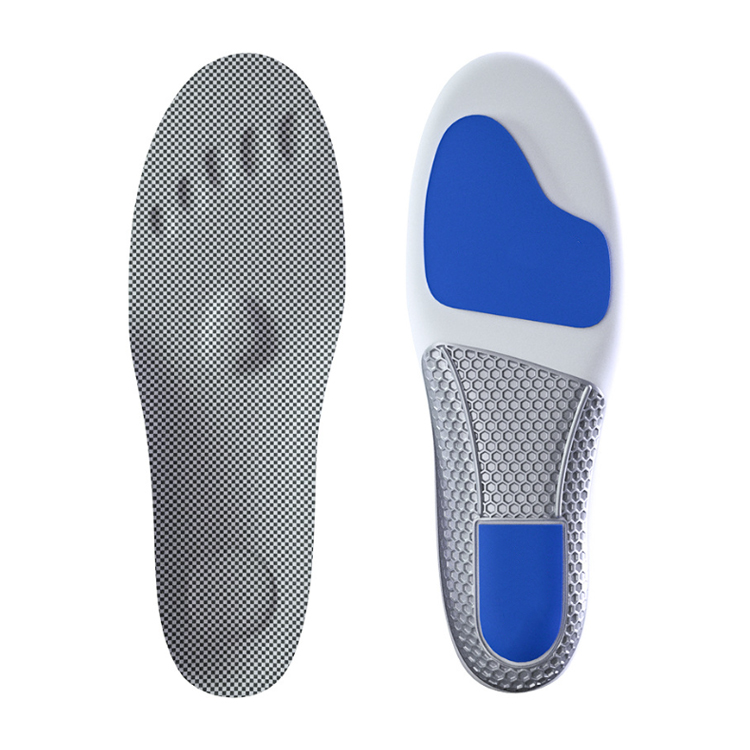
Over time, stock shoe insoles compress, lose shape, and stop supporting your arches and heel properly. Once this happens, you may notice hot spots, heel pain, or a "flat" feeling even if the outsole still looks good. [alineinsoles]
Key reasons to replace your insoles:
- Restore cushioning when foam has packed out and no longer rebounds. [alineinsoles]
- Improve support and alignment for arches, heels, and ankles to reduce overpronation or supination. [sevencdigital]
- Reduce odor and bacteria build‑up by removing old, sweat‑soaked layers. [alineinsoles]
- Extend the life of quality footwear by refreshing the inside instead of buying new shoes.
For OEM partners and retailers, educating customers about insole replacement cycles is an effective way to increase satisfaction and repeat purchases. [key-g]
There is no single answer, because replacement frequency depends on use, body weight, material, and environment. However, manufacturers and podiatry‑focused brands commonly recommend the following practical ranges: [theblogsmith]
Use Scenario | Typical Replacement Interval | Key Indicators It's Time to Replace |
|---|---|---|
Daily casual wear | Every 6–12 months sevencdigital | Flat cushioning, foot fatigue |
Running / high‑impact sports | Every 3–6 months centori | Soreness after runs, creased foam |
Work boots / long standing shifts | Every 4–6 months sevencdigital | Heel or arch pain at end of day |
Heavy users (high body weight / load) | On the shorter end of ranges sevencdigital | Faster compression and deformation |
Rule of thumb: when your insoles look flattened, feel hard, or you notice new pain in familiar shoes, it is time to replace them.
Most people simply buy the cheapest insole in their shoe size, but matching the insole to your foot type, shoe, and activity delivers far better results. As an OEM manufacturer, we work with brands to tune insole design for different use cases—this section translates that knowledge into clear choices for you. [seoengine]
Ask yourself: what problem are you trying to solve?
- General comfort – soft cushioning and light arch support.
- Arch or heel pain (e.g., plantar fasciitis) – structured arch support, deep heel cup, and stable heel posting. [sevencdigital]
- Sports performance – responsive cushioning, energy return, moisture‑wicking top fabrics. [centori]
- Work safety / long shifts – high‑density foam or EVA, shock absorption in heel and forefoot.
Whenever possible, check product descriptions for phrases like "for flat feet," "for high arches," "for plantar fasciitis," "for running," or "for work boots" to align insole design with your use case. [linkedin]
Not every insole fits every shoe.
- Running shoes / trainers: medium‑thickness insoles with full‑length support and good flexibility.
- Dress shoes: slim‑profile insoles or ¾‑length options to avoid crowding the toe box.
- Work boots: thicker, heavy‑duty insoles with reinforced heel and arch, designed to withstand compression.
- Cleats and court shoes: low‑profile, stable insoles that do not roll under quick lateral movements.
If your shoe already feels tight, choose a low‑volume insole to avoid pressure on the top of your foot.
From a manufacturing standpoint, material choice is what defines durability, support, and comfort. [insolemaker]
- EVA foam: lightweight, good cushioning, easy to shape and trim; standard for many everyday and sports insoles. [insolemaker]
- PU (polyurethane) foam: heavier but more durable; ideal for work shoes and high‑impact environments.
- Gel inserts: localized cushioning for heels and forefoot, great for shock absorption but often need structural support beneath.
- Fabric tops (mesh, moisture‑wicking knit): improve comfort, reduce friction, and help manage sweat and odor.
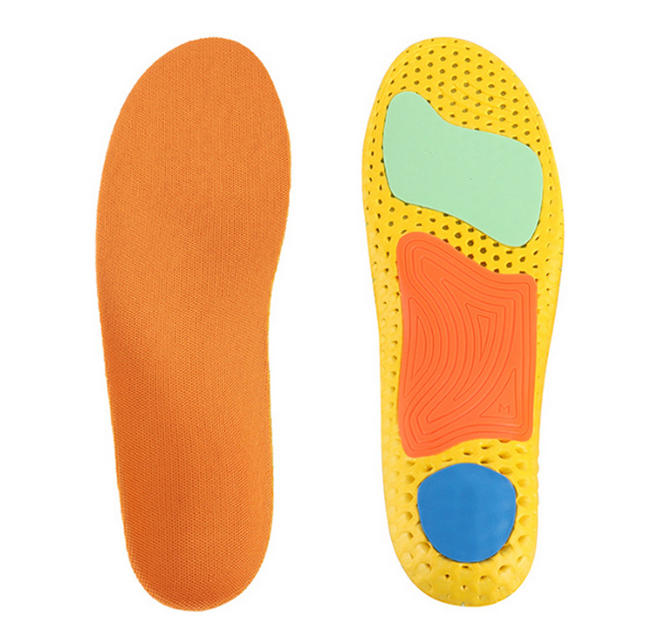
High‑quality OEM insoles often combine several of these materials in layers to balance cushioning, stability, and breathability.
This step‑by‑step process builds on the original ALINE guide and adds practical checks we use when testing insoles at the manufacturing stage. [insolemaker]
1. Hold the shoe firmly and grip the insole at the heel.
2. Gently peel it forward toward the toes in one smooth motion. [alineinsoles]
3. If the insole is lightly glued, work your fingers under the edges to avoid tearing the shoe lining.
If the insole is permanently stitched or heavily glued (common in some dress shoes or low‑cost sneakers), you may need a thin tool and extra patience—or consider using a ¾‑length insole on top instead.
This step directly affects hygiene and comfort.
- Wipe away dust, grit, and lint with a dry cloth.
- Use a slightly damp cloth or soft brush with mild soap for stubborn dirt and odor. [alineinsoles]
- Allow shoes to air‑dry completely before inserting new insoles to avoid trapping moisture.
While cleaning, check for:
- Torn lining or seams that might rub your skin.
- Nails, staples, or rough surfaces in work boots.
- Uneven midsoles that could deform your new insoles.
Most full‑length insoles are designed to be trimmed to fit.
1. Remove the original insole (if possible) and place it on top of the new insole.
2. Trace the outline with a pen or pencil.
3. Trim slowly along the toe area only, staying inside the line to avoid cutting too short. [alineinsoles]
4. Test the fit inside the shoe; if it buckles, remove and trim in small increments.
Never trim the heel area, as that can compromise the heel cup and stability.
- Insert the new insole heel first, then press the forefoot into place so it lies flat.
- Run your fingers along the edges to ensure there are no rolls or raised areas. [alineinsoles]
- For shoes with a slippery interior, a thin strip of double‑sided tape at the heel can help keep the insole in place.
From a UX perspective, a flat, wrinkle‑free fit is critical; even small bumps can cause blisters over time.
Put on your shoes and walk around for 5–10 minutes indoors.
Pay attention to:
- Arch position: Does the arch support sit under your arch, not in front of or behind it?
- Heel stability: Does your heel feel cradled, not sliding side to side?
- Toe room: Are your toes free to move, without downward pressure on the top?
It is normal for structured insoles to feel firmer for the first few wears. Start with 1–2 hours per day and gradually extend wear time, especially if you are not used to strong arch support. [sevencdigital]
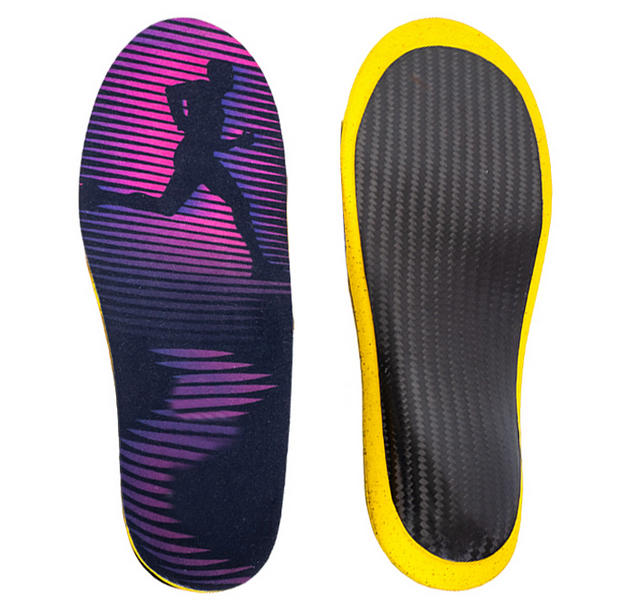
Drawing from both customer feedback and brand support tickets, several patterns appear repeatedly. Avoiding these will save you time and discomfort. [centori]
- Buying only by shoe size, not by volume or use case. A size‑correct insole can still be too thick for a slim shoe.
- Skipping the cleaning step, trapping odor and moisture under a new insole. [alineinsoles]
- Over‑trimming the insole, leading to sliding and poor heel alignment.
- Ignoring early pain signals, assuming "break‑in" will fix everything; sharp or localized pain is usually a sign of poor fit, not normal adaptation.
- Mixing two full‑length insoles (original + replacement) which crowds the shoe and changes biomechanics.
A simple check after trimming and insertion—taking the insole out again and looking for crease marks—can reveal pressure points before you commit to daily use.
For most users, high‑quality replacement insoles are enough to improve comfort and reduce fatigue. However, certain conditions may require custom‑made solutions: [sevencdigital]
- Chronic plantar fasciitis that does not respond to standard supportive insoles.
- Significant leg length discrepancy or structural deformities.
- Post‑surgical recovery, where your healthcare provider specifies exact support.
In these cases, consult a podiatrist or orthotist. Many medical professionals still recommend starting with stable, supportive replacement insoles to see if they relieve symptoms before moving to full custom orthotics. [sevencdigital]
As an OEM manufacturer serving international brands, we focus on a combination of performance and consistency.
- Anatomical heel cup to stabilize the heel and reduce excessive inward or outward rolling.
- Zoned cushioning (heel, midfoot, forefoot) tuned to specific activities like running or industrial work.
- Breathable top fabrics that manage moisture and reduce odor build‑up over time. [insolemaker]
- Durability testing, including compression set tests, repeated flexing, and sweat simulation, to ensure insoles maintain shape through their intended lifespan.
For brands and distributors, partnering with an OEM that can customize density, hardness, and contouring by market segment (sport, work, medical, outdoor) is key to delivering differentiated, high‑value products.
Even the best insoles wear out eventually, but simple care habits can extend their effective life.
- Air them out daily: Remove insoles after long wear and let them dry overnight in a ventilated area.
- Avoid machine washing: Most insoles are designed for spot cleaning only to preserve adhesives and foam. [theblogsmith]
- Rotate pairs: If you wear the same shoes daily, rotating between two pairs of insoles allows foam to recover between uses.
- Replace when indicators show wear: Visible compression, cracks, or permanent odor are all signals that performance is declining.
These steps also maintain a better in‑shoe environment, which your skin—and your socks—will appreciate.
If your shoes no longer feel as supportive as they used to, replacing your insoles is the simplest, most cost‑effective upgrade you can make. Choose high‑quality insoles matched to your foot type and activity, follow the step‑by‑step process in this guide, and you will immediately notice the difference in comfort and stability. [sevencdigital]
For footwear brands, wholesalers, and manufacturers looking for OEM or private‑label insole solutions, partnering with an experienced insole producer gives you access to proven designs, tested materials, and scalable production. By integrating these best practices into your product line and content, you can help your customers walk, run, and work with greater confidence—while strengthening your brand reputation in the process. [centori]
1. Do I need to remove the original insole before adding a new one?
In most cases, yes. Removing the original insole prevents overcrowding inside the shoe, keeps your heel at the correct height, and allows the new insole to sit flat and work as intended. [alineinsoles]
2. Can I move the same pair of insoles between different shoes?
You can, as long as the shoes are similar in size and shape, but frequent removal and reinsertion may reduce lifespan and compromise fit in some models. Dedicated pairs for your most‑used shoes will perform more consistently. [theblogsmith]
3. Why do my feet hurt after switching to supportive insoles?
Structured insoles can change how your feet align and may feel different during the first few days. Start with shorter wear times and increase gradually; if sharp or localized pain persists, the insole may not match your foot type or size. [sevencdigital]
4. Are more expensive insoles always better?
Price usually reflects material quality and design complexity, but the best insole is the one that matches your specific needs and shoe type. A mid‑priced, well‑designed insole tailored to your activity often outperforms a generic premium option for your use case. [centori]
5. Can replacement insoles fix all foot problems?
No single insole can solve every issue. Insoles are a powerful tool for comfort and support, but persistent or severe pain should always be evaluated by a medical professional, who may recommend custom orthotics or additional treatment. [sevencdigital]
1. ALINE Insoles – "A Step‑by‑Step Guide to Replacing Your Shoe Insoles." [alineinsoles]
2. Centori – "How Insoles.com put their best foot forward on Google." [centori]
3. SevenC Digital – "Get Found by Orthotics Buyers: A Guide to SEO." [sevencdigital]
4. SEOEngine.ai – "Shoe Store Content Strategy Guide." [seoengine]
5. Productive Blogging – "How to write helpful content that ranks on Google." [productiveblogging]
6. Semrush – "11 SEO blog tips to rank in Google and get cited by AI." [semrush]
7. The Blogsmith – "Updating Old Blog Posts for SEO: How To Do Article Rewrites." [theblogsmith]
8. 3BU – "News – DIY summer soles shoe insoles with breathable foam." [insolemaker]
9. Key‑G – "SEO for Manufacturers & Industrial Companies – 2025 Guide." [key-g]


