
Views: 222 Author: 3BU Technology Publish Time: 2026-05-17 Origin: Site


Memory foam and PU footbeds each fight standing fatigue in different ways, but for most 12+ hour shifts, well‑designed PU footbeds with structured support outperform pure memory foam in long‑term fatigue prevention and durability. The best results come from combining PU's stability with targeted cushioning zones instead of relying on soft memory foam alone. [tdotherapy.co]
Workers on 12–14 hour shifts do not just need "soft" insoles; they need stable, shock‑absorbing footbeds that keep joints aligned hour after hour. From my experience designing OEM insoles for global brands at 3BU Technology, the biggest mistake is choosing materials based on first‑step softness instead of end‑of‑shift fatigue. In this guide, we will compare memory foam vs PU footbeds from both a personal user and manufacturing engineer perspective, so buyers and brands can choose the right construction for long shifts. [redi-thotics]
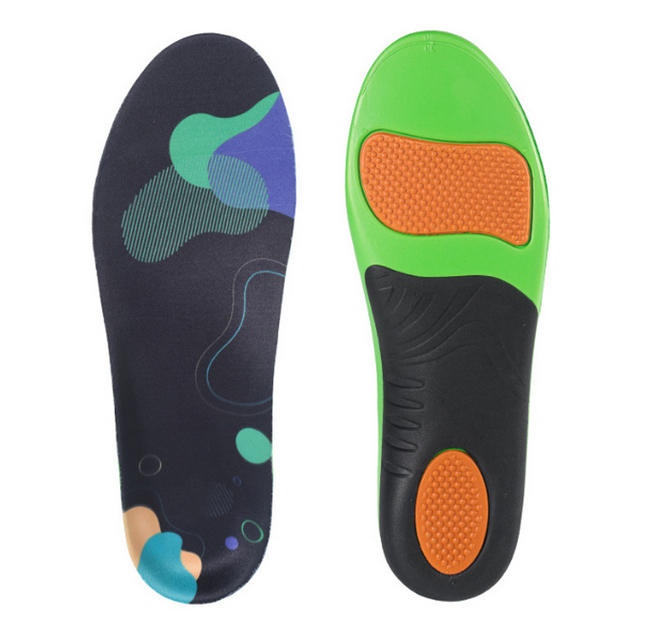
Memory foam is a viscoelastic polyurethane foam formulated with additives that make it denser and slow‑rebounding. Under load, it conforms closely to the plantar surface, redistributing pressure away from bony areas and sensitive spots. This "sinking in" sensation is why many users describe memory foam as extremely comfortable for short‑term standing or walking. [aideastep]
Main characteristics of memory foam footbeds: [santechfoammachines]
- High pressure relief around the heel and forefoot
- Slow rebound that "remembers" your foot shape
- Tendency to retain heat and feel warmer
- Can bottom out faster under heavy, repetitive load if not high density
As a user, memory foam often feels amazing in the first 1–2 hours, but if the formulation and thickness are not optimized, it may compress and lose support in a 10–12 hour industrial shift. [tdotherapy.co]
PU (polyurethane) footbeds use a denser foam that is more elastic and "springy" than classic memory foam. In orthopedic and safety footwear, PU is widely used because it maintains thickness, resilience, and support under continuous loading. [academia]
Typical properties of PU footbeds: [aideastep]
- Higher durability and shape retention
- Stronger structural support and stability
- More "on‑top" feel rather than deep sinking
- Better suited to heavy users, safety shoes, and long shifts
Research on safety shoe insoles has shown that combining PU with other cushioning foams (such as Poron) significantly reduces peak forces under the feet. This supports what we see in the factory: PU‑based constructions are the workhorse of serious work and safety footwear projects. [academia]
When we evaluate footbeds for people standing more than 12 hours, we focus on: [superfeet]
- Shock absorption over thousands of steps
- Long‑term support and alignment
- Resistance to compression set (permanent flattening)
- Temperature and moisture management inside closed shoes
- Overall durability and cost‑effectiveness
Below is a simplified view comparing the two materials for long shifts:
Factor for 12+ hr shifts | Memory foam footbeds | PU footbeds |
|---|---|---|
Initial comfort feel | Very soft, "sink‑in" comfort tdotherapy.co | Moderately soft, more springy support tdotherapy.co |
Shock absorption over time | Good at first, may reduce if foam compresses tdotherapy.co | Consistent shock absorption across the shift tdotherapy.co |
Arch and heel stability | Can collapse if too soft or thick tdotherapy.co | Stronger structural support for arches and heels tdotherapy.co |
Heat build‑up | Tends to feel warmer, less airflow tdotherapy.co | Typically cooler with better airflow tdotherapy.co |
Compression set (flattening) | Higher risk if low density or overloaded tdotherapy.co | Better shape retention and lifespan tdotherapy.co |
Best use case | Shorter wear, sensitive feet, recovery insoles tdotherapy.co | Work boots, safety shoes, industrial and service jobstdotherapy.co |
For a worker in logistics, warehousing, healthcare, or manufacturing doing 12+ hours on concrete, a PU‑based footbed with structured support is usually more reliable across the full shift than a thick, single‑layer memory foam insert. [redi-thotics]
From wearer feedback collected by workwear brands and insole companies, the first 2 hours and the last 2 hours of a shift feel very different: [superfeet]
- In the first hours, memory foam feels luxuriously soft, masking some of the impact on the heels.
- By hour 8–12, some users report feeling like they are "sitting in a hammock" with less support, especially if they are heavier or carry loads.
- PU footbeds may feel slightly firmer at the beginning, but the support and cushioning feel more stable at the end of the shift. [tdotherapy.co]
As a user, if you often say "these insoles felt great at first, but my knees and lower back still hurt after work," the issue is often insufficient structural support rather than lack of softness. [redi-thotics]
From OEM projects we've supported for work boots and safety shoe brands, the most frequent complaints about low‑quality footbeds are: [superfeet]
- "My heels are burning by the end of the shift."
- "My arch feels like it's collapsing in the afternoon."
- "These insoles went flat in less than one month."
These issues are usually linked to soft foams with poor rebound and low density, whether they are labeled as memory foam or generic PU. Proper PU formulations with reinforcement under the arch and heel cup greatly reduce these complaints. [academia]

In OEM projects for orthotic, sports, and work boot insoles, high‑end brands almost never use pure thick memory foam as the only load‑bearing layer for heavy‑duty work shoes. Instead, they rely on constructions such as: [insolemaker]
- PU core + PU or Poron heel pad for impact absorption [academia]
- PU shell with thin memory foam top‑sheet for step‑in comfort [aideastep]
- PU mid‑layer combined with EVA or rubber stabilizers in the arch and heel [tdotherapy.co]
This structure achieves a balance: comfortable initial feel plus long‑term support and durability, which is essential for 12+ hour shifts in demanding environments. [redi-thotics]
3BU Technology has more than 12 years of experience providing R&D and OEM/ODM insole production for world‑class brands, which allows us to fine‑tune density, thickness, and multi‑layer combinations for specific work scenarios. [insolemaker]
When a professional buyer asks us to develop an insole for 12‑hour shifts, we focus on measurable parameters rather than just "soft vs hard": [tdotherapy.co]
- Foam density (kg/m³): Higher density PU provides more stable support and longer life.
- Indentation force deflection (IFD): Describes how much force is needed to compress the foam to a given level.
- Compression set: How much thickness the foam permanently loses after repeated compression.
- Energy return and rebound: How efficiently the material recovers after each step.
By adjusting these variables, 3BU can produce PU footbeds that feel comfortable but still protect the arch and joints after 50,000+ steps per day. [insolemaker]
Academic and industry studies on safety shoe insoles indicate that multi‑material constructions including PU significantly reduce plantar forces and perceived discomfort. One study found that a combination of polyurethane and Poron reduced peak forces under the foot to around 159.6 N during prolonged standing tests. This supports the idea that a stable PU base combined with targeted cushioning is more effective than a single soft foam layer. [academia]
Foot health and insole guides for workers emphasize arch support, heel cupping, and durable cushioning as key factors for standing all day. These requirements align more closely with PU‑based footbeds with anatomical shaping than with thick, unstructured memory foam blocks. [superfeet]
Across multiple OEM projects for safety shoes, industrial boots, and service footwear, we repeatedly see patterns like: [insolemaker]
- Brands that start with "comfort‑only" memory foam insoles often face early wear and customer complaints about flattening.
- After switching to PU‑core designs with strategic cushioning pads, they report lower return rates and better reviews for all‑day comfort.
- For sensitive‑foot product lines, using a thin memory foam top layer on a firm PU chassis gives the best of both worlds.
While specific customer data is confidential, these trends match published guidance from orthopedic and insole experts that recommend durable, supportive materials for workers who stand all day. [redi-thotics]
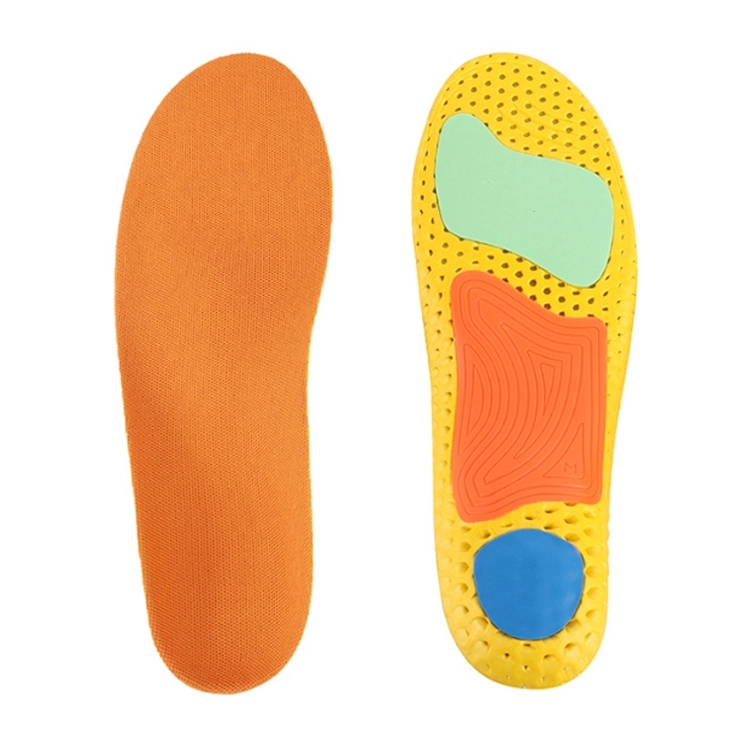
Use this quick guide if you are choosing or specifying insoles for 12+ hour shifts:
1. Job type
- Light retail or office: memory foam or hybrid is acceptable.
- Industrial, logistics, healthcare, kitchens, warehouses: PU‑based or PU hybrid is strongly recommended. [superfeet]
2. Worker body weight and load
- Higher body weight or carrying heavy loads increases compression.
- Choose higher‑density PU with reinforced arch and heel in these cases. [santechfoammachines]
3. Environment and temperature
- Hot environments or non‑breathable footwear can make memory foam feel too warm.
- PU with perforations and moisture‑wicking top cover improves comfort. [santechfoammachines]
4. Brand positioning and warranty
- If you promise "all‑day support" or long product life, avoid low‑density memory foam as the main structure.
- Specify multi‑layer PU designs with tested compression set and fatigue performance. [tdotherapy.co]
To get a truly fatigue‑reducing insole from an OEM like 3BU, you should define:
- Target use: safety boot, work sneaker, medical shoe, etc.
- Typical shift length and flooring: e.g., 10–14 hours on concrete or steel grating.
- Preferred feel: more plush (add memory foam top) vs more responsive (PU only).
- Brand priorities: price point, lifespan, sustainability, or weight.
At 3BU Technology, we then propose a PU‑based footbed architecture, optionally with a thin memory foam layer for step‑in comfort, and tune density and geometry to your market and price segment. [insolemaker]
If you are responsible for footwear or insole purchasing, here is a simple action plan:
1. Audit your current insoles
- Identify if they are pure memory foam or PU‑based.
- Check common complaints from customers and workers (flattening, heel pain, heat).
2. Define a clear performance target
- For example: "Support 12‑hour warehouse shifts on concrete with reduced heel and lower‑back fatigue."
3. Request PU‑core samples
- Ask your OEM for PU footbeds with arch support, heel cup, and optional memory foam top layer tuned to your target.
4. Run real‑world wear tests
- Have workers test samples for at least 2–4 weeks.
- Collect feedback on fatigue, comfort duration, and durability.
5. Optimize and finalize tooling
- Based on feedback, adjust density, thickness, or contouring before mass production.
If you are choosing ready‑made insoles for your work boots:
- Look for PU or "work" insoles that mention arch support, heel cup, and all‑day standing. [redi-thotics]
- Consider memory foam only as a top layer, not the main structure.
- Replace your insoles at the first signs of permanent flattening or loss of support.
For demanding 12+ hour shifts, a PU‑based footbed with anatomical support and localized cushioning is generally more effective at preventing standing fatigue than a pure, thick memory foam footbed. Memory foam remains valuable as a comfort top layer, especially for sensitive feet, but it should not be the only pillar of support in heavy‑duty work boots. [aideastep]
If you are a footwear brand, wholesaler, or work shoe manufacturer looking to upgrade your insole performance, 3BU Technology can co‑develop custom PU and hybrid footbeds engineered specifically for your users' shift patterns and work environments. Contact our team to discuss densities, constructions, and tooling options for your next OEM project so your customers feel the difference from hour 1 to hour 12. [insolemaker]
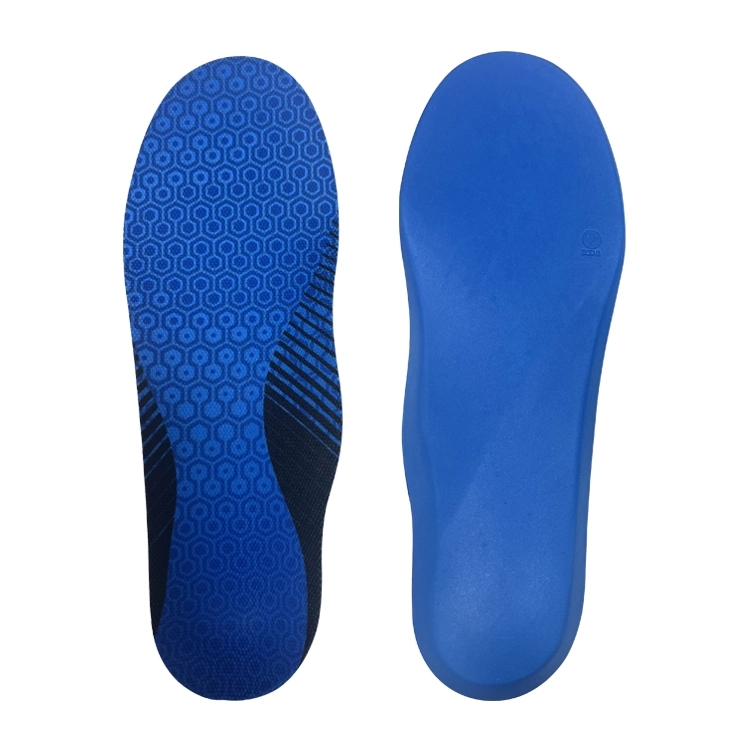
1. Are memory foam insoles bad for standing all day?
Not necessarily, but pure memory foam insoles can lose support over long shifts if the foam is too soft or low density. For heavy users and hard floors, a PU‑based insole is usually more reliable. [santechfoammachines]
2. Why do my memory foam insoles feel flat after a few weeks?
Many low‑cost memory foam insoles suffer from high compression set, meaning the foam does not fully rebound after repeated loading. Once it flattens, pressure relief and support drop significantly. [santechfoammachines]
3. Is PU always firmer than memory foam?
PU is usually more elastic and supportive, but its feel depends on density and formulation. A well‑engineered PU footbed can still feel comfortable while providing better long‑term stability than very soft memory foam. [aideastep]
4. What is the best insole construction for 12+ hour shifts?
For industrial and service jobs, many experts favor PU‑core insoles with reinforced arch and heel support, plus optional memory foam or Poron pads for extra comfort in key zones. [academia]
5. Can 3BU customize footbeds for my brand and market?
Yes. 3BU Technology offers OEM and ODM insole R&D and production for global brands, including PU, memory foam, EVA, and hybrid constructions tailored to specific use cases and price points. [insolemaker]
- TDO Therapy. "Memory Foam vs EVA vs PU: Best Cushioning for Orthopedic Shoes." [Link] [tdotherapy.co]
- Redi‑Thotics. "Best Insoles for Standing All Day at Work: A Guide." [Link] [redi-thotics]
- 3BU Technology. "About Us – 3BU Eva Insole." [Link] [insolemaker]
- Aideastep / Insole industry article. "Comparing Carbon Fiber, Memory Foam, and PU Insoles for Athletic Shoes." [Link] [aideastep]
- Academia.edu. "The Effect of Safety Shoe Insole Material on Subjects Due to Prolonged Standing." [Link] [academia]
- Santech Foam Machines. "Memory Foam vs PU Foam Mattress: Key Differences." [Link] [santechfoammachines]
- Superfeet. "Work on Your Feet? Discover the Best Insoles for Long Shifts." [Link] [superfeet]


