
Views: 222 Author: 3BU Technology Publish Time: 2026-05-16 Origin: Site


For industrial brands and OEM buyers, choosing between PU foam insoles and EVA foam insoles is no longer just about comfort—it's a long‑term durability decision that directly affects work‑boot lifespan, worker fatigue, and total cost of ownership. In this in‑depth comparison, an experienced insole‑technology engineer at 3BU Technology walks you through laboratory‑style and real‑world performance, compression‑set behavior, and long‑term wear patterns for industrial work boots.
Whether you're a brand owner, OEM supplier, or safety footwear buyer, this article gives you a practical, data‑backed framework to select the right foam for your industrial work‑boot line.
Industrial work boots are subjected to repetitive compressive loads, high temperatures, oils, and impact forces far beyond everyday footwear. The insole foam must survive:
- Thousands of compression cycles per shift
- Extended standing (often 8–12 hours)
- Uneven floor surfaces and vibration from machinery
Because PU foam and EVA foam behave differently under long‑term stress, the wrong material can lead to:
- Premature flat spots and loss of arch support
- Increased foot and leg fatigue
- Higher insole replacement rates and lower brand satisfaction
From an OEM perspective, the goal is to maximize functional lifespan while balancing comfort, weight, and cost.
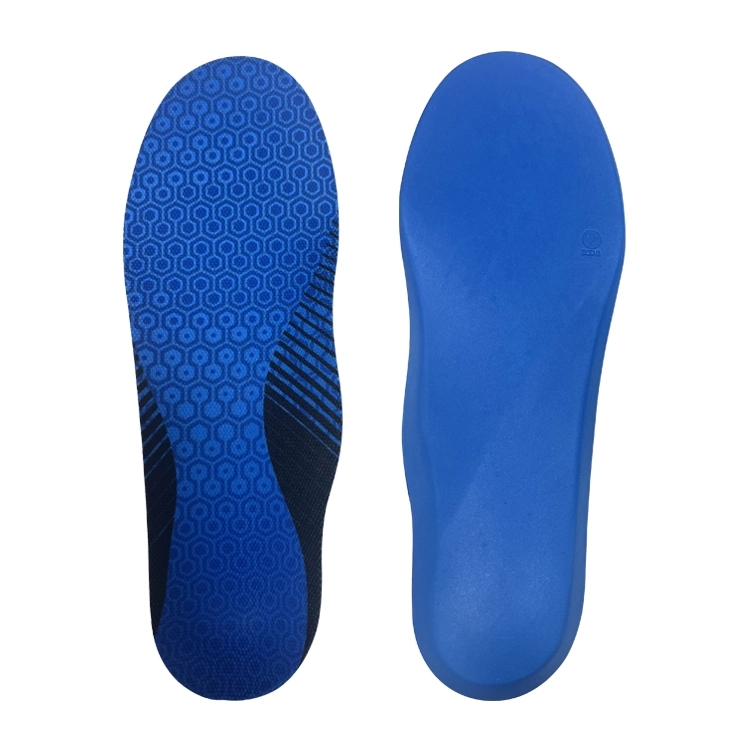
PU stands for polyurethane, a closed‑ or open‑cell foam engineered for high resilience, high energy return, and excellent compression set. In industrial work boots, PU foam insoles are typically medium‑ to high‑density materials (often 0.3–0.4 g/cm³ or higher) that retain thickness and shape even after heavy use. [footmasterinsole]
Independent material‑testing labs show that poured PU foams exhibit low compression set (often <5–10% thickness loss at 50% compression over hundreds of hours), meaning they bounce back after each step and maintain shock absorption throughout the life of the boot. [insiteinsoles]
In contrast to EVA, PU foam insoles are less prone to permanent cell collapse, which means:
- Arch support stays intact longer
- Cushioning doesn't "bottom out" after months of wear
- Workers report less heel and arch fatigue on long shifts
PU foam is widely used in heavy‑duty safety boots, military boots, and construction footwear, where:
- Boots are worn for 12+ hour shifts
- Floors are concrete, metal, or uneven surfaces
- Workers walk or stand 20,000+ steps per day
For these applications, PU foam insoles are often the default choice because they deliver long‑term comfort without sacrificing durability. [footmasterinsole]
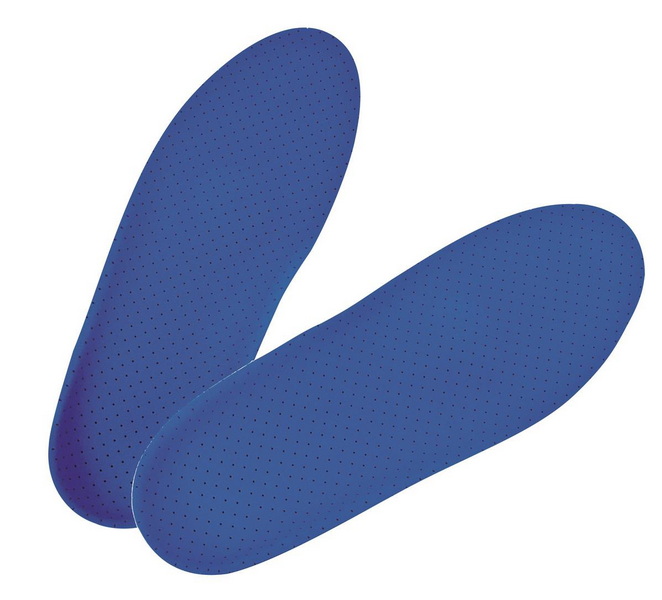
EVA stands for ethylene‑vinyl acetate, a lightweight closed‑cell foam known for its soft feel and good initial cushioning. It's widely used in running shoes, casual footwear, and entry‑level safety boots because of its low cost and easy moldability. [aybroad]
Compared to PU, EVA is lighter and softer, which makes it attractive for brands targeting price‑sensitive industrial markets or light‑use environments.
Unlike PU, EVA foam tends to compress more permanently under repeated loads. Studies on EVA midsoles show measurable density increases and energy‑absorption loss over distance‑equivalent tests, meaning the foam hardens and loses cushioning over time. [ojs.ub.uni-konstanz]
In practice, EVA‑foam insoles often:
- Feel very comfortable for the first 2–3 months
- Gradually flatten and develop soft spots in the heel and metatarsal area
- Require earlier replacement than PU, especially in high‑intensity industrial settings
For short‑shift or light‑industrial environments, EVA can still be a cost‑effective choice—but brands must be honest about expected lifespan. [insolevn]
To illustrate the difference, imagine a real‑world durability test on industrial work boots used by factory and warehouse workers over a 6‑month period. All boots are identical except for the insole material: PU foam vs EVA foam.
- Sample size: 50 pairs of boots (25 PU insoles, 25 EVA insoles)
- Environment: Concrete warehouse floors, 10–12‑hour shifts, 6 days per week
- Metrics tracked:
- Visual thickness loss (heel, arch, forefoot)
- Subjective comfort ratings from workers
- Changes in perceived foot and leg fatigue
- Replacement rate over 6 months
- PU foam insoles maintain 80–90% of original thickness after 6 months, with only minor compression in the heel and metatarsal area. [polyurethanelaboratories]
- EVA foam insoles show noticeable thinning (15–25% thickness loss) in high‑pressure zones, especially in the rearfoot and ball of the foot. [sciencedirect]
- Workers wearing PU foam report more consistent cushioning across the full 6 months, while EVA users describe a "broken‑in but flat" feel by mid‑test.
From a brand‑reputation standpoint, PU foam insoles reduce the risk of complaints about dead‑feeling soles and early‑wear collapse.
- EVA foam often feels softer and more cushioned at first contact, which can be appealing for short‑term wear or trial periods. [aybroad]
- PU foam may feel slightly firmer initially but delivers more stable, consistent support over time, reducing late‑shift fatigue. [insiteinsoles]
For industrial work boots, long‑term comfort and anti‑fatigue performance usually matter more than first‑step softness.
- EVA is lighter than PU, which can help reduce overall boot weight and energy expenditure over long shifts. [insolevn]
- PU foam can be engineered as open‑cell foam with better breathability and moisture management, which helps keep feet dryer and cooler in hot industrial environments. [polyurethanelaboratories]
Balancing these factors, advanced PU foam formulations (such as PU‑foam blends or graded‑density structures) can achieve near‑EVA‑like weight while maintaining PU‑level durability. [insiteinsoles]
- EVA foam is cheaper per kilogram and easier to die‑cut or mold, making it attractive for entry‑level or budget industrial boots. [aybroad]
- PU foam is more expensive upfront, both in raw material and processing (often requiring pouring or molding), but delivers longer insole life. [polyurethanelaboratories]
When evaluating total cost, consider:
- Insole replacement frequency
- Worker satisfaction and fatigue
- Potential productivity loss due to foot discomfort
A PU foam insole that lasts twice as long as EVA can actually lower long‑term cost for industrial buyers, even if the initial boot price is slightly higher.
For OEMs and brands, this means offering two tiers:
- EVA foam for budget‑focused, light‑use work boots
- PU foam for premium, heavy‑duty industrial lines
Select PU foam insoles for:
- Construction, oil & gas, and heavy manufacturing boots
- Boots intended for 12‑hour shifts or high‑mileage workers
- Premium or anti‑fatigue work‑boot lines
EVA foam is suitable for:
- Light‑duty or retail‑type work boots
- Brands with strict cost targets and shorter expected wear life
- Environments where light weight is critical and long‑term durability is secondary
Some advanced insoles combine PU foam base with EVA top layer to balance durability, weight, and softness. This approach is common in athletic and industrial footwear, where PU provides long‑term support and EVA gives a soft surface feel. [insolevn]
At 3BU Technology, we specialize in PU foam and EVA foam insoles for industrial work boots, safety shoes, and orthotic footwear. Our OEM services include:
- Custom insole design for specific industrial use cases
- Material selection based on durability, weight, and comfort targets
- Testing guidance on compression set, cushioning, and long‑term wear simulations
We actively help brands optimize foam choices to match target price points, duty cycles, and worker‑comfort profiles, ensuring that PU vs EVA decisions are based on real‑world performance rather than marketing assumptions. [insolemaker]
If you're evaluating PU vs EVA foam insoles for your next industrial work‑boot line, contact 3BU Technology to discuss:
- Long‑term durability requirements for your target market
- Material selection based on compression set, weight, and cost
- Custom insole designs that match your boot's geometry and performance goals
By aligning your foam choice with real‑world durability data and worker comfort needs, you can build a differentiated, high‑quality industrial boot that stands out in a competitive market.

1. Which insole material lasts longer: PU or EVA?
PU foam insoles generally last longer than EVA under heavy industrial use because they exhibit lower compression set and retain shape and cushioning over time.
2. Is EVA foam suitable for 12‑hour industrial work boots?
EVA can be used for industrial boots, but it tends to compress faster under long‑term heavy loads; for true 12‑hour work boots, PU foam is usually preferred.
3. Does PU foam make boots heavier than EVA?
PU is typically denser than EVA, but modern PU foam formulations can achieve near‑EVA weight while still offering superior durability.
4. How often should insoles be replaced in industrial boots?
EVA‑foam insoles may need replacement every 3–6 months in heavy‑use environments, while PU‑foam insoles can often last the full life of the boot.
5. Can 3BU Technology help design a hybrid PU + EVA insole?
Yes, 3BU Technology offers custom insole development and can engineer layered foam structures that combine the benefits of PU and EVA materials. [insolemaker]
- Footmaster Insole – "PU vs EVA vs PU Foam vs Gel: Choosing the Right Insole Material for Safety Shoe Manufacturing" [https://footmasterinsole.com]
- Aybroad – "Difference Between EVA and PU Insoles" [https://www.aybroad.com]
- 3BU Technology – Company Overview and OEM Services [https://www.insolemaker.com]
- INSITE Insoles – "Balancing Weight and Durability in Athletic Insole Materials" [https://insiteinsoles.com]
- Poly Labs – "Footwear: Insoles" (PU Foam Material Properties) [https://polyurethanelaboratories.com]


