
Views: 222 Author: Edvo Publish Time: 2025-10-19 Origin: Site


Content Menu
● What Are Insoles and Their Purpose?
● How Insoles Affect the Fit of Shoes
● Do Insoles Always Make Shoes Feel Smaller?
● Technical Considerations for Insole Thickness and Compression
● How to Prevent Shoes from Feeling Smaller with Insoles
● How OEM Manufacturers Optimize Insole Fit
● The Role of Insole Design in Foot Health and Fit
● Best Materials for Thin, Supportive Insoles
● Customization and Branding for Global Markets
● Advanced Tips for International OEM Buyers
● When Insoles Are Worth Any Trade-Off in Shoe Space
● Recommended Insole Thickness for Different Users
● Troubleshooting and Maintenance for Wearers
● How Insoles Benefit Brands and Manufacturers
● FAQs
>> 1. Do insoles make shoes tighter?
>> 2. Can I trim insoles to fit my shoes?
>> 3. What type of insoles add the least bulk?
>> 4. Should I size up for shoes if I use insoles?
>> 5. How can manufacturers prevent insoles from making shoes feel smaller?
Insoles, also known as inserts, footbeds, or liners, are layered components added inside shoes to enhance comfort, provide targeted support, and protect feet against shocks and pressure. Most shoes, from athletic to formal, include at least a basic factory insole. However, aftermarket and custom shoe insoles are popular for those seeking enhanced performance, orthopedic aid, or improved hygiene.
The primary objectives of an insole include:
- Reducing fatigue by cushioning footfall
- Allocating body pressure more evenly across foot zones
- Adjusting arch support for flat or high-arched feet
- Absorbing moisture to reduce odor and friction
- Correcting posture and alleviating pain in knees, back, or ankles
Over the years, insole design has progressed from simple flat padding to highly engineered anatomical products made from materials such as EVA foam, memory foam, gel, polyurethane, and latex.
Due to strict international brand demands, most major shoe and insole manufacturers track detailed insole parameters—thickness, hardness, and shape—ensuring consistent fit and user comfort.
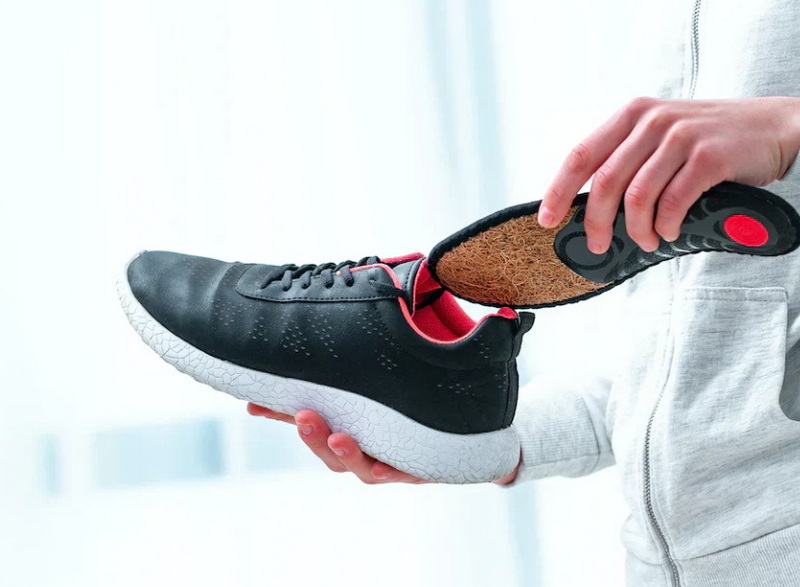
The core issue is simple: Any thickening or additional material inside the shoe reduces the available space for the foot. But the specifics depend on multiple factors, including:
- Material composition: Different foams, gels, and plastics have unique thickness-to-compression ratios. For example, memory foam compresses under load more than raw EVA, accommodating the foot without unduly raising it in the shoe.
- Construction and layering: Some insoles are single-layer, while others incorporate complex multilayer designs for advanced shock absorption or antibacterial properties.
- Original shoe fit: If your original shoe fit is snug, even a minimal insole might result in discomfort. Conversely, a shoe that's slightly loose might fit perfectly after inserting the right insole.
- Purpose of the insole: Orthotic insoles, height-boosting insoles, and sport-specific inserts can range from ultra-thin to extra thick.
For manufacturers and brands, it is critical to match insole design with the intended shoe form and international consumer preferences. For example, European casual shoes often favor denser foams, while North American sportswear brands might request softer multilayer designs.
Whether or not an insole makes a shoe smaller depends on a range of interactions. For consumers, the added volume from an insole can lead to sensations such as:
- Toes pressing the upper
- Greater pressure over the instep or ball of the foot
- Reduced heel clearance, causing slippage or tightness
- Some users may experience discomfort or even blisters
On the other hand, when chosen and sized properly—a hallmark of top-tier OEM insoles—most wearers report improved fit and comfort. For people slipping in their shoes, a thicker insole can even make oversized shoes feel more secure, effectively solving fit issues rather than causing them.
When brands commission OEM insoles for integration with footwear, the manufacturer's engineering and testing expertise are essential for providing the right thickness, contour, and resilience while avoiding an overly tight or loose fit.
A precise understanding of insole dimensions and how they interact with the shoe's internal volume distinguishes quality manufacturers from others. Thickness is not just a number; it must work together with factors like foam density, compression set, resilience, and end-user walking patterns.
- Density and Shore hardness: Soft foams compress more under load, allowing thicker insoles without dramatically reducing space. Harder, denser foams retain their original shape, so manufacturers may need to reduce thickness to avoid squeezing the foot.
- Heel-to-toe drop: Professional insole producers calculate the vertical difference between the heel and forefoot. This influences not just comfort, but also walking mechanics.
- Deformation and recovery: How quickly and fully an insole returns to its original shape after compression determines its long-term fit stability.
Through careful selection of raw materials and precision production molds, OEM insole manufacturers offer brands and importers personalized options that adjust thickness, density, and contour for diverse global markets.
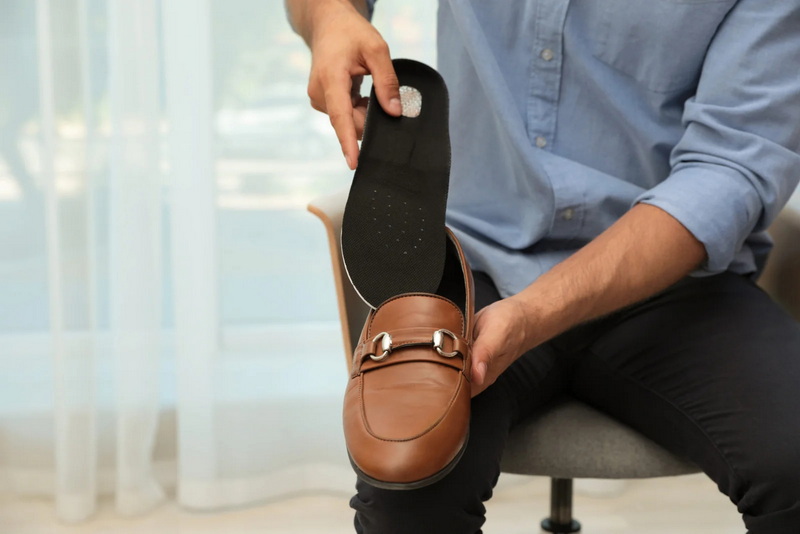
Solving the tight shoe problem after adding insoles often involves the following adjustments:
- Remove factory insoles: In shoes with non-glued insoles, take out the original and replace it with a new, customized insole. This maintains or even improves the fit.
- Trim-to-fit models: Many insoles can be cut with scissors to match the shoe size exactly. This is particularly important for aftermarket sales.
- Select thin yet supportive materials: EVA and some newer high-performance polymers offer both support and flexibility in lower thicknesses, minimizing added internal bulk.
- Use heat-moldable variants: These insoles adapt to both the foot and the shoe's inner shape, ensuring a snug yet comfortable fit for each user.
- Choose the right size when purchasing: For those who always insert insoles into new shoes, buying half a size larger than usual can offset the space taken by the insole.
Brands working with OEM partners should consider providing detailed guidelines for end-users on how to best install and fit their chosen insoles, reducing returns and improving user satisfaction.
Professional insole suppliers apply strict engineering principles to maintain balance between comfort and space. For every custom order, advanced CAD modeling and CNC tooling ensure the insole perfectly matches the shoe last, even for irregular or orthopedic shapes.
Main customization steps include:
- Material selection: Confirming the precise EVA, PU, latex, or memory foam substrate to fit brand requirements and end-use scenarios (running, industrial, orthopedic, etc.)
- Mold and die patterning: Creating professional tooling for mass cutting and shaping, ensuring dimensional consistency across thousands or millions of pairs.
- Antibacterial and anti-slip upgrades: Adding fabric covers, mesh layers, or embossed textural surfaces for enhanced hygiene and grip without significant thickness increase.
- Batch testing and QA: Verifying compliance with thickness and compression tolerances and simulating real-wear conditions for international environments.
Meticulous control over these processes allows leading factories to deliver insoles that maximize everyday comfort without unnecessarily making shoes feel smaller or tighter.
While space inside the shoe is a concern, sacrificing support for thinness can cause more harm than good. A carefully engineered insole not only improves fit but also:
- Promotes healthier gait and alignment
- Reduces incidence of repetitive strain injuries
- Improves blood circulation by reducing pinch points
- Supports targeted zones (like arch and heel) for users with foot disorders
For medical and sports applications, customized insoles remain essential even at the cost of slightly reducing the shoe's internal volume. In these scenarios, health outcomes take precedence over a marginal loss of space.
Material science is at the heart of innovative insole design. Some of the best options for balancing comfort and internal volume include:
- EVA Foam: Popular for its adaptability, cushioning, and easy custom molding. OEM insoles are frequently made from multiple densities of EVA, combining thinness with robust support.
- PU (Polyurethane) Foam: Slightly denser and firmer, ideal for work boots and safety shoes.
- Latex Foam: Soft and springy, primarily for lifestyle or casual shoes where supreme comfort is prioritized.
- Poron: Especially thin and durable, frequently used in performance footwear where every millimeter counts.
Leading Chinese manufacturers offer a wide range of these materials, with proven ability to match any thickness, firmness, and design preference dictated by international clients.
China's top OEM insole factories supply private label insoles to major brands around the world. The manufacturing process involves:
- Selecting certified materials
- Consulting on regional sizing systems (EU, UK, US, Asia)
- Cutting, molding, and shaping for specific shoe lasts
- Adding brand logos through printing or embossing
- Including anti-bacterial treatments or custom color choices
- Advanced packaging for direct store or e-commerce delivery
Brands gain an edge by specifying every design parameter, ensuring the final product aligns perfectly with target market needs and avoids complaints about unsuitable fit.
For buyers and brands sourcing insoles at scale, consider the following expert recommendations:
- Request product samples in advance: Install in test shoes and evaluate both fit and user feedback
- Specify tolerances: Even a 0.5 mm variation can impact fit; up-to-date machinery and QC are vital for maintaining consistency
- Ask about compression set: Lower compression set equals longer product life and fit stability
- Discuss antibacterial and antimicrobial options: These do not increase thickness and help brands stand out in crowded markets
- Require documented compliance: Full traceability for raw materials and test results is a must for Western and Japanese markets
Working closely with a qualified manufacturer can help brands deliver best-in-class insoles that fit perfectly without negative side effects, maximizing sales and brand reputation.
Even for shoes that feel a little tighter with the addition of an insole, foot health and daily performance often justify a small sacrifice in internal volume. Typical scenarios making insoles essential include:
- High-impact sports where shock absorption prevents injury
- Standing for long hours onsite or in factories
- Users with a history of foot, knee, or back pain requiring correction
- Foot deformities such as plantar fasciitis, bunions, or flat feet
In these instances, proper insole engineering ensures users can enjoy the long-term health benefits without significant comfort loss, making slight tightness a minor trade-off.
For brands, selecting the ideal thickness is critical. Here's a quick reference:
- Daily wear (casual): 2–3 mm, flexible EVA
- Athletics/running: 3–5 mm, EVA or EVA/gel blend
- Work and safety: 4–6 mm, firmer PU or layered construction
- Orthopedic use: 5–8 mm, molded EVA with arch support
- Lifestyle and height increase: Up to 10 mm or stacked layers
Leading factories help clients test these variations for real-world fit, ensuring user satisfaction across multiple shoe models.
If end-users feel their shoes are too tight after inserting insoles, consider these steps:
1. Verify removal of the original insole (if possible).
2. Trim new insoles to closely fit the shoe outline.
3. Wear shoes for several sessions to allow minor foam compression.
4. If problems persist, select a thinner or softer insole next time.
5. Periodically replace old or compressed insoles to avoid further shrinkage.
Clear, multilingual instructions provided by international brands (often created in partnership with OEM suppliers) help global customers enjoy optimal results.
Integrating premium OEM insoles allows global brands to:
- Address diverse market demands (comfort, support, style)
- Add value to every shoe sold by offering an upgrade path
- Reduce product returns due to discomfort or improper fit
- Differentiate themselves via quality assurances and health claims
Modern factories assist brands by offering a wide array of features—antibacterial coatings, moisture wicking, orthopedic shapes—without compromising on internal shoe space.
Insoles can make shoes feel smaller if incorrectly chosen or installed, but with expert design, materials, and thickness management—especially when working with an experienced OEM insole manufacturer—they offer substantial comfort without adverse effects on fit. For brands, importers, and everyday users, prioritizing quality, fit testing, and the right material selection ensures shoes are comfortable and supportive while maintaining true-to-size performance. As global consumers demand more from their footwear, advanced insole solutions create new opportunities for differentiation in international markets.
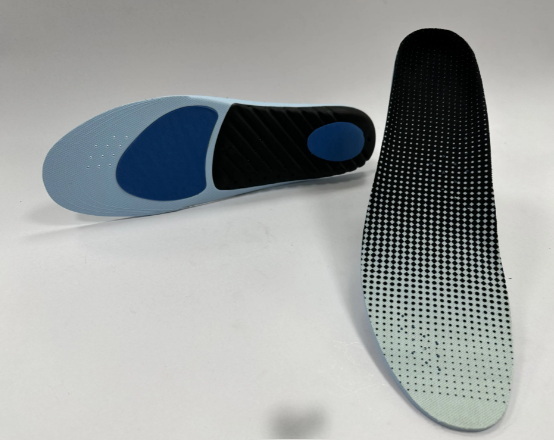
Yes, if too thick or combined with existing footbeds, insoles can make shoes tighter. The effect varies depending on shoe design and insole material but can be minimized through proper selection and sizing.
Most insoles are made with trim lines to help users customize them to exact shoe shapes. Trimming excess material ensures a smooth, comfortable fit with no bunching or curling.
Thin EVA and Poron insoles provide effective cushioning and support while adding minimal thickness. Consulting your manufacturer for the correct grade and density achieves the best results.
If you prefer or require insoles for comfort or support, buying footwear half a size larger can balance out the volume change, especially for sport or work shoes.
By using scientific material combinations, advanced mold design, and precision manufacturing, experienced OEM suppliers control insole thickness and resilience, securing comfort without crowding the foot.


