
Language
Views: 222 Author: Edvo Publish Time: 2025-09-18 Origin: Site


Content Menu
● Understanding Shoe Soles and Insoles
● How Insoles and Soles Work Together
>> Cases Where Insoles Affect Sole Performance
● Can Insoles Replace Your Original Sole?
● When Do You Need to Replace Shoe Soles?
● When Should You Replace or Add Insoles?
● Types of Insoles and Their Benefits
>> Gel Insoles
● OEM Insoles for Foreign Brands and Wholesalers
>> Popular Types of Insoles We Manufacture
>> Customization and Quality Assurance
>> Benefits of OEM Insoles for Brands
● How to Maintain Your Insoles and Extend Their Life
● Insoles and Environmental Sustainability
● Facts About Insoles vs. Soles
● Frequently Asked Questions (FAQ)
>> 1. Can I use insoles in all types of shoes?
>> 2. How often should I replace my insoles?
>> 3. Will insoles fix shoe size or fit issues?
>> 4. Are orthopedic insoles necessary for everyone?
>> 5. How can I ensure OEM insoles meet quality standards?
Insoles have become an essential accessory for enhancing shoe comfort, improving foot health, and extending shoe life. But the question many people ask is: Do insoles replace your original sole? In this article, we will explore the purpose of sole insoles, their differences from shoe soles, how they work together, and when insoles can effectively replace or complement original soles. We will also provide detailed insights for consumers and brand owners interested in OEM insole manufacturing to better understand product positioning and customer needs.
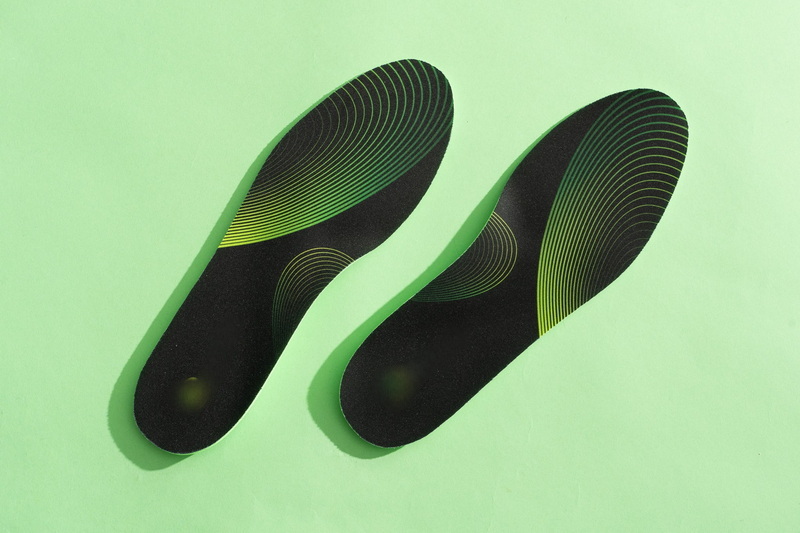
The shoe sole is the bottom part of a shoe that touches the ground. It is designed mainly for:
- Durability against wear and tear
- Providing grip and traction
- Offering structural support and stability
- Protecting the foot from external elements
Shoe soles are usually made of rubber, polyurethane, leather, or other durable materials engineered for specific uses. These materials are selected based on factors such as flexibility, traction, shock absorption, and resistance to harsh environmental conditions such as water, heat, or cold.
An insole, also called a footbed or inner sole, is fitted inside the shoe directly beneath the foot. Its primary purposes are:
- Providing cushioning and shock absorption
- Enhancing comfort for prolonged use
- Offering arch support and improving foot alignment
- Managing moisture and odor control
Insoles are commonly made of foam, gel, cork, memory foam, or specialized orthopedic materials. They are designed to conform to the shape of the foot, reducing pressure points and making long periods of standing, walking, or running more comfortable.
Insoles and soles serve complementary functions rather than substituting each other. While the sole endures external impact and conditions, the insole focuses on internal comfort and foot health. A quality insole improves the overall shoe experience without compromising sole durability.
The sole is the foundation that protects the foot and provides the shoe's stability, while the insole adapts to the foot's anatomy, enhances comfort, and corrects biomechanical problems. Together, they form a complete and functional shoe system.
- Enhanced shock absorption through soft insoles can reduce the stress transferred to the shoe sole, potentially lowering wear caused by repetitive impact.
- Orthopedic insoles can help evenly distribute foot pressure, which may prevent certain parts of the sole from wearing unevenly.
- People who suffer from foot problems such as plantar fasciitis or flat feet often rely on insoles to relieve stress on the foot and enhance overall shoe performance.
- However, insoles cannot replace the protective or structural characteristics provided by the shoe sole itself.
The simple answer is no, insoles cannot replace the original sole of a shoe. Here's why:
1. Function Difference
Insoles are designed for comfort and support inside the shoe; soles provide the interface with the ground and protect the foot against external hazards.
2. Material Strength
Soles require tough, abrasion-resistant materials to withstand external forces like friction, impact, and environmental exposure, which insoles do not have.
3. Shoe Stability
Soles contribute to the shoe's overall structural integrity and stability. Removing or replacing them with insoles alone compromises the shoe's functionality and safety.
4. Design Purpose
The sole is engineered to support weight-bearing and surface traction, while insoles focus on cushioning and foot support.
Some people mistakenly think that thick or high-performance insoles can substitute worn soles. While a thick insole adds comfort and height, it does not provide the necessary traction, durability, or stability of a sole. Insoles inside shoes enhance feel but do not protect against ground conditions.

As shoes undergo regular use, the sole gradually wears down due to friction, exposure to moisture, rough terrain, and repetitive impact. You should consider sole replacement or buying new shoes when:
- The sole has become very thin or pierced through.
- Traction and grip are compromised, increasing slipping risk.
- The sole material has cracked, separated, or hardened.
- Structural stiffness or imbalance affects walking stability.
Replacing worn soles often requires professional resoling services or purchasing new shoes. Insoles alone cannot restore the worn-down sole's protective functions.
Insoles tend to wear faster than soles because they continuously absorb footshock and moisture. Signs it's time to replace or add insoles include:
- Loss of cushioning or arch support resulting in foot discomfort.
- Visible compression, holes, or thinness in the insole material.
- Development of foot pain, blisters, or plantar fasciitis symptoms.
- Presence of bad odors or moisture buildup.
- Changes in your foot's size, shape, or foot conditions requiring specialized insoles.
Adding new insoles can instantly boost shoe comfort and improve foot health without changing the shoe's external sole.
There are many insole types designed for specific purposes and foot needs. Some of the most popular options include:
Gel insoles provide excellent shock absorption and cushioning, making them ideal for athletic shoes and jobs requiring prolonged standing.
Memory foam insoles mold to the shape of your foot, offering personalized comfort and reducing pressure points.
Orthopedic insoles are specially designed to correct foot biomechanical problems such as flat feet, high arches, or plantar fasciitis.
These insoles include materials or treatments that prevent bacterial and fungal growth, making them great for foot odor control.
Sports-specific insoles enhance performance by providing additional support, reducing vibration, and protecting against foot fatigue.
As a leading Chinese insole manufacturer, our company provides OEM (Original Equipment Manufacturer) services tailored for foreign brand owners, wholesalers, and manufacturers. We specialize in producing a wide variety of insoles that meet international comfort, design, and orthopedic standards.
- Gel insoles for shock absorption and comfort
- Memory foam insoles for personalized fit
- Orthopedic insoles for arch support and correction
- Antimicrobial insoles for odor control
- Sports insoles for enhanced performance and cushioning
We offer fully customizable insoles including branding, packaging, material formula adjustments, and design modifications. Our manufacturing processes adhere to strict quality control to ensure durability, comfort, and consistency for global markets.
- Custom branding and packaging to fit your product line
- Flexible material and design options to meet target customer needs
- Cost-effective production with reliable lead times
- Access to advanced technology for orthopedic and comfort features
OEM partnerships allow brands to expand their product offerings and improve customer satisfaction without investing heavily in their own insole manufacturing facilities.
Proper care is key to prolonging the life and performance of your insoles. Follow these maintenance tips:
- Remove insoles regularly to air out excess moisture and prevent bacteria build-up.
- Clean insoles using mild soap and water; avoid soaking and harsh chemicals.
- Replace insoles every 6 to 12 months or sooner if they lose cushioning or develop odor.
- Rotate between pairs of shoes and insoles to reduce wear.
- Store shoes in a dry, well-ventilated area to prevent mildew and deterioration.
Good maintenance helps insoles perform optimally and keeps your feet comfortable and healthy.
In recent years, sustainability has become a significant consideration in footwear manufacturing. Some manufacturers are now producing eco-friendly insoles made from recycled or biodegradable materials, such as natural cork, recycled foam, or plant-based polymers. These options reduce environmental impact without compromising quality, appealing to environmentally conscious consumers.
OEM manufacturers increasingly incorporate sustainable materials and processes to meet changing market demands while maintaining product performance.
| Aspect | Insole | Sole |
|---|---|---|
| Material Thickness | Thin to medium cushioning material | Thick, durable, often rubber or leather |
| Primary Function | Comfort, support, moisture management | Foot protection, grip, and stability |
| Replacement Frequency | More frequent (6-12 months) | Longer lifespan but replaceable when worn |
| Direct Ground Contact | No | Yes |
| Structural Role | Minimal | Key to shoe structure |
| Environmental Impact | Increasingly eco-friendly options | Durable but harder to biodegrade |
Insoles do not replace your original shoe sole but instead complement it by providing comfort, support, and enhancing foot health. While soles protect your feet from external conditions and provide structural stability, insoles focus on cushioning and internal support. Both components are essential for a good footwear experience. For foreign brands, wholesalers, and manufacturers looking for reliable OEM insole partners, high-quality insoles can significantly boost shoe performance and customer satisfaction without replacing the sole itself. Proper care and timely replacement of insoles ensure prolonged shoe comfort and foot wellness. Eco-friendly advances in insole materials are also shaping the future of footwear sustainability.

Yes, insoles can be used in most shoes, including sneakers, boots, and casual footwear, as long as the shoe has enough internal space to accommodate them comfortably.
Insoles should generally be replaced every 6 to 12 months depending on usage, activity level, and wear signs such as reduced cushioning or odor.
Insoles can improve fit slightly by adding cushioning or arch support, but they cannot significantly change shoe size or width.
No, orthopedic insoles are designed for individuals with specific foot conditions like flat feet or plantar fasciitis. For healthy feet, standard insoles usually suffice.
Choose manufacturers with certifications, material testing, and the ability to customize production according to international standards and client requirements.


