
Language
Views: 222 Author: Edvo Publish Time: 2025-12-06 Origin: Site


Content Menu
● What Orthotic Inserts Do for Arthritis
● How Inserts Reduce Arthritis Pain
● Evidence for Arthritis Pain Relief
● Types of Orthotic Inserts for Arthritis
● Custom vs Prefabricated Inserts
● Which Arthritis Types Benefit Most
● Inserts and Knee or Hip Arthritis
● Everyday Advantages Beyond Pain Relief
● Using Orthotics Safely and Comfortably
● Role of Footwear in Overall Success
● Professional Assessment and Fitting
● Manufacturing Quality and OEM Solutions
● Integrating Inserts into a Full Arthritis Plan
● FAQ
>> 1. Can orthotic inserts cure arthritis?
>> 2. How long does it take to feel relief?
>> 3. Are custom inserts always better?
>> 4. Can inserts help if only the knees or hips hurt?
>> 5. When should inserts be reviewed or replaced?
Do orthotic inserts work for arthritis pain? For many people living with arthritis, the answer is yes, especially when inserts are well designed, correctly fitted, and used as part of a broader treatment plan instead of a stand‑alone cure. Inserts help by cushioning sore joints, supporting alignment, and redistributing pressure so that daily standing and walking feel less painful and more stable.
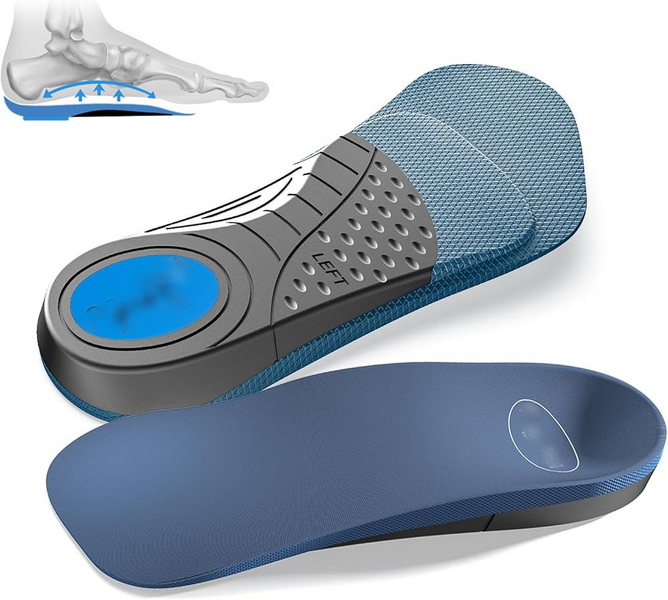
Orthotic inserts are supportive devices placed inside footwear to improve alignment, reduce pressure, and cushion sensitive areas of the feet and lower limbs. They can be custom‑made based on an individual assessment or prefabricated in standard shapes and sizes that match common foot types.
For arthritis, the main goals are to limit excessive joint motion, stabilize weak or inflamed joints, and spread body weight more evenly across the foot so that no single painful area is overloaded. This often translates into less discomfort when walking or standing, better balance, and a smoother gait pattern.
Inserts relieve arthritis pain through a combination of cushioning, support, and biomechanical control. Cushioning materials absorb part of the impact that would otherwise travel through inflamed joints, while shaped contours support the arch and heel so the foot moves in a more controlled way.
Better control of foot motion can reduce abnormal twisting and side‑to‑side movement that stresses the knees, hips, and lower back. By improving the way the foot contacts the ground, orthotics may decrease strain on damaged cartilage and soft tissues and reduce irritations that trigger flares.
Clinical research shows that many people with inflammatory and degenerative arthritis feel less foot pain and experience better function when they use appropriate orthotic inserts. Individuals with rheumatoid arthritis, juvenile idiopathic arthritis, and foot osteoarthritis often report improved comfort and easier walking after being fitted with supportive devices.
For knee and hip osteoarthritis, the evidence is more mixed, and not everyone experiences strong pain relief from inserts alone. Still, some people benefit from changes in gait and load distribution, especially when inserts are combined with suitable footwear, exercise, and medical treatment.
Different arthritis patterns require different insert designs, and understanding these categories helps users and professionals choose more effectively. The main types include soft accommodative orthotics and more structured devices.
- Soft accommodative styles use gentle materials to protect painful joints and are often chosen for rheumatoid arthritis, forefoot pain, and sensitive skin.
- Structured devices use firmer materials to guide movement and support arches, making them useful when alignment problems contribute to arthritis symptoms.
Some inserts cover the full length of the shoe to provide uniform support, while shorter designs focus on the heel and arch areas. The ideal choice depends on the location of pain, the shape of the foot, and the type of footwear that will be used.
Custom orthotics are made after a detailed examination that may include visual assessment, gait analysis, and molding techniques, allowing the device to match a person's exact foot shape and biomechanics. These custom devices are particularly valuable for complex deformities, severe arthritis, or combined conditions like bunions and high arches.
Prefabricated inserts are mass‑produced options available in standard sizes and profiles, which makes them more affordable and quicker to obtain. When selected carefully, high‑quality prefabricated products can still provide noticeable relief for many people with mild to moderate arthritis and common foot shapes.
Arthritis can affect many joints, and inserts are more effective in some patterns than others. They are especially helpful when arthritis directly involves the feet or ankles, or when poor foot mechanics worsen pain in the knees and hips.
People with rheumatoid arthritis often develop deformities and pressure hot spots in the forefoot, midfoot, and heel, and cushioned supportive inserts can ease pain and improve stability in these areas. Those with osteoarthritis in the midfoot or ankle also tend to gain comfort and better walking tolerance from well‑designed devices.
Inserts are sometimes recommended to help knee or hip arthritis by influencing the alignment of the entire lower limb. By supporting the arch and controlling inward or outward rolling of the foot, orthotics can change how forces travel through the knee and hip during walking.
However, not everyone with knee or hip osteoarthritis feels major improvements from inserts, particularly if cartilage damage is advanced or if other factors such as muscle weakness play a bigger role in symptoms. For these joints, orthotics are best seen as one element in a broader management plan rather than the main treatment.
Even when pain reduction is moderate, orthotic inserts can bring meaningful everyday benefits. Many users report that they can stand longer, walk farther, and complete tasks at work or home with less fatigue.
Better pressure distribution and improved foot alignment can also reduce the risk of corns, calluses, and skin irritation in people whose arthritis has changed the shape of their feet. For older adults or those with balance concerns, improved foot stability can make walking on uneven surfaces feel safer and more secure.
When choosing inserts for arthritis, certain design details help make the device more comfortable and effective. Matching these features to specific symptoms is often more important than focusing on brand names alone.
- A deep, stable heel cup to keep the rearfoot aligned and reduce side‑to‑side wobbling that irritates joints.
- Contoured arch support that matches the natural arch shape instead of forcing the foot into an uncomfortable position.
- Cushioned top layers to soften impact under sensitive areas such as the ball of the foot or the heel.
- Durable, breathable materials that resist flattening and keep the feet relatively cool and dry during daily use.
For people whose arthritis affects the forefoot, designs that incorporate gentle rocker effects or extra protection under the toes can make push‑off more comfortable.
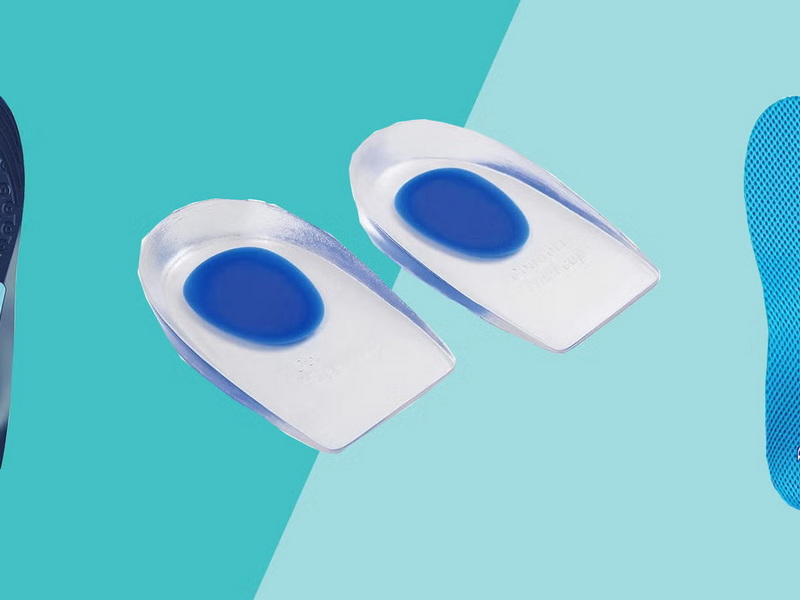
A gradual adaptation period allows joints and muscles to get used to new support and alignment. Many clinicians suggest wearing new inserts for short periods at first and slowly increasing use over several days until full‑time wear feels natural.
Checking the skin regularly helps detect early signs of rubbing, pressure marks, or blisters, especially for people with conditions that affect sensation or blood flow. If pain worsens or new symptoms appear, professional review is important to adjust the device, modify footwear, or explore other options.
Even the best insert will not perform well if it is placed inside unsuitable footwear. Shoes need enough depth and internal space to accommodate the orthotic without compressing the toes or lifting the heel excessively.
For arthritis, footwear with stable soles, secure fastening, and a comfortable, supportive upper helps the insert work as intended by keeping the foot in the right position. Shoes with removable factory insoles often make it easier to fit custom or prefabricated devices without crowding the foot.
Consulting a podiatrist or other lower‑limb specialist can significantly improve the outcome of orthotic use for arthritis. These professionals assess foot structure, joint mobility, and walking patterns to identify the main mechanical issues contributing to pain.
From there, they can recommend whether a prefabricated insert is likely to be enough or whether the complexity of the case calls for a custom prescription. Regular follow‑up visits allow fine‑tuning and ensure that the device continues to match the user's needs as arthritis and activity levels change over time.
The performance and durability of orthotic inserts depend heavily on material selection, precise shaping, and rigorous quality control during production. Consistent density in cushioning layers, accurate arch contours, and robust bonding between layers help maintain support and comfort over extended periods of wear.
Specialized manufacturers that focus on medical and sport applications can offer multiple material combinations, shore hardness levels, and top‑cover options suited to different body weights, activity levels, and clinical needs such as arthritis. For international brands, wholesalers, and producers, partnering with an experienced OEM factory makes it possible to provide tailored orthotic product lines for arthritis, combining technical performance with private‑label branding.
Orthotic inserts should be viewed as one tool within a comprehensive arthritis management strategy. They work best alongside weight management, targeted strengthening and flexibility exercises, joint‑protecting movement habits, and appropriate medication or other treatments recommended by healthcare providers.
Regular communication between the patient, footwear specialist, and medical team helps ensure that inserts continue to serve the person's goals, whether that is staying active at work, enjoying gentle exercise, or maintaining independence in daily tasks. Adjustments to device design, footwear, or activity can then be made proactively instead of waiting for pain flares or complications.
Orthotic inserts can be a valuable, noninvasive option for managing arthritis pain, particularly when the feet and ankles are directly affected or when faulty foot mechanics aggravate knee and hip symptoms. Many people experience less pain, improved comfort, and better stability when using properly chosen and well‑manufactured inserts, although individual results vary by arthritis type, joint involvement, and overall treatment plan. Used together with supportive footwear, exercise, and medical care, high‑quality orthotic inserts offer practical support that can help people with arthritis move more comfortably and maintain an active lifestyle.
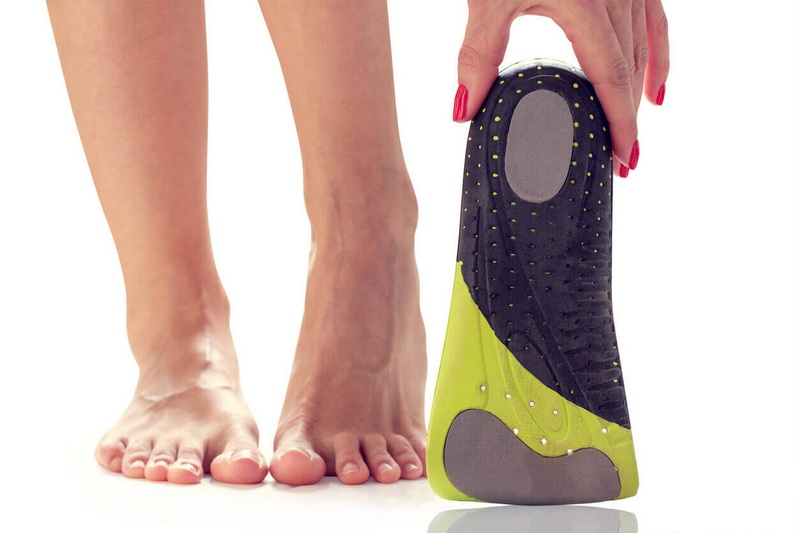
Orthotic inserts do not cure arthritis because they cannot reverse joint damage or eliminate underlying inflammation. Their main purpose is to improve alignment, reduce pressure, and cushion painful joints so that symptoms are easier to manage and everyday activities become more comfortable.
Some users notice a difference in comfort within a short period, especially when foot arthritis or marked alignment problems were major sources of pain. For others, it may take several weeks of gradual wear before the body fully adapts and the benefits in pain relief and function are clear.
Custom inserts often provide superior results for complicated deformities, severe or long‑standing arthritis, or when both feet differ significantly in shape and function. High‑quality prefabricated products can still serve many people well when selected and fitted carefully, especially in mild to moderate cases.
Inserts can sometimes help knee or hip arthritis by improving alignment and altering the way forces travel through the legs, even when the feet themselves are not painful. Because research findings are mixed, some people feel clear benefits while others notice little change, making individual assessment important.
Inserts should be reviewed if they cause new pain, visible skin irritation, or if they flatten or wear down over time and no longer feel supportive. Many people benefit from periodic reassessment to ensure the device still matches their joint condition, activity level, and footwear.


