
Views: 222 Author: Edvo Publish Time: 2025-12-27 Origin: Site


Content Menu
● Understanding the Connection Between Feet and Knees
● How Orthotic Insoles Support Knee Health
>> 2. Shock Absorption and Pressure Distribution
>> 3. Balance and Stability Enhancement
>> 4. Muscle and Joint Efficiency
>> 5. Long-Term Pain Management and Prevention
● Types of Orthotic Insoles for Knee Pain Relief
>> Prefabricated Orthotic Insoles
>> Medical and Corrective Orthotics
● The Biomechanics of Orthotic Insoles and Knee Relief
● Suitable Users for Orthotic Insoles
● Key Factors When Choosing Orthotic Insoles
● OEM Orthotic Insoles From China: Trusted Solutions for Global Buyers
● Daily Tips to Maximize Orthotic Effectiveness
● Common Mistakes to Avoid When Using Orthotics
● Complementary Lifestyle Adjustments for Knee Health
>> Proper Posture and Movement Technique
● The Long-Term Value of Orthotic Insoles
● FAQ
>> 1. How long does it take for orthotic insoles to relieve knee pain?
>> 2. Are orthotic insoles suitable for all shoe types?
>> 3. Can orthotics cause discomfort at first?
>> 4. How often should I replace orthotic insoles?
>> 5. Why are OEM orthotic insoles from China highly recommended?
Knee pain is one of the most common musculoskeletal complaints, affecting people of all ages and activity levels. Whether caused by sports injuries, repetitive strain, poor posture, or degenerative conditions such as osteoarthritis, knee pain can significantly hinder daily activity.
For many, the solution may not begin at the knee itself but rather at the feet. This is where orthotic insoles come into play. By adjusting the way your feet interact with the ground, orthotic insoles can correct body alignment, reduce strain on the knees, and restore natural movement patterns. But how does this process actually work, and who can benefit most from it?
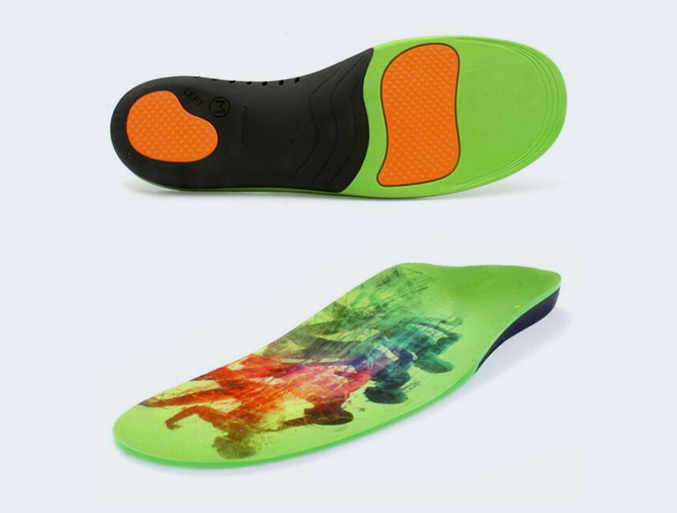
The human body operates as a highly interconnected kinetic chain. Each movement in one joint influences the neighboring joints above and below it. The foot, being the body's foundation, plays a crucial role in maintaining knee stability and overall posture.
When your feet do not land properly due to flat arches, overpronation, or excessive supination, misalignment occurs. These biomechanical imbalances ripple upward, placing continuous stress on the knees and hips. Over time, the cartilage and ligaments around the knee joint begin to degenerate, leading to discomfort or even chronic pain.
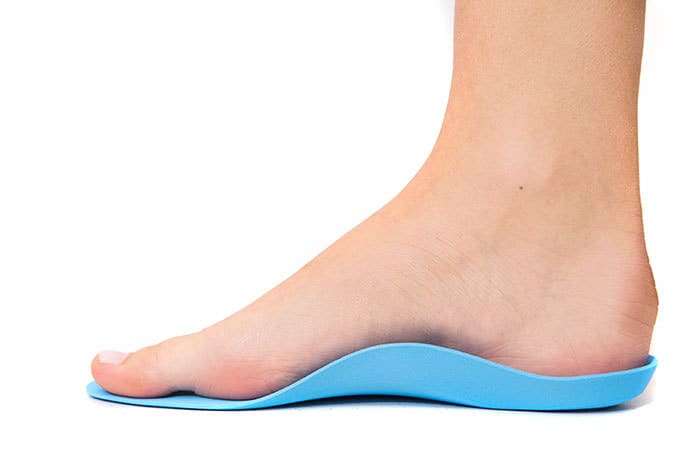
By restoring the feet to their neutral alignment, orthotic insoles can correct how the entire leg moves. They reposition the heel, stabilize the arch, and realign the knees with the hips, creating a more balanced gait and reducing unnecessary pressure on the joints.
Orthotic insoles are more than simple shoe inserts. They are scientifically engineered devices that influence biomechanics, posture, and muscle activation throughout the lower body. Their benefits for knee health stem from several interlinked mechanisms.
Correcting alignment is the primary purpose of any orthotic insole. The insole works much like a precision tool that optimizes how the foot strikes and leaves the ground. By controlling inward or outward rolling during motion, the insoles guide the leg through a proper angle of movement. This reduces rotational stress on the knee joint and helps the patella track smoothly, especially for those suffering from runner's knee or patellofemoral syndrome.
Every time your foot hits the ground, the force can equal two to three times your body weight. If not properly absorbed, this shock travels up the leg, intensifying stress in the knees. Orthotic insoles with advanced cushioning materials—such as EVA foam, gel layers, or polyurethane—disperse impact energy evenly, preventing localized strain and microtrauma. This function is particularly valuable for athletes or people with long-standing jobs.
A properly structured insole improves balance by supporting the natural contours of the foot. Improved balance means fewer compensatory actions from the knees, hips, and spine. As a result, movement efficiency improves, and the risk of overuse injuries diminishes.
A misaligned foot forces nearby muscles to overwork in stabilizing the leg. Over time, this muscular imbalance leads to fatigue, stiffness, and chronic pain. Orthotic insoles allow optimal muscle activation, promoting even workload distribution across all lower-body muscle groups. The body wastes less energy maintaining stability, which also enhances endurance in sports or long-standing activities.
While pain relief may not be instantaneous, continuous use of orthotic insoles often yields noticeable improvement within a few weeks. As the knees adapt to corrected biomechanics, inflammation decreases, and movement becomes more fluid. Over time, this preventative approach reduces the likelihood of recurring pain and delays degenerative joint changes associated with age or mechanical stress.
The effectiveness of an insole depends on its type and level of customization. Understanding different kinds can help users and buyers select the right product for their specific needs.
Custom orthotics are personalized devices tailored to a patient's exact foot shape and gait pattern. They are often prescribed by podiatrists or orthopedic professionals. The high level of precision makes them ideal for individuals with chronic knee pain, severe pronation, or congenital deformities. For brands and OEM buyers, producing customized solutions through modular design templates allows offering semi-custom options for broader markets.
Prefabricated or ready-made insoles are designed using general foot patterns and materials suitable for wide consumers. High-quality prefabricated models—crafted with ergonomic structure and supportive foam layers—provide excellent comfort for mild to moderate pain cases. Our factory, as a leading OEM orthotic insole manufacturer in China, specializes in this category by blending affordability with orthopedic-grade performance.
Sports orthotic insoles are engineered for high-impact environments. Runners, basketball players, or outdoor athletes benefit from this type, as it emphasizes heel stabilization, energy return, and superior shock attenuation. These insoles often feature reinforced arch bases that maintain performance under repetitive stress.
Designed for medical use, these insoles target specific conditions such as osteoporosis, arthritis, or post-surgery recovery. Their functions extend beyond comfort to active correction, promoting healing by redistributing loads on weakened structures.
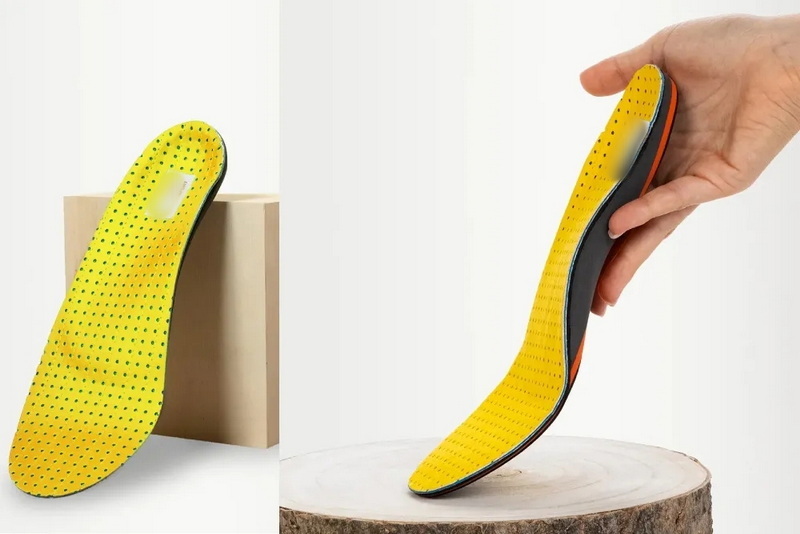
Orthotic solutions function according to simple yet profound biomechanical principles. When the foot lands during walking or running, the arch collapses slightly to absorb shock before rebounding to propel the body forward. If this mechanism is disrupted due to excessive pronation or stiffness, abnormal torque develops in the legs. The knee joint—located in the middle—is forced to compensate, leading to uneven cartilage wear.
By inserting an orthotic insole under the foot, the ground reaction forces stabilize. The alignment between the ankle and knee becomes linear, resulting in balanced lateral and medial knee loading. As this balance is maintained, pain reduction follows naturally. The insoles, therefore, act not by treating the knee directly but by restoring harmony to the body's motion mechanics.
Orthotic insoles are beneficial for a wide spectrum of users. The following categories experience particular relief:
- People with flat feet or high arches, as alignment correction eliminates knee overcompensation.
- Athletes and runners, who experience repetitive stress injuries, especially patellar tracking issues.
- Industrial and healthcare workers, who stand for extended periods and need reliable joint cushioning.
- Seniors or adults with osteoarthritis, who require gentle correction and impact absorption.
- Post-surgery or rehabilitation patients, supporting gradual gait normalization during recovery.
Even individuals without apparent pain can gain benefits. Preventive orthotic use can maintain proper alignment, delaying the onset of pain caused by long-term mechanical wear.
Selecting effective orthotics requires considering several core parameters. Choosing correctly ensures comfort, durability, and therapeutic success.
Determine whether your feet are flat, neutral, or high-arched. Each structure places unique pressure patterns during movement. A flat foot demands rigid arch reinforcement, while a high arch needs softer, more flexible cushioning.
Premium insoles combine rigid base shells with multi-density foam layers for maximum stability and softness. EVA foam, gel silicone, and TPU are industry standards, chosen for their shock resistance and resilience.
An insole should sit securely inside the shoe without distortion. If toes feel cramped or heel elevation changes your balance, a different thickness or length may be required.
Rigid corrective insoles are appropriate for long-standing orthopedic problems, whereas semi-rigid or cushioned versions work well for athletic use or initial adaptation.
Begin with short wear intervals, allowing your posture and muscles to adjust gradually. Overuse during the first few days can cause temporary soreness as your body realigns.
China has become a hub for advanced orthotic production, combining medical precision and industrial scalability. Our company stands among the leading OEM orthotic insole manufacturers, supplying global brands, wholesalers, and healthcare retailers with high-quality products customized for diverse markets.
What sets us apart:
- Professional R&D capability to design insoles optimized for various foot shapes and pathologies.
- Private labeling and patented structure design enabling partners to build strong brand identity.
- Automated manufacturing lines with precision molding and durable material application.
- Eco-conscious materials, compliant with international regulations such as REACH and RoHS.
- Mass customization services, balancing personalized design with cost efficiency.
Through over a decade of experience in biomechanical research and material innovation, we ensure that every orthotic insole not only offers comfort but also therapeutic functionality. Whether for sports footwear, medical use, or mass-market retail, we deliver specialized OEM and ODM solutions tailored to your global business strategy.
To gain maximum benefit from orthotic insoles, users should follow best practices that help integrate the support into their lifestyle.
1. Wear consistently. Irregular use reduces alignment consistency and delays pain reduction results.
2. Combine with proper footwear. Supportive shoes with stable midsoles amplify the corrective effect.
3. Track changes. Note improvements or emerging discomforts. Minor adjustments might be needed during the first few weeks.
4. Maintain hygiene. Air out insoles regularly and clean with mild soap to preserve material integrity.
5. Replace periodically. Orthotics naturally compress or lose elasticity over time, typically within 9 to 12 months.
Following these guidelines ensures continuous biomechanical balance and long-lasting relief for knee discomfort.
- Wearing orthotics in tight or thin-soled shoes that distort support shape.
- Expecting instant relief instead of gradual adaptation over several weeks.
- Ignoring specialist assessment for severe conditions.
- Overusing generic insoles when structural correction is necessary.
- Forgetting to evaluate product wear or changes in support firmness.
Avoiding these pitfalls guarantees the best return on both comfort and functional improvement.
While orthotic insoles can markedly reduce knee strain, they perform best when combined with healthy habits. Strengthening and stretching surrounding muscles ensures balanced joint motion and further pain prevention.
Focus on quadriceps, hamstring, and gluteal strengthening through controlled exercises such as squats, step-ups, or resistance band routines. Stronger muscles support joint alignment and minimize pressure imbalance.
Excess weight is one of the biggest risk factors for knee pain. Each kilogram of body weight adds roughly four kilograms of force across the knee during movement. Maintaining a healthy weight greatly improves orthotic effectiveness and overall mobility.
Shoes with stable soles and ample toe room complement the corrective role of insoles. Avoid excessively soft or unstable soles that may cancel out the support benefits.
Be mindful of walking and standing posture. Avoid locking the knees, keep your spine aligned, and shift weight evenly between both feet.
Beyond immediate relief, orthotic insoles create enduring benefits. Continuous support helps maintain joint structure, preventing excessive cartilage wear or ligament strain. Over time, consistent alignment translates into improved gait efficiency, better mobility, and fewer injuries.
For businesses, investing in the research and production of orthopedic-grade insoles adds measurable brand credibility. Retail and healthcare partners benefit from selling functional footwear accessories that improve user well-being—a growing trend in global markets focused on preventative health.
Orthotic insoles provide a scientific, non-invasive solution for knee pain reduction and long-term joint health. By aligning the body from the ground up, they restore balance, reduce mechanical stress, and improve movement efficiency. Whether custom-made or prefabricated, quality insoles are essential for those seeking lasting comfort, improved posture, and mobility recovery.
For international buyers, partnering with a professional OEM orthotic insole manufacturer in China unlocks access to medically advanced, customizable, and cost-effective products. This cooperation not only empowers brands to meet rising consumer demand for ergonomic footwear but also supports the shared goal of promoting global healthy movement and comfort innovation.
Improvement often appears within two to four weeks, depending on consistency of use and individual body adaptation. Long-standing alignment issues may take several months for full relief.
Most orthotics fit athletic shoes, casual footwear, and work boots. For narrow fashion shoes or heels, low-profile or half-length designs are recommended for better integration.
Some initial soreness is normal as your muscles and joints adapt to new alignment. It indicates that biomechanical adjustments are occurring. The discomfort usually fades within days.
Replace them every 9 to 12 months, or sooner if you notice material compression or reduced support. Heavy users such as athletes may require replacement more frequently.
Because they combine advanced foot science, premium materials, and efficient manufacturing systems. Buyers enjoy flexible customization, competitive pricing, and consistent global-quality standards backed by professional R&D.


