
Views: 222 Author: Edvo Publish Time: 2025-12-06 Origin: Site


Content Menu
● What Orthotics Do for Basketball Players
● Can You Use Orthotics in Basketball Shoes?
● Benefits of Orthotics for Basketball
● Common Foot Problems in Basketball
● Types of Orthotics for Basketball Shoes
● Materials and Design Features
● How to Insert Orthotics in Basketball Shoes
● Getting Used to Orthotics in Basketball
● Orthotics, Performance, and Injury Prevention
● When to Consider Orthotics for Basketball
● Practical Tips for Players and Coaches
● Partnering with a Leading Orthotic Manufacturer
● FAQ
>> 1. Do all basketball players need orthotics?
>> 2. Can orthotics fit in any basketball shoe?
>> 3. Will orthotics make my jump higher?
>> 4. How long does it take to get used to orthotics?
>> 5. Should I choose custom orthotics or prefabricated ones?
Orthotics can absolutely be inserted in basketball shoes, and for many players they are one of the most effective ways to improve comfort, stability, and injury protection on the court. When matched correctly with the foot and the shoe, they become a hidden performance tool that supports every cut, jump, and landing.
For brands, wholesalers, and manufacturers, understanding how orthotics work in basketball shoes is essential. Many players are no longer satisfied with basic insoles and actively seek upgraded support, so offering basketball‑ready orthotic insert solutions can be a strong selling point in competitive global markets.
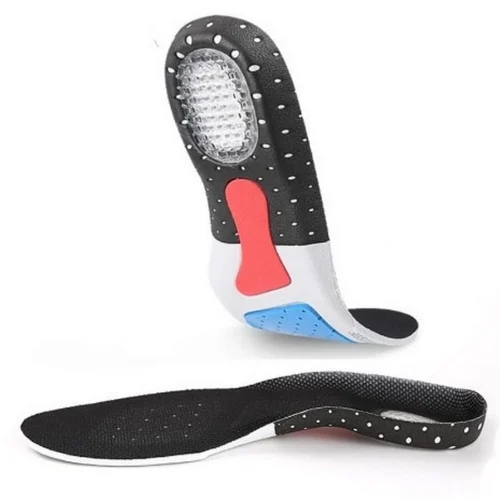
Basketball is a demanding sport that mixes explosive jumps, hard landings, sudden stops, and rapid lateral movements. Every action loads the feet, ankles, knees, and lower back. Without enough support, repeated stress can gradually turn into pain, fatigue, and overuse injuries.
Orthotics are designed to guide the foot into a healthier alignment while providing targeted cushioning. They help distribute pressure more evenly, stabilize the arch, and control excessive inward or outward rolling of the foot. Good devices work together with the shoe to create a more balanced platform for the entire body.
For players with flat feet, high arches, or sensitive heels and arches, this support can be the difference between finishing a long season comfortably and spending weeks or months managing recurring problems. When feet move more efficiently, the rest of the lower body usually follows.
Most modern basketball shoes are compatible with orthotics, especially those that come with removable factory insoles. Players normally take out the original layer and replace it with an orthotic that is shaped to their foot and sized to the shoe.
The main things to check are:
- The shoe has enough internal depth to hold the orthotic without squeezing the toes
- The orthotic lies flat inside and does not rock or curl at the heel or forefoot
- The heel still locks in securely once the laces are tied
- The player can flex and plant the foot naturally in game‑like movements
When these conditions are met, the shoe and orthotic act as a system. The upper, midsole, and outsole provide structure and traction, while the orthotic fine‑tunes fit, comfort, and alignment inside the shoe.
Orthotics are not just for injured players. Many athletes use them proactively to keep their feet in better shape over long training cycles and tournaments. Key benefits include:
- Enhanced shock absorption during jumps and landings
- More consistent arch support through an entire game
- Smoother pressure distribution across heel, midfoot, and forefoot
- Better stability on cuts, crossovers, and defensive slides
- Reduced stress on knees, hips, and lower back thanks to improved alignment
- Greater comfort that helps players stay focused and confident
Even small improvements in comfort and stability can affect shooting mechanics, footwork precision, and defensive positioning. When a player trusts every step, movements become more aggressive and controlled at the same time.
Because of heavy impact and frequent directional changes, basketball players often struggle with similar foot and lower‑leg issues. Orthotics are commonly recommended or chosen to help manage or prevent:
- Heel and arch pain related to strain of the tissues along the bottom of the foot
- Forefoot soreness caused by constant push‑offs, sprints, and stops
- Achilles tendon tightness and calf fatigue from repeated jumps and rapid accelerations
- Shin discomfort linked to poor shock absorption or unstable foot motion
- Problems connected to flat feet, collapsed arches, or very high arches
- Secondary pain in knees and hips that starts with poor alignment at the foot
When feet are not properly supported, muscles and ligaments must work harder to stabilize every movement. Over time, this constant extra work can lead to chronic pain and a noticeable drop in performance.
There are two broad categories of orthotics that players use in basketball shoes: prefabricated models and custom devices.
Prefabricated products are mass‑produced using standard shapes and sizes. They often provide:
- Basic arch support
- General cushioning
- Simple heel cradles or cups
They work best for players who need a moderate upgrade over basic shoe insoles but do not have complex biomechanical problems. For teams and retailers, they are easy to stock, simple to explain, and more affordable.
However, because they are not built around a specific foot, they may not fully correct severe misalignment or handle unique pressure points. For serious or long‑term issues, custom solutions are usually more effective.
Custom orthotics are created from detailed measurements, scans, or molds of the player's feet. Specialists study how the athlete stands, walks, and runs, then design a shape and material mix tuned to that pattern.
For basketball use, custom orthotics typically offer:
- Precise arch height matching the player's anatomy
- Firm yet comfortable rearfoot control to manage pronation or supination
- Targeted cushioning zones where pressure is highest
- Forefoot design that supports powerful push‑offs without slowing the player down
Because they are tailored to both the athlete and the sport, custom devices can significantly reduce pain, improve efficiency, and support better jumping and cutting mechanics. This is why many professionals include them in their long‑term performance plans.
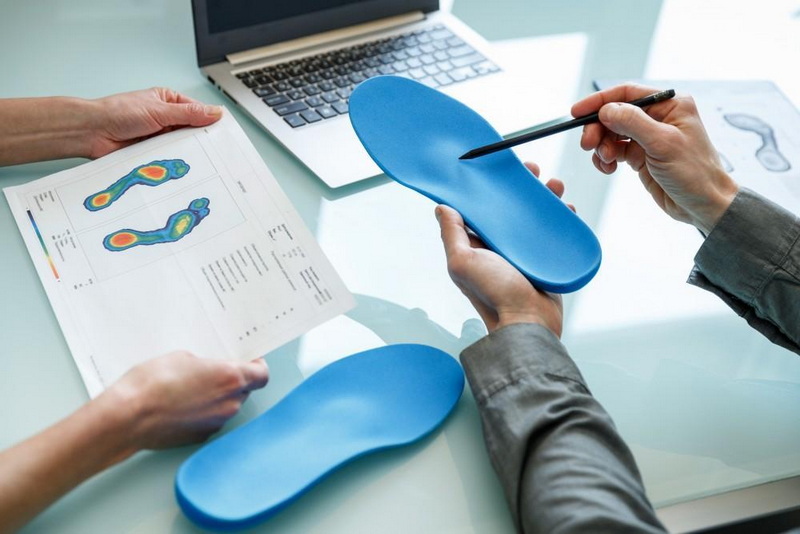
Basketball orthotics must be strong enough to handle explosive movements yet light and flexible enough not to feel clumsy. Typical design elements include:
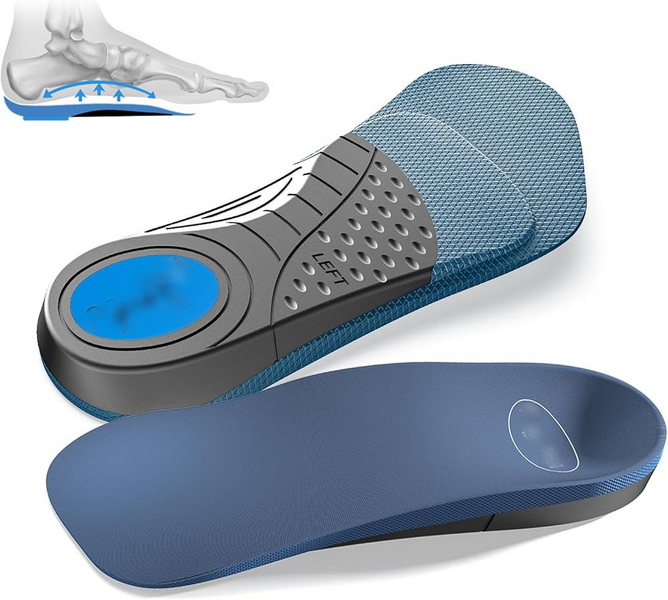
- A supportive base made from firm foam, composite, or plastic to hold the arch and heel in position
- A deep or contoured heel cup that keeps the rearfoot aligned during landings
- A top cover that manages moisture and reduces friction between foot and orthotic
- Strategic cushioning in high‑impact zones like the heel and forefoot
- Slight flex at the front section so the toes can push off naturally
Players with flat feet often benefit from more structured medial support that resists excessive inward rolling. Players with high arches may need softer interfaces and more forgiving cushioning so that impact is spread over a broader area.
Advanced manufacturing can combine several densities and materials in one device, building a balance of firmness and comfort that fits the unique demands of basketball rather than general everyday walking.
Inserting orthotics properly is simple but important. A poor fit can cancel out many of the potential benefits. A practical process looks like this:
First, remove the original insole from the shoe. This creates space and lets the orthotic sit directly on the midsole platform without adding too much extra height. If the shoe does not have a removable insole, it may not have enough internal volume for a thicker orthotic.
Second, compare the length and shape of the orthotic with the original insole. If the new device is longer at the front, you can carefully trim the forefoot area along the outline of the old insole. Cutting little by little helps you avoid removing too much material.
Third, place the orthotic inside the shoe and smooth it out so it sits flat with no gaps, bumps, or folds. Press the heel area down and run your fingers along the edges to make sure everything lies cleanly against the shoe interior.
Finally, put on your regular basketball socks, lace up normally, and stand, walk, and lightly jog to test the feel. Pay attention to the heel lockdown, arch contact, toe room, and any unusual pressure spots.
If there is any pinching, slipping, or rocking, adjust the trim or placement and retest. Persistent discomfort is a signal to consult an expert or review the device choice.
Even perfectly made orthotics can feel strange at first because they change how pressure travels through the foot. Muscles, tendons, and joints need time to adapt.
A gradual break‑in period is usually best:
- Start by wearing the orthotics for short periods in casual shoes during daily activities
- Add them to light basketball practice such as shooting, basic footwork, and half‑speed drills
- Progress to full practices and scrimmages once the feet feel more comfortable
- Use them in official games only after they feel natural in intense training
Some mild soreness in muscles that are working differently can be normal early on. Sharp pain, burning, or persistent numbness is not normal and should be checked quickly.
Simple strengthening and stretching routines for the arches, calves, and hips can also help the body adapt more smoothly. Over time, most players stop consciously noticing the orthotics and only feel the benefits.
At first, many players think of orthotics only as a medical aid. In reality, they can be part of a performance system that combines footwear, conditioning, and recovery.
With better alignment, the body wastes less energy on stabilizing awkward foot positions. Movements become more efficient, and forces are transferred more directly from the legs to the ground. This can support stronger takeoffs, cleaner landings, and quicker changes of direction.
From an injury‑prevention point of view, orthotics help by:
- Reducing repeated strain on sensitive tissues
- Limiting extreme joint positions that increase risk of sprains
- Improving overall posture from the feet up, which can protect knees, hips, and lower back
For serious competitors, this may translate into fewer missed practices, more consistent training cycles, and a longer, healthier playing career.
Not every player must wear orthotics, and many people move well in standard basketball shoes. However, certain signs suggest that orthotics might be a smart choice:
- Regular heel or arch pain during or after games
- Repeated ankle sprains or a feeling of instability when landing
- Early foot fatigue even when shoes are relatively new and well‑cushioned
- Diagnosed flat feet, high arches, or other structural foot variations
- Uneven wear patterns on the outsole that indicate abnormal motion
If any of these patterns appear, a professional evaluation is a good next step. A specialist can recommend whether a quality prefabricated product might be enough or whether a custom device is the better long‑term solution.
Players and coaches can get much more value out of orthotics by combining them with smart habits and equipment choices:
- Choose basketball shoes with firm, supportive midsoles and removable insoles
- Replace shoes and orthotics before they are completely worn out
- Keep devices clean and dry between sessions to maintain hygiene and material integrity
- Avoid switching constantly between very different types of support from one game to the next
- Combine orthotics with proper warm‑up, strength training, mobility work, and recovery routines
Coaches can encourage athletes to speak up early about foot or lower‑leg discomfort instead of ignoring warning signs. Small adjustments made early are usually easier and cheaper than dealing with serious injuries later in the season.
For international brands, wholesalers, and producers, working with a specialized orthotic manufacturer is essential to deliver reliable basketball solutions at scale. A strong factory partner understands not only materials and production, but also the real demands players face on indoor and outdoor courts.
As a leading orthotic manufacturer in China, we focus on sport‑specific design, including products engineered for basketball. We provide comprehensive OEM services, from concept development, material selection, and tooling, all the way to bulk manufacturing and packaging tailored to your brand.
Our team can help you:
- Develop full‑length or three‑quarter‑length basketball orthotics with sport‑grade support
- Design arch profiles for different target groups such as flat‑footed players or high‑arched players
- Select foams, composites, and top covers that balance stability, cushioning, and durability
- Build product lines that meet market needs in North America, Europe, and other regions
With advanced machinery and strict quality control, we support brands that want to position themselves as experts in performance and foot health. Whether you serve professional teams, training academies, or mass retail markets, we can customize orthotic solutions that fit your strategy.
So, do you insert orthotics in basketball shoes? For many players, the answer is yes, and doing so can transform how their feet feel and perform on the court. Orthotics offer a powerful combination of support, comfort, and protection that standard insoles rarely match.
By improving alignment, distributing pressure more evenly, and stabilizing the foot during intense movements, orthotics help reduce pain and fatigue while supporting higher performance levels. Not every athlete needs a custom device, but anyone facing recurring discomfort, diagnosed foot conditions, or heavy training loads should seriously consider them.
For brands and wholesalers, adding basketball‑ready orthotics to your portfolio is a practical way to meet growing demand for advanced foot support. Partnering with a professional manufacturer makes it possible to deliver consistent, sport‑specific products that keep players comfortable, confident, and ready to compete.
No. Players with neutral foot mechanics and no history of pain or fatigue may do well with standard insoles. Orthotics are most helpful for athletes who experience regular discomfort, have known foot alignment issues, or want extra insurance against long‑term overuse problems.
They fit best in models that include removable factory insoles and have enough internal space. As long as the orthotic lies flat, the toes are not cramped, and the heel can still lock down securely, most performance basketball shoes can work well with orthotics.
Orthotics themselves do not act like a spring. Instead, they support better alignment and more efficient force transfer through the foot and leg. When pain is reduced and mechanics improve, some players find that their jumping and overall explosiveness feel more consistent.
Most players adapt over several training sessions. It is wise to start with short periods in casual use, then move to light practice, and only then to full‑intensity games. If discomfort continues after a reasonable break‑in period, adjustments or a different design may be needed.
For mild fatigue or general support, quality prefabricated products may be enough and are more budget‑friendly. For serious biomechanical issues, chronic pain, or professional‑level demands, custom orthotics made by a specialist usually provide better precision, comfort, and long‑term results.


