
Language
Views: 222 Author: Edvo Publish Time: 2025-11-17 Origin: Site


Content Menu
● Why Foot Health Is Critical for European Backpackers
● Understanding Foot Arch Types
● Common Foot Problems Faced by Backpackers
● The Role of Arch Insoles and Their Benefits
● Choosing the Best Arch Insoles: Features to Consider
● Packing Light Without Sacrificing Comfort
● How to Test and Break In New Insoles Before Your Trip
● Real-Life Experiences: Perspectives from Seasoned Backpackers
● Alternatives to Arch Insoles
● Essential Daily Foot Care Habits for Backpackers
● Maximizing European Adventures with Healthy Feet
● Troubleshooting Common Insole Issues
● FAQs: Key Questions About Arch Insoles for European Backpacking
>> 1. Do All Backpackers Need Arch Insoles?
>> 2. Can I Use Arch Insoles in Any Shoe?
>> 3. How Do I Know Which Arch Insole Is Right for Me?
>> 4. Are Expensive Arch Insoles Worth It?
>> 5. What Should I Do If Arch Insoles Cause Discomfort?
Backpacking through Europe is a thrilling adventure that offers a mix of natural beauty, historic cities, and daily challenges. Exploring picturesque villages, famous landmarks, and bustling urban life all require hours of walking or hiking, often on uneven terrain. Your feet are the foundation for every step taken, and their comfort directly impacts the quality of your travels. While travelers obsess over packing lists and gear, one essential item often overlooked is arch insoles. Are they necessary for backpacking in Europe? This article dives deep into foot anatomy, the science of arch support, real-world travel scenarios, and expert tips to help you decide.

Unlike short vacations, backpacking trips typically mean walking for miles each day, whether on ancient cobblestones, steep city stairs, or rugged mountain trails. The diversity of environments—from Rome's historic avenues to Switzerland's alpine paths—places considerable stress on your feet and legs.
Neglecting foot health can cause:
- Persistent heel pain
- Blisters and calluses
- Arch collapse or plantar fasciitis
- Shin splints, knee discomfort, and back pain
Prioritizing proper footwear and insoles ensures you enjoy each new destination with vigor. Comfort isn't a luxury—it's essential for both physical well-being and memorable travel experiences.
Not all feet are alike. The structure of your arch determines how weight and pressure are distributed. Your arch type falls into one of three categories:
- Low Arch (Flat Foot): Little to no visible arch; prone to instability and overpronation.
- Neutral Arch: Even distribution of pressure; generally balanced motion.
- High Arch: Noticeable upward curve; more pressure on heels and balls of the feet, higher risk for under-pronation.
Recognizing your arch type allows you to select targeted support and minimize common backpacking injuries.
Travelers often encounter unexpected foot pain, especially when transitioning from low-activity daily life to rigorous walking abroad. Common issues include:
- Blisters and Hot Spots: Often resulting from friction inside shoes, especially if insoles aren't contoured properly.
- Fatigue and Swelling: Lack of support can cause muscles and tendons to overwork, leading to painful swelling.
- Plantar Fasciitis: Inflammation of the tissue connecting heel to toes, triggered by repetitive strain and inadequate arch support.
By correcting alignment and cushioning, arch insoles help prevent and alleviate these problems, so you can focus on exploration instead of recovery.
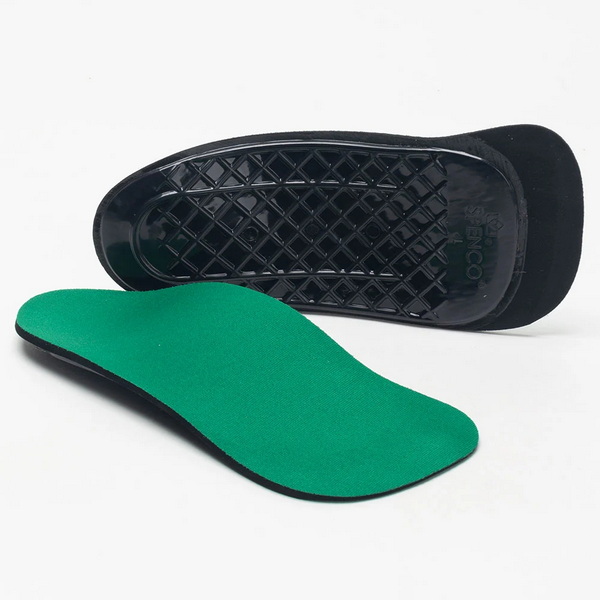
Arch insoles are designed to mimic and support your natural foot arch, reinforcing the intrinsic stability of your step. Here are the key benefits:
- Pressure Redistribution: Insoles spread the impact of each step evenly, reducing concentrated stress points.
- Cushioning and Shock Absorption: Quality materials like EVA foam buffer feet from hard ground and absorb shocks, lessening fatigue and joint strain.
- Improved Posture and Alignment: Properly fitted insoles encourage optimal posture, minimizing knee and lower back pain.
- Enhanced Walking Endurance: With reduced discomfort, travelers can walk longer distances each day without exhaustion.
These benefits are especially relevant in Europe, where terrain changes often and daily activities range from leisurely wandering to mountain trekking.
Finding the right insoles involves assessing both your unique needs and the specific demands of your trip. Consider the following characteristics:
Arch insoles should match your foot length, arch height, and shoe shape. Adjustable or cut-to-size insoles cater to diverse shoe types and foot sizes.
Anti-microbial and moisture-wicking insoles keep feet dry and fresh, minimizing the risks of odor and fungal issues.
High-quality insoles maintain their firmness and shape over many miles. Structure should hold up to daily wear, rain, and temperature changes.
If you plan to bring multiple pairs of shoes, opt for versatile insoles you can swap easily between hiking boots, sneakers, and casual footwear.

Backpacking in Europe means optimizing every item in your bag. To minimize weight and maximize value:
- Bring one primary pair of supportive walking shoes with removable insoles.
- Pack a backup set of insoles for longer journeys or emergencies.
- Choose foldable or compressible insoles that occupy minimal space.
- Maintain a small foot care kit with lotion, tape, blister pads, and nail scissors to tackle issues promptly.
This approach balances practicality with comfort, ensuring feet remain healthy throughout weeks or months on the road.
Using new arch insoles straight from the box can sometimes create discomfort during your early travel days. To guarantee a positive experience:
- Wear insoles during extended walks at home before departure.
- Adjust fit and trim insoles as needed for your specific shoes.
- Gradually increase daily walking duration to help your feet adapt to new pressure points.
- Monitor and treat any irritation early, preventing possible blisters or soreness.
This pre-trip preparation allows you to hit the ground running in Europe.
Seasoned backpackers often reflect that walking comfort is just as vital as having quality gear or a well-planned itinerary. Many recount:
- Enhanced endurance and fewer aches after switching to arch insoles.
- Recovery from plantar fasciitis and shin splints, enabling full itineraries.
- Smoother transitions between hiking and city walking with modular, adaptable insoles.
Travelers highlight that arch insoles are a “game changer” for those prone to foot fatigue, or anyone aiming for stress-free exploration abroad.
While arch insoles are a top choice for many, other solutions exist:
- Orthopedic Shoes: Footwear designed with built-in arch support works well for some, though they may be heavier or less flexible.
- Stretching and Exercises: Regular calf, ankle, and foot stretches improve circulation and resilience.
- Rest and Recovery: Periodic breaks, elevating feet, and foot massages speed healing after long walks.
Combining insoles with these alternatives can deliver comprehensive foot care during international travel.
Routine maintenance of your feet is essential. Adopting these habits ensures you avoid most problems before they arise:
- Wash and dry feet daily to prevent infections.
- Change socks at least once per day, preferably using moisture-wicking fabrics.
- Check shoes for foreign objects, irregularities, or wear after walks.
- Apply lotion to maintain skin suppleness, reducing cracking and soreness.
- Use toe separators or gel pads at night to relax feet and toes.
A few minutes of deliberate foot care each evening can safeguard days of enjoyable trekking.
Your itinerary might include everything from hiking the Camino de Santiago, scaling Croatian coastal paths, to urban exploration in Berlin or Florence. Healthy feet are your ticket to seeing it all. With arch insoles, you can:
- Traverse stunning natural trails without dread of pain.
- Enjoy architectural wonders and museums at your own pace.
- Join spontaneous walking tours or local festivals without hesitation.
Prioritizing comfort unlocks the full spectrum of European travel experiences.
Even well-designed arch insoles may occasionally present challenges:
- Too Firm or Too Soft: Try brands with different densities until you find your match.
- Heel Slipping: Trim insoles or choose a more contoured shape.
- Arch Misalignment: Test insoles in the shoes you'll use most, ensuring alignment for all walking activities.
- Odor Build-Up: Choose washable insoles or use shoe powder regularly.
Most problems are easily resolved with tweaks or alternative products.
Arch insoles stand as one of the single most effective ways to improve comfort, reduce injury risk, and prolong energy for European backpackers. Whether you have a history of foot issues or simply want to maximize enjoyment, investing in proper arch support transforms daily exploration into pain-free adventure. From selecting the right type to maintaining your foot health and anticipating troubleshooting needs, insoles play a pivotal role in happy, healthy, and memorable travels across Europe. Make comfort your priority, and every step will bring new experiences and excitement.
Not every traveler needs arch insoles, but nearly all benefit from additional support and comfort. Even those with neutral arches find that insoles reduce fatigue over extended walks. For individuals with a history of foot pain, they can be indispensable.
Yes, most insoles are made to fit hiking boots, sneakers, and casual shoes. Ensure your shoes have enough removable space and avoid insoles that crowd your foot, which can create further discomfort.
Determine your arch type—low, neutral, or high—by inspecting your footprints or referencing professional fitting guides. Many brands offer sizing tools and advice online or in stores.
Higher-priced insoles may use advanced materials or ergonomic mapping, but quality exists across price ranges. Focus on what feels best on your foot, and select based on durability, comfort, and fit.
Discomfort indicates possible misfit. Try trimming insoles, switching brands, or consulting a podiatrist. If pain persists, revert to original insoles or seek alternatives such as orthotic shoes.


