
Views: 222 Author: Edvo Publish Time: 2026-01-02 Origin: Site


Content Menu
● Understanding the Difference Between Insoles and Orthotics
● Should You Remove Insoles Before Inserting Orthotics?
>> In Most Cases — Yes, Remove the Insoles
>> When You Might Keep the Insoles
>> Considering Shoe Design and Construction
● Why Removing Insoles Often Works Better
● How to Properly Fit Orthotics Inside Your Shoes
● Common Mistakes When Using Orthotics
● Benefits of Using Orthotics Correctly
● How Shoe Design Affects Orthotic Use
● Material Considerations for Orthotics and Insoles
● The Role of Customization in OEM Orthotic Manufacturing
● Maintaining and Caring for Your Orthotics
● Modern Trends in Orthotic Design and Manufacturing
● OEM Insight: Designing Orthotic-Compatible Insoles
● FAQ
>> 1. Can I use orthotics and insoles together?
>> 2. How do I know if my shoes are compatible with orthotics?
>> 3. How long does it take to get used to orthotics?
>> 4. Can orthotics be moved between different pairs of shoes?
>> 5. How often should orthotics be replaced?
Foot comfort and proper biomechanics are essential for maintaining mobility and preventing pain. Many people use orthotics to address foot misalignment, knee discomfort, lower back pain, or posture problems. But a frequent question arises: Do you take insoles out when using orthotics?
While this seems simple, the answer depends on the relationship between your footwear's structure and the type of orthotic device you're using. Understanding when to remove orthotic insoles, how to install orthotics properly, and why these steps matter can make a significant difference in performance, comfort, and long-term health.
As a leading Chinese insole manufacturer and OEM supplier for international brands, we have worked with countless factories, distributors, and orthotic designers to ensure optimal compatibility between insoles and corrective devices. This article explores every angle of this topic to help both users and businesses understand how orthotics interact with footwear design and how to maximize their benefits.

Although insoles and orthotics are often used interchangeably, they serve very different purposes.
- Insoles are the soft, removable layers found in most shoes. They are primarily designed for basic comfort and cushioning. Insoles make shoes feel more comfortable, absorb shock, and sometimes help with odor control. However, they are not medically corrective.
- Orthotics, in contrast, are medical-grade or custom-designed foot supports created to fix structural or biomechanical issues. Doctors or specialists often prescribe them to reposition the foot, improve gait, relieve plantar fasciitis, or correct overpronation and supination.
In short: an insole comforts, an orthotic corrects. When both occupy the same shoe space without proper fitting, the result can be tightness, instability, or even exacerbated foot pain.
Knowing this distinction is essential before deciding whether to remove your existing insoles.
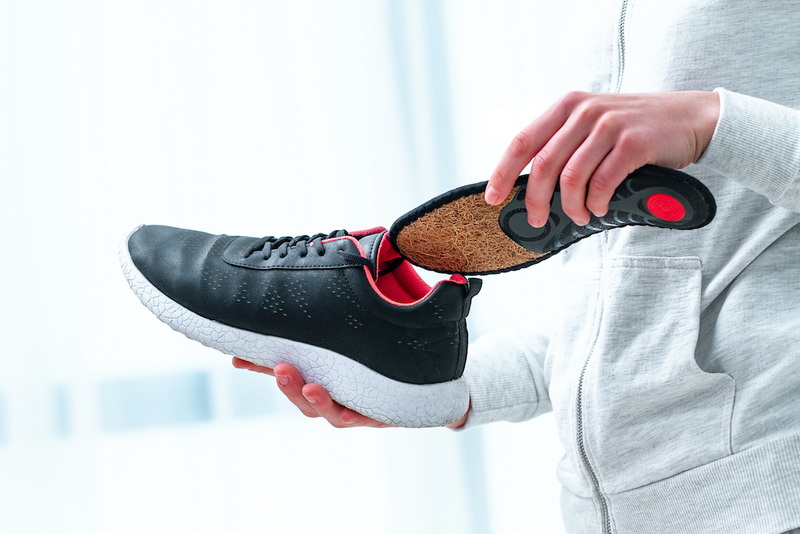
The general rule is simple: remove the shoe's original insole before placing your orthotics inside. Shoes have a finite interior volume, and adding an orthotic on top of the insole often makes the shoe too tight. This can lead to pressure points, friction, restricted toe space, and discomfort.
When you remove the insole, the orthotic sits securely on the shoe's base. This ensures that the orthotic does not shift during movement, which is especially important for athletes and workers who spend long hours on their feet.
There are situations where keeping the insole makes sense. For example, 3/4-length orthotics only support the heel and the arch, leaving the front of the shoe empty. In this case, the insole can remain to maintain cushioning under the toes and metatarsals. This setup often works for running shoes or casual sneakers.
Still, the key is balance. If the shoe feels unstable or overly snug, try removing the insole and testing the fit again. Every foot and shoe combination is unique.
Footwear varies widely by type, and the proper setup depends greatly on each design.
- Athletic shoes are built for performance and often include removable insoles. These should almost always be replaced by orthotics to ensure proper alignment.
- Dress shoes tend to have limited space and thin liners. In these, a slim or low-profile orthotic is preferable, and the insole might need to be partially trimmed or replaced.
- Work boots and safety shoes commonly feature detachable insoles, making them ideal for orthotic replacement.
- Sandals or flats might require custom orthotic-friendly designs with Velcro fixation or molded footbeds.
Knowing your shoe category helps determine whether to take out the insole or keep specific parts of it intact.
If you're debating whether to remove your insoles, here are practical reasons why removing them is generally the right choice:
1. Proper alignment: Orthotics function effectively only when they rest directly on the shoe's footbed. Extra layers can cause incorrect positioning, reducing the corrective effect.
2. More comfort: Too many layers create uneven pressure points and decreased circulation. Removing the insole gives your foot room to move naturally.
3. Enhanced stability: A single supportive base reduces sliding and prevents orthotics from shifting during physical activity.
4. Better durability: Orthotics last longer when they have a firm, even base. Compressible insoles can wear unevenly and deform the orthotic structure.
5. Improved performance: Athletes and workers experience better energy return, balance, and motion control when their orthotics are properly fitted.
Ultimately, removing the insole makes room for precision — and precision is the foundation of orthopedic comfort.
Proper fitting ensures your orthotics perform as intended. Follow these steps carefully:
1. Remove the original insole from your shoe to create a flat base.
2. Inspect the shoe interior for any bumps, glue residues, or loose threads that could interfere with the orthotic's position.
3. Insert the orthotic heel-first and gently press it flat toward the toes. Ensure it lies snug against the back of the shoe.
4. Test the fit while standing. The shoe should feel secure but not constricted. Walk for a few steps to check for heel slippage or arch tightness.
5. Trim with caution, only if your orthotic is designed for trimming. Many custom orthotics should never be cut.
6. Check placement regularly. Especially during the first few weeks, verify that the orthotic stays aligned and doesn't curl inside the shoe.
A well-seated orthotic functions like an extension of your body, helping distribute pressure evenly across the foot.
Even well-designed orthotics can fail to perform if misused. Here are common mistakes to avoid:
- Layering orthotics over insoles: This alters how the foot contacts the ground and reduces corrective benefit.
- Wearing tight shoes: Orthotics require enough interior space. A shoe that's too snug can cause blisters and circulation issues.
- Skipping the break-in period: Your muscles need time to adapt. Begin with one or two hours per day and gradually increase usage.
- Ignoring heel slip: If your foot lifts inside the shoe, the orthotic might be misaligned or the shoe slightly too large.
- Using the wrong orthotic for the activity: Sport orthotics differ from medical orthotics. Always match them to your purpose.
Proper education on these aspects helps both consumers and manufacturers build longer-lasting, higher-quality products.
The advantages of using orthotics the right way extend well beyond comfort. When properly fitted and positioned, orthotics can:
- Reduce foot and heel pain. Especially useful for plantar fasciitis, Achilles strain, or flat-foot discomfort.
- Improve posture and spinal alignment. When the foundation (your feet) is corrected, the rest of the body naturally follows.
- Enhance balance and stability. Essential for athletes, seniors, and workers exposed to prolonged standing or uneven terrain.
- Prevent joint strain. Correct biomechanical motion minimizes stress on knees, hips, and lower back.
- Increase efficiency. Whether walking or running, your step becomes smoother, with less wasted energy.
For people in physically demanding roles or those recovering from injuries, properly fitted orthotics can transform daily comfort and long-term health.
Different shoes accommodate orthotics differently. Understanding design variations helps ensure optimal compatibility:
- Running shoes: Generally orthotic-friendly, with removable insoles and supportive midsoles.
- Trail shoes: Offer deeper heel cups but limited front space; choose thinner orthotics.
- Fashion shoes: Often tighter, requiring ultra-low-profile orthotics.
- Outdoor boots: Provide generous interior volume and strong soles — ideal for full-length orthotics.
- Slip-on shoes: May require adhesive-backed or custom-shaped orthotics to prevent slipping.
As a manufacturer, designing footwear with adequate footbed depth and removable inserts not only improves usability but also increases customer satisfaction.
Material selection significantly influences comfort and performance. Different materials serve different functions:
- EVA foam: Lightweight, flexible, and cost-efficient; commonly used for cushioning-based designs.
- PU (polyurethane): Denser and more durable, suitable for occupational shoes.
- Gel: Excellent shock absorption but less supportive for high arches.
- Carbon fiber or thermoplastics: Provide rigid support for medical orthotics requiring precise correction.
- Cork and leather blends: Traditional materials offering stability and breathability.
Choosing the right material mix based on intended use ensures that both insoles and orthotics perform optimally. For OEM clients, offering multiple material options can help capture diverse market segments across healthcare, sports, and lifestyle categories.
As an OEM insole manufacturer, customization sets brands apart. Modern markets demand orthotics tailored not just for individual users but also for various demographics and performance goals.
Advanced production lines now feature digital modeling, memory-foam contour scanning, and thermal molding machines that reproduce precise arch curvature. Manufacturers can design orthotic shells with variable thickness to deliver targeted support zones.
Customization also extends to branding: adding private logos, selecting materials matching brand aesthetics, and adjusting colors without compromising biomechanics. For wholesalers and footwear brands, partnering with a specialized insole factory capable of producing orthotic-compatible OEM designs ensures consistent quality and brand reputation.
Orthotics are long-term health investments. With proper care, they can last much longer and retain structural integrity.
- Clean regularly with a mild soap solution and dry naturally. Avoid soaking.
- Store properly in a cool, dry place away from direct sunlight.
- Check wear patterns periodically; uneven wear indicates improper balance or shoe incompatibility.
- Avoid machine washing, which can degrade materials like EVA and PU foam.
- Replace routinely. Even premium orthotics typically require replacement every 12–24 months, depending on material density and wear frequency.
Educating customers about maintenance not only enhances product lifespan but also reinforces the manufacturer's credibility as a quality partner.
The footwear industry has evolved rapidly with technology, and orthotic engineering is no exception. Key innovations shaping the market include:
- 3D scanning technology for custom arch mapping and pressure analysis.
- Sustainable materials, such as biodegradable foam and recycled padding.
- Smart orthotics equipped with embedded sensors for posture correction and gait tracking.
- Multi-density layering, combining rigid and soft materials for balanced performance.
- Integration with footwear brands, allowing co-branded designs with built-in orthotic support.
These advancements not only improve comfort and performance but also make orthotics accessible to a broader consumer base, blending medical function with lifestyle aesthetics.
Our company has invested years in refining insole solutions that harmonize with orthotic technology. When working with global footwear brands, we emphasize several design elements:
- Precision arch contouring to align with varied foot shapes.
- Multiple hardness zones for optimal energy absorption and support.
- Ergonomic curvature and heel cup design that stabilize the foot for prolonged wear.
- Material-layer bonding technology that enhances durability under repeated stress.
- Collaborative R&D to ensure orthotic compatibility for both lifestyle and performance footwear.
These design principles ensure our partners can deliver shoes ready for orthotic integration, reducing end-user fitting challenges and returns.
So, should you take insoles out when using orthotics? For most people, the answer is yes. Removing the original insole before placing your orthotic ensures stability, proper foot alignment, and long-term comfort. Exceptions exist — such as when using 3/4-length orthotics or certain specialized shoes — but these are rare.
Correct orthotic use enhances not only comfort but also posture, athletic performance, and injury prevention. For footwear brands and OEM manufacturers, understanding these dynamics improves product design and customer satisfaction. The key is balance between biomechanical function, fit, and material innovation — the foundation of every quality orthotic-ready insole.
By prioritizing user comfort and technical precision, manufacturers can create footwear that truly supports healthy movement and long-term wellness.
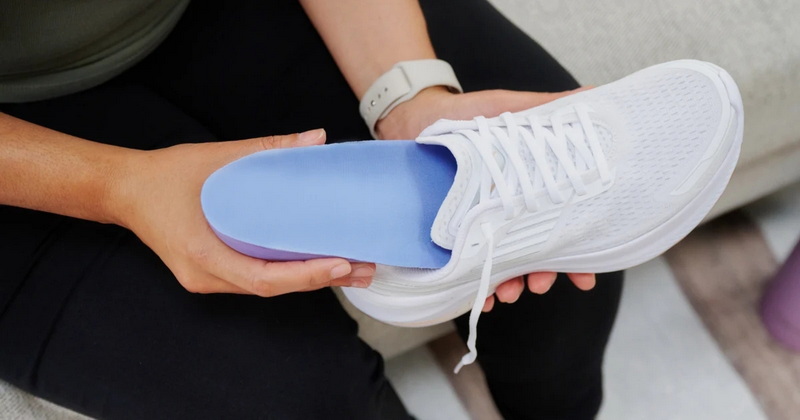
In most cases, you should not. Placing orthotics on top of insoles may cause uneven weight distribution, tightness, and instability. If your orthotics are 3/4-length, retaining the front half of the insole may be acceptable.
Check whether the insoles are removable and if the inner sole surface is flat. Running shoes, work boots, and orthopedic shoes are generally orthotic-friendly, while narrow dress shoes may require slim custom devices.
Allow one to two weeks of gradual adaptation. Start by wearing your orthotics for short periods each day, then extend duration as your feet adjust.
Yes, provided the shoes are similar in size and internal shape. However, excessive swapping can cause wear or deformation, so owning multiple pairs is preferable for daily users.
Typically every one to two years, depending on materials and usage intensity. Replace them sooner if the arch support flattens or if you notice discomfort and uneven wear.


