
Language
Views: 222 Author: Edvo Publish Time: 2025-12-14 Origin: Site


Content Menu
● What Medicare Considers an Orthotic Insert
● Situations Where Medicare Usually Covers Inserts
● Common Reasons Medicare Denies Coverage
● Medical Necessity and Documentation Standards
● Original Medicare Versus Medicare Advantage
● Out-of-Pocket Costs and Patient Strategy
● How Patients Can Improve Their Chance of Approval
● Practical Education and Counseling Ideas
● Opportunities for OEM Insole Manufacturers
● FAQ
>> 1. Are all orthotic inserts covered by Medicare?
>> 2. Do I need a prescription for Medicare to help pay for inserts?
>> 3. Does Medicare pay for multiple pairs of inserts every year?
>> 4. Can my Medicare Advantage plan offer better orthotic benefits?
>> 5. What should insole brands know about serving the Medicare market?
Medicare treats orthotic inserts as medical devices only when they are prescribed to correct or support a documented medical condition, not simply to improve everyday comfort. When eligibility rules are met, Part B can help pay for therapeutic shoes and inserts or for orthotic components that are part of a brace, but many popular consumer insoles fall outside this benefit.
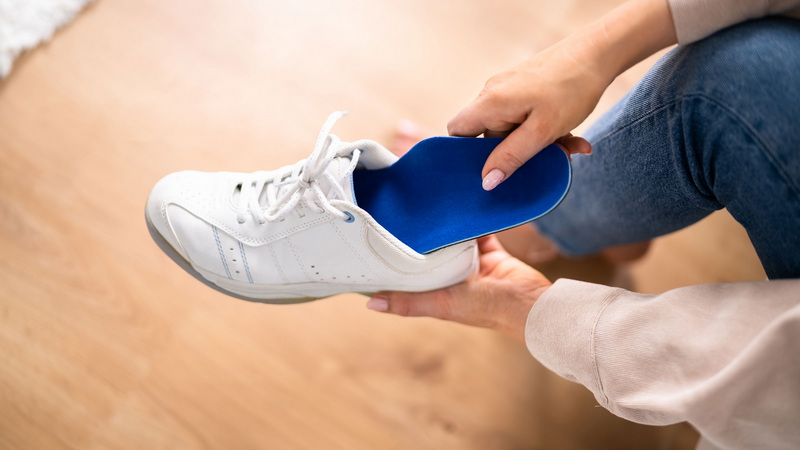
An orthotic insert under Medicare is a device placed inside footwear to support alignment, redistribute pressure, or correct deformity as part of a treatment plan ordered by a qualified professional. These devices are evaluated under the same medical-necessity principles that apply to other durable equipment, which means a clear link between the insert and a diagnosed condition is required.
Medicare distinguishes true orthotic inserts from mass-market cushioning products by looking at how the item is prescribed, fitted, and documented. If an insert is ordered by a doctor or podiatrist, linked to a specific diagnosis, and supplied by a participating provider, it is far more likely to be treated as a medical orthosis rather than as a retail comfort accessory.
The most well-known path to coverage is through the therapeutic footwear benefit for people who live with diabetes and have serious foot complications. In this situation, a doctor certifies that the patient has diabetes and qualifying risk factors, and an appropriate specialist helps fit therapeutic shoes and compatible inserts that protect the foot and reduce pressure.
Medicare can also cover inserts that are part of a broader orthotic brace, such as a device designed to control ankle or lower-limb motion after injury, surgery, or in cases of weakness. In these cases, the insert is treated as one component of a medically necessary orthosis that stabilizes the limb and helps the person walk more safely.
Most denials arise because the requested insert is considered a comfort product rather than a medical one. Cushioning insoles purchased in a store or online without a medical prescription, including many popular arch supports and sports insoles, are usually considered personal items and are excluded from the Medicare benefit.
Another frequent cause of denial is incomplete documentation. If the doctor’s notes do not clearly describe the diagnosis, the foot risks, and the reason a therapeutic insert is needed, the claim may be rejected even when the patient seems clinically appropriate. Using suppliers that understand Medicare’s requirements reduces the risk of technical denials.
For therapeutic shoes and inserts in diabetes care, Medicare expects the medical record to show a diagnosis of diabetes and at least one qualifying foot condition such as neuropathy, deformity, or a history of ulceration. The treating doctor must certify that the footwear and inserts are required as part of the overall treatment plan for that condition.
For orthoses unrelated to diabetes, such as ankle or knee braces, documentation must show that the device is needed to support a weak limb, control joint motion, or help the person function more safely. Detailed notes, including physical findings and functional limitations, make it easier for Medicare to verify that the insert and any attached bracing are medically necessary.
Original Medicare sets the baseline coverage rules for orthotics, therapeutic footwear, and inserts, and these rules apply nationwide. Beneficiaries use any enrolled supplier that accepts Medicare and follow the standard deductible and cost-sharing framework, while relying on their clinicians to provide the needed certification.
Medicare Advantage plans must provide at least this same level of coverage but have the flexibility to change how the benefit is delivered. Many plans require prior authorization, may restrict members to specific networks of orthotic providers and podiatrists, and may offer different copay structures for orthotic services compared to Original Medicare.
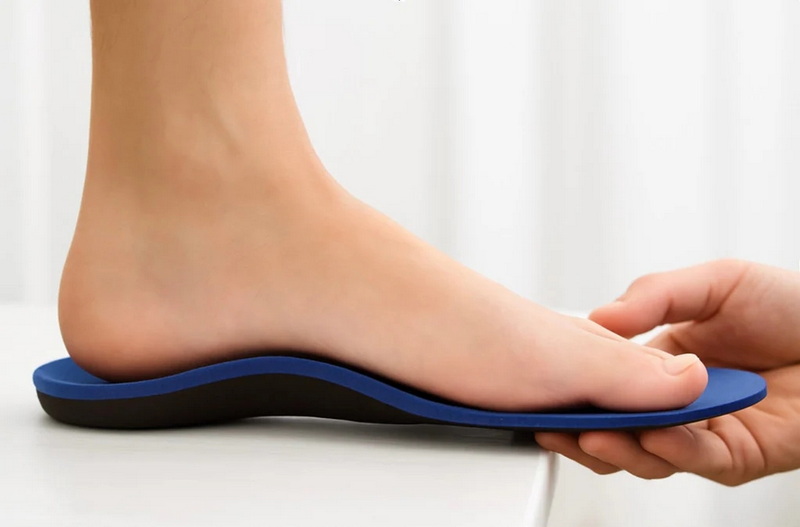
Even when orthotic inserts are covered, patients are generally responsible for a portion of the cost after the deductible is met. That cost share can feel significant for custom devices, so it is important for patients and providers to discuss expected charges before ordering high-end orthotics or therapeutic footwear.
Patients who want comfort-oriented or performance-oriented insoles that do not meet Medicare criteria should plan to pay for those items directly. A common strategy is to reserve Medicare-covered therapeutic products for high-risk medical situations while purchasing separate insoles for sports, leisure, or fashion footwear outside the program.
A key step is to talk with the treating doctor before purchasing any orthotic insert and ask whether it can be medically justified under Medicare rules. The doctor can clarify whether the situation fits the therapeutic footwear benefit, an orthotic brace benefit, or neither, and can adjust the treatment plan accordingly.
Patients should also make sure they use a supplier that is enrolled with Medicare and experienced in diabetic footwear or orthotic billing. These suppliers understand which forms are needed, how prescriptions should be written, and how to document fitting and delivery so that the claim aligns with Medicare’s expectations.
Medical and retail partners who serve older adults can educate customers by showing side-by-side examples of simple comfort insoles and medically prescribed orthotic inserts. Staff can explain, in simple terms, why one product is eligible for coverage while another is considered personal and not reimbursable.
Short educational sessions or online videos can walk through the process of getting a prescription, attending a fitting appointment, and caring for therapeutic inserts at home. Clear explanations of break-in schedules, daily inspection routines, and shoe selection help patients gain more benefit from their orthotics and reduce the risk of pressure points or skin problems.
For overseas brands, wholesalers, and footwear producers that supply the American market, there is a strong opportunity to partner with experienced insole factories that understand orthotic design. By co-developing inserts that follow medical shape profiles, pressure-relief zones, and supportive structures, brands can better align their offerings with clinicians’ expectations.
An OEM insole manufacturer can supply both medical-grade and comfort-focused product lines, allowing brand owners to serve clinics, pharmacies, and retail chains simultaneously. This flexibility helps distributors offer therapeutic inserts for high-risk patients alongside lifestyle comfort insoles for everyday users, building a more complete and profitable insole portfolio.
Medicare does cover orthotic inserts, but only when they clearly function as medical devices, such as therapeutic inserts for people with diabetes or components of prescribed orthotic braces. Comfort insoles and general arch supports usually remain personal purchases, even when they make footwear feel better.Patients, clinicians, suppliers, and insole brands all benefit from understanding these distinctions and planning product choices and documentation around them. When everyone in the chain works with Medicare’s rules in mind, patients at genuine medical risk gain access to supportive inserts, while brands still have room to innovate in the broader comfort and performance insole market.
No, Medicare only considers inserts for coverage when they are medically prescribed and linked to a qualifying condition, such as diabetes-related foot disease or the need for a stabilizing brace. Comfort insoles bought directly by consumers without a prescription are generally excluded and must be paid out of pocket.
Yes, a prescription from a qualified professional is essential, and it must be supported by clear clinical notes that explain why the insert is required. Without this documentation, a claim is likely to be treated as a request for a personal comfort item, which Medicare does not cover.
Medicare limits how many therapeutic shoes and inserts can be provided in a single benefit year, even for people with diabetes who qualify. After that allowance is reached, extra pairs are typically the patient’s responsibility unless there is an unusual medical situation and additional documentation.
A Medicare Advantage plan must at least match Original Medicare’s level of coverage for orthotic inserts and therapeutic footwear. Some plans may reduce cost sharing or bundle extra podiatry services, but they still rely on medical necessity and may require prior authorization or specific in-network suppliers.
Brands that want to serve the Medicare segment should focus on working with OEM manufacturers that can produce consistently shaped, supportive, and clinically oriented inserts. They should also collaborate closely with clinicians and suppliers who understand Medicare rules so that product design, labeling, and documentation all support successful claims.


