
Views: 222 Author: 3BU Technology Publish Time: 2026-05-22 Origin: Site


Gel and memory foam inserts both help redistribute pressure in post-surgical recovery shoes, but they do it in different ways and suit different types of patients and recovery timelines. As an OEM insole manufacturer, 3BU can combine both materials or tune each one to the specific pressure-map profile your clinical or brand partner is targeting. [actionproducts]
In post-surgical recovery, especially after foot, ankle, knee or hip procedures, pressure redistribution is not a "nice-to-have" – it is a clinical requirement to protect fragile tissue and surgical sites. At 3BU Technology, we see daily how small changes in insert material and geometry can change pressure hot‑spots on a pressure map and directly impact patient comfort and wound outcomes. This article compares gel inserts and memory foam inserts from both a clinical and manufacturing perspective, so brand owners and medical buyers can choose the right platform – or a hybrid solution – for their recovery shoe lines. [insolemaker]
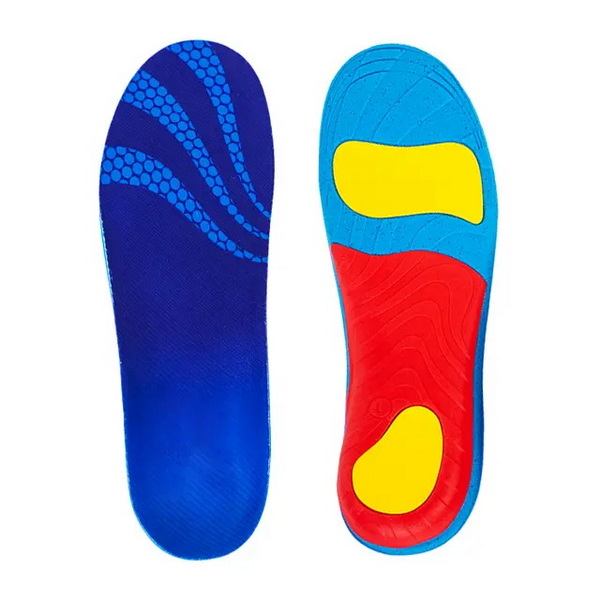
- Gel inserts (often viscoelastic gels or gel-like polymers) deform slowly and return to shape without fully compressing, which helps prevent "bottoming out" under bony prominences. [actionproducts]
- Memory foam inserts rely on slow-rebound polyurethane foam that contours around the foot, spreading load over a larger surface area but with a higher risk of full compression under higher body weights or prolonged static loading. [pmc.ncbi.nlm.nih]
From a pressure-redistribution standpoint in post-surgical shoes:
- Gel is often preferred where localized peak pressure must be minimized and shear forces controlled (e.g., heel, met heads, surgical incision areas). [actionproducts]
- Memory foam works well when the priority is overall cushioning and comfort perception over shorter wear periods or for lightweight to moderate‑weight patients. [pmc.ncbi.nlm.nih]
Factor | Gel Inserts | Memory Foam Inserts |
|---|---|---|
Primary function | Targeted pressure redistribution and shear reduction actionproducts | Global cushioning and contouring comfort pmc.ncbi.nlm.nih |
Risk of "bottoming out" | Lower if gel thickness and durometer are well designed actionproducts | Higher under high load/long static standing pmc.ncbi.nlm.nih |
Response to body heat | Minimal, stable across temperature ranges actionproducts | Softens with heat, increases conformity pmc.ncbi.nlm.nih |
Durability in medical use | High, stable over repeated sterilizable shoe use actionproducts | May lose thickness and rebound over time pmc.ncbi.nlm.nih |
Best for | High‑risk areas, heavy patients, long surgeries actionproducts | Light–moderate load, step‑by‑step comfort pmc.ncbi.nlm.nih |
Typical OEM optimization options | Gel pads, zones, honeycomb structures insolemaker | Multi‑density foam layers, CNC contouring insolemaker |
After foot or lower-limb surgery, patients are at higher risk of pressure injuries, delayed wound healing and pain because their gait and weight distribution are altered. Research in surgical positioning shows that inappropriate support surfaces can significantly increase the incidence of pressure ulcers, especially during long procedures and early recovery. [medscidiscovery]
For recovery shoes, three pressure-related goals are common:
1. Reduce peak plantar pressures under the heel, metatarsal heads, and surgical zones. [pmc.ncbi.nlm.nih]
2. Control shear forces that can disrupt sutures or delicate soft tissue. [actionproducts]
3. Maintain adequate blood flow by avoiding continuous high-pressure points. [medscidiscovery]
Gel and memory foam inserts approach these goals differently, so matching material to the clinical protocol is critical.
The global foot orthotics insoles market was valued at about 3.5 billion USD in 2024 and is projected to reach 5.8 billion USD by 2034, driven in part by medical and post‑injury applications. Within this growth, OEM buyers increasingly request custom pressure‑redistribution profiles, not just generic comfort insoles, as they work with hospitals, podiatrists and rehabilitation brands. [linkedin]
As a Chinese OEM on many "top manufacturer" lists, 3BU has seen a surge in inquiries for:
- Recovery shoe insoles with medically tuned durometers in gel and foam zones. [insolemaker]
- Inserts pre‑tested with pressure mapping systems for specific surgical indications. [intelmarketresearch]
- Hybrid constructions that combine gel pods with memory foam platforms to serve mixed patient populations. [insolemaker]
Viscoelastic gel pads maintain thickness under sustained load and flow slowly to spread pressure away from bony peaks. Unlike standard foams, gel "bottoms out" less easily, which helps keep interface pressures below critical thresholds in high‑risk zones. [actionproducts]
In post-surgical recovery shoes, gel is often placed:
- Under the heel to protect calcaneal fractures or plantar surgical incisions. [actionproducts]
- Under metatarsal heads to offload forefoot surgeries.
- Along the lateral or medial border in case of heel wedges or offloading designs.
- Better protection during long static loading (standing, sitting, OR positioning). [actionproducts]
- Lower shear due to the viscoelastic nature of the material, supporting fragile skin. [actionproducts]
- Radiolucent and latex‑free designs are possible, which is important for imaging and allergy‑sensitive patients. [actionproducts]
- High durability, enabling use across the full recovery period without significant performance loss. [actionproducts]
However, gel can feel firmer at first contact compared with plush memory foam, which some patients associate with less "softness" even when objective pressure data is superior. [actionproducts]
Clinicians and buyers may lean toward gel-based inserts for:
- High‑risk patients (diabetes, very limited mobility, older age). [intelmarketresearch]
- Cases where patients will spend long periods standing or sitting in recovery shoes. [actionproducts]
- Post‑operative protocols that prioritize preventing pressure injury over maximizing plush feel. [medscidiscovery]
Memory foam is a slow-rebound polyurethane foam that softens with heat and pressure, molding around the foot to increase contact area. Under dynamic walking loads, this contouring effect can significantly improve perceived comfort and reduce localized stress for light to moderate body weights. [pmc.ncbi.nlm.nih]
In post-surgical recovery shoes, memory foam is often used as:
- A full-length top layer for comfort over a firmer base.
- A custom-shaped insert matching orthotic shells or rocker‑bottom soles.
- An accommodative top cover over targeted gel pods.
- High subjective comfort – patients often describe the first step as "soft and forgiving". [pmc.ncbi.nlm.nih]
- Good conformity for mild deformities, calluses, or post‑operative swelling changes.
- Cost‑effective to scale at OEM level and easy to cut, grind and CNC shape. [insolemaker]
The main limitation is that memory foam can compress over time and under higher loads, reducing its ability to maintain low interface pressures during prolonged standing or when used by heavier patients. [pmc.ncbi.nlm.nih]
Recovery shoe programs may prioritize memory foam when:
- The patient is expected to mobilize quickly and not spend long periods fully weight‑bearing. [pmc.ncbi.nlm.nih]
- The brand wants a consumer‑friendly comfort message for retail or DTC channels.
- Budget-sensitive programs require a value‑engineered but still comfortable solution. [linkedin]
In practice, many successful post-surgical recovery shoes use hybrid inserts: gel in high‑risk zones plus a memory foam platform to maintain comfort across the rest of the foot. This allows OEMs and brands to balance objective pressure metrics with patient-reported comfort, which is key to compliance during recovery. [intelmarketresearch]
Typical hybrid structures we produce at 3BU include:
- Gel heel cup + memory foam forefoot for heel fractures or plantar heel surgery.
- Gel metatarsal pads + memory foam full-length base for forefoot surgeries.
- Tri-density constructions: firm EVA bottom, gel pods in risk areas, memory foam top cover.
From our internal pressure-mapping projects with brand and clinic partners, certain patterns repeat: [insolemaker]
- Adding a 2–4 mm gel pad under the heel can reduce peak heel pressure in post-surgical shoes compared with foam-only inserts, especially in heavier patients. [actionproducts]
- A full-length memory foam layer on top of a firmer base improves overall comfort scores but does not always reduce maximum pressure in the most vulnerable zones without additional gel components. [pmc.ncbi.nlm.nih]
- Hybrid designs often produce the best compromise between peak pressure reduction and patient satisfaction, especially when combined with rocker‑bottom recovery soles. [intelmarketresearch]
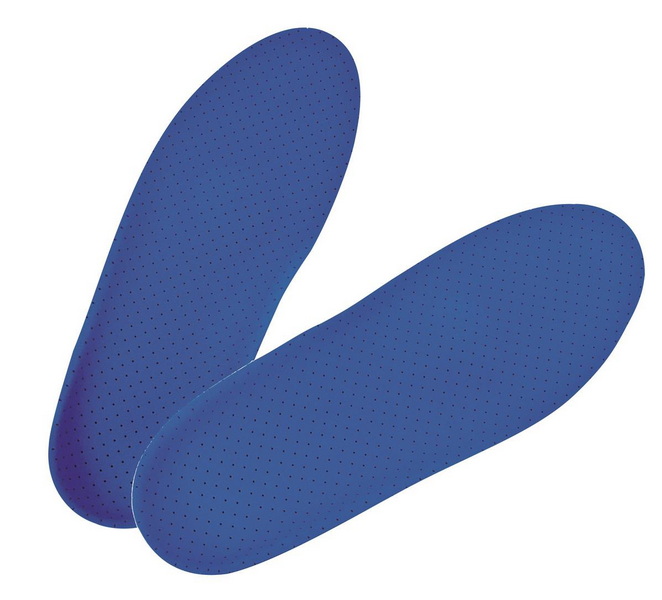
For post-surgical recovery shoe lines, you can use this simplified decision process:
1. Define the clinical priority
- High risk of pressure injury or fragile skin → favor gel or hybrid. [medscidiscovery]
- Faster recovery, lower risk, comfort‑focused → memory foam or hybrid.
2. Identify patient profile
- Higher BMI, limited mobility → stronger case for gel zones to avoid bottoming out. [actionproducts]
- Active, mobile, lighter patients → memory foam may be sufficient.
3. Review recovery duration
- Long-term wear (6–12 weeks) → prioritize durability and stable pressure profile (gel + dense foam). [actionproducts]
- Shorter protocols → softer, more comfort‑oriented foam can work.
4. Balance budget and branding
- Premium medical lines → multi‑material hybrid with visible gel features.
- Cost‑optimized lines → memory foam with strategic gel pads only in key zones.
As an OEM insole manufacturer, 3BU can help you design evidence‑informed inserts that match your recovery shoe strategy: [insolemaker]
- Material engineering: viscoelastic gel formulations, memory foam densities and thicknesses.
- Anatomical zoning: heel, metatarsal, arch, and lateral support pads based on pressure data.
- Integration with shoe design: rocker‑bottom soles, wedges, removable footbeds.
- Branding and differentiation: custom colors, textures, logos and packaging for retail or clinical channels.
From a UX perspective, what patients feel in the first 30 seconds often drives their perception of the entire product. Memory foam usually wins the first‑step test because it feels immediately soft, while gel may feel more supportive but less plush. Educating patients and clinicians about why a slightly firmer gel zone can actually protect soft tissue better can improve compliance and satisfaction. [pmc.ncbi.nlm.nih]
Best practices for UX communication:
- Highlight pressure redistribution, not just "softness", in product copy and packaging.
- Use simple diagrams showing how gel reduces peak pressure at the heel or forefoot.
- Provide clear usage instructions (break‑in time, wear schedule) inside the box.
- Wear your recovery shoes and inserts exactly as prescribed by your clinician.
- Check your skin daily for redness or hot spots, especially around surgical sites.
- If you feel persistent sharp pain or see skin breakdown, contact your doctor and consider whether a different insert configuration is needed.
- Do not trim or modify medical inserts without guidance, as this can change pressure distribution.
Whether your brand serves hospitals, podiatry clinics or retail recovery footwear, choosing between gel, memory foam, or a hybrid insert design will directly influence both clinical outcomes and patient satisfaction. As a leading Chinese OEM insole manufacturer, 3BU Technology can co‑develop pressure‑tested, private‑label insert solutions that align with your protocols, budget and branding. [intelmarketresearch]
If you need to launch or upgrade a post-surgical recovery shoe line, contact 3BU to:
- Review your current insert designs and pressure‑mapping data.
- Prototype gel, memory foam and hybrid constructions for your target indications.
- Validate comfort and pressure redistribution before mass production.
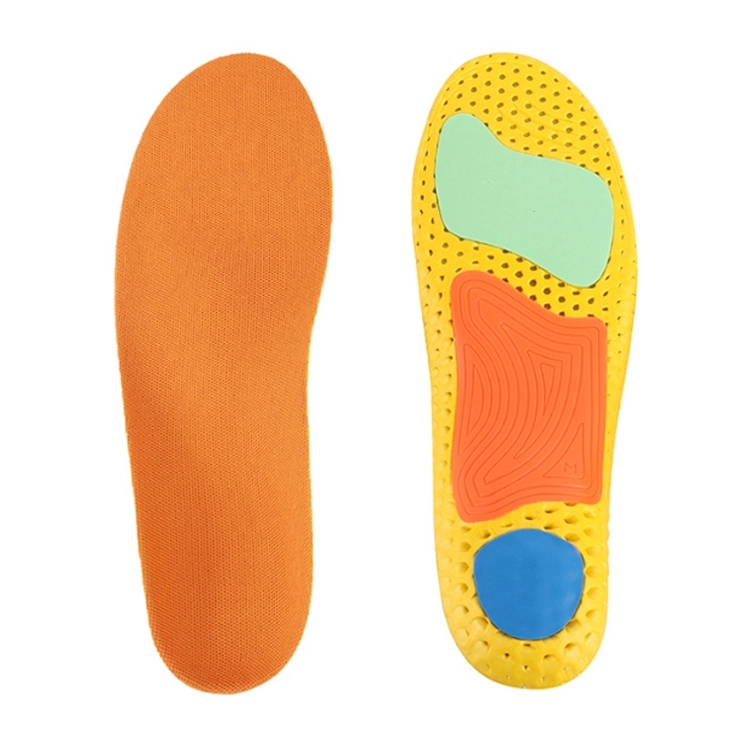
1. Are gel inserts always better than memory foam for post‑surgical shoes?
No. Gel often offers better protection against bottoming out and high peak pressures in high‑risk patients, but memory foam can be sufficient and more comfortable for lower‑risk or lighter patients. Hybrid designs often provide the best balance. [pmc.ncbi.nlm.nih]
2. How long do gel and memory foam inserts last in a recovery shoe?
Gel inserts typically maintain their thickness and pressure‑redistribution performance over the full recovery period, while memory foam can gradually compress, especially under high body weight or extended wear. Many protocols use a 6–12 week replacement window. [pmc.ncbi.nlm.nih]
3. Can I use the same inserts after my recovery is finished?
Some recovery inserts can transition into everyday shoes, but their geometry is often optimized for specific post‑surgical gait patterns and may not be ideal for long‑term daily wear. Always check with a clinician before long‑term use. [intelmarketresearch]
4. Do gel inserts make shoes heavier or hotter?
Modern viscoelastic gels add minimal weight and are designed to be temperature stable, but they can feel slightly firmer than thick memory foam layers. Proper ventilation channels and top fabric choices minimize any heat build‑up. [actionproducts]
5. How can OEM buyers test pressure redistribution before mass production?
Most leading brands and OEMs now rely on in‑lab plantar pressure mapping and pilot patient testing to compare gel vs memory foam vs hybrid configurations. 3BU can support this process with sampling, design iteration and technical documentation. [intelmarketresearch]
1. MedSciDiscovery – "The effect of gel foam mattress use during total hip replacements" (2018). [medscidiscovery]
2. Action Products – "Foam or Gel for Patient Position: What Does the Evidence Say?" (2020, updated guidelines discussion). [actionproducts]
3. Intel Market Research – "Foot Orthotics Insoles Market Outlook 2026–2034". [intelmarketresearch]
4. NCBI – "Comparison of Interface Pressures and Subjective Comfort of Support Surfaces in Medical Settings". [pmc.ncbi.nlm.nih]
5. Verified Market Reports / LinkedIn – "Orthotics Insoles Market Opportunities and Competitive Landscape". [linkedin]
6. Insolemaker – "Top 10 Orthopedic Insole Manufacturers in China – 3BU". [insolemaker]


