
Language
Views: 222 Author: 3BU Technology Publish Time: 2026-05-19 Origin: Site


Heated insoles provide controllable, on‑demand warmth but depend on battery life and electronics, while traditional wool warm insoles deliver silent, passive insulation that never "runs out" but cannot boost heat once your feet are cold. For extreme Arctic trekking, most expert setups combine heated insoles for critical hours with backup wool insoles or liners to guarantee baseline warmth and redundancy. [footmasterinsole]
Arctic trekking is unforgiving: once your feet lose heat, you risk frostbite, performance collapse, and expedition failure. As an OEM insole manufacturer supporting global outdoor brands, 3BU Technology has seen both heated insoles and wool warm insoles move from niche accessories to mission‑critical gear in polar expeditions. This guide draws on field feedback from brand partners, current product benchmarks, and manufacturing experience to compare battery‑powered heated insoles and traditional wool warm insoles for long, sub‑zero treks. [insolemaker]
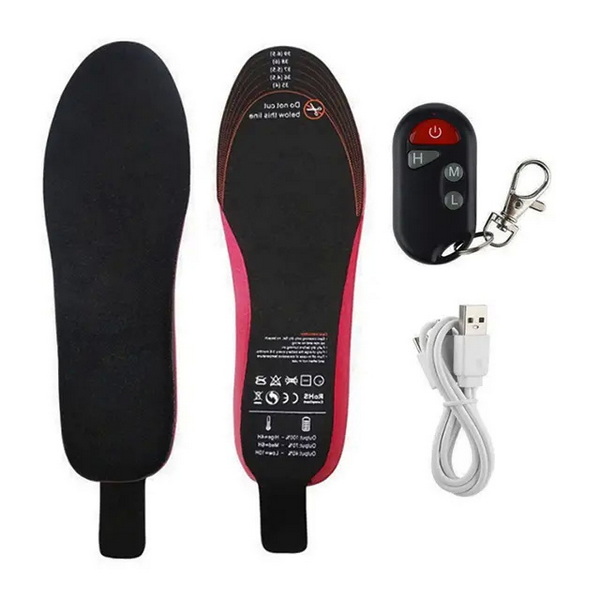
Modern heated insoles use thin carbon‑fiber or wire heating elements powered by rechargeable lithium‑ion batteries to raise in‑boot temperature above ambient conditions. Heat levels are typically adjustable through on‑device buttons or Bluetooth apps, allowing trekkers to fine‑tune warmth as wind, pace, and humidity change. In extreme cold, this active heating can prevent the downward spiral where numb toes reduce blood flow and accelerate local cooling. [therm-ic]
Key characteristics of heated insoles for Arctic trekking: [nrheat]
- Active, controllable heat output
- Rechargeable batteries (often 4–8 hours at low/medium settings)
- Multiple temperature modes for energy management
- Electronics that must be protected from moisture and impact
Wool insoles rely on dense natural fibers and trapped air pockets to create passive insulation that slows heat loss from the foot to the frozen ground. Wool naturally regulates temperature and can keep feet relatively warm even when slightly damp, which is crucial when sweat is unavoidable in heavy boots. Because wool is breathable and wicks moisture away from the skin, it supports long‑hour comfort and helps reduce blister risk compared with many synthetic liners. [handarteinsoles]
Key characteristics of wool warm insoles: [footmasterinsole]
- No power or electronics required
- Warmth depends on loft, density, and boot fit
- Naturally odor‑resistant and breathable
- Biodegradable and perceived as more sustainable
Factor |
Heated Insoles (Battery‑Powered) |
Wool Warm Insoles (Passive Insulation) |
|---|---|---|
Warmth potential |
High, adjustable heat for sub‑zero extremes therm-ic |
Moderate to high, limited by ambient conditions footmasterinsole |
Runtime / reliability |
4–8 hours typical per charge; dependent on battery and settings therm-ic |
Always "on," no runtime limit footmasterinsole |
Failure risk |
Battery drain, wiring, moisture, electronics failure theskimonster |
Very low; mainly compression and wear over time footmasterinsole |
Moisture & sweat management |
Depends on top cover; can trap moisture if poorly designed therm-ic |
Excellent wicking and breathability footmasterinsole |
Weight & bulk |
Additional weight from batteries and cables theskimonster |
Very light, no external hardware footmasterinsole |
Eco profile |
Mixed (electronics, Li‑ion cells) therm-ic |
Renewable, biodegradable wool footmasterinsole |
Use cases |
Extreme cold, low‑activity phases, high‑risk users nrheat |
All‑day wear, backup layer, low‑to‑moderate cold footmasterinsole |
Brand listings often quote 6–10 hours of battery life at low or "eco" settings, but actual runtime in Arctic windchill can be significantly shorter. Lithium‑ion batteries lose capacity as temperature drops; in testing by multiple winter sports gear reviewers, high‑heat modes can reduce usable life to 3–4 hours or less in deep cold. Trekkers who rely solely on marketing numbers without a power strategy often end up turning heat down mid‑day to avoid complete shutdown during the coldest hours. [theskimonster]
Practical lessons from field use: [active]
- Always carry spare batteries or power banks on multi‑day expeditions
- Use medium settings during steady movement; reserve high heat for static phases
- Store batteries close to the body inside layers when not in use to reduce cold‑induced capacity loss
From an OEM engineering perspective, battery management is as important as thermal design when building heated insoles for polar use. For extreme treks, many guides now recommend a structured routine rather than ad‑hoc adjustment. [therm-ic]
Example 3‑phase battery strategy for an Arctic trekking day (per boot): [nrheat]
1. Start‑up phase (first 30–45 minutes)
- Set heat to medium or high to quickly overcome boot cold‑soak.
- Once toes feel warmly comfortable, step down one level to conserve power.
2. Cruising phase (4–6 hours of active trekking)
- Maintain low or medium heat, depending on pace and wind.
- Monitor for hotspots or sweating; if socks feel damp, lower heat and adjust layering.
3. Critical cold phase (evening, static, camp)
- Reserve remaining battery for standing around camp, belays, or emergencies.
- If battery is nearly empty, switch to backup wool insoles or thicker socks to retain residual warmth.
As an OEM, 3BU Technology can tune heating element layout and battery capacity to match brand‑specific user profiles—for example, longer low‑heat runtime for long‑haul trekkers vs short, intense output for snowmobile or rescue operations. [foam-well]
High‑density wool insoles excel when temperature is low but not brutally extreme, or when the user has high metabolic heat output from continuous movement. In these situations, wool's ability to trap warm air while letting moisture escape keeps feet dry‑warm, which many guides rate as more important than feeling "hot." Because they never need charging, wool insoles are also ideal as a fail‑safe layer in case electronics fail or batteries are lost. [handarteinsoles]
Advantages that Arctic guides frequently highlight: [footmasterinsole]
- Stable performance over multi‑day routes without power planning
- Better odor control for long expeditions with limited washing
- Simple to dry and fluff inside tents compared with complex heated systems
However, even thick wool has a thermal ceiling: it can slow heat loss but cannot add thermal energy once your feet are cold. In static conditions below roughly −20 °C (with wind), trekkers with poor circulation or tight boots may still experience numbness even with premium wool insoles. This is where active heating can literally extend safe exposure time, especially during rest stops, night watch, or emergency immobilization. [theskimonster]
From both industry data and guide experience, the most resilient Arctic foot system uses heated insoles and wool together, rather than treating them as mutually exclusive. A common configuration is to use a thin heated insole with integrated heating zones, paired with a wool footbed or wool sock for moisture control and backup insulation. [handarteinsoles]
Typical expert setup for a 10‑day Arctic trek: [nrheat]
- Primary: Low‑profile heated insoles with mid‑capacity batteries
- Backup: One pair of dense wool insoles per participant, rotated daily
- Socks: Thin liner socks + mid‑weight wool outer socks
- Protocol: Heated system on during early morning, breaks, and camp; wool handles cruising hours if battery must be conserved
As an OEM partner, 3BU Technology can co‑develop dual‑system insole lines for brands—e.g., a heated model and a wool model that share the same last shape and thickness, so trekkers can swap them in the same boots without compromising fit. [insolemaker]
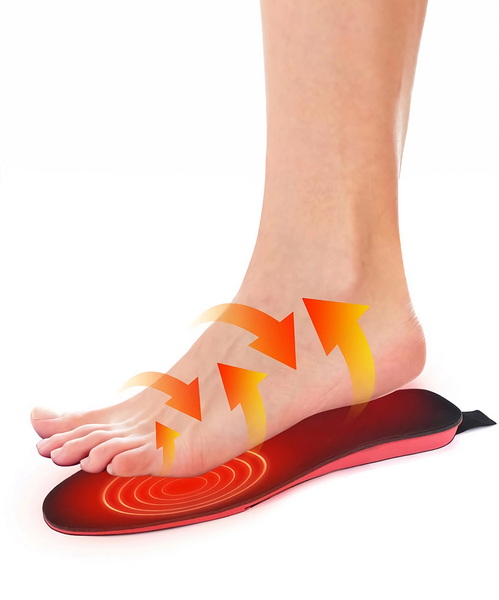
When planning an Arctic trekking insole line, brands should balance battery performance, material science, and field usability. Below is a practical decision guide that 3BU Technology often uses in OEM consultations. [active]
Question 1 – Primary use profile: [theskimonster]
- High‑output trekking, limited static time → prioritize wool warm insoles, optional heated add‑on
- Mixed trekking and long static phases → prioritize heated insoles with wool as backup
- Rescue, military, or logistics operations → maximize heated runtime and redundancy
Question 2 – Power logistics: [active]
- Daily access to charging (vehicles, base camps) → larger batteries with stronger output
- Limited charging (hut‑to‑hut, unsupported) → optimize lower‑draw systems, modular battery packs, and rely more heavily on wool
Question 3 – Brand positioning: [foam-well]
- Technical / high‑performance positioning → app control, multi‑zone heating, advanced PU/EVA chassis
- Eco‑driven positioning → natural wool, recycled backing foams, repairable or replaceable covers
3BU's R&D team can prototype different heating layouts, wool densities, and midsole foams so your product line covers both high‑tech and natural warmth segments under one brand story. [insolemaker]
Poor fit can cancel out the benefits of even the best heated insoles. If boots become too tight after adding electronics and battery leads, circulation drops and feet get colder. [theskimonster]
Fitting steps for heated insoles in Arctic boots: [therm-ic]
1. Remove the stock insole and fully loosen boot laces.
2. Trim the heated insole (if allowed) following printed guidelines, avoiding the heating element zone.
3. Test with the thickest sock system you plan to use and check for pressure points at toes and instep.
4. Ensure cables and battery mounts do not create hard spots against the ankle or cuff.
5. Walk for at least 15–20 minutes indoors; if toes tingle or go numb, increase volume or reconsider size.
Wool needs loft to insulate; if it is crushed by a boot that is too tight, performance drops sharply. A slightly roomier boot paired with a dense wool insole often outperforms an over‑stuffed boot with multiple layers fighting for space. [footmasterinsole]
Fitting steps for wool insoles: [handarteinsoles]
- Choose a thickness that still allows you to wiggle toes freely.
- Replace wool insoles once heavily compressed—flattened wool loses much of its thermal advantage.
- After each day, remove insoles, dry them in ambient air, and gently "fluff" the fibers by hand.
As a leading Chinese OEM insole manufacturer, 3BU Technology has over a decade of experience designing EVA, PU, and multi‑layer insoles for world‑class outdoor and footcare brands. For heated systems, our engineers focus on predictable battery behavior in cold conditions as much as raw runtime numbers. [foam-well]
We work with brand partners on: [insolemaker]
- Optimized heating zone placement (toes vs forefoot vs full‑foot)
- Matching battery capacity and chemistry to target temperature ranges
- Thermal testing in environmental chambers that simulate Arctic windchill
- Selecting upper textiles that balance wicking, grip, and durability
For wool warm insoles, manufacturing quality directly affects how long the product keeps its loft and shape under expedition loads. 3BU Technology can combine natural wool felts with EVA, PU, or cork bases to hit specific thickness, hardness, and flex targets for your boot range. [foam-well]
Brand partners often request: [footmasterinsole]
- Custom wool density and blend for different climate zones
- Ergonomic shaping with arch and heel support for long‑distance comfort
- Eco‑messaging via recycled underlayers and biodegradable components
Heated insoles are ideal for extreme cold, low‑activity phases, and users with poor circulation or prior cold‑injury history. They are also the best option when you must guarantee toe warmth during critical tasks like camp setup, rope work, or medical emergencies in sub‑zero conditions. [nrheat]
Wool warm insoles are best for long, continuous movement, moderate Arctic conditions, or as a no‑fail backup if batteries die. They are also preferred by eco‑conscious trekkers and brands that prioritize natural materials and simple field maintenance. [handarteinsoles]
If you are planning an Arctic trekking product line, consider developing both a heated insole and a wool warm insole to cover different user profiles and risk levels. As an OEM partner, 3BU Technology can support you from material selection and electronics integration to testing and branding, so you can launch a coherent, high‑performance "Arctic Foot System" rather than a single standalone product. [insolemaker]
To discuss custom heated or wool insole solutions for your brand's next Arctic or winter collection, contact 3BU Technology's R&D team with your target temperature range, activity profile, and market positioning. [foam-well]

Q1: Are heated insoles safe to use in wet, snowy Arctic conditions?
Most quality heated insoles use low‑voltage systems and water‑resistant housings, but they must still be kept within the boot's protective shell, and batteries should not be submerged. Choosing IP‑rated components and robust cable routing greatly reduces failure risk in snow and slush. [therm-ic]
Q2: Can I wear heated insoles and wool insoles at the same time?
You usually pair a heated insole with wool socks rather than stacking two insoles in one boot, which could restrict blood flow. However, brands can design low‑profile heated insoles that are thickness‑matched with their wool models so trekkers can swap them depending on the day's conditions. [theskimonster]
Q3: How many spare batteries do I need for a 7‑day Arctic trek?
This depends on your daily usage and charging options, but many winter guides recommend at least one full spare set of batteries per person, plus a shared power bank or solar/vehicle charging solution. If you rely heavily on high heat, doubling that capacity provides a safer margin. [active]
Q4: Will wool insoles still work if they get damp from sweat?
Wool continues to insulate even when slightly damp and can still keep feet relatively warm compared with many synthetic liners. The key is to dry wool insoles and socks thoroughly each night to prevent cumulative moisture buildup over multi‑day trips. [footmasterinsole]
Q5: How often should I replace heated and wool insoles?
Heated insoles typically last multiple seasons if electronics and batteries are handled correctly, though battery capacity will gradually decline. Wool insoles should be replaced when they become noticeably flattened or lose shape, as this indicates lost loft and reduced insulation. [therm-ic]
1. Footmaster Insole – "Why Felted Wool Insoles Are the Perfect Choice for Comfort and Warmth" (2024) – discusses wool insulation, comfort, and sustainability. [footmasterinsole]
2. Handarte Insoles – "Keep Your Feet Warm in Winter: Thermal Insoles" – explains wool thermal insoles and their use in winter footwear. [handarteinsoles]
3. Therm‑ic – "The best heated insoles to keep your feet warm!" (2025) – product examples and use recommendations for heated insoles. [therm-ic]
4. Active.com – "The Best Heated Insoles: Keep Your Toes Toasty Outdoors" (2023) – overview of leading heated insole models and runtime considerations. [active]
5. Nrheat – "Top 10 Best Heated Insoles for Hunting Winter" (2025) – compares heated insoles for extreme cold and long outdoor use. [nrheat]
6. The Ski Monster – "Heated Insoles vs Heated Socks: Which Is Better For Skiing?" (2025) – pros and cons of heated foot systems and battery strategies. [theskimonster]
7. Insolemaker / 3BU Technology – company profile showing 3BU as a leading OEM insole manufacturer serving global brands with EVA and PU insoles. [insolemaker]
8. Foam‑well – "Top 10 Best Insole Manufacturers in China" (2026) – lists 3BU Technology as a well‑known OEM insole factory. [foam-well]
9. Taobao Translation – example content on rechargeable heated insoles and self‑heating insoles, describing typical runtimes, temperatures, and design features. [fanyi.taobao]


