
Language
Views: 222 Author: Edvo Publish Time: 2025-11-29 Origin: Site


Content Menu
● Average Lifespan Of Foam Insoles
● Key Factors That Affect Lifespan
>> Material Type And Foam Density
>> Usage Intensity And Activity Level
>> Body Weight And Foot Mechanics
>> Environment, Moisture, And Hygiene
● Signs That Foam Insoles Need Replacing
● Comfort, Support, And Health Benefits
● Foam Insoles And Common Foot Problems
● Foam Insoles Versus Other Materials
● How To Extend The Life Of Foam Insoles
● Replacement Guidelines For Different Users
● OEM Perspective: Designing Long‑Lasting Foam Insoles
>> FAQ
>> 1. How often should foam insoles be replaced?
>> 2. Do memory foam insoles wear out faster than other foam types?
>> 3. Can cleaning foam insoles make them last longer?
>> 4. Are foam insoles suitable for running and sports?
>> 5. How can brands and OEM factories set realistic lifespan expectations?
Foam insoles generally last several months of regular use, but the exact lifespan varies depending on foam quality, user weight, activity level, and care habits. Understanding how long they typically perform well, and what makes them wear out faster, helps both consumers and footwear brands plan reasonable replacement cycles.
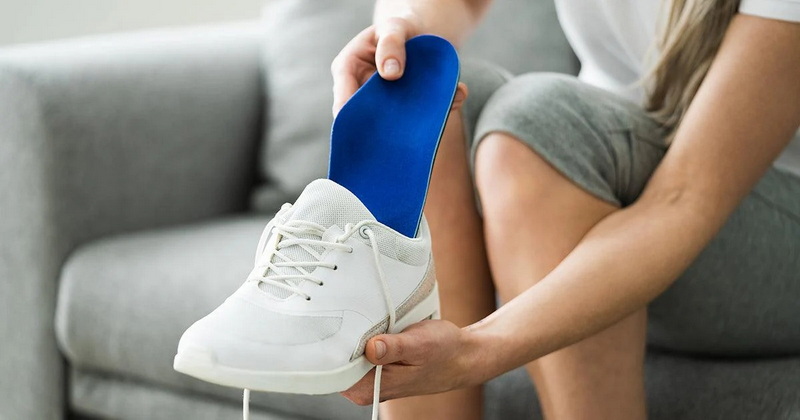
Foam insoles are removable layers placed inside shoes to add cushioning, shock absorption, and basic support for the feet. They are commonly made from EVA foam, PU foam, latex foam, or memory foam, and can often be trimmed to match different shoe shapes and sizes.
Foam is widely used in casual, athletic, and work footwear because it is light, easy to mold, and cost-effective. For international brands and wholesalers, foam insoles are attractive because they provide comfortable underfoot feel, flexible design options, and good value for high-volume OEM projects.
Most everyday users find that standard foam insoles feel comfortable and supportive for several months rather than years. For a large group of people, the practical range is roughly from a few months up to around three quarters of a year, depending on how intensively the insoles are used.
Light daily wear, such as walking short distances and working at a desk, may allow a pair of foam insoles to remain effective toward the upper end of this range. Intensive use, such as running, sports training, or long shifts standing on hard floors, tends to compress the foam much faster and pushes the lifespan toward the lower end.
Different foams age in different ways. EVA foam is firm, resilient, and lightweight, making it a popular choice for sport and lifestyle shoes. PU foam is often softer and more springy, providing a plush feel with strong shock absorption.
Memory foam offers a very soft, personalized sensation underfoot because it molds to the foot's shape. However, that same softness means it tends to compress and remain flattened more quickly than firmer foams. In general, higher‑density foam resists permanent compression better and usually lasts longer than very soft, low‑density foam.
A person who wears foam insoles for an hour or two a day will compress the material far less than someone who walks or stands for most of the day. Running, jumping, and other high‑impact activities multiply the number of compression cycles and increase the forces on the foam.
As a result, performance insoles used for sports or heavy work often need to be replaced more frequently than insoles used for casual walking. People who work on hard surfaces such as concrete, or who train several times per week, usually notice the cushioning fading sooner.
Body weight has a direct impact on how quickly foam cells break down. Heavier users place more load on the same contact area with every step, so the foam flattens more and recovers less over time.
Foot mechanics also matter. Overpronation, high arches, flat feet, or an uneven gait can concentrate pressure in specific zones, such as the inner heel, arch, or forefoot. This creates localized wear, where one part of the insole collapses earlier than the rest and support becomes unbalanced.
Heat, humidity, and sweat all accelerate foam aging. Moisture that stays in the shoe creates a warm, damp environment that encourages bacterial growth and weakens both the foam and the surface fabric.
If insoles are never removed to dry, they are more likely to deform, smell, and lose cushioning earlier. High temperatures, such as leaving shoes in a hot car or close to a heater, can also damage foam, soften adhesives, and cause layers to separate.
Calendar time is only one part of the decision. Visual and comfort‑based checks are more reliable and easier for customers to understand.
Common signs that foam insoles are worn out include:
- Noticeable flattening or compression where the heel and ball of the foot contact the insole.
- A feeling of “bottoming out,” as if there is little or no cushion between the foot and the shoe midsole.
- New or returning foot fatigue, soreness, or joint discomfort after standing or walking.
- Cracks, crumbling edges, wrinkles, or layers that peel apart.
- Persistent odor that remains even after careful cleaning and air‑drying.
Once these symptoms appear, it is wise to replace the insoles, even if the original time estimate has not fully passed.
Foam insoles provide more than just a soft feel. Good designs help distribute pressure more evenly across the sole of the foot, reducing hotspots and friction that can lead to blisters and calluses.
By absorbing part of the impact at each step, insoles reduce the stress transferred to ankles, knees, hips, and the lower back. People who stand or walk for long hours, such as retail workers, warehouse staff, and medical personnel, often experience less fatigue when using appropriate foam insoles.
For users with mild heel pain, tired arches, or general foot discomfort, supportive foam insoles can ease symptoms and contribute to better daily comfort. Although they are not a medical treatment on their own, they can play a helpful role in a broader foot‑care strategy.
Foam insoles are often recommended as a first‑line comfort upgrade for several common foot complaints. For plantar fasciitis and heel pain, insoles with adequate arch contour and a cushioned heel pad can reduce stress on the plantar fascia and soften heel strike.
People with flat feet often benefit from insoles that offer stronger midfoot and arch support, helping improve alignment and reduce fatigue. Those with metatarsalgia or forefoot pain can be helped by extra cushioning and pressure redistribution under the ball of the foot, which reduces local overload during push‑off.
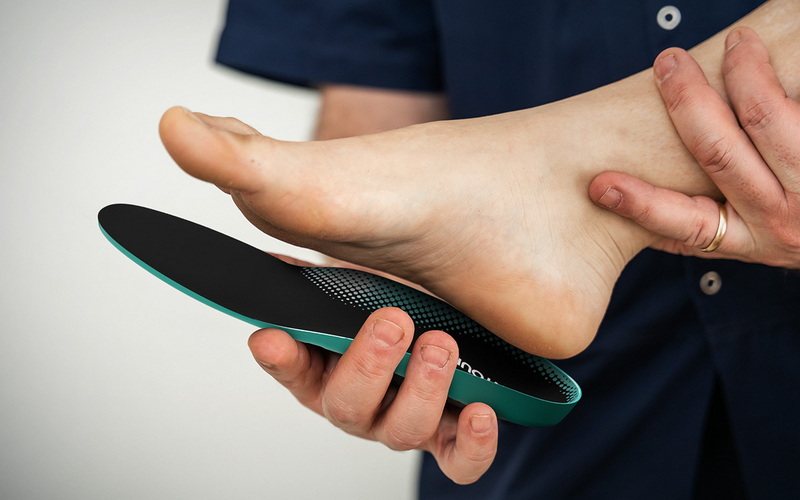
Foam is only one of several insole materials, but it is the most widely used because it offers a balanced combination of cushioning, support, and cost. Other options, such as gel, cork, leather, and wool, have their own strengths and typical lifespans.
In simple terms:
- Foam insoles provide versatile cushioning and can be tuned to offer mild to moderate support.
- Gel insoles excel at targeted shock absorption but often offer less structural support.
- Cork insoles are firmer, more supportive, and generally more durable, gradually molding to the foot.
- Leather or wool top layers add natural feel and moisture management, often paired with foam or other cores.
For high‑volume OEM production, foam remains the primary choice because it can be engineered in many densities, shapes, and constructions while keeping costs manageable.
Simple daily habits can significantly slow down wear. Removing insoles from shoes after use and letting them air out in a cool, ventilated place allows moisture to evaporate and helps prevent odor and material breakdown.
Rotating between two or more pairs of shoes or insoles is another effective method. By giving the foam time to recover between uses, compression damage is reduced and the insole maintains its cushioning properties longer.
Regular cleaning keeps foam insoles fresh and helps maintain the surface fabric. They should be cleaned gently with mild soap and lukewarm water, using a soft cloth or sponge. Heavy scrubbing, strong chemicals, or long soaking in water can damage the foam structure and adhesives.
After cleaning, the insoles should be air‑dried at room temperature, away from direct sunlight, radiators, or dryers. Machine washing and machine drying are not recommended because mechanical agitation and high heat can deform foam and shorten its service life.
Foam insoles work best when matched with shoes that have enough internal volume. Shoes that are too tight can bend, crease, and crush the foam, while shoes that are too loose allow the insole to slide and rub against the interior, causing early wear.
When not in use, insoles should be stored flat in a dry, cool environment. They should not be left under heavy objects or folded, as this can create permanent deformation. For seasonal shoes, removing insoles before long‑term storage helps prevent hidden moisture damage.
There is no single replacement schedule that fits everyone, but practical ranges can guide both consumers and sales staff.
Typical patterns look like this:
- Light casual users who walk short distances each day may only need replacement roughly once or twice per year, provided comfort remains good.
- Office and retail workers who stand or walk for many hours should expect to change their foam insoles every few to several months.
- Runners and active athletes may need new insoles every season, or even more often if training volume is high.
- Workers on hard surfaces or in hot, humid environments often experience faster wear and should inspect insoles frequently and replace at the first signs of flattening or discomfort.
By combining time‑based guidance with visual and comfort checks, users can avoid both premature replacement and overlong use of worn‑out insoles.
From the point of view of a professional OEM insole manufacturer, expected lifespan is a key design parameter. Different product lines, such as casual fashion shoes, safety footwear, and performance sports models, require different balances between softness, support, durability, and cost.
Important design choices include:
- Selecting foam types and densities that match target users, activities, and price levels.
- Using multi‑layer structures, for example a soft top foam for comfort combined with a firmer base or heel cup for stability.
- Choosing cover fabrics that are breathable, moisture‑wicking, and abrasion‑resistant to protect the foam core.
- Conducting wear tests and compression‑set testing to confirm that the insole maintains acceptable performance over the promised usage period.
Close communication between overseas brands, wholesalers, and the factory allows the insole design to match market expectations. Clear marketing messages about comfort, function, and recommended replacement time help end customers get the most from each pair.
Foam insoles usually remain comfortable and supportive for several months of regular use, with most people replacing them somewhere within a broad window of a few to several months. Actual lifespan depends on foam quality, body weight, activity level, and how carefully the insoles are cleaned, dried, and stored.
By watching for signs of flattening, loss of cushioning, or persistent odor, and by practicing good care habits, users can enjoy better comfort and foot health while getting maximum value from each pair. At the same time, brands and OEM manufacturers can design and position foam insole products with realistic, easy‑to‑understand replacement guidelines for their target markets.
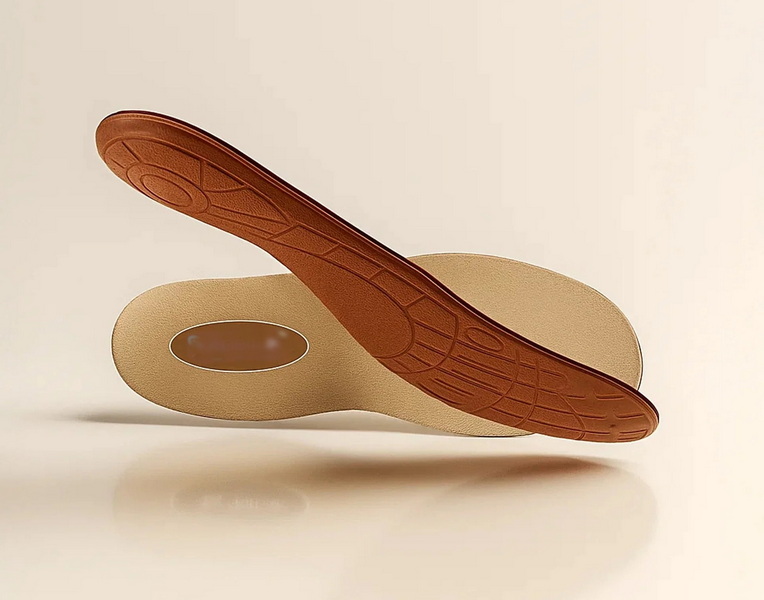
Foam insoles should be replaced whenever cushioning feels noticeably weaker, the surface shows heavy compression or damage, or foot discomfort returns. For many users, this happens within a few to several months, but heavy or very active users may need to replace them more frequently.
Memory foam insoles often wear out faster because they are softer and designed to compress around the shape of the foot. Over time, they may stay flattened and lose their original rebound. Firmer EVA or PU foam usually maintains its structure longer under the same conditions.
Proper cleaning helps control odor and prevents sweat and dirt from accelerating surface damage. While cleaning cannot reverse deep compression in the foam, it does slow down material breakdown and keeps the insole more pleasant to use throughout its natural lifespan.
Foam insoles are widely used in running and sports shoes because they combine cushioning, light weight, and flexibility. They are suitable for athletic use, but the higher impact means they normally need to be replaced more often than insoles used only for casual walking.
Brands and OEM factories should define target users, typical usage patterns, and price positioning at the beginning of the project. By choosing appropriate foam materials, thickness, and construction, and then verifying performance through testing, they can set clear replacement guidelines that match real‑world wear and keep customers satisfied.


