
Language


Content Menu
● Why Foam Insoles Need Regular Cleaning
● Preparation Before Cleaning Foam Insoles
● Basic Hand‑Wash Method For Foam Insoles
● Advanced Cleaning For Stubborn Stains
● Using Baking Soda To Remove Odor
● Using Vinegar Solution To Freshen Insoles
● Special Care For Memory Foam Insoles
● Why Machine Washing Is Not Recommended
● Drying Foam Insoles Correctly
● Daily And Weekly Maintenance Habits
● Storing Foam Insoles Properly
● When To Replace Foam Insoles
● Hygiene And Foot Health Benefits
● Simple Step‑By‑Step Routine For Everyday Users
● FAQ
>> 1. How often should I clean foam insoles?
>> 2. Can I soak foam insoles in water?
>> 3. Is it safe to put foam insoles in the washing machine?
>> 4. What is the best way to remove odor from foam insoles?
>> 5. When should I replace foam insoles instead of cleaning them?
Keeping foam insoles clean is essential for comfort, odor control, and foot health. When you understand the right methods, you can safely wash, deodorize, dry, and maintain your insoles without damaging the foam or shortening their lifespan.
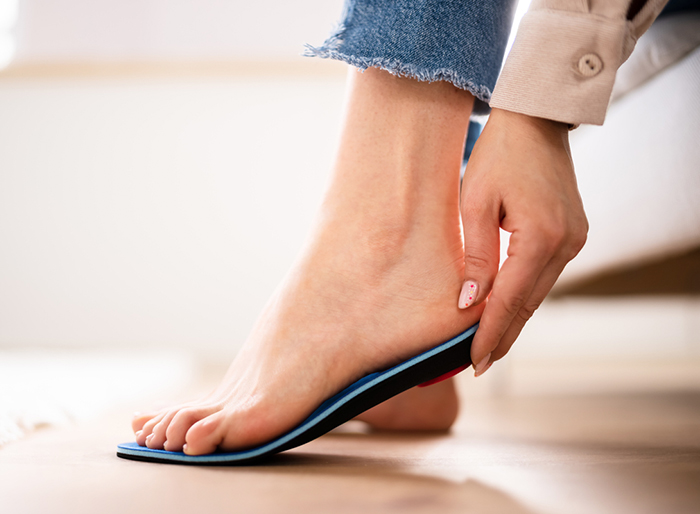
Foam insoles are removable inserts placed inside shoes to provide cushioning, shock absorption, and basic arch support. They are commonly made from EVA foam, PU foam, or memory foam, and may be covered with fabric, mesh, or microfiber.
Because foam is porous, it absorbs sweat, oils, and moisture from daily wear. Over time, this leads to odor, discoloration, and bacteria growth. Cleaning foam insoles correctly is not just a cosmetic step; it is also an important part of basic foot hygiene.
During walking, running, or standing for long hours, feet warm up and sweat into the shoes and insoles. The foam material absorbs this moisture, along with tiny particles of dust and skin. In a dark, closed shoe environment, microbes multiply quickly.
If insoles are not cleaned regularly, several problems appear:
- Persistent foot odor, even after washing feet.
- Visible dark stains, yellowing, or surface crust.
- Itchy or irritated skin due to bacteria and fungi.
- Shortened insole life as foam and fabric break down faster.
A simple cleaning routine prevents these issues, keeps shoes smelling fresh, and helps your foam insoles stay comfortable for much longer.
Before you start washing, a few preparation steps will make cleaning easier and safer for the foam.
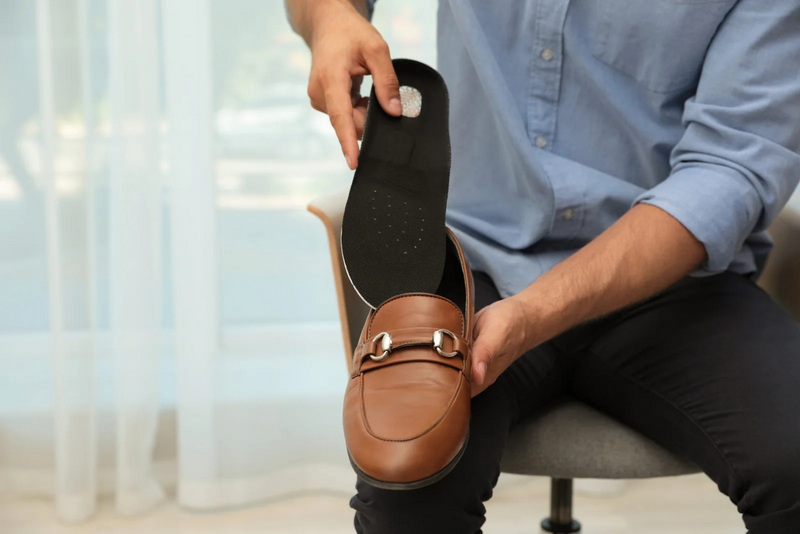
First, remove the insoles completely from the shoes. Never try to clean them while they are still inside, because moisture will stay trapped and the foam cannot dry properly. Separating the insoles also lets you reach every part of the surface.
Next, brush off loose dirt and dust. Use a soft brush or a dry cloth to remove sand, lint, hair, and crumbs. This prevents grit from scratching the fabric or being rubbed deeper into the foam during washing.
Finally, take a quick look at the material and any care instructions. Identify whether the insole is simple EVA, thicker PU, or memory foam with fabric layers. If there is a printed label or packaging suggestion, follow any specific warnings, such as “do not soak” or “air dry only”.
Hand washing is the safest way to clean most foam insoles. It gives you control over water temperature, detergent strength, and mechanical force. This prevents damage to the foam structure and adhesives.
Follow this method:
1. Fill a small basin or bowl with lukewarm water. Avoid very hot water, because high temperature can deform some foam materials and weaken glues.
2. Add a small amount of mild soap or gentle laundry detergent. A little is enough; too much detergent can be hard to rinse out and may leave residue that irritates skin.
3. Dip a soft cloth, sponge, or soft‑bristle brush into the soapy water, then squeeze it until it is damp but not dripping. The goal is to clean the surface without flooding the foam.
4. Place the insole flat, fabric side up, and gently scrub in small circles. Pay special attention to the heel area, the ball of the foot, and any visibly dirty spots. Work patiently instead of using strong pressure.
5. Flip the insole over and lightly scrub the bottom side. Even though this side does not touch the foot directly, it still collects dust and sweat from inside the shoe.
6. Prepare another cloth lightly dampened with clean water and wipe away soap residue from both sides. Use as little water as possible at this stage.
7. Press the insole between two dry towels to absorb surface moisture. Do not twist, wring, or fold the foam.
After this, the insole is ready for drying. The foam should look clean and feel only slightly damp.
Some foam insoles, especially those used for sports, outdoor work, or long commutes, develop heavy stains and darker zones. In these cases, you can use a targeted approach without soaking the entire insole.
A useful method is spot treatment. Place a small drop of diluted detergent or gentle stain remover on a stained area and let it sit for a few minutes. Then use a soft toothbrush to work in small circles over the stain. Move slowly to avoid pulling fabric or scratching the foam.
If the insoles have textured fabric or perforations, use the toothbrush to gently clean between grooves and holes. Avoid metal brushes or anything with stiff bristles that can damage the surface.
Once the stain looks lighter, wipe away soap with a lightly damp cloth. Repeat if necessary, and finish with towel pressing and air drying. This advanced cleaning is ideal when users do not want to replace the insoles yet but need a visible refresh.
Odor is one of the main reasons people want to clean their insoles. While washing removes dirt, deodorizing targets the smell caused by bacteria and sweat.
Two simple and effective deodorizing strategies are:
- Dry deodorizing with baking soda.
- Wet deodorizing with a mild vinegar solution.
These methods are easy, inexpensive, and safe for most foam materials when used correctly.
Baking soda is a classic household deodorizer that absorbs moisture and neutralizes smells. It is gentle enough for foam and fabric surfaces.
Here is a simple routine:
- Make sure the insoles are completely dry.
- Sprinkle a thin, even layer of baking soda over the top surface of each insole.
- Leave them in a dry place overnight, or at least for several hours.
- The next day, tap the insoles over a trash bin or use a small brush or vacuum to remove the powder.
For deeper odor treatment, you can place the insoles in a container or bag with extra baking soda. Do not seal them if the foam is slightly damp; always dry first, then deodorize. This method is especially helpful for athletic shoes and work boots that see heavy daily use.
A diluted white vinegar solution can also help remove odor and reduce bacteria on foam surfaces. Vinegar is naturally acidic, which makes the environment less friendly for many odor‑causing microbes.
To use this method:
- Mix equal parts white vinegar and clean water.
- Dampen a cloth with the solution; it should be moist, not soaking.
- Wipe the surface of the insoles, focusing on the heel and forefoot.
- After wiping with vinegar solution, use another cloth with plain water to lightly remove any leftover vinegar.
- Let the insoles air dry completely.
Because vinegar has its own smell, it is important to allow plenty of drying time. As the insoles dry, the vinegar scent fades and the overall odor becomes much milder.
Memory foam insoles offer slow‑rebound cushioning and customized shaping, but they are more sensitive to moisture and heat than regular foam. Extra care is needed to avoid damaging their structure.
Guidelines for memory foam:
- Always clean only the surface with a damp cloth and mild soap. Do not soak the insole or immerse it fully.
- Avoid strong scrubbing pressure. Instead, make repeated light passes over the area until it looks clean.
- Never twist, fold, or wring memory foam insoles. Doing so can create permanent creases or tears.
- Keep memory foam away from direct heat sources during drying. High temperature can change the foam's density and rebound.
If the memory foam insoles are heavily worn or have a deep, persistent odor, replacement is often a better choice than aggressive cleaning.
Many users ask if they can simply throw foam insoles into the washing machine. In most cases, this is not recommended.
Machine washing can cause several issues:
- Strong agitation might bend or crack the foam.
- Spinning can distort the shape, especially at the heel cup or arch area.
- Detergent levels may be too high, leaving residue that irritates skin.
- Bonding between foam, fabrics, and any extra pads can weaken, causing layers to peel.
Only if the manufacturer clearly states that insoles are machine washable should users consider this option. Even then, it is safer to use a gentle cycle with cold water, place insoles in a mesh laundry bag, and always air dry afterwards. For general foam insoles, hand washing remains the best practice.
Drying is just as important as washing. If moisture stays trapped inside the foam, odor returns quickly and bacteria continue to grow.
Follow these principles:
- After cleaning, press the insoles firmly between towels to remove as much surface water as possible.
- Lay the insoles flat in a cool, well‑ventilated area. A shaded balcony, open window, or room with a fan works well.
- Allow enough time, often overnight or longer, until the insoles feel dry all the way through, not just on the surface.
Avoid the following:
- Do not place insoles directly in strong sunlight for long periods, as this can fade colors and harden some foam types.
- Do not use tumble dryers, radiators, or hair dryers. High heat can warp the foam, shrink fabric, and damage adhesives.
Proper drying protects both the material and the overall comfort of the insole.
Good habits make cleaning easier and reduce the need for deep washing.
Helpful daily habits:
- After wearing shoes for many hours, remove the insoles and let them air out overnight.
- If insoles feel slightly damp, allow extra time before putting them back into the shoes.
Helpful weekly habits:
- Give insoles a quick dry brush or wipe every few days to remove dust and lint.
- For users with high activity levels, perform a full gentle wash about once a week or once every two weeks.
These simple steps control moisture, slow down odor build‑up, and extend the life of the foam.
When not in use, or when rotating multiple pairs of insoles and shoes, storage also matters.
Store foam insoles in a:
- Dry, cool location away from direct heat and strong sunlight.
- Ventilated area where air can circulate freely.
Try to keep each pair flat and avoid stacking heavy items on top of them. If the insoles are even slightly damp, never seal them in airtight bags or containers. Trapped moisture encourages mold and bacteria growth.
For brands and wholesalers, including storage tips in packaging or product manuals adds value and reduces customer complaints related to odor and deformation.
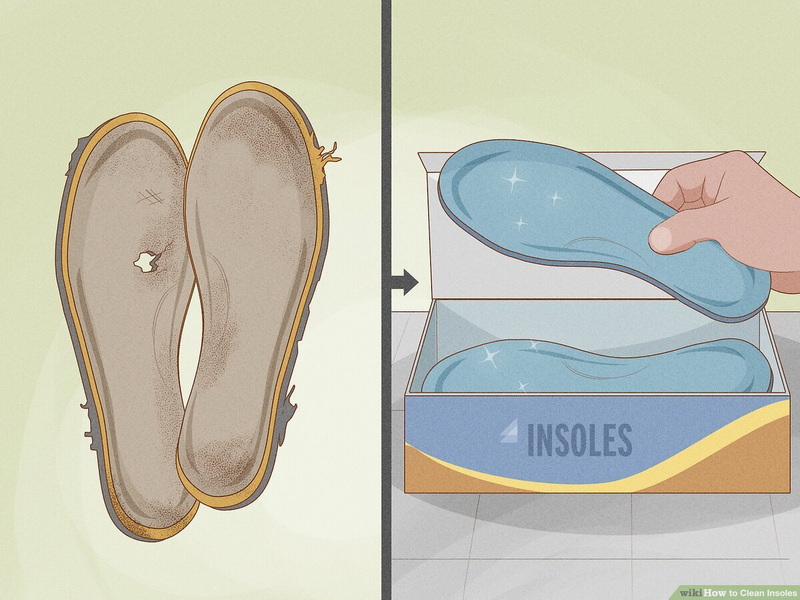
Even the best foam insoles eventually reach the end of their useful life. Cleaning can slow the process, but cannot reverse material fatigue.
Signs that it is time to replace foam insoles include:
- The foam feels flat and no longer bounces back after pressure.
- You notice hard spots, cracks, or peeling fabric.
- Odor returns quickly, even after thorough washing and deodorizing.
- Your feet feel less supported or more tired than before.
For people who wear the same shoes every day, replacement every few months is common. For runners, outdoor workers, or athletes, changing insoles more often may be necessary. Regular replacement keeps comfort high and supports better foot health.
Clean foam insoles do more than look and smell good. They support overall hygiene and reduce the risk of common foot problems.
Key benefits include:
- Lower bacteria and fungi levels, which helps prevent athlete's foot and skin irritation.
- Less sweat buildup against the skin, which improves comfort in warm climates and during long working hours.
- A healthier in‑shoe environment for people with sensitive skin, diabetes, or circulation problems.
When your foam insoles are clean, dry, and supportive, you are more likely to enjoy your daily walking, working, and sports activities without discomfort.
To make things practical, here is a simple routine that most users can follow:
1. After long wear, remove insoles from shoes and let them air out in a ventilated place.
2. Once or twice a week, brush off dust and lint and check for stains or odor.
3. Every one to two weeks, gently hand wash with lukewarm water, mild soap, and a soft cloth or brush, using minimal water.
4. Blot with towels and air dry completely before reinserting into shoes.
5. When the foam feels flat, smells bad even after cleaning, or shows damage, replace the insoles with a new pair.
This routine is easy to communicate to customers and helps them get the most value from every pair of foam insoles they purchase.
Cleaning foam insoles is a simple but powerful way to improve comfort, control odor, and protect foot health. By using mild soap, minimal water, and gentle hand washing, you can safely remove dirt and sweat without damaging the foam. Regular deodorizing with baking soda or a mild vinegar solution, combined with correct air drying and good daily habits, keeps insoles fresher for longer. When the foam finally wears out or odor becomes permanent, timely replacement ensures that every step remains cushioned, hygienic, and comfortable.
Light users can clean foam insoles every few weeks, while people who exercise frequently or stand all day should aim for a gentle wash about once a week. Daily airing and quick dry wipes in between help control odor and keep the foam fresh.
Soaking foam insoles in water is not recommended, because water can enter deep into the foam and is hard to remove completely. Instead, use a damp cloth or sponge with mild soap on the surface, then wipe with clean water and air dry.
Most foam insoles should not go into the washing machine, because agitation and spinning can deform the foam and damage adhesives. Only if the product is clearly labeled as machine washable should you consider it, and even then use a gentle cold cycle and always air dry.
The best method is to combine cleaning and deodorizing. First, wash the insoles gently with mild soap and water and let them dry completely. Then sprinkle baking soda over the surface and leave it overnight before brushing it off, or occasionally use a diluted vinegar wipe for stronger odors.
If the foam feels flat and hard, if there are cracks, peeling fabric, or permanent stains, or if odor returns quickly after cleaning, it is time to replace the insoles. Regular replacement ensures better cushioning, hygiene, and overall foot comfort.


