
Views: 222 Author: Edvo Publish Time: 2025-10-16 Origin: Site


Content Menu
● Understanding Arch Support Insoles
● Selecting the Right Materials
● Step-by-Step: How To Make Arch Support Insoles
>> Step 1: Measuring and Drafting
>> Step 2: Identifying the Arch Area
>> Step 3: Building the Foundation Layer
>> Step 4: Heat Molding for Custom Fit
>> Step 5: Applying Cushioning and Cover
>> Step 6: Testing and Final Adjustments
● Inside the Factory: Industrial Insole Manufacturing
>> 1. Design and Digital Modeling
>> 6. Testing and Quality Control
● Modern Innovations in Arch Support Insole Production
● OEM Production in China: Excellence in Customization
● FAQs About Making Arch Support Insoles
>> 1. How do I measure my arch type accurately?
>> 2. Which insole material lasts longest?
>> 3. Can insoles be customized for medical conditions?
>> 4. How can I clean my insoles effectively?
>> 5. Are handmade insoles suitable for athletes?
Proper arch support insoles are designed to align your feet, absorb shock, and promote healthy posture. Whether you want to create them by hand, use factory-level manufacturing, or produce them for OEM export, understanding each stage of the process ensures top-quality results. This expanded guide explores not only the hands-on steps for crafting insoles but also modern production techniques used by global manufacturers.

Arch support insoles are inserts placed inside footwear to stabilize foot alignment and reduce strain on the arches and joints. Their design typically combines hard structural materials beneath softer cushioning to maintain balance and relieve pressure.
The arch acts as the body's natural suspension system. Without proper support, long-term stress can lead to overpronation, plantar fasciitis, or back pain. Therefore, the insole's design must balance rigidity for structural integrity and softness for comfort during all-day wear.
Quality arch support insoles result from the correct combination of materials. Each layer serves a specific biomechanical purpose:
- EVA Foam (Ethylene Vinyl Acetate): Lightweight and easy to mold for rigid arch bases. It's also water-resistant and durable.
- PU Foam (Polyurethane): Offers high resilience and energy return, making it ideal for athletic use.
- Memory Foam: Molds to foot contours for superior comfort and pressure relief.
- TPU or Carbon Fiber: Provides structure and flexibility for professional orthotics.
- Gel Inserts: Absorb shock and reduce heel impact, especially useful for running shoes.
- Fabric Layer: Breathable and antimicrobial for odor resistance and skin comfort.
When preparing materials, it's advisable to store foam in a dry environment to maintain elasticity and ensure even density.
Start by removing the existing insole from your shoe and tracing its outline on EVA foam. This ensures a perfect fit for your specific footwear. Trim carefully around the edges and refine any irregularities using sandpaper.
Determine your arch height by performing a footprint test. A full footprint indicates flat feet, while a narrow print shows high arches. Mark the midsection of your insole where the arch naturally curves upward.
Use EVA or PU foam as your base layer. Cut several small curved pieces matching the shape of your arch and gradually stack them to the desired height. Each layer should blend smoothly into the rest of the insole to avoid pressure points.
Warm the arch area of your insole with a heat gun or oven (at around 70–80°C) and press it gently against your foot or a mold. This allows it to conform perfectly to your arch shape while retaining the necessary firmness once cooled.
Add a comfort layer of memory foam or PU on top. Then wrap the entire insole with breathable fabric using adhesive spray for secure bonding. This top cover protects the structure and enhances aesthetic appeal.
Place the finished insole inside your shoes and test it while walking for a few minutes. If the arch feels unbalanced, slightly sand down or reinforce areas as needed. Comfortable pressure distribution without localized strain indicates a successful fit.
For large-scale or OEM production, advanced technologies are employed to ensure uniformity and ergonomic performance.
Factories typically start with 3D foot scanning to capture exact dimensions, followed by CAD software modeling to build templates for various foot types. Engineers fine-tune factors such as heel-to-arch slope, thickness, and pressure zones during this stage.
Sheets of EVA, PU, or TPU are prepared in specific thicknesses. Machines preheat these sheets to soften the structure, allowing precision molding. Multi-layer rolls are then laminated for hybrid construction.
- Die Cutting: Used for standard insole shapes.
- CNC Milling: For precise cuts in custom orthotics.
- Thermoforming: Uses heat and pressure molds to shape layered foams into ergonomic contours.
Each type of cutting ensures exact size tolerance, typically within ±0.5 mm, crucial for bulk OEM orders.
The shaped base is bonded with cushioning and top fabric layers. Adhesive adhesives or eco-friendly solvent glues are often used for industrial lamination. The insoles then go through pressing machines that fuse the sections under controlled pressure.
Once the insoles are assembled, they are edge-trimmed and surface-polished to ensure perfect uniformity. A finishing inspection includes checking flexibility, density, and symmetry between both feet.
Professional-grade insoles undergo multiple tests:
- Compression Test: Measures deformation under constant load.
- Flex Test: Ensures durability across thousands of bending cycles.
- Abrasion Test: Evaluates surface wear over extended use.
- Antimicrobial Test: Confirms hygienic performance of the top layer.
Each finished piece is categorized by size, hardness grade, and user type—athletic, orthopedic, or lifestyle.
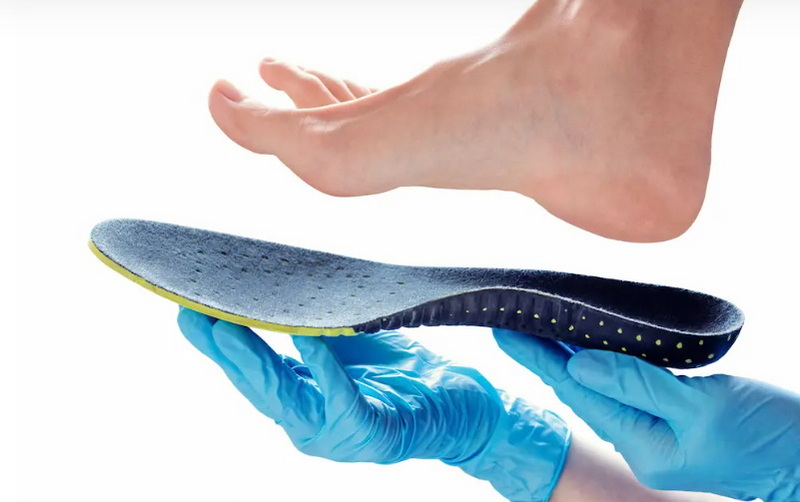
Cutting-edge technology has introduced new possibilities in comfort engineering:
- 3D Printing: Combines digital scanning and selective layer printing for fully customized orthotics. Thermoplastic elastomers and PLA provide flexibility and eco-friendliness.
- Carbon Fiber Reinforcement: Lightweight yet extremely strong, this material is favored in sports insoles.
- Smart Insoles: Embedded sensors now allow real-time pressure analysis for medical diagnostics.
- Eco-Conscious Materials: Manufacturers are adopting biodegradable foams and recycled fabrics to minimize environmental impact.
These advancements not only improve the biomechanical performance of insoles but also extend their lifespan and sustainability profile.
China remains a global leader in OEM insole manufacturing due to advanced molding lines and material innovation. Factories integrate digital cutting lines and automated lamination systems capable of handling thousands of pairs per day.
Custom branding options include:
- Embossed or printed logos
- Private label packaging
- Anti-odor finishing treatments
- Moisture-wicking polyester covers
Many manufacturers also support ergonomic design solutions for international customers, offering personalized fit adjustments based on foot-scanning files or biomechanical data.
To extend the lifespan of your insoles:
- Wash gently using mild soap and water.
- Air dry in the shade—avoid exposure to sunlight or dryers.
- Replace after visible wear, especially if cushioning loses resilience.
- Store in a cool, dry area to prevent odor or mold buildup.
With proper care, high-quality insoles can last 12–18 months depending on usage intensity.
Learning how to make arch support insoles opens up endless possibilities for both personal comfort and commercial development. Whether hand-crafted or mass-produced, the key lies in accurate design, ergonomic material selection, and precise shaping. OEM factories continue to refine insole production with digital tools and sustainable materials, ensuring each pair offers superior stability, comfort, and durability. From sports performance to everyday wear, custom arch support insoles remain vital for maintaining healthy posture and long-lasting foot wellness.
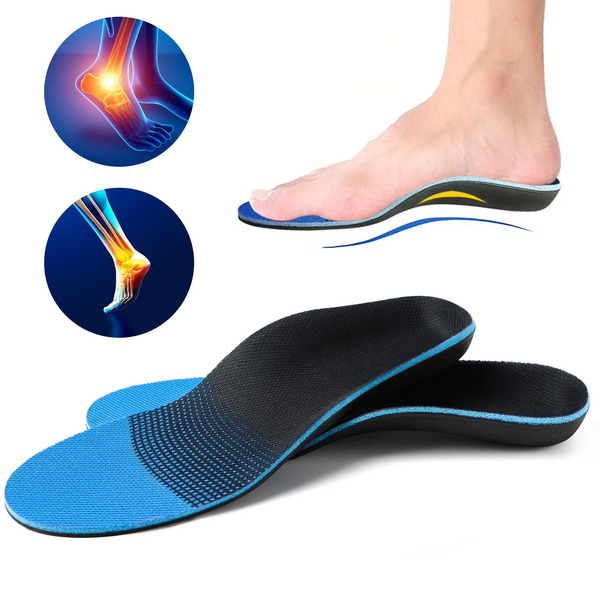
Try the wet foot test: stand on a piece of paper after wetting your foot. The amount of print left indicates whether you have a low, medium, or high arch, helping you select the correct insole design.
EVA combined with TPU reinforcement delivers optimal durability and support, maintaining structural integrity even after months of use.
Yes. Orthopedic insoles can be modified with metatarsal pads, heel cups, or medial posts tailored to conditions like plantar fasciitis or flat feet.
Use a damp cloth with mild detergent. Avoid submerging them fully in water, which could weaken adhesive bonds or foam layers.
Handmade models are ideal for personal use or casual wear, but athletes benefit more from machine-molded insoles that maintain uniform arch support under high-impact stress.


