
Language
Views: 222 Author: Edvo Publish Time: 2025-11-30 Origin: Site


Content Menu
● What Are Heat Moldable Insoles?
● Key Benefits Of Heat Moldable Insoles
● Recommended Materials For Heat Moldable Insoles
>> EVA Foam
>> PU Foam
>> Top Cover And Comfort Layers
● Basic Structure Of A Heat Moldable Insole
● Overview Of The OEM Manufacturing Process
>> Step 1: Material Preparation And Cutting
>> Step 2: Lamination And Bonding
>> Step 3: Thermoforming And Molding In The Factory
>> Step 4: Cooling And Shape Stabilization
>> Step 5: Trimming, Grinding, And Finishing
● Alternative Production Techniques
>> 3D Printing And CNC Milling
● How Consumers Heat Mold Insoles At Home
>> Typical Home Molding Procedure
>> Key Safety Guidelines For Users
● Design And Performance Tips For OEM Brands
>> Balancing Flexibility And Rigidity
>> Hygiene, Odor Control, And Comfort
● Table Of Core Design Elements
● Care And Maintenance After Molding
● FAQ
>> 1. What makes an insole heat moldable?
>> 2. Can heat moldable insoles be remolded?
>> 3. Do heat moldable insoles work in all shoe types?
>> 4. Are heat moldable insoles a replacement for medical orthotics?
>> 5. How long do heat moldable insoles usually last?
Heat insoles are thermoformable footbeds that soften under controlled heat and then cool in the exact shape of the wearer's feet, providing a more personalized fit than standard flat insoles. They are widely used in sports, work footwear, outdoor boots, and custom orthotics because they can improve comfort, stability, and pressure distribution across the plantar surface.
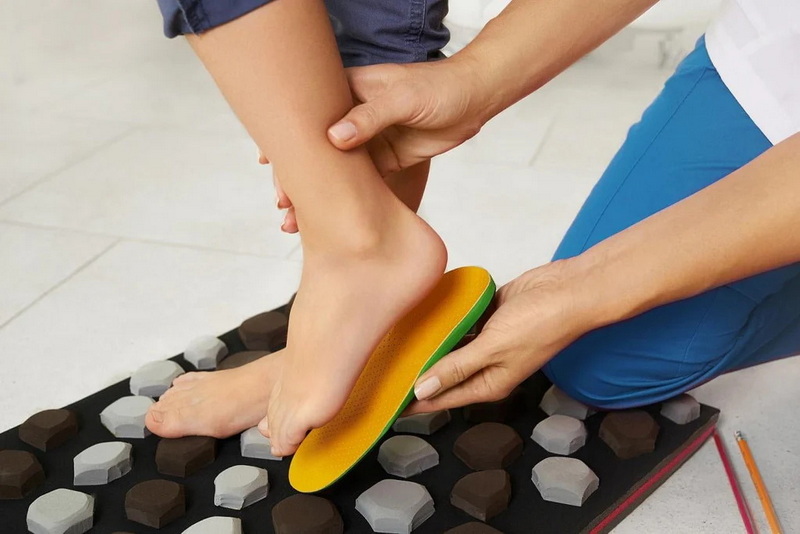
Heat moldable insoles are made from materials that become pliable at relatively low temperatures and then retain a customized contour after cooling. This property allows the insole to match the user's arch height, heel shape, and forefoot pressure zones more accurately than generic inserts. Many designs can be pre‑shaped in the factory and then heat‑fine‑tuned by the end user at home.
- Customized fit that follows the actual foot shape instead of a generic last.
- Better support for the arch and heel, which can help reduce fatigue.
- Improved pressure distribution that can help reduce hot spots and localized discomfort.
- Shorter break‑in period compared with conventional insoles.
Choosing the right materials is the foundation of a successful heat moldable insole. For OEM manufacturers, combining cushioning and structural components is essential.
EVA (ethylene‑vinyl acetate) foam is one of the most common base materials for heat moldable insoles. It is lightweight, shock‑absorbing, and relatively easy to thermoform at controlled temperatures. Different densities of EVA can be selected to match the target application, for example softer grades for comfort insoles and firmer grades for sports or work footwear.
PU (polyurethane) foam provides durable cushioning and good resilience over time. It is often used as a mid‑layer combined with a separate thermoplastic shell or harder EVA component. PU foams can be formulated in different hardness levels and thicknesses, giving brands flexibility when designing products for various weight ranges and activity levels.
Many heat moldable insoles include a thermoplastic shell in the arch and heel area. This shell is typically made from materials such as TPU, TPE, or other orthotic‑grade plastics that soften when heated and then set into a stable shape. The shell is responsible for controlling pronation, stabilizing the heel, and holding the custom arch contour after the molding process.
On top of the structural layers, brands usually add a top cover and comfort layer. The top cover might be a moisture‑wicking fabric, microfiber, or antimicrobial textile designed to manage sweat and reduce friction. Below that, a thin comfort layer of soft EVA or PU can improve step‑in feel and help with shock absorption under the heel and forefoot.
A typical heat moldable insole includes several working layers that each play a specific role.
- Top cover: The surface that contacts the foot or sock, usually soft and breathable.
- Comfort foam: A layer of EVA or PU that cushions impact and increases overall comfort.
- Moldable shell: A thermoformable component under the arch and heel that records the shape.
- Bottom stabilizer: Optional harder foam or rubber to provide rigidity, abrasion resistance, and stability in the shoe.
This multi‑layer construction allows OEM manufacturers to tune comfort, support, weight, and cost for different markets and price points.
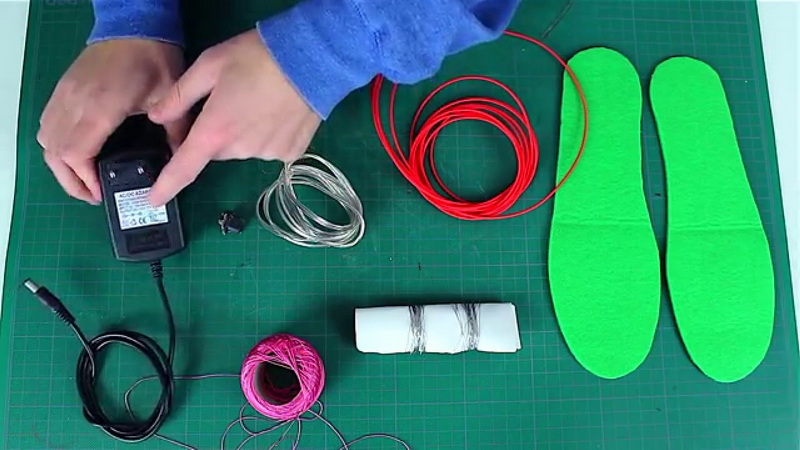
From an OEM perspective, making heat moldable insoles involves several core stages. These stages can be adapted depending on whether the focus is on high‑volume production or specialized orthopedic products, but the logic is similar.
- Material selection and formulation.
- Sheet preparation, lamination, or injection molding.
- Thermoforming over molds or lasts.
- Trimming, grinding, and finishing.
- Quality control, testing, and packaging.
In most factories, production starts with sheets or blocks of EVA, PU, and thermoplastic materials. These are prepared in specific thicknesses and hardness levels according to the product design. The material blanks are then cut using die‑cutting presses, CNC cutting machines, or milling equipment.
Cutting accuracy is crucial, because it affects the final outline, size grading, and how well the insole fits into different footwear models. For multi‑layer constructions, each layer can be cut separately and then combined in later lamination steps.
Once the components are cut, the next step is lamination. Adhesives are applied between the top cover, foam layers, and structural shells. Manufacturers can use heat‑activated adhesives, water‑based systems, or other bonding technologies depending on the materials and production speed required.
The bonded layers are passed through heated presses or rollers to apply pressure and activate the adhesive. Proper lamination ensures that the layers do not separate during heat molding or daily use. At this stage, additional small pads such as heel cushions, metatarsal pads, or forefoot shock‑absorbing plugs can also be added.
To create a pre‑contoured profile, the laminated insole blanks are thermoformed. The blanks are placed in an oven or under infrared heaters until the thermoformable layer becomes soft and pliable. The heating temperature and duration are carefully controlled to avoid burning the foam or damaging the adhesive.
After heating, the blanks are quickly transferred onto a mold, last, or vacuum forming system. A heel cup, arch height, and toe spring shape are formed while the material is still soft. This step defines the basic three‑dimensional shape of the product. For orthopedic models, dedicated foot shapes or medical lasts can be used to achieve more precise corrections.
Right after forming, the insoles need sufficient time to cool while held in the mold or under vacuum. Cooling stabilizes the shape and helps the plastic and foam recover internal strength. If cooling is too fast or uneven, internal stress can cause warping or deformation later in the product's life. OEM manufacturers therefore set specific cooling times and may use air or water‑cooled tooling to keep the process consistent.
When the insoles are fully cooled, they are removed from the molds and transferred to the finishing line. Workers or automated machines trim any excess material along the edges to match the exact shoe last profile. The bottom and sides can be ground to fine‑tune the thickness and to ensure a smooth, clean appearance.
At this stage, posting or wedging can be added to adjust angles for certain models, especially in orthopedic applications. Logos, size markings, and product information are also printed or embossed. Finally, the insoles are brushed, cleaned, and visually inspected for defects before moving to packaging.
While traditional sheet lamination and thermoforming are very common, OEM factories can also use other technologies depending on the product design.
For some thermoplastic shells or complete insole bases, injection molding is used. Resin is injected into a mold, forming a precise component with built‑in thickness changes, ribs, or ventilation channels. This method is suitable for high‑volume products that require consistent geometry and high structural strength.
Compression molding methods are also widely used, especially for EVA‑based products. Pre‑cut material is heated, then compressed inside a mold that defines the final shape. Cooling systems in the mold help stabilize the structure. This technique is effective for insoles with relatively complex geometry but still based on foam sheets.
In the high‑end custom orthotic segment, 3D printing and CNC milling are increasingly used. Thermoplastic or foam blocks are shaped according to digital foot scans. Heat moldable elements can still be included so that the final fitting can be fine‑tuned by heating and adjusting in the clinic or store. These methods allow extremely precise customization but are usually more expensive and lower in volume.
From a user's perspective, heat molding is usually a simple process that can be done with basic household equipment. Brands should always give clear written instructions, but the general steps follow a similar pattern.
1. Remove the original insoles from the shoes so there is enough room for the new moldable insoles.
2. Preheat a conventional oven to the temperature recommended by the insole manufacturer.
3. Place the new insoles in the oven for the specified time so that the material softens.
4. Quickly insert the warm insoles into the shoes, making sure left and right are correct.
5. Put on the shoes and stand in a natural posture for several minutes while the insoles cool and set to the foot shape.
Some brands also recommend sitting first and then standing, or gently flexing the knees to ensure even pressure over the entire foot during cooling.
To avoid damage to the product or injury, consumers should pay close attention to heat and time. The insoles should never be overheated, and they should not be placed directly on oven elements or open flames. If the product includes metallic or electronic components, the manufacturer's instructions must be followed strictly, and in some cases a heat gun or specialty heater may be recommended instead of an oven.
OEM manufacturers can significantly influence the performance and user experience of heat moldable insoles through design decisions.
Different sports and activities require distinct support profiles. Running insoles might focus on heel shock absorption and midfoot stability, while hiking or work boot insoles may need stronger arch reinforcement and thicker forefoot cushioning. By adjusting foam density, shell stiffness, and geometry, a single material family can serve multiple market segments.
A successful heat moldable insole must remain flexible enough to adapt to the user's foot but rigid enough to provide real support. This balance is usually achieved by combining soft and firm materials, and by designing variable thickness in critical areas. For example, the arch may use a rigid shell covered with softer foam, while the forefoot remains more flexible for natural toe‑off.
Because insoles work in a humid environment inside the shoe, hygiene is an important design consideration. Antimicrobial top covers, breathable foam structures, and moisture‑wicking fabrics can help control odor and bacterial growth. Perforations in the forefoot area and channels under the arch can enhance air circulation and make the insole feel cooler during long wear.
| Design Element | Main Function In Heat Moldable Insoles |
|---|---|
| EVA or PU foam layer | Provides cushioning and helps absorb impact during movement. |
| Thermoplastic shell | Records foot shape during heating and delivers structural support. |
| Top cover fabric | Enhances comfort, moisture management, and perceived quality. |
| Heel cup geometry | Stabilizes the rearfoot and helps control unwanted motion. |
| Forefoot design | Manages pressure distribution and assists with propulsion. |
After heat molding, proper care is important to maintain performance and lifespan. Users should allow insoles to dry completely after heavy sweating and should not leave them near high heat sources such as radiators or car dashboards under direct sunlight. Gentle cleaning with mild soap and water is usually suitable, but harsh chemicals should be avoided to protect foams and adhesives.
OEM brands can include clear care instructions in packaging or on product tags. This small step can reduce complaints and returns, and it helps users enjoy the full value of their custom‑fit insoles for a longer time.
Heat moldable insoles combine thermoformable materials, multi‑layer construction, and controlled heating to deliver a customized fit that standard flat inserts cannot match. For OEM brands, understanding how to choose EVA, PU, and thermoplastic components, how to manage lamination and thermoforming, and how to design clear user instructions is essential for high‑quality products. By optimizing support zones, balancing flexibility and rigidity, and emphasizing comfort and hygiene, manufacturers can offer insoles that truly upgrade the footwear experience for both casual and professional users.
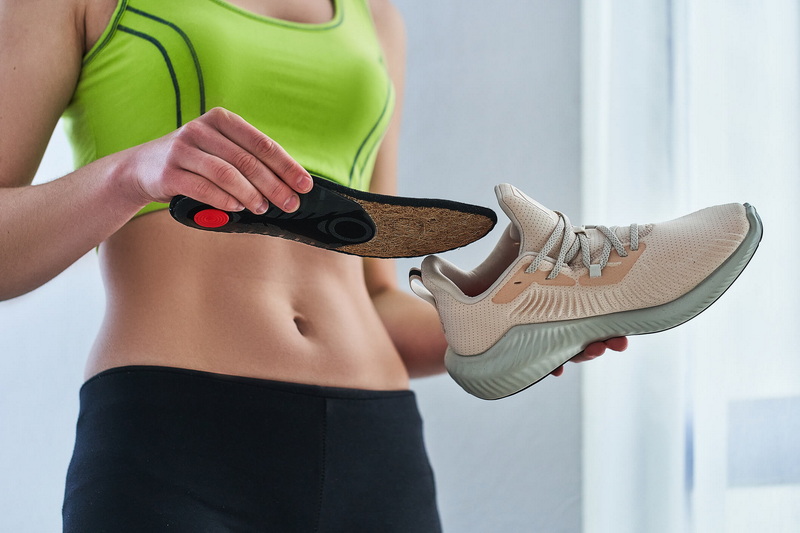
An insole is heat moldable when it includes materials that soften at moderate temperatures and then harden again without losing shape. Usually this involves special foams or thermoplastic shells that respond predictably to controlled heating and cooling cycles.
Many heat moldable insoles can be remolded several times, as long as the recommended temperature and time limits are respected. However, repeated heating may gradually reduce cushioning or adhesive strength, so it is better to remold only when necessary.
Heat moldable insoles generally work best in shoes with removable factory insoles and enough internal volume, such as running shoes, hiking boots, and work boots. Very tight or low‑volume footwear may not have enough space to accommodate a thicker custom insole.
Heat moldable insoles can provide extra comfort and support, but they are not a complete substitute for medical orthotics prescribed by a healthcare professional. People with serious foot problems should always follow medical advice and only use heat moldable products when they are compatible with their treatment plan.
The lifespan of heat moldable insoles depends on the materials, the user's weight, and the intensity of activities. Under typical conditions, a quality pair may last several months of daily wear or a similar period of running and sports before cushioning and support noticeably decline.


