
Language


Content Menu
● Why Replacing Insoles Matters
● When You Should Replace Your Insoles
● Step‑By‑Step: How To Replace Shoe Insoles
>> Step One: Remove The Existing Insoles
>> Step Two: Clean The Inside Of The Shoes
>> Step Three: Use Old Insoles As A Template
>> Step Four: Trim New Insoles Gradually
>> Step Five: Insert And Align The New Insoles
>> Step Six: Test Fit And Comfort
● How To Choose The Right Replacement Insoles
● Special Tips For Different Shoe Types
● Should You Glue Replacement Insoles?
● How Often To Replace Insoles
● Extra Comfort Tips When Replacing Insoles
● Care And Cleaning Of New Insoles
● OEM Opportunity For Brands And Wholesalers
● FAQ About Replacing Shoe Insoles
>> 1. How often should insoles be replaced?
>> 2. Can new insoles go over old ones?
>> 3. Do all shoes have removable insoles?
>> 4. What if the new insole still feels uncomfortable?
>> 5. Can replacing insoles extend the life of shoes?
Replacing shoe insoles is one of the easiest ways to upgrade comfort, improve support, and extend the life of footwear without buying a new pair. With a clear step‑by‑step process, almost any user can refresh old shoes at home and get a noticeably better walking experience.

Old insoles slowly compress and lose cushioning, which increases pressure on heels, arches, and the ball of the foot and can lead to pain and fatigue. Fresh insoles restore shock absorption and alignment, helping reduce the risk of problems such as plantar fasciitis, blisters, and joint discomfort while also making shoes feel more stable and secure.
Common warning signs include flattened foam, cracks, tears, persistent odor, or the feeling that you are standing directly on a hard base instead of a cushioned layer. Many people find that frequently used insoles need to be replaced several times each year, especially if they walk or stand for long hours or perform intense sports.
Most users only need a new pair of insoles and simple cutting tools for trim‑to‑fit products. For best results, prepare a clean work surface, a soft brush or cloth to clean the inside of the shoes, and a pair of sharp scissors for precise trimming along the edge of the new insert.
Replacing insoles follows a simple sequence that works for most casual, athletic, and work footwear. The key is to remove the original liners carefully, clean the interior, and ensure the new inserts lie flat without bending, buckling, or sliding during wear.
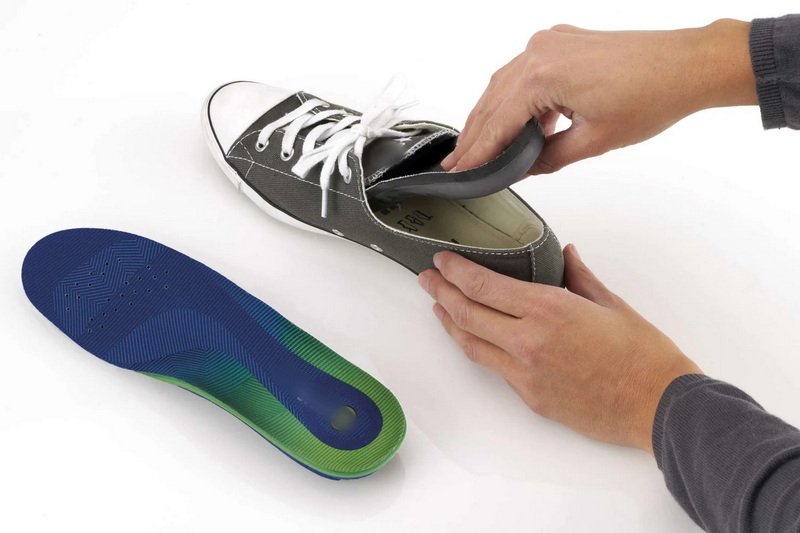
Grip the old insole at the heel, gently lift it, and peel it forward toward the toes, taking care not to tear the liner or damage the shoe interior. In most modern shoes the insole is only lightly fixed, so it can usually be removed by hand, but if light adhesive was used, work slowly and pull from different angles.
Once the footbeds are exposed, wipe away dust, grit, and loose fibers with a dry cloth, then use a slightly damp cloth or mild cleaner to remove residue and odor‑causing bacteria. Allow the inside of the shoes to air dry completely so that moisture does not get trapped beneath the new insoles, which could lead to odor or material breakdown.
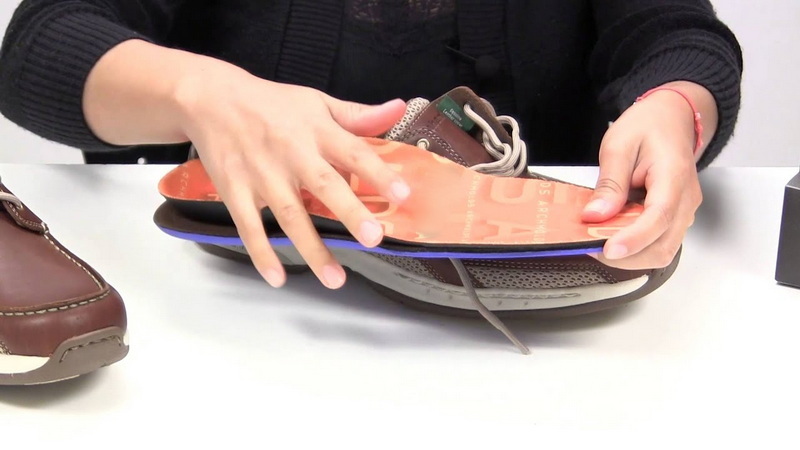
If the new set is trim‑to‑fit, place one original insole on top of a new one, heel to heel, and align the backs carefully for an accurate comparison. Trace around the old liner on the underside of the new insert, creating a clear cutting line that closely matches the original size and shape of the shoe.
Cut along the traced line slowly, staying just inside the mark so the new insole is slightly smaller rather than larger, which helps prevent buckling inside the shoe. After the first pass, test the fit in the shoe, then make small additional cuts at the toe or sides if needed until the insert slides in smoothly and sits flat.
Hold the new insole by the sides, slide the front end toward the toe box, and then press the heel down into the back of the shoe, checking that the arch area sits in the correct position under your foot. Run a hand along the top surface to feel for bumps or folds; if you notice any, remove the insole and re‑seat it until the surface is smooth and even.
After installation, put on the shoes and walk around indoors to check for tightness, slipping, or rubbing around the toes and heel. If the fit is too snug, remove the insoles and trim a little more material from the front or sides, testing again until the shoe feels secure but not cramped.
The best replacement depends on foot type, activity level, and shoe style; cushioning models work well for casual daily use, while more structured designs suit people with arch or heel problems. For running and high‑impact sports, many athletes prefer more supportive insoles that control motion, whereas people with long office or factory shifts often choose softer foam or gel designs for extended standing comfort.
In slim dress shoes and fashion sneakers, low‑profile insoles are usually better because they take up less space and avoid crowding the toes or lifting the heel too high. In work boots and hiking shoes with deeper interiors, thicker insoles with strong arch and heel support can be used without overly tightening the fit, providing both cushioning and stability.
Most consumer replacement insoles are designed to be removable and rely on friction and side wall contact rather than adhesive. Light use of flexible glue may be appropriate in heavy‑duty repair situations, but permanent bonding makes future replacement harder and can damage linings when removal is attempted, so it is usually better to avoid glue for everyday use.
The lifespan of an insole depends on material quality, body weight, and daily activity levels, since repetitive impact slowly breaks down cushioning and support. Many people find that over‑the‑counter insoles feel best when they are refreshed several times a year, or whenever clear signs of flattening, odor, or discomfort appear during normal wear.
Replacing the insole is also a good moment to check socks, lacing style, and shoe size, since overall comfort comes from the entire system, not just one component. Consider testing different thickness levels, arch profiles, and top‑sheet fabrics until you find a combination that keeps your feet dry, supported, and comfortable from morning to night.
After installing new insoles, regular light cleaning helps them last longer and stay fresh. Remove them from the shoes from time to time, brush off dust, and let them air out in a dry, shaded area to release moisture and sweat.
Brands, importers, and wholesalers who regularly promote insole replacement can cooperate with a specialized factory to develop private‑label inserts tailored to their markets. By combining stable material sourcing, customized shapes, and branded packaging, an experienced manufacturing partner can supply replacement insoles for sports, work, casual, and medical footwear programs worldwide.
Learning how to replace shoe insoles gives everyday users a simple way to refresh old footwear, improve comfort, and support better foot health. By following a clear removal, cleaning, trimming, and fitting process, and by choosing appropriate replacement insoles for each shoe type and activity, both end users and professional buyers can obtain far more value and performance from every pair of shoes.
Insoles should be replaced whenever they show visible wear, flattening, odor, or reduced comfort, which for many people occurs after a period of regular use. Active runners or workers on hard floors may need fresh insoles more frequently to maintain cushioning and prevent overuse injuries.
Stacking a new insole on top of the original liner usually makes the shoe too tight and can cause rubbing, sliding, and instability. Removing the old insole first almost always gives a better, more secure fit, except in special cases where a thin additional layer is recommended by a professional.
Most athletic and casual styles now use removable liners, but certain dress shoes, safety boots, and specialty models have partially fixed or glued footbeds. If an insole does not lift easily at the heel, it may be lightly cemented; in that case work slowly, or ask a repair shop or foot care specialist for help if you need to preserve the original base.
If discomfort persists after correct trimming and placement, the insole design may not match the user's arch height, foot shape, or activity needs. Trying a different firmness level, arch profile, or a specialized medical insert can make a big difference, and ongoing pain should be discussed with a foot care professional.
Fresh insoles absorb impact and distribute pressure more effectively, which helps protect the midsole and outsole materials from premature breakdown. Many experienced users find that regular insole replacement keeps shoes comfortable for longer, delaying the need for a completely new pair and reducing overall footwear costs.


