
Language
Views: 222 Author: Edvo Publish Time: 2025-11-30 Origin: Site


Content Menu
● What Are Heat Moldable Insoles?
● Why Heat Moldable Insoles Matter
● Tools And Setup Before Molding
● Step 1: Prepare Shoes And Feet
● Step 2: Test Fit And Trim Before Heating
● Step 3: Heat The Insoles Safely
● Step 4: Place Warm Insoles Into Shoes
● Step 5: Stand In A Neutral Position
● Step 6: Let Insoles Cool And Set
● Alternative Body-Heat Molding Method
● Safety Tips And Common Mistakes
● How To Remold Or Fine-Tune The Fit
● Best Types Of Shoes For Heat Moldable Insoles
● Everyday Comfort And Performance Gains
● Support For Sensitive And Aging Feet
● Care, Maintenance, And Lifespan
● Tips For Using Visual Guides During Fitting
● FAQ
>> 1. How long should I stand on heat moldable insoles during molding?
>> 2. Can I walk around while the insoles are still warm?
>> 3. Do I need special socks when molding?
>> 4. How do I know if I trimmed too much from the toes?
>> 5. Can I move molded insoles between different pairs of shoes?
Heat insoles can be shaped directly to your feet to create near-custom support inside your everyday shoes, work boots, or sports footwear. When you combine the right heating method with good stance and careful preparation, you get better comfort, more stable support, and reduced fatigue during walking, standing, and training.
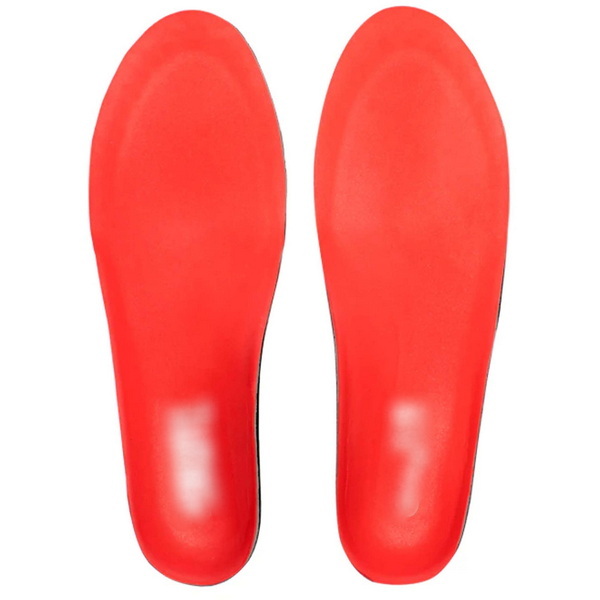
Heat moldable insoles are special shoe inserts made from foams and thermoplastic layers that soften under controlled warmth and then firm up in the outline of your feet. This lets the insole copy the shape of your arch, heel cup, and forefoot so you are not standing on a generic flat surface.
Unlike basic removable liners that come with most shoes, these insoles can be reshaped within limits and tuned to your preferred footwear. They are popular among runners, hikers, workers on hard floors, and people who simply want more tailored comfort in daily life.
A foot that sits on a well-shaped insole stays more aligned, which can help reduce strain on ankles, knees, and lower back. By filling the gaps under your arch and supporting the heel in a stable cradle, the insole spreads load more evenly instead of letting pressure collect in small hot spots.
This smoother pressure distribution can ease feelings of burning under the ball of the foot or sharp stress around the heel and arch. Over time, better alignment and support can also help reduce fatigue so you finish the day or the workout with more energy left in your legs.
Heat moldable insoles are a good choice for people who:
- Stand or walk for long hours at work
- Do regular running, gym training, or high-impact sports
- Have high arches that need more contact and support
- Have flat feet that tend to roll inward
- Feel tired or sore feet at the end of most days
They are also helpful for older users and those with sensitive feet who want more cushioning and shape without paying for full custom orthotics. Anyone with serious medical conditions should still speak with a health professional before replacing prescribed devices.
Before you start molding, organize a simple workspace and gather everything you need so the process is smooth and quick. You will need:
- Your heat moldable insoles
- The shoes you plan to use them in
- The original factory insoles from those shoes
- A pair of socks that you normally wear
- Scissors for trimming the forefoot if needed
- A conventional or toaster oven that can run at a low, accurate temperature
- A baking tray for moving insoles in and out safely
Having all items ready means you can move quickly once the insoles are warm, which is important because they begin cooling down as soon as they leave the heat.
Start by taking out the existing liners from your shoes so the new insoles have enough room to sit flat from heel to toe. Loosen or undo laces, straps, or buckles so your foot can slide in without pushing or bunching the warm insole.
Put on a pair of clean socks similar in thickness to what you normally use with these shoes. Socks protect skin from residual warmth and help the insole record the shape you will actually wear most of the time.
Before heating, place each insole inside the shoe and check length, width, and how the heel cup settles into the back. Make sure the shape matches left and right feet correctly and that the toe area does not fold upward or crease.
If the insole is too long, place the original shoe liner on top, match the heels, and mark where the old liner ends at the toes. Trim only the front edge of the new insole carefully, in small steps, checking the fit each time until it lies flat without buckling.
Preheat your oven to the low temperature recommended in the product instructions. Never guess at a very high setting, and never use a microwave or open flame, because uneven or excessive heat can damage the materials.
Once the oven reaches the correct warmth, place the insoles on a baking tray, usually with the fabric or top cover facing up. Heat them only for the time suggested by the manufacturer. Many models become slightly soft and flexible to the touch when ready, and some include a small indicator mark that changes appearance when the correct temperature is reached.
Take the tray out with oven mitts or gloves and handle the insoles carefully. They should feel warm but not scorching; if they feel extremely hot, allow a short moment for them to cool down slightly before moving them.
Slide each insole into the correct shoe, heel first, and press it gently into the heel pocket so it sits flat. Check that the arch area lines up with the natural position of your foot in that shoe size, and smooth the forefoot region so there are no folds or raised edges.
With socks on, step into the shoes one foot at a time and lace or strap them just snug enough to hold your heel securely without crushing the top of your foot. Stand on a firm, level surface with feet about hip-width apart.
Keep your knees soft and your weight spread evenly between left and right sides. Stand still in this neutral posture for several minutes so the warm material can flow gently around the contours of your foot and then set as it cools. Avoid leaning heavily forward on your toes or backward on your heels because that can distort the arch shape.
After the required standing time, sit down and carefully take off the shoes. Leave the insoles inside until they are fully cool so they maintain the new shape created by your stance.
Once cool, remove them and look at the surfaces. You may notice visible impressions under the heel and ball of the foot, and a clearer outline along the arch. At this point they are ready for regular use, and you can put them back into the shoes for daily wear.
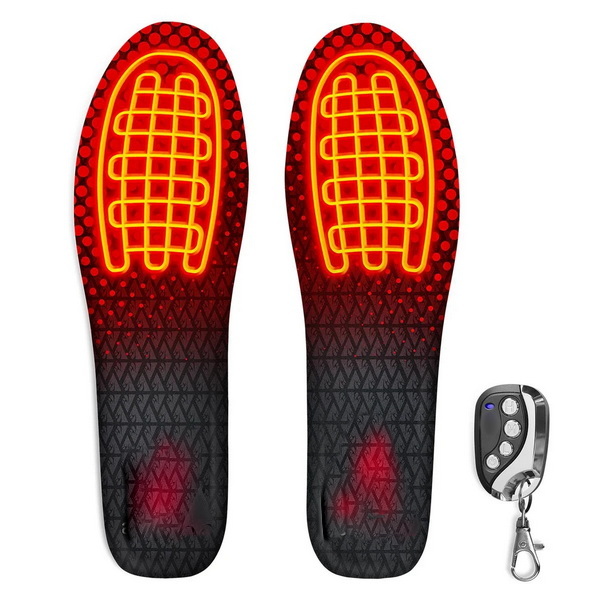
Some heat moldable insoles can skip the oven and instead rely on natural body warmth over several sessions. With this method, you simply place the insoles into your shoes, wear them as normal, and let the material soften and adapt gradually.
Body-heat molding is less intense and may take several long walks or full days of wear before the shape feels fully personalized. It suits users who are cautious about oven heating or who lack access to a suitable appliance, though the final contour may be slightly less precise compared with a controlled, single-session bake.
To keep both you and your insoles safe, keep these points in mind:
- Do not use a microwave, grill, or direct flame
- Do not exceed the recommended temperature or time
- Do not leave insoles unattended in the oven
- Do not walk around while they are very soft
- Do not force them into shoes that are clearly too tight
If your feet feel overly hot, tingly, or uncomfortable at any point during molding, step out of the shoes and allow everything to cool. Inspect the insoles for warping or burns; if they show severe damage, replace them rather than trying to reshape.
Many heat moldable insoles allow remolding a limited number of times, which is useful if you change footwear or want to fine-tune comfort. The general process is the same: gently reheat, reinsert, and stand again in a neutral posture.
If only a small area feels wrong, some users work with professionals who use targeted low warmth and molding pads under specific regions like the arch or heel. For home users, it is usually better to perform a full remold rather than trying to bend or twist one section by hand, which can create uneven support.
Closed shoes with proper structure and removable liners are ideal partners for heat moldable insoles. Typical good choices include:
- Running and training shoes
- Hiking and trekking boots
- Work boots and safety shoes
- Casual sneakers with decent depth
Shoes that are extremely tight, shallow, or heavily sculpted inside may not leave enough room for a thicker molded insole. In those cases, a lower-profile design or a light trimming and careful test fit is essential before heating.
Once molded, these insoles work silently under your feet every time you move. During long days on hard floors, they help cushion impact and keep arches from collapsing, which in turn reduces strain up the chain through ankles, knees, and hips.
Athletes appreciate that a stable, well-supported foot can improve energy transfer, posture, and balance. Workers and casual users simply notice that they can stand or walk longer with less soreness and that the end-of-day ache in feet and legs is often reduced.
People with sensitive joints or age-related stiffness often find heat moldable insoles particularly pleasant. Because the material shapes closely to bony prominences and tender zones, it takes away sharp edges of pressure that rigid inserts can cause.
By stabilizing the heel and supporting the midfoot, the insole helps guide the foot through each step in a smoother path. That can make daily activities like shopping, commuting, or light exercise more comfortable and less tiring.
Good care extends the useful life of your insoles. Take them out of your shoes regularly to let them air dry, especially after heavy sweat or rain. Lightly wipe the top surface with a damp cloth and mild soap when needed, and always let them dry at room temperature away from direct heat.
Avoid bending them sharply or rolling them, since that can break down the molded arch structure. Over time, if you notice flattening, cracks, deep compression, or a clear drop in cushioning, it is a sign that the insole is ready to be replaced.
Even though there are no image or video links in this article, using visual guides is still strongly recommended while you learn the process. A short demonstration clip that shows oven setup, placement on the tray, how flexible the insole should look when warm, and the correct neutral stance can make first-time molding much easier.
Photo sequences that display each step, from trimming through to cooling, help new users understand what a properly seated insole looks like inside the shoe. For brands and retailers, combining a clear written guide with these visual aids reduces user error and cuts down returns or complaints related to incorrect molding.
Heat moldable insoles offer a practical way to bring customized support and comfort into your existing footwear without the cost and delay of full custom orthotics. By preparing your shoes and feet carefully, trimming for a clean fit, heating at the correct low temperature, and standing in a relaxed, neutral position while they cool, you can create a personalized insole that supports daily work, sport, and casual use.
With sensible safety habits, occasional remolding when allowed, and basic cleaning and drying, a good pair of heat moldable insoles can become a quiet but important part of your foot health routine. Whether you are an active athlete, a worker on hard floors, or someone who just wants more comfortable steps, learning how to use heat moldable insoles correctly is a small investment of time that can pay off every day you lace up your shoes.
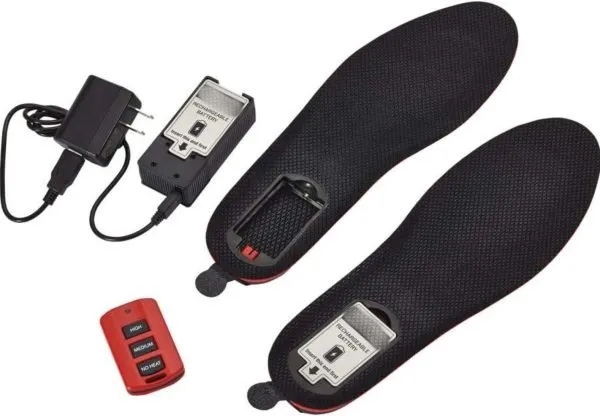
Most brands suggest standing still for several minutes while the insoles cool from warm to room temperature. Staying in one neutral position for this short period helps lock in a stable arch and heel shape that matches your natural stance.
It is better to avoid walking while the material is very soft. Walking too soon can push extra pressure into small zones and twist the arch support, which may lead to an uneven or uncomfortable final shape.
Regular everyday socks that you plan to wear with those shoes are usually best. Very thick socks may create extra space that will not be there later, while molding barefoot can feel too hot and may not reflect how you will actually use the insoles.
If the insole slides forward and leaves a gap at the heel or feels loose inside the shoe, it may have been trimmed too short. To avoid this, always trim in small steps and test the fit frequently instead of cutting off a large amount at once.
You can move them between shoes that have similar interior length, depth, and shape. However, if the second pair is much tighter or has a very different last, the molded contour may not sit correctly and comfort could drop, in which case a remold or a separate pair may be better.


