
Views: 222 Author: 3BU Technology Publish Time: 2026-06-26 Origin: Site


Content Menu
● What Is Peroneal Tendonitis?
● Common Causes and Risk Factors
● Peroneal Tendonitis Symptoms You Shouldn't Ignore
● First‑Line Peroneal Tendonitis Treatment at Home
● The Role of Orthotic Insoles in Peroneal Tendonitis Treatment
● Expert Design Features to Look for in Peroneal Tendonitis Insoles
● Evidence‑Based Exercises for Peroneal Tendonitis Rehabilitation
● When to See a Doctor or Specialist
● How Long Does Recovery Take?
● Practical Daily Routine for Peroneal Tendonitis Management
● OEM Insight: Designing Better Insoles for Peroneal Tendonitis at Scale
● Choosing the Right Path Forward
● FAQs About Peroneal Tendonitis Treatment
Peroneal tendonitis treatment is most effective when it combines activity modification, targeted exercises, and the right footwear or orthotic insoles to reduce stress on the outer ankle. As an OEM insole manufacturer working with global brands, we see daily how well‑designed insoles and structured support can shorten recovery time and help users stay active with less pain. [medschool.cuanschutz]
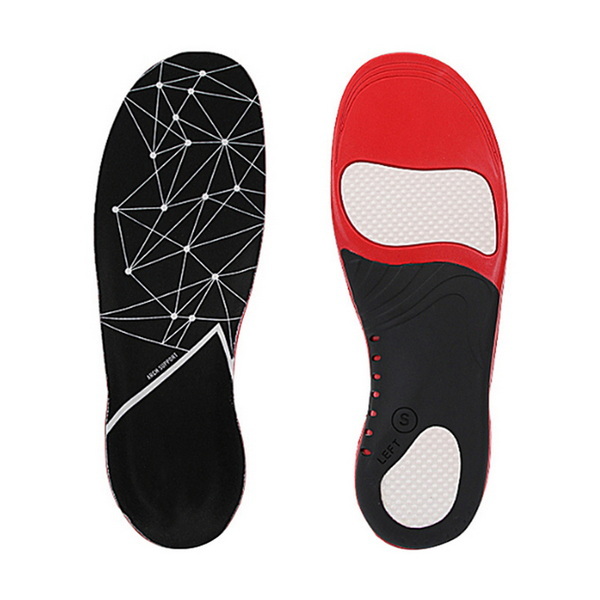
Peroneal tendonitis is an overuse injury affecting the two peroneal tendons that run behind the outer ankle and along the outside of the foot. These tendons help stabilize the ankle and control side‑to‑side movements, especially on uneven ground or during cutting and pivoting motions. [jeremyburnhammd]
When the tendons are overloaded—through sports, long hours on your feet, or unsupportive footwear—they can become irritated, swollen, and painful, particularly around the outer ankle bone. Early, structured treatment is essential to prevent a minor overuse issue from becoming a chronic tendon problem. [medschool.cuanschutz]
Peroneal tendonitis rarely appears "out of nowhere." It usually builds up over weeks or months as stress accumulates in the tendon. Key contributors include: [jeremyburnhammd]
- Sudden increase in activity level (more running, hiking, or court sports). [medschool.cuanschutz]
- High‑arched (cavus) feet, which place extra load on the outer foot and peroneal tendons. [medschool.cuanschutz]
- Unstable or worn‑out footwear that allows excessive ankle rolling or lateral movement. [jeremyburnhammd]
- Frequent cutting, pivoting, or side‑to‑side sports such as basketball, tennis, or soccer. [medschool.cuanschutz]
- Previous ankle sprains, which can leave the lateral ankle weaker and more prone to overuse. [jeremyburnhammd]
From our experience producing performance insoles for athletes and workers, uncontrolled lateral motion and poor shock absorption are two of the most overlooked drivers of peroneal tendon stress.
Recognizing symptoms early allows for more conservative, non‑surgical treatment and faster recovery. Typical symptoms include: [jeremyburnhammd]
- Pain or burning on the outer side of the ankle, especially behind the ankle bone. [medschool.cuanschutz]
- Pain that worsens with walking on uneven surfaces, hills, or side‑to‑side movements. [medschool.cuanschutz]
- Swelling or tenderness along the tendon behind the outer ankle. [medschool.cuanschutz]
- A feeling of weakness or instability when standing on one leg or changing direction quickly. [jeremyburnhammd]
- In more severe cases, pain at rest or at night, or a sensation of snapping along the outer ankle. [jeremyburnhammd]
If pain persists for several weeks, or you notice a sudden sharp pain and weakness, a medical evaluation is essential to rule out tears or other serious conditions. [jeremyburnhammd]
Most people improve with non‑operative treatment if they act early and follow a structured plan. A typical home‑based approach includes: [medschool.cuanschutz]
1. Activity Modification
Reduce or temporarily avoid high‑impact and side‑to‑side activities that spike your pain, such as running on hills or cutting sports. You usually do not need complete rest; instead, swap to low‑impact activities like cycling or swimming while symptoms settle. [footlogics-orthotics]
2. Ice and Elevation
Apply ice to the outer ankle for 10–20 minutes, several times per day, especially after activity, and elevate the foot above heart level to reduce swelling. [jeremyburnhammd]
3. Short‑Term Anti‑Inflammatory Support
Over‑the‑counter anti‑inflammatory medications, such as ibuprofen or naproxen, may help decrease pain and inflammation when used as directed by a doctor or pharmacist. [medschool.cuanschutz]
4. External Support (Bracing or Taping)
An ankle brace, lace‑up support, or kinesio taping can limit excessive ankle motion, reduce strain on the peroneal tendons, and make walking more comfortable. [jeremyburnhammd]
These steps aim to calm symptoms while you gradually restore strength, control, and proper foot mechanics.
For many patients, orthotic insoles are a missing link between temporary pain relief and long‑term stability. Research and clinical guidelines emphasize that correcting abnormal foot mechanics is critical for reducing recurrent tendon overload. [upstep]
Well‑designed peroneal tendonitis insoles can:
- Support high arches and redistribute pressure away from the outer foot. [upstep]
- Control excessive inversion (rolling outward) that aggravates the peroneal tendons. [upstep]
- Provide firm, contoured arch support that aligns the lower limb and improves ankle stability. [upstep]
- Add targeted cushioning under pressure points to reduce shock and micro‑trauma with every step. [upstep]
In patients with a cavus (high‑arched) foot, an orthotic with a recessed area under the first metatarsal head is often recommended to help offload the peroneals. In our OEM manufacturing, we commonly integrate this recessed forefoot design and lateral stability features when engineering insoles for brands targeting tendon‑related foot pain. [medschool.cuanschutz]
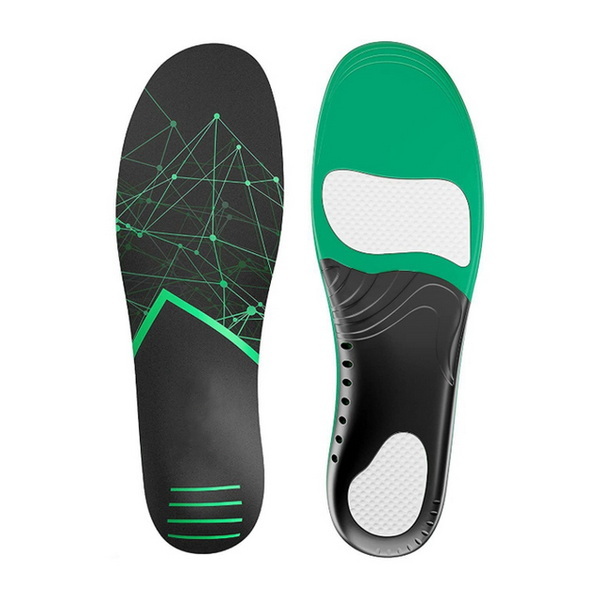
From a product development and clinical perspective, not all insoles offer the same level of protection for the peroneal tendons. When evaluating or specifying insoles for peroneal tendonitis treatment, consider the following key design features: [upstep]
- Structured, not spongy, arch support
Soft foam alone quickly bottoms out; a semi‑rigid shell maintains alignment and control. [upstep]
- Lateral stability and heel cupping
A deep, contoured heel cup helps control rearfoot motion and resists excessive outward rolling. [upstep]
- Forefoot posting and recessed 1st metatarsal area
This supports more even weight distribution in high‑arched feet and reduces lateral overload. [medschool.cuanschutz]
- Multi‑density cushioning
Softer top layers for comfort, firmer layers beneath for motion control, and targeted shock absorption in high‑impact zones. [upstep]
- Biomechanically tested geometry
Designs validated by gait observation or pressure mapping data tend to deliver more consistent results across users. [upstep]
As a leading Chinese OEM producer, 3BU Technology routinely collaborates with international brands to custom‑tune these parameters for specific user groups, from trail runners to warehouse workers who stand all day.
Once acute pain is under control, movement becomes medicine for tendon healing. Modern evidence shows that tendons respond best to progressive loading rather than prolonged rest. Under the guidance of a clinician or physiotherapist, patients are often advised to perform: [hingehealth]
- Gentle range‑of‑motion exercises in pain‑free directions to keep the ankle joint mobile. [hingehealth]
- Isometric strengthening (static contractions) of the ankle evertors early on, to activate the peroneal muscles without excessive motion. [hingehealth]
- Progressive strengthening and balance training, such as heel raises, single‑leg balance, and resisted eversion using bands, to restore tendon capacity and ankle stability. [hingehealth]
A typical home progression might include double‑leg heel raises, wall‑supported squats, and resistance‑band eversion exercises, with frequency and intensity tailored to pain levels. The key is to stay just below the pain threshold while gradually increasing load, rather than swinging between complete rest and sudden high‑intensity activity. [youtube]
While many cases of peroneal tendonitis improve with dedicated home care and supportive insoles, some situations require medical assessment. You should consult a healthcare professional if: [jeremyburnhammd]
- Pain persists beyond 6–8 weeks despite conservative treatment. [jeremyburnhammd]
- You experience a sudden, sharp outer‑ankle pain with an audible "pop" and difficulty bearing weight. [medschool.cuanschutz]
- Swelling, warmth, or deformity around the ankle rapidly worsens. [jeremyburnhammd]
- Pain disrupts sleep or daily activities despite modifying your routine. [medschool.cuanschutz]
Doctors may recommend imaging (such as ultrasound or MRI) to rule out tendon tears, joint issues, or other pathologies and might adjust your treatment plan accordingly. [jeremyburnhammd]
Recovery timelines vary depending on symptom duration, tendon damage, overall health, and treatment consistency. Many patients notice meaningful improvement within 6–12 weeks of structured treatment, though full recovery can take three months or longer, especially in chronic cases. [medschool.cuanschutz]
Patients who combine activity modification, progressive strengthening, and appropriate orthotic support typically recover faster and have fewer relapses than those who rely on rest alone. The most successful cases are those where people stick to their rehabilitation plan and adjust footwear and insoles to match their foot type and activity demands. [jeremyburnhammd]
To make peroneal tendonitis treatment more actionable, here is an example of a simple daily routine many clinicians recommend adapting with professional guidance: [hingehealth]
Morning
- Put on supportive shoes with orthotic insoles before taking the first steps out of bed. [upstep]
- Perform a short ankle mobility sequence (gentle circles and controlled up‑and‑down movements). [hingehealth]
During the Day
- Limit high‑impact and side‑to‑side movements, substituting lower‑impact activities. [medschool.cuanschutz]
- Use an ankle brace or taping for tasks that involve prolonged standing or walking on uneven surfaces. [medschool.cuanschutz]
Evening
- Apply ice for 10–20 minutes to the outer ankle if it feels sore or swollen. [jeremyburnhammd]
- Perform prescribed strengthening and balance exercises, such as heel raises and band‑resisted eversion. [hingehealth]
Weekly
- Gradually increase exercise volume or intensity by no more than 10–15% per week, monitoring pain response. [hingehealth]
- Review your progress and adjust your routine in consultation with a clinician where possible. [jeremyburnhammd]
This structure helps patients integrate treatment into real life rather than relying on occasional, unsystematic efforts.
From the perspective of 3BU Technology as an OEM insole manufacturer, peroneal tendonitis is more than a medical term—it is a real‑world performance and comfort challenge for brands and their customers. Drawing on feedback from thousands of end users via our brand partners, we consistently observe that:
- Users with outer‑ankle pain report immediate comfort gains when switching from flat stock insoles to contoured, laterally stable designs. [upstep]
- Combining rearfoot control with high‑quality cushioning reduces end‑of‑day fatigue for workers who stand or walk for 8–12 hours. [upstep]
- Brands that educate customers on how and when to use insoles (for work, training, or recovery) see fewer returns and higher satisfaction scores. [shopify]
By integrating medical best practices with advanced materials and precise manufacturing, OEM‑level insoles can become a key part of a complete peroneal tendonitis treatment ecosystem, alongside professional care and exercise therapy.
Surgery is rarely the first option but may be considered if conservative treatment fails and imaging shows significant structural damage, such as tendon tears or subluxation (tendon slipping out of its groove). Even when surgery is indicated, post‑operative rehabilitation and proper orthotic support remain crucial to restore function and prevent recurrence. [medschool.cuanschutz]
Most patients, however, recover without surgery when they follow a comprehensive plan that addresses pain, movement, strength, and foot mechanics. [medschool.cuanschutz]
Effective peroneal tendonitis treatment is not about a single "magic" solution. It is about combining the right elements—activity modification, progressive exercises, high‑quality orthotic insoles, and professional guidance—into a consistent, realistic plan. [hingehealth]
If you are a brand, retailer, or healthcare provider looking to support your customers with purpose‑built insoles for peroneal tendon pain, partnering with an experienced OEM manufacturer allows you to deliver evidence‑informed, biomechanically sound products at scale. And if you are a patient, upgrading your footwear and insoles can be one of the most practical, everyday steps you can take to reduce pain and reclaim confident movement. [upstep]
Ready to explore peroneal tendonitis insole solutions for your customers or product line? Reach out to our team to co‑create OEM designs that translate medical insights into everyday comfort and performance.
1. Can peroneal tendonitis heal on its own?
Mild cases may gradually improve, but structured treatment—including activity modification, targeted exercises, and proper insoles—greatly increases the chances of full recovery and reduces recurrence. [hingehealth]
2. How long should I wear orthotic insoles for peroneal tendonitis?
Most users benefit from wearing supportive insoles during all weight‑bearing activities for at least several months while the tendon heals and adapts. Many continue long term to maintain alignment and prevent relapse. [upstep]
3. Are custom orthotics always necessary?
Not always. High‑quality, pre‑fabricated insoles designed with proper arch support and lateral stability can provide significant relief for many people, especially when chosen to match foot type and activity. Complex or stubborn cases may still benefit from custom options prescribed by a specialist. [upstep]
4. Is it safe to exercise with peroneal tendonitis?
Yes—controlled, progressive exercise is essential for tendon healing, as long as you stay within pain limits and avoid high‑impact or sideways‑loading movements in the early stages. Work with a clinician to tailor your plan and progress gradually. [hingehealth]
5. Which shoes are best for peroneal tendonitis?
Look for stable shoes with firm heel counters, good lateral support, and enough depth to accommodate orthotic insoles. Avoid excessively flexible, worn‑out, or unsupportive footwear that allows your ankle to roll outward. [upstep]
1. University of Colorado Anschutz Medical Campus. “Peroneal Tendonitis – Patient Handout.” https://medschool.cuanschutz.edu/docs/librariesprovider65/courtney-grimsrud/patient-handouts/peroneal-tendonitis.pdf
2. Jeremy Burnham MD. “Peroneal Tendonitis – Symptoms, Diagnosis & Treatment Options” (2026). https://www.jeremyburnhammd.com/peroneal-tendonitis/
3. Yorkville Sports Medicine Clinic. “Peroneal Tendonitis and the Best Stretches to Relieve Pain” (2020). https://www.yorkvillesportsmed.com/blog/peroneal-tendonitis-and-the-best-stretches-to-relieve-pain
4. Hinge Health. “7 Peroneal Tendonitis Exercises to Ease Foot & Ankle Pain” (2026). https://www.hingehealth.com/resources/articles/peroneal-tendonitis-exercises/
5. Upstep. “Can Orthotic Insoles Help Treat Achilles Tendonitis?” (2021). https://www.upstep.com/a/blog/can-orthotic-insoles-help-treat-achilles-tendonitis
6. Footlogics. “Premium Orthotic Insoles for Achilles Tendonitis.” https://footlogics-orthotics.com/achilles-tendonitis/
7. Shopify. “E‑commerce SEO Guide” (2026). https://www.shopify.com/zh/blog/google-seo


