
Language
Views: 222 Author: 3BU Technology Publish Time: 2026-06-23 Origin: Site


Content Menu
● What Do Insoles Really Do for Your Feet and Joints?
● Why Your Feet Work Harder Than You Think
● The Basics – What Insoles Actually Do Inside Your Shoe
● Types of Insoles and What Each One Is Designed For
>> Cushioning Insoles – Everyday Comfort and Shock Absorption
>> Support or "Sport" Insoles – Structure, Stability and Alignment
>> Custom and Semi‑Custom Orthotic Insoles
● How Arch Support Insoles Help Prevent and Relieve Pain
● Foot Alignment – Why Your Feet Are the Foundation of Whole‑Body Movement
● Signs You Might Benefit from Better Insoles
● How to Choose the Right Insole for Your Foot Type and Use Case
>> Step‑by‑Step Selection Checklist
● Real‑World Use Cases – From Job Sites to Daily Commutes
● OEM Perspective – What Professional Buyers Should Look for in an Insole Manufacturing Partner
● Practical Tips to Get the Most Out of Your Insoles
● When to Consult a Footcare Professional
● Ready to Upgrade How You Move?
● FAQ
If you spend long hours on your feet, the right insoles can quietly transform how you move, how you work, and even how you feel at the end of the day. Instead of treating foot pain and fatigue as "just getting older," modern insoles give you a practical, evidence‑backed way to improve comfort, alignment, and performance in almost any type of footwear. [jcinsoles]

Every step you take sends force from the ground up through your feet, ankles, knees, hips and lower back. Over a full workday or training session, this repeated impact can show up as sore heels, aching arches, tight calves, or even knee and lower‑back pain. [firework]
For people who work in manufacturing, logistics, retail, healthcare, or hospitality, this stress is even higher because standing and walking on hard surfaces is part of the job description. When your feet are not properly supported, your body compensates by changing posture and gait, which can further increase strain on joints and soft tissues over time. [wgcontent]
At the simplest level, insoles are removable inserts that sit between your foot and the shoe's midsole. But high‑quality insoles are engineered systems that combine cushioning, arch support, and heel stabilization to improve how your foot interacts with the ground on every step. [jcinsoles]
Well‑designed insoles can:
- Add targeted cushioning to reduce peak pressure on the heel and forefoot.
- Support the arch so your foot maintains a more efficient, neutral position while moving. [aybroad]
- Help align the heel and ankle, which can positively influence knee and hip tracking.
- Improve overall comfort so you can stand or walk longer with less fatigue. [firework]
The key message: insoles are not just soft padding. They are biomechanical tools that can support natural movement, reduce overload, and protect your joints across a full day of work or sport. [wgcontent]
Different feet, activities, and footwear require different insole constructions. Choosing the right category helps you avoid trial‑and‑error and get results faster. [aybroad]
Cushioning insoles are usually made from foam, gel, or memory foam and focus on absorbing impact rather than changing alignment. They are a good option for: [aybroad]
- People standing on hard floors who primarily want softer underfoot feel. [jcinsoles]
- Casual shoes or sneakers that feel too firm or thin under the forefoot.
- Short‑term comfort improvements when no structural issues are present. [aybroad]
However, cushioning alone rarely addresses deeper problems like overpronation, arch collapse, or recurring plantar fasciitis. [wgcontent]
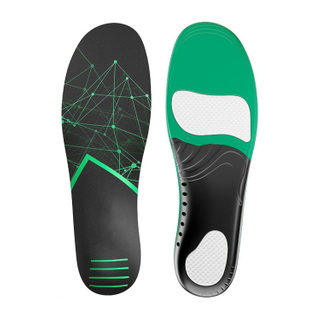
Support insoles use firmer materials and shaped footbeds to create structure and stability, instead of just adding softness. These designs are better suited for: [aybroad]
- Overpronation, flat feet, or high arches that need targeted support. [aybroad]
- Workers in safety shoes or boots who experience knee, hip or lower back discomfort. [jcinsoles]
- Runners and athletes who want more controlled foot motion and consistent alignment. [firework]
Here, comfort comes from improved stability, pressure distribution, and controlled motion, not just from extra foam. [wgcontent]
Custom or semi‑custom orthotic insoles are built around the individual's foot shape, gait pattern, and sometimes specific medical diagnoses. They can incorporate different densities, heel posting, and arch heights to fine‑tune support, especially for complex biomechanical issues. [wgcontent]
These are particularly relevant when:
- You have chronic plantar fasciitis, recurring stress injuries, or post‑surgery needs. [wgcontent]
- Basic over‑the‑counter insoles have not reduced pain or improved function.
- A podiatrist or physical therapist has recommended structured orthotics. [wgcontent]
For OEM brands, this category often translates into modular or customizable insole platforms that can be tuned for different consumer groups and use cases. [jcinsoles]
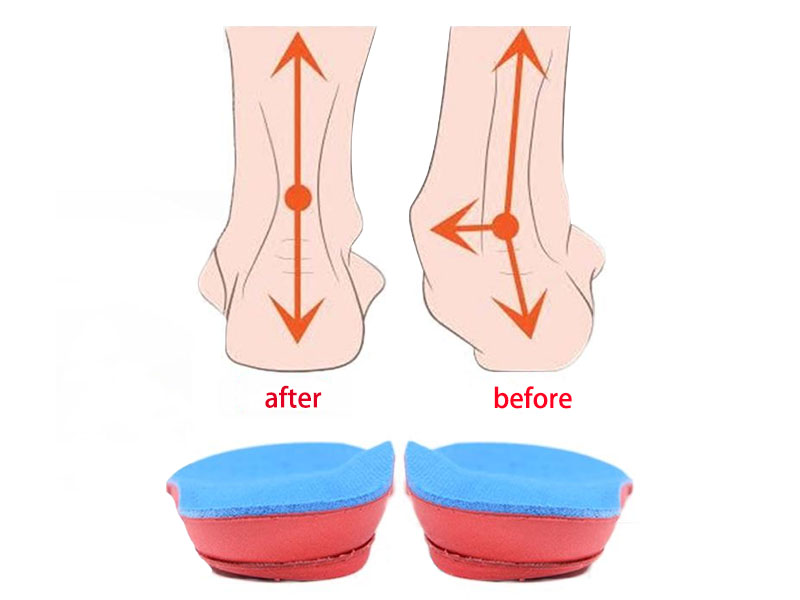
Your foot arch acts like a spring and shock absorber, storing and releasing energy as you walk or run. When the arch collapses too much (overpronation) or is excessively high and rigid, tissues like the plantar fascia and Achilles tendon take on more strain than they should. [aybroad]
Well‑designed arch support insoles can:
- Match the user's arch profile (flat, normal, or high) so the foot stays closer to a neutral position. [aybroad]
- Spread load more evenly across the entire foot instead of concentrating it in the heel or forefoot.
- Reduce repetitive micro‑trauma to the plantar fascia and small joints, supporting long‑term foot health. [wgcontent]
For many users, the difference is noticeable within days: less morning heel pain, easier first steps after rest, and reduced burning under the forefoot after standing or walking. [firework]
Your lower body works as one kinetic chain: feet → ankles → knees → hips → lower back. If the foot rolls inwards too much or the heel tilts, the knee and hip often rotate to compensate, which can increase stress on ligaments and muscles far from the original problem area. [wgcontent]
Insoles with deep heel cups and structured medial and lateral support can:
- Stabilize the heel in a more neutral position through mid‑stance.
- Reduce excessive inward or outward rolling of the ankle during gait.
- Promote a straighter line from ankle to knee, which may ease stress on the patellofemoral joint and IT band. [firework]
This is especially valuable in work boots, safety shoes and running footwear, where repeated misalignment across thousands of steps per day quickly adds up. [jcinsoles]
While a formal assessment is ideal, everyday warning signs can indicate your current footwear is not supporting you well enough. [wgcontent]
Look out for:
- Persistent heel or arch pain that returns most days of the week.
- Tired, burning feet after a shift, even in so‑called "comfortable" shoes.
- Uneven wear patterns on the outsole, often heavier on the inside edge.
- Recurring issues like plantar fasciitis, metatarsal pain, or shin discomfort.
If several of these apply to you, upgrading your insoles is one of the simplest, lowest‑risk steps you can take to improve comfort and protect your joints over the long term. [firework]
Selecting an insole is part science, part personal feedback. You want a balance between support, cushioning, fit, and durability that matches both your foot and your daily routine. [aybroad]
1. Identify your primary problem. Is it pain, fatigue, stability, or performance? Your main complaint should guide whether you focus on cushioning, support, or a hybrid design. [wgcontent]
2. Assess your arch type. Flat, neutral and high arches each respond differently to insole profiles; many brands offer dedicated versions for each. [aybroad]
3. Match thickness to footwear volume. Work boots, trail shoes and safety footwear accept thicker, more structured insoles, while dress shoes and low‑volume sneakers often need slimmer profiles.
4. Check heel cup depth and rigidity. Deeper, more structured heel cups typically give better control for those with alignment and stability concerns. [aybroad]
5. Look for proven materials and testing. Multi‑density foams, elastomers, and textiles that have been tested for compression set and durability will maintain support longer. [jcinsoles]
A good rule of thumb: if an insole feels "cloud‑soft" but your feet still hurt after a week of real‑world use, you likely need more structured support rather than more cushioning. [aybroad]
Insoles are no longer just for medical clinics. Today, brands serving industrial workers, sports enthusiasts and everyday commuters all integrate advanced insole technology into their product lines. [firework]
Common scenarios where high‑quality insoles make a measurable difference include:
- Long shifts in factories, warehouses, or construction sites, where safety footwear is mandatory and floors are unforgiving. [jcinsoles]
- Retail and hospitality roles that require constant walking and standing on relatively hard surfaces. [firework]
- Distance running, court sports and hiking, where repetitive impacts and uneven terrain challenge foot stability and alignment. [firework]
When workers and athletes report less end‑of‑day fatigue and fewer pain episodes after upgrading insoles, the benefits are not just personal; employers also see fewer interruptions due to discomfort and a more consistent level of performance. [jcinsoles]
If you are a footwear brand, wholesaler or manufacturer sourcing OEM insole solutions, the checklist extends beyond comfort and fit. You are investing in a component that directly shapes customer satisfaction, product reviews, and repeat purchase behavior. [jcinsoles]
Key criteria to evaluate include:
- Engineering and R&D capability. Look for partners who can design multi‑density constructions, tuned arch profiles, and application‑specific geometries for work, sport, or lifestyle segments. [jcinsoles]
- Material sourcing and testing. Consistent foam density, rebound, and durability testing (e.g., compression set, abrasion, hydrolysis resistance) are essential for reliable large‑scale production. [jcinsoles]
- Biomechanical understanding. Manufacturers that understand gait mechanics, pressure mapping and alignment can co‑create insoles that do more than simply "feel soft." [wgcontent]
- Scalable customization. The ability to offer different hardness levels, arch heights, or surface fabrics within one platform allows brands to serve multiple target groups efficiently. [jcinsoles]
Choosing an experienced OEM partner for insoles is one of the most direct ways a footwear brand can upgrade perceived quality, reduce returns for discomfort, and differentiate in crowded categories. [wgcontent]
Even the best‑designed insole needs correct use and realistic expectations. [wgcontent]
Follow these practical steps:
- Allow a short adaptation period. It is normal to feel new pressure points or muscle engagement in the first few days as your body adjusts.
- Monitor wear over time. When you see visible flattening, loss of resilience, or feel less support, it is time to replace the insoles even if the shoe still looks fine. [aybroad]
- Rotate pairs if possible. Allowing insoles to dry and recover between uses can extend their working life and help maintain consistent support. [wgcontent]
- Pair with appropriate socks and footwear. A supportive insole cannot fully compensate for shoes that are too small, too loose, or structurally worn out.
Consistent use in your main work or training footwear usually delivers the biggest gains in comfort and reduced fatigue. [firework]
Insoles are powerful tools, but they are not a substitute for medical diagnosis. You should seek professional advice from a podiatrist, orthopedist or physical therapist if: [wgcontent]
- Pain is sharp, worsening, or associated with swelling or visible deformity.
- You have a history of diabetes, neuropathy, or circulation problems in your feet.
- You have tried multiple quality insoles and appropriate footwear without improvement.
A specialist can combine imaging, gait analysis and clinical assessment to decide whether you need specific orthotic features, targeted rehabilitation, or further investigation. [wgcontent]
If you recognize your own feet in the signs above, upgrading your insoles is a simple, high‑impact step you can take today. Whether you are equipping a workforce, designing a new footwear line, or simply trying to get through long days with less pain and more energy, the right insole can become the hidden component that changes the way you move. [firework]
For brands, wholesalers and manufacturers, partnering with a specialized OEM insole producer allows you to integrate advanced comfort and support technologies directly into your product range, improving customer satisfaction from the very first step. [jcinsoles]
Q1: How long do quality insoles usually last?
A: For regular daily use, most quality insoles provide consistent support for around 6–12 months, depending on body weight, activity level and material type. [aybroad]
Q2: Can insoles completely cure plantar fasciitis?
A: Insoles can significantly reduce strain on the plantar fascia and help symptoms, but long‑term recovery usually also requires stretching, load management and, in some cases, medical treatment. [wgcontent]
Q3: Are softer insoles always better for standing all day?
A: Not necessarily. Very soft insoles may feel good initially but can allow excessive motion; a combination of cushioning with structured arch and heel support typically works better for long‑hour standing. [aybroad]
Q4: Do I need different insoles for work and sports?
A: Often, yes. Work boots or safety shoes benefit from robust, thicker insoles, while running shoes or court shoes usually need lighter, more dynamic support tuned to that specific activity. [firework]
Q5: Can I transfer one pair of insoles between different shoes?
A: You can, as long as the shoe volumes are similar, but be sure each shoe still fits correctly and the insole lies flat without bending or buckling. [aybroad]
1. Protalus. “What Do Insoles Do? How the Right Shoe Inserts Can Change the Way You Move.” https://protalus.com/blogs/blog/what-do-insoles-do-how-the-right-shoe-inserts-can-change-the-way-you-move
2. JC Insoles. “Effective Marketing Strategies to Grow Your Insole Brand.” https://www.jcinsoles.com/post/marketing-strategies-for-your-insole-brand
3. Semrush. “Google E‑E‑A‑T: What It Is & How It Affects SEO.” https://www.semrush.com/blog/eeat/
4. WG Content. “E‑E‑A‑T for Content Quality.” https://wgcontent.com/blog/eeat-content-quality-seo-geo/
5. Firework. “Proven Ways to Improve Customer Experience in Footwear Brands.” https://firework.com/blog/improve-customer-experience-footwear-brands
6. AYBROAD. “如何選擇鞋墊 (How to Choose Insoles).” https://aybroad.com/hk/blogs/587-how-to-choose-insoles.html
7. Productive Blogging. “15 Easy Ways to Improve Your Website’s E‑E‑A‑T.” https://www.productiveblogging.com/eat/


