
Language
Views: 222 Author: 3BU Technology Publish Time: 2026-06-25 Origin: Site


Content Menu
● What Is the Purpose of Shoe Insoles?
● Why Shoe Insoles Matter More Than Most People Think
● Core Functions of Modern Shoe Insoles
>> Cushioning and Shock Absorption
>> Arch Support and Foot Alignment
>> Stability, Motion Control, and Performance
>> Pressure Redistribution and Pain Relief
>> Hygiene, Moisture, and Temperature Control
● Types of Shoe Insoles and When to Use Them
>> Orthotic and Medical‑Grade Insoles
>> Specialty Insoles (Sport, Work, and Safety)
● How to Choose the Right Insole (From a User's Perspective)
>> Step 1 – Understand Your Foot Type and Use Case
>> Step 2 – Check Fit and Volume Inside the Shoe
>> Step 3 – Allow a Short Adaptation Period
● From OEM Perspective – What Brands Should Look for in an Insole Manufacturer
>> Consistent Quality and Material Control
>> R&D Support and Co‑Creation
● Latest Trends in the Shoe Insole Industry
>> From Simple Comfort Pads to Orthopedic Solutions
>> Sustainability and Material Innovation
● Practical UX Tips for Presenting Insole Products Online
>> Make Product Pages Easy to Scan
>> Use Comparison Tables for Clarity
● Why Partner With an OEM Insole Manufacturer Like 3BU Technology
● Clear Call to Action for Brands and Buyers
As a shoe insole manufacturer, I see every day how a simple insole can completely change the way a shoe feels, performs, and even how long it lasts. When insoles are designed correctly, they do far more than "add some cushion" – they realign the body, reduce fatigue, and solve real foot problems for workers, athletes, and everyday users. [drscholls]
From the perspective of 3BU Technology, a leading OEM insole manufacturer in China, insoles are also a powerful way for international brands and wholesalers to upgrade their product line without building new factories or R&D teams. In this guide, I'll walk you through the real purpose of shoe insoles, how different types work, and what to consider if you are sourcing OEM insoles for your own brand. [jcinsoles]
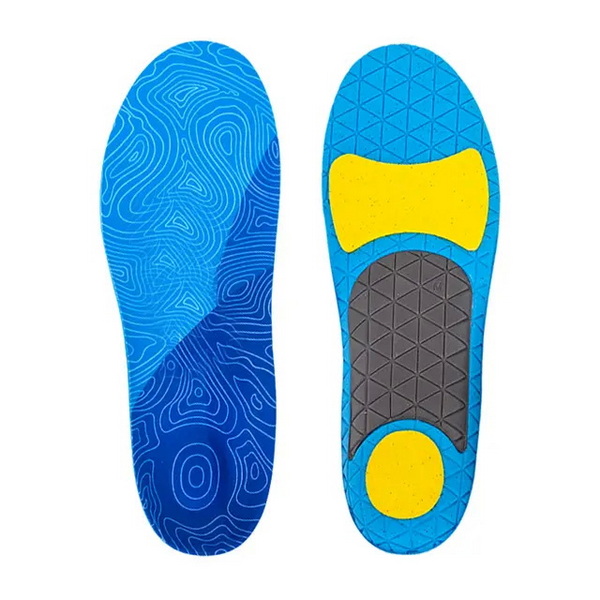
Most people only notice their insoles when their feet start to hurt – but by that point, the problem has already built up over months or years. Modern insoles are designed to manage pressure, control motion, and support the arch so the entire kinetic chain (ankles, knees, hips, and lower back) works more efficiently. [databridgemarketresearch]
For end users, the immediate benefit is less pain and more comfort during everyday activities or long shifts at work. For brands and distributors, offering well‑engineered insoles means fewer returns, stronger product reviews, and a more differentiated product story on e‑commerce platforms. [aideastep]
One of the most obvious jobs of an insole is cushioning. Every step generates impact forces that travel from the heel through the leg, and over time this can contribute to fatigue and discomfort. [alimed]
Well‑designed insoles use materials like EVA foam, PU foam, and gel to spread impact over a larger surface and slow down the force peak. This is especially important for runners, warehouse workers, and production staff who spend many hours on hard floors. [drscholls]
Key benefits:
- Reduced heel and forefoot pressure for long periods of standing. [alimed]
- Less overall fatigue during walking, running, or working shifts. [databridgemarketresearch]
- Better perceived comfort, which strongly influences customer satisfaction and reviews. [jcinsoles]
Beyond cushioning, arch support is what separates a generic pad from a functional insole. By holding the arch in a more neutral position, the insole helps align the heel and midfoot, reducing strain on ligaments and tendons. [drscholls]
Different feet need different support:
- Flat feet often benefit from more structured medial arch support.
- High arches may need more targeted cushioning plus moderate support. [alimed]
- Neutral arches usually perform best with balanced support and flexibility. [drscholls]
When the arch is supported properly, users often report that knee, hip, or lower‑back discomfort also improves, because the entire posture becomes more stable. [alimed]
Supportive insoles can also control excessive foot motion such as over‑pronation (foot rolling inward) or under‑pronation (rolling outward). This motion control function helps keep the heel and ankle in a more neutral position during gait. [alimed]
Stability‑oriented insoles usually feature:
- Firmer mid‑foot and arch zones for structural support. [drscholls]
- Deep heel cups to cradle the heel and improve alignment. [databridgemarketresearch]
- Slight posting or contouring to reduce excessive inward roll. [drscholls]
For athletes and workers in high‑demand environments, this can translate into more efficient movement, better balance, and reduced injury risk. [databridgemarketresearch]
Many common foot issues – such as plantar fasciitis, metatarsalgia, and general forefoot pain – are closely related to how pressure is distributed across the foot. An intelligently designed insole can offload sensitive areas and spread pressure more evenly. [alimed]
Typical design strategies include:
- Metatarsal pads to reduce forefoot pressure. [alimed]
- Extra heel cushioning combined with a deep heel cup for plantar fasciitis. [alimed]
- Zoned densities to balance softness and support across the insole. [databridgemarketresearch]
This is why users often say a good insole "takes the edge off" their foot pain, even when they keep the same shoes. [alimed]
Insoles also contribute to a cleaner and more comfortable in‑shoe environment. Moisture‑wicking top fabrics, perforations, and antimicrobial treatments help reduce odor and bacteria growth. [databridgemarketresearch]
For brands, this is an easy way to add value‑added features that are simple to explain in product descriptions:
- "Moisture‑wicking top layer for dry feet"
- "Antimicrobial treatment to reduce odor"
- "Breathable perforated design for better airflow" [databridgemarketresearch]
These features can become strong selling points on marketplace listings and packaging. [jcinsoles]
Comfort insoles focus mainly on cushioning and a soft, plush feel. They are popular for everyday shoes, casual sneakers, and light work environments where users primarily want extra softness underfoot. [drscholls]
Typical features:
- Memory foam, PU, or gel for a soft step‑in feel. [drscholls]
- Minimal structure, more flexible arch profile. [drscholls]
- Great for low‑impact activities and casual wear. [databridgemarketresearch]
Support insoles (often called "sport" or "stability" insoles) use firmer materials for structural support rather than maximum softness. They work well for active users or those with over‑pronation issues. [aybroad]
Key characteristics:
- Firmer mid‑foot and arch zone for stability. [aybroad]
- Deep heel cup to center the heel. [alimed]
- Often used in running shoes, work boots, and hiking boots. [databridgemarketresearch]
Orthotic insoles are designed to correct or support specific foot conditions. They may be off‑the‑shelf (prefabricated) or custom‑made based on a medical prescription. [drscholls]
They typically feature:
- Stronger structural elements and targeted posting.
- Specific shapes for flat feet, high arches, or plantar fasciitis. [drscholls]
- Materials optimized for long‑term medical use rather than just casual comfort. [drscholls]
As a manufacturer, this segment requires stricter quality systems, more controlled materials, and close cooperation with podiatrists or foot specialists. [databridgemarketresearch]
Beyond generic categories, there is rapid growth in use‑case‑specific insoles. These target particular environments and user profiles. [databridgemarketresearch]
Common directions include:
- Work insoles for long hours on concrete floors.
- Safety boot insoles with antistatic or ESD‑compatible constructions. [databridgemarketresearch]
- Sport‑specific insoles for running, basketball, soccer, or skiing. [databridgemarketresearch]
For OEM clients, these niche products are a powerful way to differentiate a brand and speak directly to a defined user segment. [aideastep]
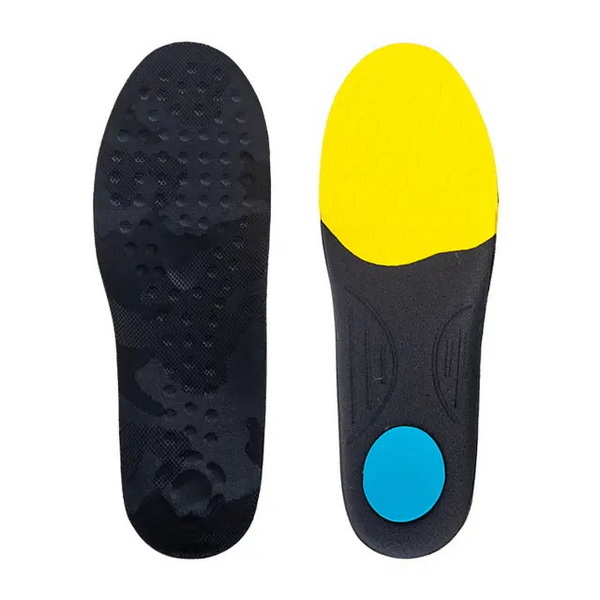
Before choosing an insole, users should be clear about their own feet and usage scenario. From a UX point of view, the most helpful product pages ask simple questions: [alimed]
- Do you have flat, neutral, or high arches?
- Do you feel pain in the heel, arch, or forefoot?
- Do you stand, walk, or run for most of the day?
When users answer these questions, it becomes much easier to recommend the right combination of cushioning and support. [alimed]
Even the best insole will fail if it does not fit well in the shoe. Users should remove the original insole first, then test the new one both outside and inside the shoe. [aybroad]
Practical guidance:
- Stand on the insole outside the shoe to test stability and support. [aybroad]
- Then insert it into the shoe and check that toes are not cramped and heel sits deep. [aybroad]
- The insole should not wrinkle or bend when the foot moves. [aybroad]
Clear, step‑by‑step fit instructions on product pages greatly reduce returns and confusion. [infomedia]
For first‑time users of structured or orthotic insoles, a short break‑in period is normal. The foot and lower leg muscles need time to adapt to the new support. [alimed]
UX‑focused brands often recommend:
- Start with 1–2 hours per day and gradually increase usage.
- Expect mild muscle fatigue at first, but not sharp pain. [alimed]
- Contact customer support or a specialist if discomfort persists.
Setting these expectations clearly builds trust and transparency with customers. [infomedia]
For brand owners and wholesalers, the purpose of an insole is not only comfort but also reliability at scale. You need a partner who can deliver consistent quality across thousands of pairs. [aideastep]
Key aspects to evaluate:
- Stable supply chain for foam, gel, textiles, and adhesives. [databridgemarketresearch]
- Quality management systems for hardness, density, and durability control. [databridgemarketresearch]
- Clear documentation and testing data for each product line.
This foundation ensures that your end customers experience the same comfort and support in every pair. [aideastep]
A strong OEM partner should support you in designing insoles around your target users and brand positioning. This includes: [aideastep]
- Co‑developing arch profiles, cushioning zones, and stability features.
- Advising on materials for specific markets (e.g., work vs. sport vs. lifestyle). [aideastep]
- Providing prototypes quickly so your product team can test and iterate.
For many international brands, working this way with a specialized manufacturer is far more efficient than building an internal R&D team. [aideastep]
Over the last decade, the insole market has shifted from basic comfort pads to more orthopedic and performance‑oriented solutions. Consumers increasingly expect measurable benefits such as pain relief, improved alignment, and better performance. [databridgemarketresearch]
Industry reports highlight growth in:
- Orthotic and medical‑grade insole segments. [databridgemarketresearch]
- Sport and activity‑specific insoles (running, hiking, safety work).
- Customizable designs, including cut‑to‑fit and modular support zones. [databridgemarketresearch]
This trend creates strong opportunities for brands that can offer clear product differentiation supported by credible manufacturing partners. [aideastep]
Brands and consumers are paying more attention to materials and environmental impact. This pushes manufacturers to explore: [databridgemarketresearch]
- Bio‑based foams and recycled components.
- Longer‑lasting materials that reduce replacement frequency.
- Packaging optimized for shipping efficiency and lower carbon footprint. [databridgemarketresearch]
For OEM clients, partnering with a manufacturer already testing these solutions can significantly shorten time‑to‑market for eco‑friendly product lines. [aideastep]
To fully leverage the purpose and benefits of insoles, how you present them online matters almost as much as their construction. Clear structure and scannable content directly improve conversion and user satisfaction. [delante]
Well‑performing insole pages usually share these UX patterns:
- Strong, benefit‑driven headline ("Relieve Heel Pain and Support Your Arch"). [delante]
- Short paragraphs and bold phrases to highlight key outcomes. [infomedia]
- Bullet lists for features, materials, and ideal user profiles. [infomedia]
This layout respects users' limited attention and helps them make decisions quickly. [infomedia]
When you sell multiple insole models, a simple comparison table makes choices much easier. Here is a sample structure you can adapt: [infomedia]
| Model type | Main purpose | Key users |
|---|---|---|
| Comfort insole | Extra cushioning | Everyday and casual wearers (drscholls) |
| Support insole | Stability and alignment | Runners, workers, hikers (aybroad) |
| Orthotic insole | Medical‑grade support | Users with diagnosed conditions (drscholls) |
| Work/safety insole | Long hours on hard surfaces | Industrial and logistics staff (databridgemarketresearch) |
Tables like this reduce friction, increase time on page, and support better buying decisions. [infomedia]
From a brand and B2B buyer perspective, OEM manufacturing turns the complex task of insole development into a focused collaboration. Instead of investing heavily in equipment and materials, you leverage an established partner's production, testing, and R&D capabilities. [aideastep]
A strong OEM partner can help you:
- Define a clear insole assortment for your market segments.
- Translate user feedback and reviews into improved designs.
- Ensure stable quality and on‑time delivery for large orders. [aideastep]
This enables you to concentrate on brand building, marketing, and customer relationships, while the technical work happens behind the scenes. [jcinsoles]
If you are a footwear brand, wholesaler, or manufacturer considering adding or upgrading insoles in your product line, now is the right time to act. Demand for comfort, support, and foot‑health solutions is growing, and customers increasingly expect serious insole performance even from mid‑range products. [alimed]
Work with a specialized OEM partner who understands both engineering and user experience, so you can bring better‑performing insoles to market faster and with less risk. Start by defining your target users, your key sales channels, and the core problems you want your insoles to solve – then co‑develop a product that clearly delivers on that promise. [jcinsoles]
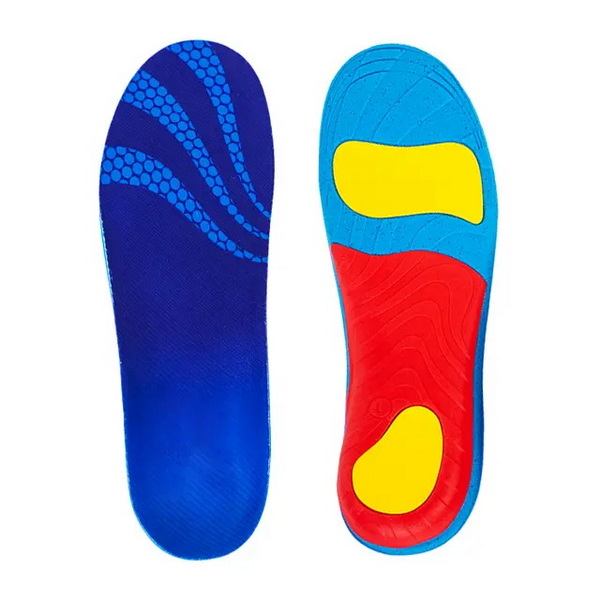
Q1: How long do quality shoe insoles usually last?
A well‑made insole typically lasts between 6 and 12 months of regular use, depending on body weight, activity level, and environment. Heavy industrial or athletic use may require more frequent replacement to maintain optimal support and cushioning. [alimed]
Q2: Are over‑the‑counter insoles enough, or do I need custom orthotics?
Many users find that structured over‑the‑counter insoles provide sufficient support and pain relief for mild to moderate issues. However, for more serious or persistent foot problems, a medical professional may recommend custom orthotics based on a detailed assessment. [drscholls]
Q3: Can I use the same insole in different shoes?
In many cases, yes – as long as the insole fits properly inside each shoe without crowding the toes or lifting the heel too high. For best results, users should always remove the original insole first and test fit carefully in each shoe type. [aybroad]
Q4: Do insoles really help with knee or back pain?
By improving foot alignment and distributing pressure more evenly, supportive insoles can reduce strain that travels up to the knees, hips, and lower back. While they are not a cure‑all, they often become a valuable part of a broader pain‑management or injury‑prevention strategy. [alimed]
Q5: What is the most important factor when choosing an insole?
The most important factor is matching the insole type to the user's foot shape, pain points, and usage scenario. A properly matched insole will feel supportive yet comfortable and should improve stability without creating new pressure points. [aybroad]
1. AliMed. “The Importance of Shoe Insoles for Foot Health” – benefits of insoles, alignment, pain relief, and foot types. https://www.alimed.com/blogs/footwear-insoles-and-inserts/the-importance-of-shoe-insoles-for-foot-health
2. Data Bridge Market Research. “Evolution of Shoe Insoles: From Comfort to Orthopedic Solutions” – market development and product evolution. https://www.databridgemarketresearch.com/zh/articles/transformative-advances-in-shoe-insoles-meeting-market
3. Dr. Scholl’s. “The Difference Between Orthotics, Insoles, and Shoe Inserts” – materials, categories, and medical vs. non‑medical products. https://www.drscholls.com/blogs/expert-advice/the-difference-between-orthotics-insoles-and-shoe-inserts
4. AY Broad. “Professional Shoe Insole Manufacturer – 如何選擇鞋墊” – practical insole fitting and selection advice. https://aybroad.com/hk/blogs/587-how-to-choose-insoles.html
5. JC Insoles. “Effective Marketing Strategies to Grow Your Insole Brand” – positioning, content marketing, and keyword use for insole brands. https://www.jcinsoles.com/post/marketing-strategies-for-your-insole-brand
6. Aideastep. “How to Launch Your Own Orthotic Insole Brand in 2026” – OEM/ODM strategy and SEO‑driven website planning. https://www.aideastep.com/how-to-launch-your-own-orthotic-insole-brand-in-2026/
7. Infomedia. “Rank Better with EEAT: Unique Content Is Key to Blogging” – guidelines on unique, experience‑based content and UX. https://infomedia.com/blog/eeat-unique-blog-content/
8. Delante. “How to Do SEO for the Footwear Industry?” – SEO, keyword strategy, and on‑page optimization for footwear. https://delante.co/footwear-industry-seo/


