
Language
Views: 222 Author: 3BU Technology Publish Time: 2026-06-21 Origin: Site


Content Menu
● What Are Shoe Inserts and How Do They Work?
● Who Actually Needs Shoe Inserts?
>> 1. People With Foot Pain or Fatigue
>> 2. Workers Who Stand or Walk All Day
>> 3. Athletes and Active People
>> 4. People With Unique Foot Shapes
● Types of Shoe Inserts: From OTC to Custom
>> Over‑the‑Counter (OTC) Insoles
>> Semi‑Custom or Heat‑Moldable Insoles
● Shoe Inserts vs Orthotics: What's the Difference?
● Key Signs You May Benefit From Insoles
● How to Choose the Right Shoe Insert
>> Step 1: Define the Main Use Case
>> Step 2: Consider Your Foot Type
>> Step 3: Match Insole Volume and Shoe Fit
>> Step 4: Materials and Features to Look For
● Real‑World User Feedback: What Customers Actually Say
● OEM Insight: How Brands Can Build Better Insoles
>> 1. Align Insole Design With the Brand Story
>> 2. Use Data and Testing, Not Just Intuition
>> 3. Treat Insoles as a Differentiator, Not a Cost Center
● Latest Industry Trends: What's Changing in the Insole Market?
>> Comfort as a Baseline, Not a Bonus
>> Customization and Personalization
>> Sustainability and Material Innovation
● Practical Tips: How to Use and Care for Your Insoles
● When You Should See a Professional
● How 3BU Technology Supports Footwear Brands as an OEM Insole Partner
● Clear Next Step: Turn Your Insoles Into a Competitive Advantage
● Frequently Asked Questions (FAQ)
If you feel foot pain, knee discomfort, or end‑of‑day fatigue, you've probably wondered whether shoe inserts or insoles are actually worth it—or just another marketing trick. As someone who has spent years working with global footwear brands as an OEM insole manufacturer, I've seen both the real benefits and the common misconceptions around insoles.
In this guide, I'll walk you through when you truly need shoe inserts, how to choose the right type, and how brands, wholesalers, and manufacturers can create better insoles that customers love to wear.
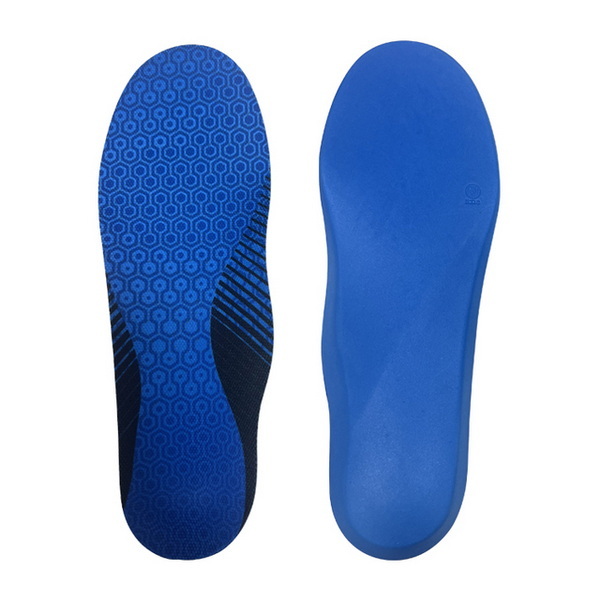
Shoe inserts (also called insoles, footbeds, or shoe liners) are removable components placed inside your shoes to change how your foot interacts with the ground. They can be cushioning, supportive, stabilizing, or fully custom‑molded depending on their design and materials.
Well‑designed insoles can help:
- Distribute pressure more evenly under the foot
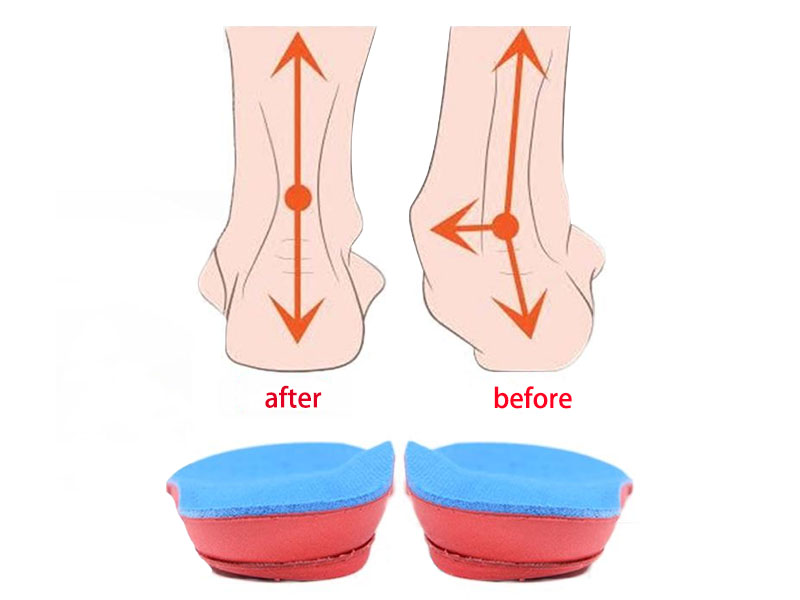
- Improve alignment of the ankle, knee, and hip
- Reduce impact forces when walking or running
- Enhance comfort for long standing or walking
From an engineering perspective, modern insoles use combinations of EVA, PU, TPE, foams, gels, and sometimes carbon or TPU frames to deliver a specific balance of support, cushioning, and flexibility that matches different users and activities. [jcinsoles]
Not everyone needs specialized shoe inserts, but there are clear situations where they become much more than a "nice‑to‑have."
If you regularly feel:
- Heel pain when you first get out of bed
- Burning or aching under the ball of the foot
- General soreness after standing all day
then a well‑designed insole can help reduce peak pressure on painful areas and support your foot's natural structure. [freakyshoes]
Common conditions where insoles can help include:
- Plantar fasciitis
- Heel spurs
- Flat feet (overpronation)
- High arches (under‑pronation)
Retail staff, factory workers, warehouse pickers, healthcare staff, and hospitality teams often spend 8–12 hours on their feet. Over time, that repetitive load can contribute to:
- Joint fatigue (ankles, knees, hips)
- Lower back discomfort
- Swollen or tired feet
For this group, shock‑absorbing and supportive insoles are not just about comfort; they can directly influence productivity, absenteeism, and job satisfaction. [insiteinsoles]
Runners, hikers, and team‑sport athletes place high impact loads on their feet. Performance‑oriented insoles can:
- Fine‑tune fit inside shoes
- Improve stability on uneven surfaces
- Reduce risk of overuse injuries related to poor alignment
If you often struggle to find shoes that feel "just right," shoe inserts can help customize the internal volume and shape of your footwear without changing the shoe size.
Understanding insole categories helps you match the solution to your needs and budget.
These are mass‑produced insoles available in standard sizes and trims.
They can be:
- Cushioning insoles – soft foam or gel focused on comfort
- Supportive insoles – with arch support and a more structured heel cup
- Sport‑specific insoles – tuned for running, hiking, or court sports
Well‑engineered OTC insoles can offer surprisingly good support for many users at a reasonable price.
These insoles are pre‑shaped but can be heat‑molded or slightly adjusted to the wearer's foot. They sit between basic OTC and full custom in terms of price and performance.
Created by a podiatrist or clinician using foot scans, impressions, or casts, these are designed around the individual's:
- Foot structure
- Gait pattern
- Medical condition
They are generally the most expensive solution, but in complex cases they may be the most effective. [freakyshoes]
In everyday language, people often mix the terms, but there is an important distinction.
- Shoe inserts / insoles
- Commercial products aimed at comfort, support, or performance
- Purchased directly by consumers or embedded in branded footwear
- Orthotics
- Medical devices prescribed or recommended by healthcare professionals
- Intended to correct or significantly influence foot biomechanics
From an OEM manufacturer's point of view, the line is increasingly blurred: consumer expectations are pushing everyday insoles closer to orthotic‑level engineering—especially in terms of arch support, heel stability, and pressure redistribution. [insiteinsoles]
While only a medical professional can diagnose specific conditions, there are practical signs that suggest you might benefit from shoe inserts:
- Your feet are more tired than the rest of your body after an ordinary day
- You frequently get blisters or hot spots in the same places
- Your shoes wear down unevenly on the sole
- You feel unstable on certain surfaces or when carrying weight
- You avoid long walks because your feet "just can't handle it"
If several of these points describe you, a quality insole is a reasonable first step before investing in more complex solutions.
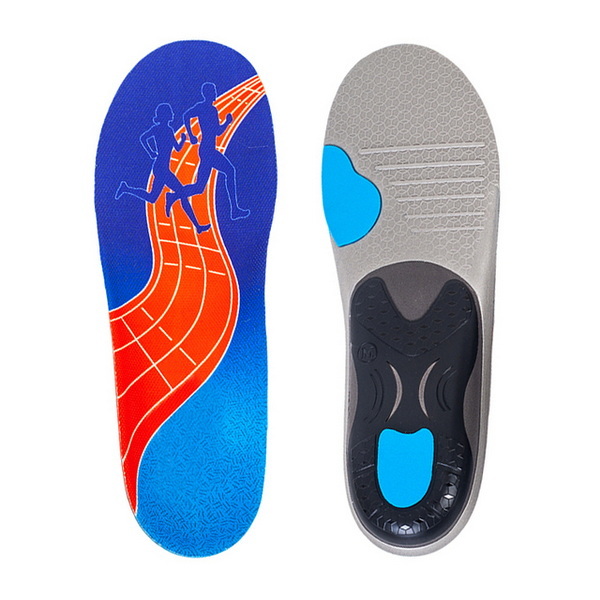
Choosing insoles based only on price or "max cushioning" claims is a common mistake. A better, user‑centric approach follows a simple framework.
Be clear about your primary scenario:
- All‑day standing at work
- Walking and light activity
- Running or sports
- Hiking and outdoor use
Different activities require different balances of support, flex, and shock absorption. [jcinsoles]
While exact assessment may require a professional, you can observe:
- Flat feet / low arches – often need more structured arch support and motion control
- Neutral feet – usually do best with moderate support and cushioning
- High arches – often require more cushioning and gentle arch support
Even the best insole will fail if it makes your shoes too tight. For dress shoes or slimmer sneakers, look for low‑profile designs; for work boots or hiking footwear, higher‑profile insoles may be appropriate.
- Deep heel cup for rearfoot stability
- Anatomical arch support matching your arch height
- Multi‑density foams to balance softness and durability
- Breathable top cover to manage moisture and odor
- Anti‑slip base so the insole stays in place
As an OEM partner, we often customize these parameters for global brands depending on their target users and positioning.
Across different markets, we see consistent themes in customer reviews and feedback collected by footwear brands and retailers:
- Users with long standing hours report noticeably less fatigue when using structured, supportive insoles instead of flat foam liners
- Many customers appreciate firm support more than "marshmallow" softness once they understand that stability often matters more than pure cushioning
- People are more likely to keep using insoles if they feel the difference within the first few days and if trimming and fitting are straightforward
- Negative reviews often mention poor durability (flattening too fast), slipping insoles, or mismatched arch position
This kind of feedback directly shapes how we design and update OEM insole projects—especially regarding arch geometry, density selection, and anti‑slip features. [blog.federatedmedia]
If you are a footwear brand, wholesaler, or manufacturer, insoles are no longer just a hidden component. They are a visible part of your value proposition.
Based on our experience as a leading Chinese OEM insole manufacturer, here are three strategic areas that consistently drive better customer satisfaction and stronger product reviews.
A performance running brand, a comfort‑focused work‑shoe brand, and a sustainable lifestyle label should not be using the same generic insole.
- Performance brands benefit from lightweight, energy‑return materials and precise arch profiles
- Workwear brands need high durability, impact reduction, and stability under load
- Sustainable brands should prioritize eco‑materials without sacrificing support
When we co‑develop insoles with clients, we start from their user persona and brand promise before we even touch the CAD files.
Strong insole programs rely on:
- Pressure mapping data to identify high‑load areas
- A/B testing different densities and shapes with real users
- Iterative feedback loops from retailers and online reviews
Brands that integrate this kind of evidence‑based design process typically see fewer returns and stronger repeat purchases. [aspectusgroup]
Instead of asking "How can we make the insole cheaper?", leading brands ask:
- "How can our insole design justify a higher perceived value?"
- "Can we show the insole visually in our marketing, not hide it?"
- "Can we offer insole upgrades or replacement programs?"
From our side as an OEM, we often help clients create tiered insole systems—for example, a standard comfort insole plus a premium support insole as an upsell option.
The insole sector is evolving quickly, driven by user demands and broader footwear trends.
Consumers now expect all footwear—whether for work, travel, or everyday wear—to offer all‑day comfort. That pushes insoles from "hidden component" to a central design element. [jcinsoles]
From semi‑custom insoles to simple trim‑to‑fit systems, users want solutions that match their individual feet. Brands are experimenting with:
- Modular insole systems
- Multiple arch‑height options
- Digital fitting tools in retail environments
More brands are asking OEM partners to provide:
- Bio‑based foams
- Recycled components
- Lower‑VOC adhesives
The challenge is to balance eco‑friendly materials with the durability and support that users still expect. [insiteinsoles]
Once you have the right shoe inserts, you'll get more value from them by using them correctly.
1. Introduce them gradually
Wear your new insoles for a few hours the first day and increase usage over several days, especially if they offer firm arch support.
2. Trim carefully if needed
Use the original insole as a template and trim slowly from the toe, checking fit frequently.
3. Rotate pairs for heavy use
If you stand or walk heavily every day, rotating two pairs allows foams to recover and prolongs the life of each pair.
4. Keep them clean and dry
Remove insoles from shoes overnight occasionally to let them dry fully. Wipe the top cover with a damp cloth; avoid machine washing unless specifically allowed.
5. Replace them regularly
Even premium insoles compress over time. For all‑day use, many users benefit from replacement every 6–12 months depending on body weight and activity level.
Shoe inserts are a powerful tool, but they are not a replacement for medical advice. You should consult a healthcare professional if:
- Pain is sharp, worsening, or one‑sided
- You experience numbness, tingling, or loss of sensation
- You have diabetes or vascular conditions affecting your feet
- Over‑the‑counter insoles do not improve your symptoms after consistent use
A podiatrist or orthopedist can assess whether custom orthotics or further treatment is needed. [freakyshoes]
As a leading Chinese insole and shoe insert manufacturer, we work behind the scenes for international brands, wholesalers, and shoe factories that need reliable, scalable OEM and private‑label solutions.
Our support typically includes:
- Joint product planning based on your target users and price points
- Engineering of customized insoles with different levels of support, cushioning, and sustainability
- Sample development, testing, and refinement based on your feedback and user testing
- Stable mass production with consistent quality and strict QC
- Flexible packaging and branding to match your market positioning
Whether you need a simple comfort insole for casual shoes or a structured, performance‑oriented insert for a flagship product line, we can help you turn foot comfort into a real competitive advantage.
If you are a footwear brand, wholesaler, or manufacturer and you want your customers to feel the difference the moment they put on your shoes, it starts with the insole.
Define your users, clarify your performance requirements, and partner with an OEM specialist who can translate those needs into real‑world comfort and support—not just marketing claims. When you are ready to create or upgrade your insole program, reach out to discuss how a tailored OEM solution can support your next collection.
1. Are shoe inserts good for everyone?
Not everyone needs additional support, but many people—especially those who stand all day, have mild foot pain, or wear unsupportive shoes—can benefit from well‑designed insoles.
2. How long do quality insoles usually last?
For heavy daily use, many insoles last around 6–12 months before cushioning and support noticeably decrease, though this depends on body weight, activity level, and materials.
3. Do I need custom orthotics or are OTC insoles enough?
For general fatigue and mild discomfort, good over‑the‑counter insoles are often sufficient. For severe or persistent pain, or for complex medical conditions, custom orthotics may be recommended by a professional.
4. Can shoe inserts fix my posture completely?
Insoles can improve alignment and reduce strain, especially in the feet, knees, and lower back, but posture also depends on muscle strength, flexibility, and overall movement habits.
5. What should brands look for in an OEM insole partner?
Key factors include engineering capability, experience with different markets, the ability to customize designs and materials, consistent quality control, and transparent communication during development and production.
1. [Effective Marketing Strategies to Grow Your Insole Brand] [jcinsoles]
2. [Rank Better with EEAT: Unique Content Is Key to Blogging] [infomedia]
3. [What Is OEM Marketing?: Everything You Need to Know] [lform]
4. [Footwear Trends Driving Business for Shoe Insole Suppliers] [insiteinsoles]
5. [What is EEAT? Boost Your Website's Authority With These Tips] [digitalstrike]
6. [How to Optimize a Blog for Lead Generation] [blog.federatedmedia]
7. [Are Custom Shoe Inserts Worth It? Everything You Need to Know] [freakyshoes]
8. [21 EEAT Strategies To Boost Your Business] [aspectusgroup]


