
Views: 222 Author: 3BU Technology Publish Time: 2026-06-22 Origin: Site


Content Menu
● Why Insoles Slip in the First Place
● Start With Fit — Matching Insole, Foot and Shoe
>> Choose the Right Insole Size and Profile
>> How to Trim Your Insoles Without Ruining Them
● Non-Permanent Fixes: Keeping Insoles in Place Without Damaging Shoes
>> Velcro Pads for High-Impact Use
>> Double-Sided Tape for Quick, Low-Profile Grip
● When (and How) to Use Glue on Insoles
>> Why You Should Avoid Super Glue and Rigids
● What You Should Never Do to Secure Insoles
● Design Matters — Why Some Insoles Stay Put Better Than Others
>> Stability Features Built Into Quality Insoles
● Matching Insole Type to Use Case (Everyday, Work, Sports)
>> Work Boots and Safety Footwear
● Real-World Feedback: What Users Get Wrong (and Right)
● Manufacturer's Checklist: How We Design Insoles That Stay Put
● Practical Step-by-Step Guide to Stop Insoles From Slipping Today
● When to Replace Your Insoles Instead of Fixing Them
● FAQs
If your insoles slide, bunch up, or ride up the heel, they cannot deliver the support and pain relief you paid for. As an OEM insole manufacturer working with global footwear brands, we see the same causes and mistakes repeat across thousands of pairs of shoes—and we know exactly how to fix them. [blog.marketmuse]
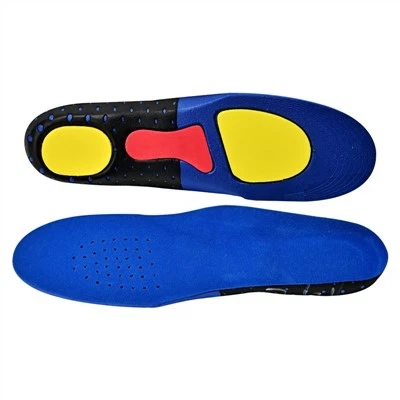
Most slipping problems are not "bad luck"; they come from a few predictable factors inside the shoe. [blog.marketmuse]
- Shoe volume does not match insole thickness
- Incorrect insole size or trimming
- Smooth, low-friction shoe linings
- Worn-out or deformed stock insoles
- High-impact use (running, work shifts, court sports) that exaggerates movement [blog.marketmuse]
From a biomechanics perspective, every step creates shear forces between your foot, the insole, and the shoe midsole. If one layer is too smooth or poorly fitted, the insole will move instead of your foot and the shoe moving as a unit. [insiteinsoles]
A secure insole always starts with correct sizing and volume management. [blog.marketmuse]
- Follow the brand's size chart, not just your shoe size
- Match insole type to shoe type (thin for dress shoes, thicker for boots or trainers)
- Avoid "overfilling" low-volume shoes with very thick orthotics [blog.marketmuse]
If the insole is too long or wide, it will bunch in the toe box or arch area. If it is too small, it will slide forward or backward with each step. Trimming to fit is often necessary and safe when done correctly. [blog.marketmuse]
Most full-length insoles are designed to be trimmed at the toe. Use this simple process: [blog.marketmuse]
1. Remove the original insole from your shoe and use it as a template. [blog.marketmuse]
2. Place it on top of the new insole, heel aligned, and trace around the toe area. [blog.marketmuse]
3. Trim just beyond the line with small, controlled cuts.
4. Test the fit inside the shoe; if it still pushes up, trim 1–2 mm more.
5. Avoid trimming the heel or arch—this can compromise support and heel cup stability. [blog.marketmuse]
Proper trimming reduces sliding and stops the front of the insole from curling, which is a common cause of discomfort and blisters. [blog.marketmuse]
Before you reach for strong glue, try lower‑risk, reversible methods. [blog.marketmuse]
Velcro is one of the most effective ways to lock insoles in place while still allowing removal for cleaning or replacement. [blog.marketmuse]
- Use thin hook-and-loop pads designed for footwear or textiles
- Stick the loop side to the shoe midsole, hook side to the underside of the insole
- Place one set under the heel and one under the forefoot for the best stability [blog.marketmuse]
This solution works especially well for sports, work boots, and people who are on their feet all day. [blog.marketmuse]
Double-sided tape offers a simple, low‑profile option when you do not want to change the fit of the shoe. [blog.marketmuse]
- Choose fabric- or foam-safe tape, not aggressive construction tape
- Apply short strips at the heel and ball-of-foot area
- Press the insole firmly into place and allow it to set before walking [blog.marketmuse]
Tape can add a tiny bit of thickness, but it can dramatically improve grip in smooth-lined dress shoes or sandals. [blog.marketmuse]
Some users prefer a more permanent fix, especially in older shoes or work footwear. As an OEM manufacturer, we strongly recommend flexible, shoe-safe adhesives over harsh glues. [ortholite]
Super glue and similar rigid adhesives:
- Can stiffen the shoe flex point and cause discomfort
- Often crack under repeated bending
- May damage foam, leather, or textile linings
- Make it difficult to replace insoles later [blog.marketmuse]
Footwear-specific products (for example, Shoe Goo–type adhesives) are formulated to flex with your shoes. They: [blog.marketmuse]
- Offer a tacky, non-brittle bond
- Can sometimes be peeled off if you need to replace the insole
- Work well on rubber, EVA, and many fabric linings [blog.marketmuse]
Apply a thin, even layer under the heel and forefoot, let it become slightly tacky, then press the insole firmly into place. Less adhesive is usually better for comfort and future replacement. [blog.marketmuse]
There are "DIY hacks" circulating online that sound clever but are unsafe or damaging. [blog.marketmuse]
- Do not use thumbtacks or staples inside the shoe
- Do not screw anything through the outsole into the insole
- Do not burn or melt materials to "fuse" them together [blog.marketmuse]
Sharp objects can injure the foot, puncture waterproof membranes, or weaken the shoe. Any solution that compromises foot safety is not worth a slightly tighter insole. [blog.marketmuse]
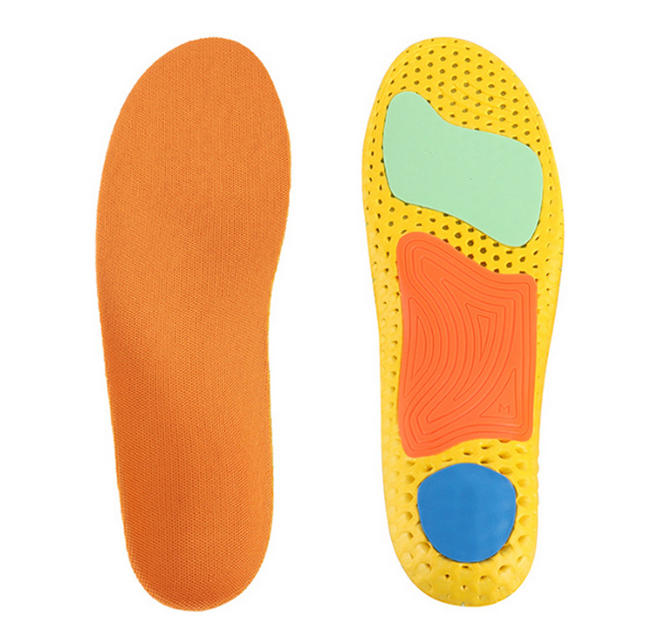
From the manufacturing side, we know that insole geometry and material selection directly affect how well an insole stays in place. [ortholite]
High-quality insoles often include:
- Deep heel cups that "lock" the heel and reduce lateral movement
- Textured or tacky bottom surfaces to increase friction with the midsole
- Rigid or semi‑rigid shells that resist folding and bunching
- Anatomical shaping that matches common foot curves [insiteinsoles]
These design elements help the insole act like part of the shoe instead of a loose layer floating inside. [blog.marketmuse]
As a leading OEM insole manufacturer founded in 2012, 3BU Technology has more than 12 years of experience, a 5000 ㎡ workshop, and over 100 skilled workers focused on insole R&D and production for global brands. We engineer insoles so that "non-slip" performance is built-in, instead of relying on user-added fixes. [ortholite]
Because we supply insoles to world‑class brands, we test combinations of foams, rubber compounds, and surface treatments to keep insoles stable across different shoe constructions and use cases. [insiteinsoles]
Choosing the wrong insole type for your activity is a hidden cause of slipping and premature wear. [grandviewresearch]
For daily walking and office wear:
- Use medium‑profile insoles that do not overfill the shoe
- Look for moderate arch support and a stable heel cup
- Choose a bottom surface with light texture or tack, especially in smooth-lined shoes [blog.marketmuse]
In work environments, long hours and heavy loads amplify every tiny bit of movement. [grandviewresearch]
- Prefer insoles with firmer bases and deep heel cups
- Ensure they are compatible with safety toe and ESD requirements where applicable
- Combine with Velcro pads if you remove insoles frequently for drying or cleaning [blog.marketmuse]
High-impact sports generate repeated shear forces that can push insoles forward. [insiteinsoles]
- Choose sport-specific insoles with anti-slip bottoms
- Make sure the shoe's original sockliner is removed completely before inserting the new insole
- Test in short sessions before long runs to confirm the insole stays put and does not cause hot spots [blog.marketmuse]
Customer feedback from insole brands consistently highlights the same patterns. [ortholite]
Common mistakes users make:
- Layering new insoles on top of old ones instead of replacing them
- Ignoring early signs of bunching or sliding until blisters appear
- Using strong household glues that damage the shoe
- Choosing very soft, floppy insoles for demanding, high‑impact activities [blog.marketmuse]
On the other hand, users who follow sizing guides, trim carefully, and use gentle adhesives or Velcro only when necessary report much higher comfort and longer insole life. [walkersands]
From the OEM side, keeping an insole stable is a design requirement, not an afterthought. When we develop insoles for international brands, we use a structured checklist: [insiteinsoles]
- Footbed geometry validated with 3D foot scans and wear tests
- Multi-layer constructions that balance comfort and structural stability
- Bottom-surface patterns engineered for friction with typical midsole foams
- Rigorous testing in walking, running, and work scenarios [ortholite]
By partnering with an experienced OEM like 3BU Technology, brands can differentiate on fit, stability, and long-term comfort instead of just foam density or price. [ortholite]
If your insoles are already moving, follow this simple process:
1. Remove everything from the shoe and check the inside surface for damage or excessive smoothness. [blog.marketmuse]
2. Match length and width by comparing your insole to the shoe's original sockliner and trimming only at the toe if needed. [blog.marketmuse]
3. Test without adhesive first for a few minutes of walking indoors. [blog.marketmuse]
4. If slipping persists, add Velcro pads or double-sided tape under the heel and forefoot. [blog.marketmuse]
5. Only if necessary, use a flexible, shoe-safe adhesive in thin layers to secure the insole more permanently. [blog.marketmuse]
6. If problems continue, consider switching to an insole with a deeper heel cup, more rigid base, or textured bottom surface. [ortholite]
This approach protects your shoes, keeps your options open, and usually solves slipping without resorting to risky "hacks." [blog.marketmuse]
Sometimes the best way to stop slipping is simply to retire a worn-out insole. [grandviewresearch]
Replace your insoles when you notice:
- Visible flattening or cracking of foam
- A polished, shiny bottom surface with very low friction
- Persistent odor or hygiene concerns
- Reduced arch support or new areas of foot pain [ortholite]
Because the global shoe insole market is growing steadily, brands are investing in better materials and construction, which means newer-generation insoles often offer significantly better stability and durability than older models. [grandviewresearch]
If you are a footwear brand, wholesaler, or manufacturer, insole stability is not just a comfort issue—it is a brand reputation issue. [grandviewresearch]
As a professional insole maker based in Dongguan since 2012, 3BU Technology focuses on:
- Innovative insole R&D across EVA, PU, foam and hybrid constructions
- OEM and ODM services for global brands, including world-class names
- Small-order flexibility for new projects and niche collections
- Engineering insoles that stay securely in place across a wide range of footwear types [ortholite]
By integrating non-slip design at the manufacturing stage, you reduce returns, improve reviews, and deliver a more consistent user experience from the first step. [walkersands]
If you are looking for OEM insoles that deliver secure fit, non-slip performance, and consistent quality, contact 3BU Technology to develop your next insole line with expert support from design to mass production. [ortholite]

Q1: Why do my new insoles keep sliding forward in my shoes?
A1: This usually happens when the insole is slightly too short, the shoe lining is very smooth, or the insole is layered on top of the original sockliner instead of replacing it. [blog.marketmuse]
Q2: Is it safe to glue my insoles into my shoes?
A2: Yes, if you use a flexible, shoe-safe adhesive and apply it sparingly under the heel and forefoot; avoid rigid glues like super glue that can damage materials and reduce comfort. [blog.marketmuse]
Q3: How do I know if I trimmed my insoles too much?
A3: If you see gaps around the toe or sides, or if the insole no longer sits snugly against the shoe's heel area, it was likely over-trimmed and may move more easily. [blog.marketmuse]
Q4: Can I use the same insole in different types of shoes?
A4: You can, but switching between low‑volume dress shoes and high‑volume sports shoes can affect fit and stability; always test and adjust with Velcro or tape if needed. [blog.marketmuse]
Q5: How often should I replace my insoles to maintain stability and support?
A5: For daily wear, many users benefit from replacing insoles every 6–12 months, or sooner if they show visible wear, flattening, or renewed foot pain. [ortholite]
1. Protalus. “How To Make Sure Your Insoles Stay Put.” https://protalus.com/blogs/blog/how-to-make-sure-your-insoles-stay-put
2. 3BU Technology (Insolemaker). “China Professional Eva Insole, Pu Insole, Foam Insole Manufacturer.” https://www.insolemaker.com
3. Grand View Research. “Shoe Insoles Market Size And Share | Industry Report, 2033.” https://www.grandviewresearch.com/industry-analysis/shoe-insoles-market-report
4. INSITE Insoles. “The Importance of Insole Research in Footwear Design and Development.” https://insiteinsoles.com/science-and-technology/the-importance-of-insole-research-in-footwear-design-and-development/
5. OrthoLite. “Benefits of Using OrthoLite Insoles.” https://www.ortholite.com/ortholite-benefits/
6. Walker Sands. “6 Strategic SEO Content Insights to Implement.” https://www.walkersands.com/about/blog/6-strategic-seo-content-insights-to-implement/


