
Language
Views: 222 Author: 3BU Technology Publish Time: 2026-06-19 Origin: Site


Content Menu
● What Is Metatarsalgia and Why It Hurts So Much?
● Can Metatarsal Pads Provide Immediate Relief?
● How Metatarsal Pads Actually Work (Expert View)
● Types of Metatarsal Pads: Gel, Foam and Leather
● Real‑World User Experiences: What Customers Actually Feel
● Correct Placement: The Step‑by‑Step Method Professionals Use
● Beyond Pads: Evidence‑Based Self‑Care for Metatarsalgia
● OEM and Brand Perspective: What Makes a High‑Performance Metatarsal Pad?
● When to See a Professional Instead of Self‑Treating
● How to Choose the Right Metatarsal Pad for You
● CTA: Partner With an OEM Expert for Tailored Metatarsal Pad Solutions
● Frequently Asked Questions (FAQ)
Using metatarsal pads correctly can offer fast, targeted relief for metatarsalgia, especially when combined with better footwear, load management and professional guidance. As a leading OEM insole and pad manufacturer, 3BU Technology has also seen, through thousands of customer projects, that pad design, material and placement are the real difference between "some relief" and "I can finally walk again" outcomes. [jcinsoles]
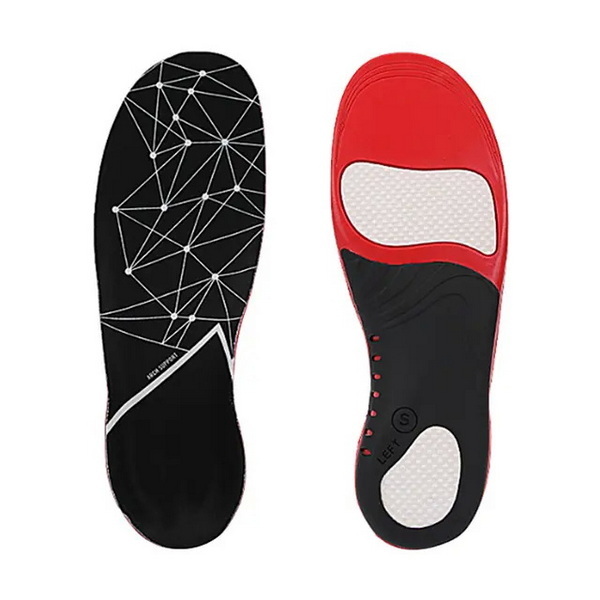
Metatarsalgia is a painful condition affecting the ball of the foot, usually under the heads of the metatarsal bones just behind your toes. It often shows up as burning, aching, or sharp pain when you stand, walk or run, and can feel like you're "walking on pebbles". [mayoclinic]
Common triggers include high‑impact sports, high heels or narrow shoes, excess weight, and biomechanical issues such as a dropped metatarsal arch or toe deformities. If untreated, pain can gradually limit daily activities and sports participation, which is why early, conservative treatment—like metatarsal pads—is so important. [rothmanortho]
For many people, the answer is yes—if the pad is designed and positioned correctly. Metatarsal pads work by gently lifting and supporting the area just behind the painful metatarsal heads, so your body weight is redistributed away from that overloaded "hot spot". [sdri]
This off‑loading effect can reduce pain within minutes of correct application, a result echoed in real‑world customer feedback where users report "instant relief" and being able to walk further with significantly less pain. However, not everyone experiences 100% relief immediately—severe cases, nerve involvement (such as Morton's neuroma), or long‑standing biomechanical issues may require a combination of pads, footwear changes, exercises and clinical care. [jcinsoles]
From a foot‑health and product‑design perspective, well‑made pads deliver three core biomechanical benefits: [sdri]
- Pressure redistribution: The pad sits just behind the metatarsal heads, lifting the transverse arch and spreading load across a wider area instead of concentrating it in one spot. [jcinsoles]
- Shock absorption: Foam, gel or multi‑layer constructions absorb impact forces during walking and running, which protects irritated joints and soft tissue. [mayoclinic]
- Improved alignment: By supporting the forefoot, pads can help correct "splayfoot" tendencies and reduce excessive strain on the digital nerves between the toes. [rothmanortho]
Medical guidelines from organizations such as Mayo Clinic and orthopedic groups list metatarsal pads and arch supports among the primary conservative treatments for metatarsalgia, alongside rest, footwear changes and activity modification. This aligns closely with what we see in OEM projects: when pads are engineered for the right hardness, profile and size, they become a first‑line, low‑risk intervention for many patients. [mayoclinic]
Different pad constructions serve slightly different users and scenarios. Below is a quick comparison you can adapt to your brand or product pages. [jcinsoles]
| Pad Type | Key Features | Best For | Example Benefits |
|---|---|---|---|
| Gel pads | Soft, cushioning, often with toe loop, high shock absorption. (jcinsoles) | Sensitive feet, first‑time users, everyday shoes and sandals. (jcinsoles) | "Super bit of kit providing huge pain relief" (customer with metatarsalgia). (jcinsoles) |
| Foam dome pads | Dense foam, curved dome shape, adhesive backing. (jcinsoles) | Runners, active users, people needing firmer support. (jcinsoles) | Users report no longer limping and being able to "walk for miles" after application. (jcinsoles) |
| Multi‑layer cushions | EVA plus breathable fabric, contoured cushioning, blister/odour control. (jcinsoles) | All‑day wear, high‑impact use, warm climates. (jcinsoles) | Customers describe them as "excellent" for relieving metatarsitis and restoring walking comfort. (jcinsoles) |
| Leather T‑pads | Genuine leather surface, pronounced dome, self‑adhesive. (jcinsoles) | Dress shoes, splayfoot, users needing breathable, long‑lasting support. (jcinsoles) | Reviewers highlight targeted comfort and good value compared with other suppliers. (jcinsoles) |
From a manufacturing standpoint, 3BU Technology sees strong OEM demand for multi‑density foam domes and hybrid gel‑foam constructions, which offer a balance of structure and comfort for long‑term wear. [blog.saleslayer]
Customer reviews from retailers consistently highlight two recurring themes: speed of relief and freedom of movement restored. Users with diagnoses ranging from metatarsalgia to Morton's neuroma report that correctly chosen pads reduce pain to the point where they can walk long distances again, wear their favourite shoes, or stand all day at work. [jcinsoles]
Typical customer language includes terms like "massive relief", "huge pain relief", "no longer limping", and "instant relief as soon as I fitted these in". As an OEM supplier, we see similar feedback from global brand clients who integrate quality metatarsal pads into insoles, work footwear and sports shoes: when the pad's profile, material hardness and placement guidelines are optimised, return rates fall and customer satisfaction scores rise. [blog.saleslayer]
Correct placement is the single biggest factor that determines whether you feel mild improvement or dramatic relief. Pads should not sit directly under the most painful spot; they belong just behind it, closer to the arch. [sdri]
Use this clinician‑style method at home:
1. Mark the painful area
- Sit down and locate the most painful point under the ball of your foot. [sdri]
- Dab a small amount of removable lotion or similar on that spot.
2. Transfer the mark to your insole
- Take the insole out of your shoe and place it flat on the floor. [sdri]
- Carefully place your foot on the insole and stand, putting gentle pressure on the painful area. [sdri]
- Sit down again and remove your foot; the mark on the insole shows where you hurt. [sdri]
3. Position the pad just behind the pain
- Peel off half the adhesive backing and place the front edge of the pad just behind the mark, not directly under it. [rothmanortho]
- Put the insole back in your shoe and walk around for a few minutes to test the position. [sdri]
4. Fine‑tune by millimetres
- Shift the pad slightly forward, backward, or sideways in millimetre steps until pain relief and comfort feel optimal. [sdri]
- Once you are satisfied, fully remove the backing, stick it down, and—if needed—secure with tape to prevent movement. [sdri]
5. Trace and duplicate
- Trace the pad's outline with a marker, so you can replicate that exact placement on other insoles or shoes later. [sdri]
This process mirrors what sports medicine and orthopedic clinics recommend for achieving 50–100% symptom relief in many cases. [rothmanortho]
Even the best pads work better when combined with broader lifestyle and footwear choices. Evidence‑based self‑care steps include: [mayoclinic]
- Rest and load management: Temporarily reduce high‑impact activities (running, jumping) and keep daily steps below your usual volume while symptoms are acute. [mayoclinic]
- Ice and pain relief: Apply ice packs for about 20 minutes several times a day, and consider non‑prescription anti‑inflammatory medications if appropriate for you. [rothmanortho]
- Footwear changes: Avoid high heels and narrow toe boxes; choose shoes with cushioning, a stable midsole and enough forefoot width. [mayoclinic]
- Arch supports and orthotics: Combining metatarsal pads with arch supports can further reduce stress on the metatarsal heads. [mayoclinic]
- Weight management and conditioning: Maintaining a healthy weight and keeping calves and intrinsic foot muscles conditioned can help reduce long‑term recurrence. [rothmanortho]
Medical sources also emphasise that if pain worsens despite these measures, or if you notice numbness, significant swelling or deformity, you should seek professional assessment to rule out fractures or nerve problems. [rothmanortho]
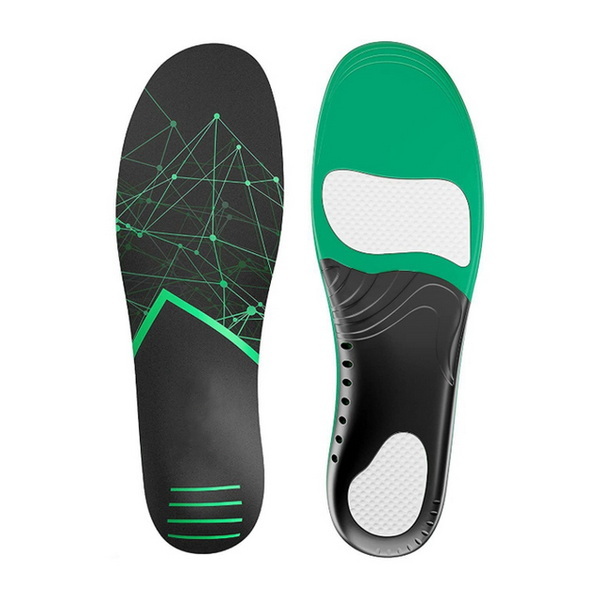
From the vantage point of a Chinese OEM leader like 3BU Technology, designing metatarsal pads that genuinely help users—and strengthen your brand—means optimising several technical parameters. [blog.saleslayer]
Key design factors we typically refine for global brands include:
- Material hardness (Shore A): Softer compounds for everyday comfort pads, firmer foams or gels for athletic and work applications where stability matters. [blog.saleslayer]
- Pad geometry: Dome height, width and length must match target footwear categories and user profiles (e.g. narrow dress shoes vs roomy trainers).
- Surface finish & textiles: Breathable, moisture‑managing top fabrics or natural leather surfaces improve long‑term comfort and reduce blister risk. [jcinsoles]
- Adhesive systems: High‑performance adhesives or micro‑grip surfaces that hold reliably under sweat, flex and heat while still allowing deliberate repositioning. [jcinsoles]
- Integration into insoles: Many international brands now embed metatarsal domes directly into full‑length insoles, safety shoes and sports footwear to deliver "hidden" support that users simply experience as superior comfort. [blog.saleslayer]
For private‑label clients, 3BU's typical development cycle involves biomechanical benchmarking, user testing, and progressive refinement of pad profile and density, which ultimately translates into fewer complaints and stronger product reviews.
While metatarsal pads are a powerful self‑care tool, they are not a complete solution for every case. You should consult a podiatrist, orthopedic specialist or sports medicine doctor if you notice any of the following: [mayoclinic]
- Pain that does not improve after several weeks of conservative care (pads, footwear changes, rest). [mayoclinic]
- Numbness, tingling, or burning between the toes that suggests nerve involvement. [rothmanortho]
- Visible deformities such as significant bunions, hammertoes, or suspected stress fractures. [rothmanortho]
- Systemic issues (for example, diabetes) where foot problems require closer monitoring. [mayoclinic]
Specialists can provide a precise diagnosis, prescribe customised orthotics, and advise if imaging or advanced therapies are necessary. In most cases, though, metatarsal pads remain a cornerstone of non‑surgical treatment plans. [rothmanortho]
To maximise relief and comfort, match the pad to your lifestyle, footwear and sensitivity level. Consider: [jcinsoles]
- Foot sensitivity
- Very sensitive or inflamed: Start with soft gel or multi‑layer cushions.
- More robust or athletic: Try foam domes with firmer support.
- Primary footwear
- Dress or office shoes: Low‑profile leather pads that fit discreetly. [jcinsoles]
- Sports and casual shoes: Foam or hybrid domes integrated with insoles.
- Activity level
- All‑day standing or walking: Long‑wear comfort materials and anti‑odour features. [jcinsoles]
- High‑impact sports: Durable, shock‑absorbing foams and secure fixation systems. [jcinsoles]
If you are unsure, many users start with a soft gel pad to test the concept, then move to a more structured pad once they understand exactly where support feels best. [mayoclinic]
If you are a footwear brand, wholesaler or insole company, you do not have to develop high‑performance metatarsal pads alone. Drawing on extensive OEM experience, 3BU Technology helps international partners design, test and manufacture customised metatarsal pads and integrated insole systems that align with their brand positioning and target users. [blog.saleslayer]
Whether you need white‑label gel pads, bespoke foam domes, or fully engineered insoles with built‑in metatarsal support, our team can support you from concept and prototyping through to volume manufacturing and global shipment. To explore your options, contact 3BU Technology's OEM team and start developing forefoot‑relief solutions that your customers will genuinely feel—every step they take.
1. Do metatarsal pads work immediately for everyone?
Many people feel noticeable relief within minutes when a pad is correctly positioned just behind the painful area, especially in mild to moderate metatarsalgia. However, severe or long‑standing cases may require several days of adaptation plus footwear and activity changes. [rothmanortho]
2. Can I use metatarsal pads in any shoes?
Most pads can be used in a wide range of shoes, but they work best in footwear with a removable insole and enough forefoot space. Very tight or high‑heeled shoes may limit both placement accuracy and effectiveness. [jcinsoles]
3. Are metatarsal pads safe to use without seeing a doctor?
For most healthy adults, high‑quality pads are a low‑risk option for managing ball‑of‑foot pain, as long as you stop using them if symptoms worsen. That said, if pain persists or you have conditions like diabetes or severe arthritis, professional assessment is recommended. [mayoclinic]
4. How long do metatarsal pads last?
Durability depends on material, body weight and activity level, but many users can wear quality pads for several weeks to months before noticing loss of support or adhesion. OEM‑grade foams and leathers typically offer longer life, especially in work and athletic applications. [blog.saleslayer]
5. What is the difference between metatarsal pads and full‑length insoles?
Metatarsal pads target the ball‑of‑foot area, while full‑length insoles support the entire foot with additional features such as arch support and heel cushioning. Many premium insoles now integrate a metatarsal dome, combining global support with localised forefoot relief. [blog.saleslayer]
1. ShoeInsoles.co.uk. "Can Metatarsal Pads Provide Immediate Relief for Metatarsalgia?" (Product guide and customer reviews).
<https://www.shoeinsoles.co.uk/blog/can-metatarsal-pads-provide-immediate-relief-for-metatarsalgia.html> [jcinsoles]
2. San Diego Running Institute. "Metatarsalgia Specialist San Diego – Metatarsal Pad Placement Instructions."
<https://www.sdri.net/injuries/lower-body-injuries/metatarsalgia/> [sdri]
3. Mayo Clinic. "Metatarsalgia – Diagnosis & Treatment."
<https://www.mayoclinic.org/diseases-conditions/metatarsalgia/diagnosis-treatment/drc-20354795> [mayoclinic]
4. Rothman Orthopaedics. "Metatarsalgia Treatment Options."
<https://www.rothmanortho.com/treatments/treatment-options-for-metatarsalgia/> [rothmanortho]
5. Practice Builders. "The Role of E‑E‑A‑T in Ranking Healthcare Websites."
<https://www.practicebuilders.com/blog/role-of-eeat-in-ranking-healthcare-websites/> [practicebuilders]
6. PatientGain. "E‑E‑A‑T SEO Algorithm For Dental and Medical SEO Websites."
<https://www.patientgain.com/e-a-t-algorithm-medical-seo-website> [patientgain]
7. Sales Layer. "SEO for Manufacturing Companies: The 2026 Strategy Guide."
<https://blog.saleslayer.com/seo-for-manufacturing-companies> [blog.saleslayer]
8. JC Insoles. "Effective Marketing Strategies to Grow Your Insole Brand in 2024."
<https://www.jcinsoles.com/post/marketing-strategies-for-your-insole-brand> [jcinsoles]


