
Views: 222 Author: Edvo Publish Time: 2025-11-28 Origin: Site


Content Menu
● Understanding Flat Feet and High Arches
● How Arch Support Helps Flat Feet
● Why “High Arch” Insoles Can Be a Problem for Flat Feet
● When High Arch Insoles Might Make Sense
● How to Decide the Right Arch Height for Flat Feet
● Step‑by‑Step: Trying Insoles Safely with Flat Feet
● Choosing Insoles if You Have Flat Feet
● Comparison: High Arch Insoles vs Flat‑Foot‑Specific Insoles
● Extra Tips for Brands, Wholesalers, and Manufacturers
● Simple Home Checks Before Choosing Arch Height
● Exercise and Lifestyle Support for Flat Feet
● Long‑Term Comfort and Maintenance
● So, Should You Get High Arch Insoles for Flat Feet?
● FAQs About High Arch Insoles and Flat Feet
>> 1. Can high arch insoles fix my flat feet?
>> 2. Are high arch insoles bad for flat feet?
>> 3. What type of insoles are best for flat feet?
>> 4. How long does it take to get used to arch support insoles?
>> 5. When should I see a doctor about my flat feet?
Flat feet are very common, and using the wrong arch height in your insoles can either relieve pain or create new problems. For most people with flat feet, very high arch insoles are not the first choice; low to medium arch support that matches the foot structure is usually safer and more comfortable.
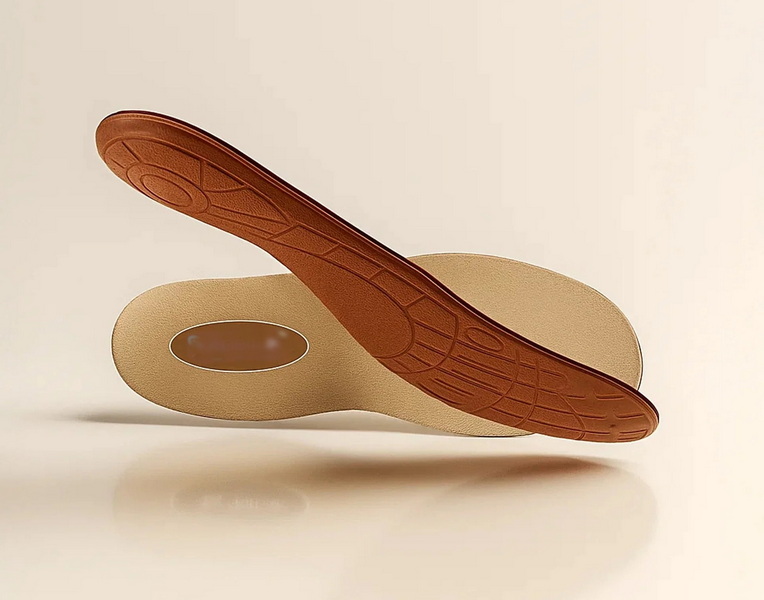
Flat feet mean that most or all of the sole touches the ground when you stand, often leading to overpronation, where the foot rolls inward and stresses ligaments and tendons. High arches are the opposite: only the heel and forefoot bear most of the weight, which tends to cause supination and poor shock absorption.
Because flat and high arches load the foot very differently, insoles must be matched to your real arch height instead of forcing your feet into a shape they do not naturally have. Many people with flat feet feel pain if they suddenly switch to very aggressive, high arch support that their soft tissues are not prepared to handle.
The main purpose of arch support in flat feet is to control overpronation, redistribute pressure, and improve alignment from the foot up to the knees, hips, and lower back. Structured insoles with a defined (but not extreme) arch and a deep heel cup can stabilize the heel, spread forces more evenly, and reduce fatigue during long standing or walking.
Clinical and biomechanical research shows that orthotic insoles for flat feet can decrease plantar pressure hot spots, improve walking mechanics, and reduce pain associated with flexible flatfoot. Many people report better comfort and mobility in daily life once they find an arch profile that truly matches their foot shape.
High arch insoles are designed for feet that already have a raised, rigid arch and tend to roll outward, so they “fill in” the space under the arch and stabilize a foot that lacks shock absorption. When this same high arch profile is placed under a flat foot, it may push the midfoot upward too aggressively and create pressure points that feel like a hard lump under the arch.
Flat feet often adapt over many years to functioning with minimal arch height, so suddenly forcing the arch up can strain muscles and ligaments that are not used to this new position. Overcorrection with an arch that is too high or too rigid can lead to new pain in the arch, heel, or even in the peroneal tendons along the outside of the ankle.
There are a few situations where a “higher than average” arch profile may still be considered for someone with flat feet, but this is usually done carefully and under professional guidance. For example, some people have flexible flat feet that appear flat under load but show some arch when non‑weight‑bearing; these cases might tolerate a medium arch height if introduced gradually.
In more complex biomechanical issues or long‑standing pain that does not respond to simple supports, custom orthotics prescribed by a podiatrist or other specialist can offer a more tailored shape, sometimes including higher support in specific regions. Custom devices can significantly reduce pain in patients with problematic arch mechanics compared with generic insoles when they are properly designed and fitted.
Instead of asking, “Should I get high arch insoles for flat feet?”, a better question is, “What arch height best matches my foot structure and comfort?” A practical starting point is to use low or medium arch insoles specifically marketed for flat feet or overpronation, then adjust based on how your feet feel over several days.
Most experts advise that insoles for flat feet should have:
- A low to moderate arch that supports the midfoot without creating sharp pressure.
- A deep heel cup to stabilize the heel and reduce rolling inward.
- Firm, structured support (not overly soft gel only) to control motion.
- Enough cushioning to absorb impact during walking or running.
If you feel sharp arch pain, burning, or new ankle or knee discomfort after adding high arch support, that is a sign the profile is too aggressive and needs to be lowered or changed.
1. Identify your flat foot type
Some people have flexible flat feet that show an arch when sitting but collapse when standing, while others have rigid flat feet that look flat in any position. Flexible flat feet usually respond well to structured support; rigid flat feet often need gentler correction and more cushioning.
2. Start low, not high
Begin with a low‑arch or flat‑foot‑specific insole, especially if you have never used arch support before. Wearing a very high arch from day one can shock your foot biomechanics and trigger pain or muscle fatigue.
3. Break them in gradually
Wear the new insoles for 1–2 hours on the first day, then slowly increase the time over a week so your muscles and ligaments can adapt. If you notice discomfort, step back to shorter wearing times or switch to a slightly lower or softer support.
4. Watch your symptoms
Good insoles should reduce fatigue and pain over time, not increase it. If your arches, heels, or knees hurt more after several days, that particular arch height is probably not right for you.
5. Seek professional help when needed
Persistent pain, visible deformity, or difficulty walking are strong reasons to see a podiatrist or orthopedic specialist for a full assessment and possibly custom orthotics. A professional can also advise whether a higher arch profile is appropriate in your specific case or if you should stay with lower support.
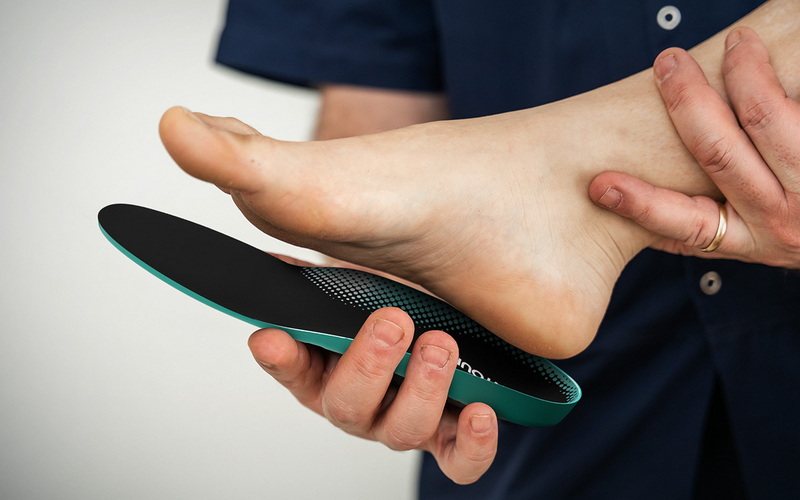
When shopping for insoles for flat feet, focus less on impressive “high arch” marketing terms and more on fit, structure, and intended use. Many brands categorize their insoles by arch height, foot type, or condition (flat feet, plantar fasciitis, overpronation), which can guide your selection.
Key points to consider include:
- Arch height: low or medium for most flat‑footed users, not extreme high.
- Footwear type: make sure your shoes have removable insoles and enough internal volume.
- Activity level: everyday use vs. running, hiking, or standing all day.
- Material and durability: firm shell for support with a comfortable top layer for cushioning.
If you are an overseas brand, wholesaler, or footwear manufacturer, working with an experienced OEM insole factory allows you to customize arch height, materials, and firmness for different flat‑foot customer groups rather than relying on a one‑size‑fits‑all “high arch” template.
| Aspect | High Arch Insoles (for high arches) | Flat‑Foot‑Specific Insoles (for flat feet) |
|---|---|---|
| Target foot type | Naturally high, rigid arches | Low or collapsed arches, overpronation |
| Typical arch height | Medium‑high to extra‑high | Low to medium, gently contoured |
| Main biomechanical goal | Prevent supination, improve shock absorption | Control overpronation, improve alignment |
| Comfort for most flat‑foot users | Often feels like a hard lump; may cause arch pain | Usually more comfortable and easier to adapt to |
| Risk if misused | Overcorrection, new pain in arch or lateral foot | Too soft or too flat may fail to control motion |
For international brands and distributors serving customers with flat feet, insoles are not just accessories; they are functional orthopedic products. Offering the wrong arch profile can lead to returns, complaints, and lost trust, while well‑designed flat‑foot insoles can become a key selling point.
Practical product‑development tips include:
- Provide multiple arch heights (low and medium) within your insole line for flat feet, instead of only promoting “high arch” versions.
- Clearly label which models target flexible flat feet and which are best for more rigid flat feet.
- Use durable, semi‑rigid shells to deliver real support and pair them with breathable, comfortable top covers.
- Develop detailed fitting guides and education materials so end‑users understand how to choose and break in their insoles safely.
As a leading Chinese insole OEM manufacturer, your factory can cooperate with overseas brands to develop private‑label insoles tailored to specific markets, sports categories, and customer groups. That means adjusting arch profile, density, and heel cup depth for work footwear, casual shoes, school shoes, or running shoes, instead of relying on a single universal design.
Before deciding whether to try a higher arch insole, users can run a few quick checks at home:
- Footprint test: Step on a piece of paper with a wet foot. A full midfoot mark suggests flat feet; a narrow band suggests a higher arch.
- Shoe wear pattern: Heavy wear on the inner edge of the sole often reflects overpronation and flat feet, while wear on the outer edge suggests supination and higher arches.
- Single‑leg stance: Stand on one leg for 10–20 seconds. Excessive wobbling or the ankle collapsing inward indicates the need for more structured heel and arch support, but not necessarily a very high arch.
These simple checks can guide users to start with lower or moderate arch supports instead of jumping straight to high‑arch insoles that may be uncomfortable or unstable.
Insoles work best when combined with basic strengthening and stretching routines that support the arch. Simple exercises can help the small intrinsic muscles of the foot share the load with the insole instead of relying only on passive support.
Helpful actions include:
- Calf and Achilles stretches to reduce tension that can pull the heel and flatten the arch.
- Towel curls or picking up marbles with the toes to strengthen the muscles along the arch.
- Short barefoot sessions on safe, even indoor surfaces (if recommended by a professional) to activate natural foot motion, followed by wearing structured insoles during longer standing or walking.
For people who stand all day at work, combining arch‑support insoles with cushioned, supportive shoes and, if possible, anti‑fatigue mats can further reduce stress on flat feet and lower limbs.
Even the best flat‑foot insoles lose effectiveness if they are worn out or poorly maintained. Materials compress over time, especially under heavier loads or high‑impact activities, which can gradually reduce arch height and heel stabilization.
Good usage habits include:
- Rotating between at least two pairs of insoles if you wear them every day.
- Inspecting for visible flattening, cracks, or loss of heel cup shape and replacing insoles in time.
- Making sure insoles sit flat inside the shoes without curling at the edges, which can cause pressure points.
- Matching each insole to the right shoe type: slim profiles for dress shoes, full‑volume designs for sneakers, work boots, and hiking shoes.
When your insoles are replaced on a reasonable schedule, you maintain the intended level of support and avoid a slow return of flat‑foot pain that comes from worn‑out products.
For most people, the answer is “no” to jumping straight into very high arch insoles if you have flat feet. The safer and usually more effective approach is to use structured low or medium arch insoles designed for flat feet, combined with supportive footwear and a gradual adaptation period.
High arch profiles can still play a role in carefully selected and professionally supervised situations, especially when used in custom orthotics that match individual anatomy. If you are not sure which arch height to choose, a podiatry consultation and trying several arch levels is the best way to find what truly relieves your symptoms rather than relying on generic “high arch” labels.
High arch insoles are built for high‑arched feet and, when used on flat feet without guidance, often cause more harm than good by overcorrecting the arch and creating pressure points. People with flat feet usually do best with low to medium arch supports that stabilize the heel, control overpronation, and spread pressure more evenly while allowing muscles and ligaments to adapt gradually.
If you have ongoing pain or complex biomechanical issues, custom orthotics and professional assessment can fine‑tune the arch height, including selectively higher support where medically appropriate. Whether you are an individual user or a footwear brand developing products for flat‑footed customers, matching arch height to real anatomy—not simply choosing the “highest” insole—is the key to comfort, protection, and long‑term foot health.
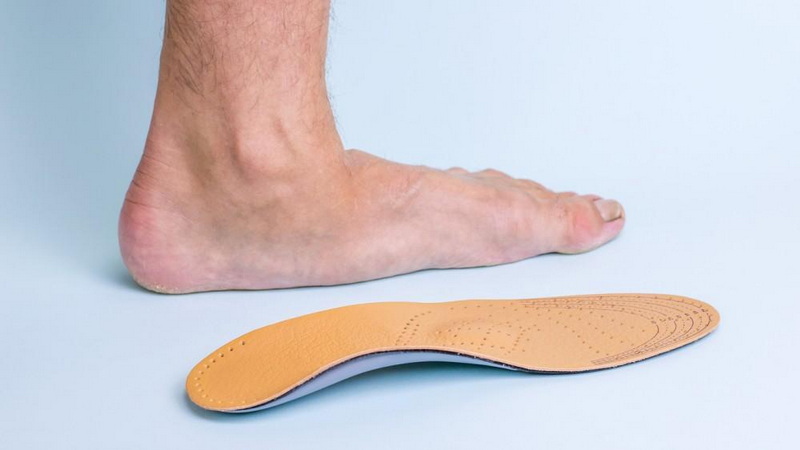
High arch insoles cannot permanently “fix” flat feet by turning them into high arches; they only influence how your feet bear load inside the shoe. In many cases, aggressively high support simply feels uncomfortable or painful for flat‑footed users instead of correcting the underlying structure.
They are not automatically “bad,” but they are often too much for flat feet, especially when introduced suddenly or chosen without professional advice. Overly high or rigid support can overcorrect your foot position, leading to arch pain, heel pain, or new problems along the outside of the foot and ankle.
Most flat‑footed users benefit from insoles with a low to moderate arch, firm structural support, and a deep heel cup to control overpronation. Models specifically designed for flat feet or fallen arches usually describe these features and aim to distribute weight more evenly across the whole foot.
It often takes about 1–2 weeks of gradually increasing wear time for your feet and legs to adapt to new arch supports. During this break‑in period, mild muscle fatigue is common, but sharp or persistent pain is a sign that the arch height or stiffness may not be appropriate.
You should seek professional evaluation if your flat feet cause ongoing pain, swelling, frequent injuries, or if you notice changes in foot shape or difficulty walking. A podiatrist or orthopedic specialist can diagnose the type of flat foot you have and recommend appropriate insoles, exercises, or custom orthotics.


