
Language
Views: 222 Author: Edvo Publish Time: 2025-12-07 Origin: Site


Content Menu
● Why Medium Arch Insoles Matter
● Key Features Of The Best Medium Arch Insoles
>> Arch Shape And Support Level
>> Everyday Versus Performance Use
● Examples Of Popular Medium Arch Insole Types
>> Everyday Medium Arch Support
>> Work Boot And Safety Shoe Insoles
>> Athletic And Running Insoles For Medium Arches
● How To Choose The Best Medium Arch Insoles
>> Step One – Confirm Your Arch Type
>> Step Two – Match Insole To Your Shoes
>> Step Three – Consider Your Activities
>> Step Four – Test Fit And Feel
● Advanced Design Options For Medium Arch Insoles
>> Zonal Cushioning And Pressure Relief
>> Breathability And Moisture Management
● Common Foot Problems Medium Arch Insoles Can Help
>> Mild Heel And Arch Discomfort
● Medium Arch Insoles For Different Shoe Categories
>> Outdoor And Hiking Footwear
● OEM Medium Arch Insoles For Brands, Wholesalers, And Manufacturers
● How To Market Medium Arch Insoles To End Users
>> Educate Customers About Arch Types
>> Highlight Use Cases And Benefits
>> Offer Multiple Thickness And Style Options
● FAQ About Medium Arch Insoles
>> 1. How do you know if you have a medium arch?
>> 2. Are medium arch insoles good for everyday use?
>> 3. Can medium arch insoles help with heel or arch pain?
>> 4. Do medium arch insoles fit running and training shoes?
>> 5. How often should medium arch insoles be replaced?
Feet with a medium arch are very common, but they still need proper support to stay comfortable and healthy through long hours of walking or standing. The right arch insole keeps the foot in a neutral position, helps distribute pressure more evenly, and reduces fatigue, especially in demanding conditions like work, running, or travel.
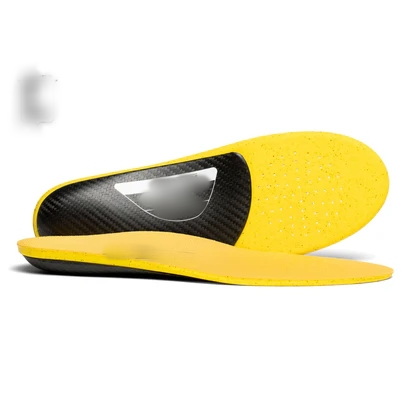
A medium arch, sometimes described as a neutral arch, sits between flat and high arches in height and shape. When a person stands, the inner edge of the foot shows a clear curve, but it is not extremely low to the floor and not dramatically raised.
This arch type usually allows the foot to handle impact forces efficiently, but modern lifestyles, hard floors, and unsupportive footwear can still cause discomfort. That is why a correctly designed insole for medium arches can make a noticeable difference in daily comfort and joint alignment.
Medium arch insoles match the natural profile of the foot instead of forcing the arch higher or letting it collapse. This balance helps the foot move through the walking cycle more efficiently, reducing unnecessary strain on muscles and ligaments.
By keeping the heel stable and the arch supported, these insoles can also help protect the knees, hips, and lower back. Better alignment at the foot level often improves comfort for the entire body, especially for people who stand or walk for many hours.
The most important feature is the arch contour. Good medium arch insoles have a gentle, anatomical curve that fits comfortably under the middle part of the foot without feeling sharp or intrusive.
Support should be firm enough to prevent the arch from collapsing too much, but not so aggressive that it causes pressure in the arch region. When the design is correct, the insole feels like it is “holding” the foot in place rather than pushing it.
A shaped heel cup helps center the heel bone and keeps the rearfoot in a more controlled position during movement. This reduces excessive inward or outward rolling that can contribute to pain and instability.
A stable heel platform also improves balance when standing on hard surfaces. For workers, athletes, and people with sensitive heels, this feature can greatly reduce end‑of‑day soreness.
Medium arch insoles are usually built from combinations of supportive foam, elastomer, or similar materials, plus a softer top layer to enhance comfort. The supportive base controls motion, while the cushioning layer helps absorb impact forces from walking, running, and jumping.
Breathable and moisture‑managing fabrics on the top surface help keep feet drier and fresher. Odor‑resistant and quick‑dry materials are especially useful in closed shoes worn for long periods, such as safety boots or athletic footwear.
The “volume” of an insole describes how much space it occupies inside footwear. Medium volume insoles are generally the best match for standard sneakers, walking shoes, and many work shoes.
If shoes are slim or tight, a thinner insole that still provides a medium arch profile may be necessary. For roomy footwear like hiking boots, work boots, or certain trainers, a more cushioned insole can fill extra space and improve overall fit.
For everyday life, neutral support insoles with moderate firmness and cushioning are usually sufficient. They focus on comfort over long hours of walking, commuting, and office work.
Performance‑oriented designs use stronger support platforms and more resilient cushioning materials. These are aimed at runners, athletes, and workers in demanding environments who need stable support under high, repetitive load.
Everyday medium arch insoles focus on comfort in normal casual and office footwear. They usually feature an anatomical arch contour, a shaped heel cup, and soft top layers that feel pleasant against socks.
These designs suit most people with neutral feet who simply want better comfort and support than the basic liners that come with many shoes. They are easy to move between different pairs of shoes, making them a practical upgrade for daily life.
Work boot insoles for medium arches are built to handle long shifts on concrete, steel, or other hard surfaces. They often include reinforced arch platforms, durable cushioning under the heel and forefoot, and robust top fabrics resistant to wear from heavy use.
For people in warehouses, factories, and construction environments, these insoles help reduce fatigue and protect joints from repeated impact. The medium arch profile suits the majority of workers, providing support without feeling overly corrective.
Athletic insoles are designed for dynamic movement such as running, court sports, and high‑intensity training. For neutral feet, they typically combine a medium arch contour, a locked‑in heel, and responsive cushioning that does not flatten quickly.
Runners often appreciate how these insoles spread pressure across the midfoot and forefoot, making longer sessions more comfortable. Because they do not dramatically change foot mechanics, they can enhance comfort without interfering with a natural running style.
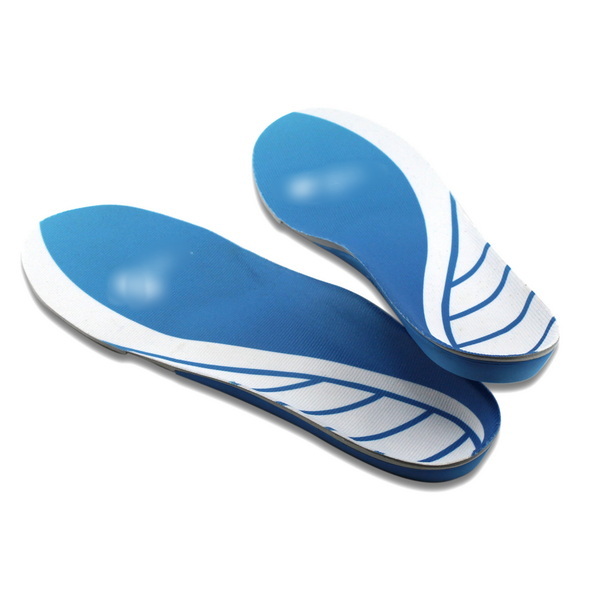
Before buying, it is useful to confirm whether your feet really have a medium arch. A simple way is to compare your footprint to typical examples of low, medium, and high arches.
If your footprint shows a noticeable curve on the inside but not a narrow strip or a fully filled‑in shape, you are likely in the medium category. When in doubt, advice from a foot professional can provide more precise guidance.
Check if your current shoes have removable liners. If so, you can usually replace them with full‑length medium arch insoles for a direct upgrade in support and comfort.
For shoes without removable liners or with very limited internal space, choose a slimmer insole or a three‑quarter‑length design. Always ensure that there is enough room for your toes and that the shoe does not become uncomfortably tight after inserting the insole.
Think about when and where you will use the insoles. Office workers might prioritize soft cushioning and moderate support, while runners, hikers, or warehouse staff need stronger support structures and durable, impact‑resistant cushioning.
If you have a history of foot issues or injuries, choosing models marketed for joint protection, shock absorption, or specific problem zones around the heel and arch can be very helpful. Consultation with a medical specialist is wise if pain is persistent or severe.
After placing the insole in your shoe, stand naturally and pay attention to how your foot feels. The arch should feel gently supported without sharp pressure, and the heel should feel cradled and stable.
If the insole can be trimmed, follow the printed size guides carefully to avoid cutting too short. A correct trim allows the insole to lie flat with no curling at the toe or lifting at the sides, which keeps the foot stable during movement.
Some modern medium arch insoles use multi‑layer construction, combining a firm base for structure, a mid‑layer for shock absorption, and a soft, skin‑friendly top cover. Each layer has a specific function in comfort and performance.
This layered approach allows brands to fine‑tune the feel of an insole for different target groups, such as office staff, athletes, or industrial workers. It also helps maintain performance over a longer lifespan, because the structure and cushioning work together instead of relying on a single material.
Zonal cushioning places softer pads or higher‑density materials exactly where the foot needs them most, such as under the heel, midfoot, or forefoot. For medium arch users, this can reduce localized pressure and help prevent hot spots.
By shaping these zones according to the natural pressure map of the foot, the insole can spread impact forces more evenly. This contributes to a smoother, more comfortable feel during walking or running.
Ventilation channels, perforated foam, and moisture‑wicking top fabrics help keep feet cooler and drier inside shoes. For people who wear closed footwear all day, this design significantly improves comfort.
Better moisture control also supports hygiene and reduces odor over time. In humid climates and long‑shift working conditions, these features are especially valuable.
People with a medium arch often complain about general tiredness in the feet rather than sharp pain. Unsupported shoes force the foot muscles to work harder to maintain stability, leading to fatigue by the end of the day.
A supportive insole allows the arch structure to share the load more efficiently. This means the muscles in the foot and lower leg do not have to compensate as much, so the user feels fresher for longer.
Medium arch insoles with a stable heel cup and supportive midfoot can reduce strain on the tissues under the heel and along the arch. For many people, this is enough to relieve minor discomfort and prevent symptoms from getting worse.
However, if pain is intense or persistent, professional assessment is important to rule out more serious problems that may require medical orthotics or other treatment.
Poor alignment of the foot can travel up the kinetic chain and contribute to discomfort in the knees, hips, and lower back. A neutral foot position supported by a well‑designed insole helps reduce excessive inward or outward rotation.
By improving alignment at the base, a medium arch insole can play a supporting role in overall posture management, especially in combination with proper footwear and good movement habits.
Many casual sneakers and fashion shoes provide limited support and rely on style over function. Medium arch insoles can transform these shoes into more comfortable options for daily use.
Slimmer designs with a subtle profile fit well in lifestyle footwear without changing the appearance from the outside. This approach maintains style while improving comfort and protection for the feet.
Dress shoes often have reduced internal space and stiff outsoles, which can be hard on feet during long days. Thin, low‑volume medium arch insoles are a practical solution here.
They provide gentle support and a softer interface underfoot while preserving the elegant look of the shoe. This is particularly useful for professionals who spend many hours standing in formal footwear.
Hiking boots and outdoor shoes already have more rigid soles and stronger uppers, but they still benefit from quality insoles. Medium arch inserts for outdoor use pair supportive arches with shock‑absorbing heel and forefoot zones to handle uneven terrain.
For hikers and outdoor workers with neutral arches, these insoles reduce the impact from rocks, slopes, and long descents, helping prevent sore feet and joints after demanding trips.
A professional insole factory can design and produce medium arch products customized for international brands, wholesalers, and footwear manufacturers. This includes control over arch height, firmness level, foam density, top cover materials, and branding elements such as logos and packaging.
By working closely with clients, the factory can create complete product lines for different segments: everyday comfort, sports, work safety, outdoor, and even fashion shoes. Stable quality control systems ensure consistent dimensions, hardness, and durability from batch to batch, which is critical for long‑term partnerships.
For partners who want to expand their catalog quickly, private label medium arch insoles offer a powerful way to add value to shoe collections. They also help differentiate brands by delivering clear comfort benefits to end users.
Many customers do not know their arch type or why it matters. Simple educational content and diagrams that compare low, medium, and high arches can make the choice easier.
When customers understand that medium arch insoles are tailored to their natural foot shape, they are more confident in purchasing. Clear explanations reduce returns and build trust in the brand.
Marketing materials should describe real situations where medium arch insoles help, such as long working shifts, standing in retail environments, running sessions, or city commuting. This practical language connects the product with daily problems customers want to solve.
Instead of focusing only on technical terms, emphasize outcomes like reduced tiredness, better comfort, and improved support. Testimonials, short demonstrations, and before‑and‑after comfort comparisons are effective tools in this process.
Because shoe interiors vary widely, offering several thickness and style options under one medium arch concept is important. Customers can then select models for casual shoes, formal shoes, and sports footwear while keeping a similar support feel.
Consistent arch support across different shoe types helps the body adapt more easily, reducing transitions where the foot suddenly has much more or much less support. This approach encourages customers to purchase multiple pairs for different uses.
The best insoles for a medium arch are those that respect the natural shape of a neutral foot while adding structured support, a stable heel cup, and comfortable cushioning. When chosen correctly, they reduce fatigue, relieve mild discomfort, and help keep joints aligned from the feet upward.
By matching insole design to arch type, footwear style, and activity level, both individual users and professional buyers can unlock much better performance from every pair of shoes. A specialized factory can also develop tailored medium arch insole lines for global brands, wholesalers, and manufacturers, turning technical comfort into a real competitive advantage.
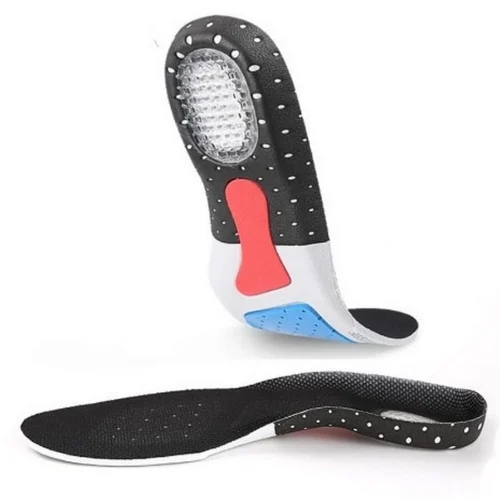
A medium arch shows a visible but not extreme curve along the inside of the foot when you stand. If your footprint and daily experience do not match the typical extremes of very flat or very high arches, your feet are likely in the neutral range.
Yes, medium arch insoles are ideal for everyday use because they match the natural shape of most feet. They add support and cushioning to casual and office footwear without feeling overly stiff or corrective.
Medium arch insoles with a stable heel cup and supportive midfoot can ease mild heel and arch discomfort caused by poor footwear support or long periods on hard floors. For strong or persistent pain, professional assessment is still important.
Most neutral running and training shoes work very well with medium arch insoles. The combination improves stability, distributes impact more evenly, and can make longer sessions more comfortable without drastically changing natural movement.
Insoles should be replaced when cushioning feels flat, the top fabric shows visible wear, or support no longer feels stable. People who run, work long shifts, or have higher body weight may need to renew them more frequently to maintain the same level of comfort and protection.


