
Views: 222 Author: Edvo Publish Time: 2025-11-25 Origin: Site


Content Menu
● Understanding Plantar Fasciitis
● Why Insoles Help Plantar Fasciitis
● Key Features Of The Best Insoles For Plantar Fasciitis
>> 1. Firm, Structured Arch Support
>> 2. Deep Heel Cup And Heel Control
>> 3. Shock Absorption And Cushioning
>> 4. Ergonomic Contouring And Full‑Length Design
>> 5. Breathable, Durable Materials
● Types Of Insoles For Plantar Fasciitis
>> Prefabricated vs. Custom Orthotics
>> Heel Cups vs. Full‑Length Plantar Fasciitis Insoles
● How To Choose The Best Plantar Fasciitis Insoles
>> Consider Activity Level And Footwear
>> Fit, Trimming, And Replacement Schedule
● Additional Design Ideas For OEM Plantar Fasciitis Insoles
● How OEM Manufacturers Can Position Plantar Fasciitis Insoles
● FAQs About The Best Shoe Insoles For Plantar Fasciitis
>> 1. What features should the best plantar fasciitis insoles have?
>> 2. Are firm or soft insoles better for plantar fasciitis?
>> 3. Do I need custom orthotics, or are prefabricated insoles enough?
>> 4. How long do plantar fasciitis insoles usually last?
>> 5. Can I move the same plantar fasciitis insoles between different shoes?
The best shoe insoles for plantar fasciitis combine firm arch support, a deep heel cup, and shock‑absorbing cushioning to reduce strain on the plantar fascia and stabilize the heel with every step. Choosing the right insole also depends on your arch type, body weight, footwear style, and how many hours you stand or walk each day.
As a leading Chinese shoe insole manufacturer providing OEM services for overseas brands, wholesalers, and manufacturers, you can use this guide to educate customers and position your plantar fasciitis insole lines as professional, evidence‑based solutions. When your product pages and marketing materials clearly answer common plantar fasciitis questions, foreign buyers are more likely to trust your brand and place long‑term OEM orders.

Plantar fasciitis is inflammation of the plantar fascia, the thick band of tissue running from the heel to the toes. It is often caused by overuse, poor footwear, flat feet, very high arches, obesity, or sudden increases in activity. The condition typically produces sharp heel pain with the first steps in the morning or after long periods of sitting or resting.
Because the plantar fascia works like a tensioned cable supporting the arch, repeated overstretching leads to micro‑tears and irritation at its heel attachment. Insoles are designed to reduce this overstretching by supporting the arch, aligning the heel, and controlling foot motion inside the shoe. When insoles are used consistently, they help reduce pain, support healing, and prevent new flare‑ups.
To help customers understand the problem, you can describe plantar fasciitis as a “tired and overstretched ligament under the foot” that needs both rest and structural support. This kind of simple explanation works very well on product pages and catalog descriptions.
Well‑designed plantar fasciitis insoles lift and support the arch so the plantar fascia does not flatten excessively with each step. This reduces tensile stress in the tissue and gives the tiny damaged fibers a chance to recover while users continue their normal work and life.
Insoles also redistribute pressure across the whole foot, so ground reaction forces are shared instead of concentrated under the heel. When pressure is spread from the heel to the midfoot and forefoot, the painful point at the heel is less overloaded. The deep heel cup improves alignment of the rearfoot and ankle, which further protects the plantar fascia from twisting and overstretching during walking and running.
Many users also notice benefits beyond heel pain relief, such as reduced fatigue in the legs and better posture when standing. This makes plantar fasciitis insoles easier to promote as a daily comfort solution, not just a medical product.
The most consistently recommended feature is firm, structured arch support that matches the wearer's arch height. Soft, spongy inserts may feel comfortable at first but often collapse too quickly and fail to control over‑pronation. Without real structure under the arch, the plantar fascia continues to overstretch and pain returns quickly.
High‑quality plantar fasciitis insoles use semi‑rigid or rigid shells in materials such as polypropylene, thermoplastic, carbon‑fiber blends, cork composites, or high‑density EVA to maintain shape under load. Matching arch height is essential: too low offers no control, while too high can create pressure points and discomfort. For OEM development, offering multiple arch profiles, such as low, neutral, and high, helps your foreign brand partners cover a wider customer base.
A deep heel cup cradles the heel and helps keep it centered over the insole, which stabilizes the subtalar joint and improves overall foot alignment. This reduces sideways wobbling and prevents the plantar fascia from being twisted or overstretched during stance and push‑off.
Some advanced insoles also integrate a medial heel wedge or stabilizer ridge to limit excessive inward rolling, also called over‑pronation. Over‑pronation is a very common driver of plantar fasciitis because it lengthens the arch with every step. For OEM product design, adding these features allows you to market separate “motion control”, “stability”, or “anti‑pronation” models for high‑risk users such as flat‑footed workers, runners, and overweight customers.
Although structure is critical, plantar fasciitis insoles should also include targeted cushioning in the heel and forefoot to absorb impact. Foams such as EVA, polyurethane, and memory foam, as well as gel pads or air cells, are commonly used to attenuate shock while retaining adequate firmness.
Full‑length cushioning spreads pressure across the entire sole so the heel does not absorb all the load, which is particularly helpful for heavy users or hard floors. For premium models, combining a firm base plate with softer top foams provides a “support plus comfort” dual‑density feel. This design delivers a stable arch and heel platform with a comfortable surface for daily use.
Ergonomic contouring that follows the natural curves of the foot improves contact area and stability while walking or running. A well‑shaped insole allows the arch, midfoot, and forefoot to lock into the platform, which reduces friction and sliding inside the shoe.
For plantar fasciitis, full‑length insoles typically provide better long‑term relief than small heel cups alone because they support both arch and heel together. A properly contoured forefoot area with mild metatarsal support can reduce forefoot pressure and help align the toes. This is valuable for customers who also report ball‑of‑foot pain or metatarsalgia alongside heel pain.
For daily wear, materials must manage moisture, odor, and long‑term compression. Many top products use breathable mesh or fabric top covers with antimicrobial treatment over supportive foams. Other designs use cork or latex platforms that naturally resist odor and maintain structure.
Durability is vital for value: insoles should hold shape and support for months, not weeks, even under heavier users or intensive standing at work. As an OEM manufacturer, you can emphasize compression‑set resistance, anti‑bacterial performance, and cycle‑test results in your data sheets. These technical points help foreign brands market your insoles as “professional grade” instead of simple commodity inserts.
Prefabricated plantar fasciitis insoles are ready‑made in standard sizes and arch heights and are widely available at consumer prices. They can offer significant pain relief when they include the right combination of arch support, heel cup, and cushioning. They are also easy to stock and distribute for your overseas partners.
Custom orthotics are individually molded devices prescribed by clinicians, often using casts or 3D scans of the patient's feet. These devices are usually more expensive and target people with severe or complex biomechanical problems. While custom orthotics can bring excellent results, high‑quality prefabricated insoles still perform very well for many users and are much more affordable.
From an OEM point of view, your main opportunity is the prefabricated category. By offering a semi‑custom system with different arch heights, densities, and top covers, you help foreign brands approach the “custom” feeling at a prefabricated cost level.
Heel cups focus on cushioning and centering the heel only and can help mild cases or be added into tight shoes where full‑length insoles do not fit. They are small, cheap, and easy to package, which makes them attractive as entry‑level products.
However, full‑length plantar fasciitis insoles usually provide more comprehensive relief because they combine heel control, arch support, and forefoot cushioning in a single platform. For users with moderate to severe symptoms, long hours on their feet, or biomechanical issues such as flat feet, full‑length models are generally recommended as the first choice.
A good product strategy is to offer a tiered structure: heel cups as basic solutions, three‑quarter length shells for dress shoes, and full‑length orthopedic insoles as the flagship plantar fasciitis line. This lets your brand partners upsell customers based on symptom severity and footwear type.
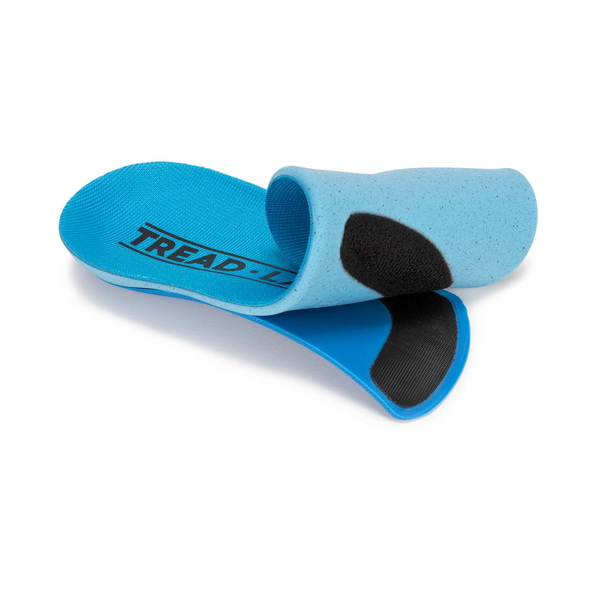
Different arch types—flat, neutral, or high—require different levels and shapes of support. Many plantar fasciitis lines offer multiple arch profiles to match these foot types. If the arch of the insole is too low, it will feel almost like the original shoe liner and give little relief. If it is too high, users feel sharp pressure under the arch and may stop wearing the product.
Simple screening methods like footprint tests, visual inspection, or podiatrist evaluation can help users identify their arch type. As an OEM supplier, you can support your buyers by providing arch‑type diagrams, in‑store posters, and fitting guides that they can translate into local languages. This educational material can carry your factory branding on the back while highlighting the foreign brand on the front.
People who stand all day at work, such as nurses, retail staff, factory workers, and restaurant employees, need insoles with strong arch support plus full‑length cushioning and durable materials. For this group, comfort, durability, and anti‑fatigue performance are more important than low weight.
Runners and athletes may look for slightly lower bulk, lighter weight, and better energy return to fit inside performance footwear. They may accept a firmer feel if they believe it improves performance and reduces injury risk. Casual users wearing sneakers or everyday shoes can choose thicker insoles, while dress shoes and safety boots often require thinner profiles or special shapes.
Offering different thickness levels, from low‑profile to high‑cushion, ensures compatibility across work boots, sports shoes, safety shoes, and casual footwear. Trim‑to‑fit designs with printed cutting lines also make it easier for buyers to minimize stock keeping units while still covering multiple shoe sizes.
Most full‑length plantar fasciitis insoles are designed to be trimmed at the toe area following printed guidelines so they sit flat without curling. Correct fit means the insole lies flush in the shoe, with the arch landing under the user's arch and the heel seated deeply in the cup. If the insole is too long, it will buckle; if too short, it may slide.
Many users can expect several months of effective support, but replacement is needed when cushioning feels flat, the shell loses structure, or top covers crack or peel. For marketing purposes, recommending replacement every six to twelve months under normal use is a reasonable guideline. When you design packaging or manuals, clearly explaining the break‑in period and replacement schedule helps manage user expectations and reduces complaints.
You can also advise users to start by wearing the new insole for one or two hours per day and gradually increase time over a week, especially for firm orthotic models. This gentle break‑in approach helps the feet adapt and reduces the risk of initial discomfort.
To stand out in a crowded market, OEM manufacturers can integrate special design features tailored to specific user groups:
- For long‑distance hikers and outdoor workers, use multi‑density constructions with extra heel shock absorption and forefoot cushioning while keeping the arch shell firm.
- For office workers and dress shoes, develop thin, low‑profile insoles with strong arch and heel support but minimal bulk to fit inside tight footwear.
- For overweight users, increase the stiffness of the arch shell and use higher‑rebound foams that resist bottoming out under heavier loads.
- For diabetic or sensitive‑skin customers (if your buyer targets this market), design smoother top covers, seamless edges, and extra forefoot softness while still offering heel and arch support.
Branding options such as color accents, logo printing, custom packaging, and retail display solutions also matter a lot to overseas customers. By combining solid plantar fasciitis biomechanics with flexible branding services, your factory becomes a long‑term strategic partner, not just a low‑cost supplier.
As a Chinese OEM insole manufacturer, you can integrate all these features into your product roadmap and marketing language to appeal to international plantar fasciitis markets. Buyers such as overseas brands and wholesalers often want clear differentiation between simple comfort insoles and plantar fasciitis or orthotic support lines.
Key positioning strategies include:
- Creating a dedicated plantar fasciitis series featuring firm arch shells, deep heel cups, and professional naming such as “plantar fascia support insole” or “orthotic arch support”.
- Offering multiple arch heights and thickness options to cover flat‑foot, neutral, and high‑arch users in work, sport, and casual categories.
- Highlighting performance testing data such as compression testing, fatigue testing, slip resistance, and odor control in catalogues and websites.
- Providing marketing kits that include foot pain education diagrams, simple plantar fasciitis explanations, and usage tips that your clients can customize with their own branding.
- Emphasizing your production capabilities: automatic cutting machines, precise lamination, strict quality control, and flexible minimum order quantities for private labels.
The best shoe insoles for plantar fasciitis are not just soft pads; they are structured devices that combine firm arch support, a deep heel cup, and shock‑absorbing cushioning to control motion and protect the plantar fascia. Matching the insole to the user's arch type, footwear, activity level, and body weight is crucial for achieving real pain relief and long‑term comfort.
For your OEM business, building a plantar fasciitis‑focused insole line around these principles can help overseas brands and wholesalers offer clinically aligned, premium products under their own labels. By pairing solid biomechanics with attractive designs, clear fitting instructions, and professional marketing support, you turn insoles from simple accessories into high‑value health products that win repeat orders and long‑term cooperation.
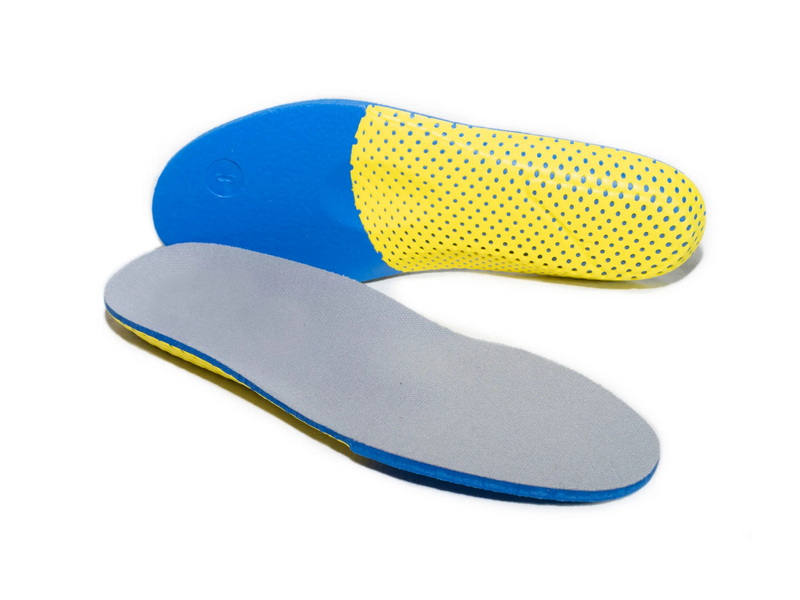
The best plantar fasciitis insoles should include firm or semi‑rigid arch support, a deep heel cup for stability, and shock‑absorbing cushioning in the heel and forefoot. Breathable, durable materials and a full‑length design that spreads pressure across the entire foot are also important for all‑day comfort and reliability.
For plantar fasciitis, firm or semi‑rigid support generally works better than very soft foam alone because it prevents the arch from collapsing and reduces strain on the plantar fascia. Soft layers can still be used on the top for comfort, but the core structure under the arch and heel should remain stable and supportive.
High‑quality prefabricated plantar fasciitis insoles can provide substantial relief for many people at a much lower cost than custom orthotics. Custom devices may be recommended for complex foot deformities, severe structural problems, or if symptoms persist despite trying good prefabricated options and appropriate footwear.
The lifespan depends on body weight, activity level, and materials, but many users can expect several months of effective support under normal daily wear. Insoles should be replaced once the arch support feels flatter, the heel cup softens significantly, or the top cover shows visible wear, cracking, or peeling.
Many plantar fasciitis insoles are designed to be transferred between multiple pairs of shoes as long as thickness and shape are compatible. For very tight dress shoes or specialized sports footwear, thinner or activity‑specific versions may be more comfortable, while work boots and sneakers can often accept thicker, more cushioned models.


