
Views: 222 Author: Amanda Publish Time: 2025-09-10 Origin: Site


Content Menu
● Understanding Orthopedic Insoles
>> Custom Orthotic Insoles vs. Orthopedic Inserts
● How Orthopedic Insoles Function
● Different Types of Orthopedic Insoles
● Benefits of Orthopedic Insoles
>> Enhanced Posture and Mobility
>> Stability and Fall Prevention
● Materials Used in Orthopedic Insoles
● How to Choose the Right Orthopedic Insole
● Caring for Orthopedic Insoles
● FAQ About Orthopedic Insoles
>> 1. What is an orthopedic insole?
>> 2. How do orthopedic insoles help with foot pain?
>> 3. Can orthopedic insoles improve posture?
>> 4. Are orthopedic insoles suitable for athletes?
>> 5. How long do orthopedic insoles last?
Orthopedic insoles play a critical role in supporting foot health, improving posture, and alleviating pain caused by various foot conditions. These specialized inserts, designed to be placed inside shoes, provide tailored support and correction for the foot's anatomy. They help improve walking mechanics, minimize discomfort, and prevent long-term musculoskeletal issues. This article delves into what orthopedic insoles do, their types, functions, benefits, materials, and how to select and maintain them for optimal foot care.

An orthopedic insole is a medical-grade insert designed specifically to support, align, and improve the function of the feet. Unlike regular insoles, orthopedic insoles are either custom-made or semi-customized to adapt perfectly to the contours and biomechanical needs of an individual's foot.
Orthopedic insoles are used to treat or manage various foot disorders and improve overall body posture by correcting misalignments that start from the feet.
It's important to distinguish between custom-prescribed orthopedic insoles and general orthopedic inserts:
- Custom orthopedic insoles are designed after evaluating the individual's foot structure and gait through special analysis techniques, including 3D scanning and biomechanical assessments. These insoles precisely target specific foot conditions.
- Orthopedic inserts are pre-made or semi-customized products that provide cushioning and moderate support but lack the tailored fit and correction level of custom insoles. They are suitable for mild foot fatigue or general support but may not address complex biomechanical problems.
Orthopedic insoles work by:
- Supporting natural foot arches to maintain correct foot alignment and distribute body weight evenly.
- Absorbing shock during walking, running, or standing to reduce the impact on feet and lower limbs.
- Correcting abnormal gait patterns, like overpronation (foot rolling inward) or supination (foot rolling outward), which can cause joint pain.
- Relieving pressure on sensitive areas such as heel spurs, bunions, and calluses.
- Enhancing balance and stability, which is particularly beneficial for elderly individuals or those with mobility issues.
By addressing these factors, orthopedic insoles do not only improve foot comfort but also promote healthier posture and reduce strain throughout the body, including knees, hips, and lower back.
Orthopedic insoles vary depending on their purpose and rigidity:
- Accommodative Insoles: Soft and cushioned to redistribute pressure, ideal for ulcer prevention in diabetic patients or relieving arthritis pain.
- Functional Insoles: Rigid or semi-rigid, designed for biomechanical correction such as controlling abnormal foot motions.
- Semi-Functional Insoles: Provide a balance of comfort and moderate correction.
- Pediatric Orthopedic Insoles: Specifically shaped to guide proper foot development in children.
- Proprioceptive Insoles: Stimulate muscles to improve foot posture and body alignment.
Each type targets specific problems and users, ranging from athletes to elderly patients or those with structural deformities.
Throughout the world, users of orthopedic insoles report significant positive effects, including:
Orthopedic insoles relieve symptoms of plantar fasciitis, heel spurs, bunions, flat feet, and arthritis by redistributing pressure and correcting abnormal foot mechanics.
Correcting foot alignment improves body posture, reduces muscle imbalances, and helps avoid chronic joint pain. This leads to easier movement and less fatigue.
By maintaining proper foot positioning, orthopedic insoles prevent or slow the progression of deformities such as hammertoes and hallux valgus.
Greater sensory feedback and arch support enhance balance, especially important in older adults for fall risk reduction.
Athletes benefit from shock absorption, arch and heel stabilization, and fatiguing muscle reduction, allowing longer, safer activity.
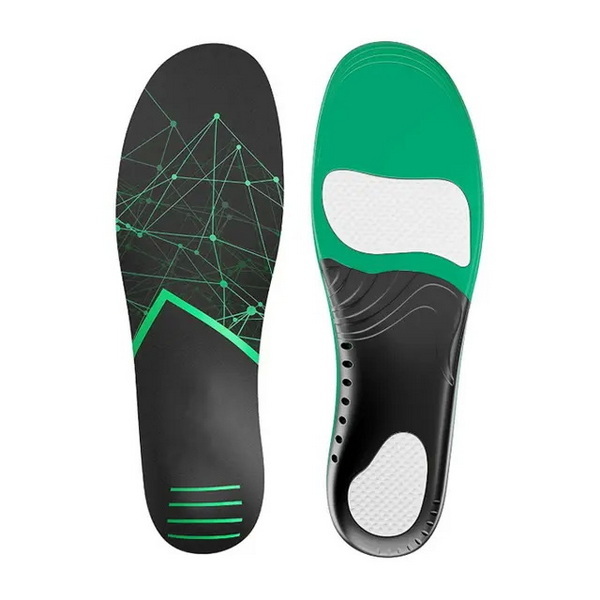
Orthopedic insoles may be crafted from a variety of advanced materials chosen for their specific qualities:
- EVA (ethylene vinyl acetate) for cushioning and flexibility.
- Polyurethane (PU) for durability and shock absorption.
- Gel components for enhanced comfort and pressure relief.
- Cork for natural support and moisture resistance.
- Carbon fiber for rigid, lightweight correction.
- Memory polymers that mold to foot shape over time.
Advances in technology use precise 3D foot scanning and computer-aided design to customize insoles to every unique foot profile and pathology.
Selecting the appropriate orthopedic insole requires careful assessment:
1. Professional Evaluation: A thorough biomechanical exam by a podiatrist or orthopedic specialist to understand foot structure, gait, and overall posture.
2. Identify Needs: Are you seeking cushioning, mild support, or rigid correction?
3. Custom vs. Over-the-Counter: Custom insoles are best for complex conditions, while OTC products may suit general fatigue or mild discomfort.
4. Consider Lifestyle: Activity level and shoe types matter. Different insoles exist for sports, work, and everyday use.
5. Material Preference: For example, gel for shock absorption, cork for natural support, or rigid plates for severe correction.
Proper maintenance ensures longevity and effectiveness:
- Clean regularly with mild soap and air dry completely.
- Avoid exposure to heat and direct sunlight to maintain material integrity.
- Inspect for wear, sagging, or damage.
- Replace every 1-2 years or as needed for active users.
- Use insoles in shoes with adequate space for comfort.
Orthopedic insoles are crucial aids for maintaining foot health, alleviating pain, improving posture, and enhancing mobility. They function by supporting foot arches, correcting gait abnormalities, and providing cushioning that protects the feet during daily activities and sports. From custom-made to semi-custom solutions, orthopedic insoles cater to diverse needs, from mild foot fatigue to severe biomechanical disorders. Proper selection, use, and care of orthopedic insoles can promote lasting comfort and prevent long-term musculoskeletal problems.

An orthopedic insole is a specially designed shoe insert that supports foot structure, alleviates pain, and improves alignment and function.
They redistribute pressure, support arches, and correct gait problems, reducing strain on foot tissues and relieving conditions like plantar fasciitis.
Yes, by maintaining correct foot alignment, orthopedic insoles help improve overall posture, reducing pain in the knees, hips, and back.
Absolutely. Insoles provide shock absorption, stability, and fatigue reduction, enhancing athletic performance and preventing injury.
Depending on use and materials, they typically last 1-2 years but should be inspected regularly and replaced when worn out.
[1](https://st-charlespodiatrie.com/en-ca/2024/04/17/healthy-feet-the-guide-to-orthotic-insoles-and-orthopedic-inserts/)
[2](https://theinsolestore.com/pages/insole-guide)
[3](https://www.stridesoles.com/blogs/articles/best-insoles-for-calluses)
[4](https://millburnpodiatry.com/services/orthotics-and-podiatry-a-comprehensive-guide-to-custom-insoles-for-foot-health/)
[5](https://www.bedfordshirehospitals.nhs.uk/patient-information-leaflets/a-guide-to-your-insoles-2/)
[6](https://www.footcentregroup.com.au/guide-to-orthotics/)
[7](https://www.rei.com/learn/expert-advice/insoles.html)


