
Views: 222 Author: Edvo Publish Time: 2025-12-04 Origin: Site


Content Menu
● Can You Wash Insoles in a Washing Machine?
● Special Care for Different Insole Materials
● Tips for Deep Cleaning and Odor Removal
>> 1. How often should I wash my shoe insoles?
>> 2. Can I use bleach or strong chemicals to clean insoles?
>> 3. Is it safe to dry insoles in the dryer?
>> 4. What should I do if my insoles still smell after washing?
>> 5. Can I wash insoles with my shoes?
Yes, you can wash the shoe insoles to maintain hygiene and extend their lifespan. Washing methods vary depending on the insole material, but most insoles can be cleaned by hand using mild soap and water. For deeper cleaning, soaking and gentle scrubbing are effective, while machine washing is only recommended for certain types and always requires air drying afterward.
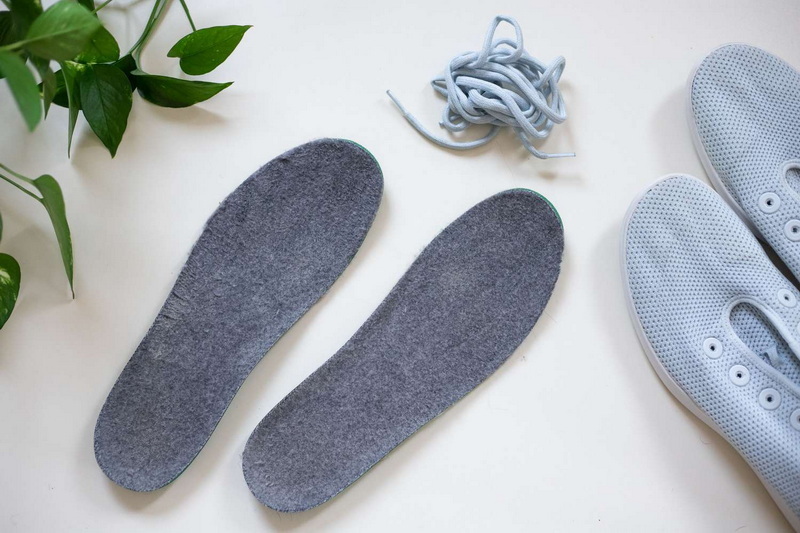
Regular cleaning of insoles is essential for maintaining foot health. Sweat, dirt, and bacteria accumulate on insoles over time, which can lead to odors and even skin infections. Washing insoles helps prevent these issues and keeps your shoes feeling fresh and comfortable. Many experts recommend cleaning insoles at least once every few weeks, especially if you wear shoes frequently or participate in activities that cause heavy sweating. Beyond basic hygiene, clean insoles support better posture and reduce the risk of blisters or discomfort during daily wear. As a leading Chinese manufacturer of shoe insoles, we provide OEM services tailored for international brands, wholesalers, and producers, ensuring durable products that withstand regular cleaning without losing shape or support.
Insoles act as a barrier between your feet and the shoe interior, absorbing moisture and impact. When neglected, they can harbor allergens like dust mites, exacerbating conditions such as athlete's foot. Proper washing not only eliminates these risks but also preserves the cushioning that makes walking enjoyable. For those in active lifestyles, from runners to office workers, maintaining insoles means investing in long-term foot comfort. Our high-quality OEM insoles, crafted with advanced materials, are designed to handle frequent washes, making them ideal for global markets where hygiene standards are paramount.
Hand washing is the safest method for most insole types. Start by removing the insoles from your shoes. Prepare a bowl or sink with warm water and add a small amount of mild soap or detergent. Submerge the insoles and let them soak for about 10 to 15 minutes to loosen dirt and bacteria. After soaking, gently scrub the insoles with a soft brush or cloth, paying extra attention to the heel and ball areas. Rinse thoroughly to remove all soap residue, then blot excess water with a towel. Allow the insoles to air dry completely before placing them back in your shoes.
This process is straightforward and effective for everyday maintenance. Use lukewarm water to avoid damaging sensitive materials, and opt for a fragrance-free soap to prevent irritation on sensitive skin. For added thoroughness, work in circular motions to dislodge embedded grime from textured surfaces. Once cleaned, lay the insoles flat in a well-ventilated area, away from direct sunlight, to dry evenly. This method not only cleans but also helps insoles retain their original form, ensuring consistent support. As an OEM provider, we recommend this approach for our clients' custom insoles, which feature breathable fabrics that respond well to gentle hand washing.
Expanding on the scrubbing step, consider using an old toothbrush for precision in crevices where dirt hides. Focus on high-friction zones like the arch, where sweat pools most. After rinsing, gently press the insoles between two clean towels to absorb moisture without wringing, which could warp the structure. Patience in drying is key—rushing with heat sources can cause shrinkage. Regular hand washing like this keeps insoles performing optimally, much like the reliable products we manufacture for international partners seeking durable, easy-to-care-for solutions.
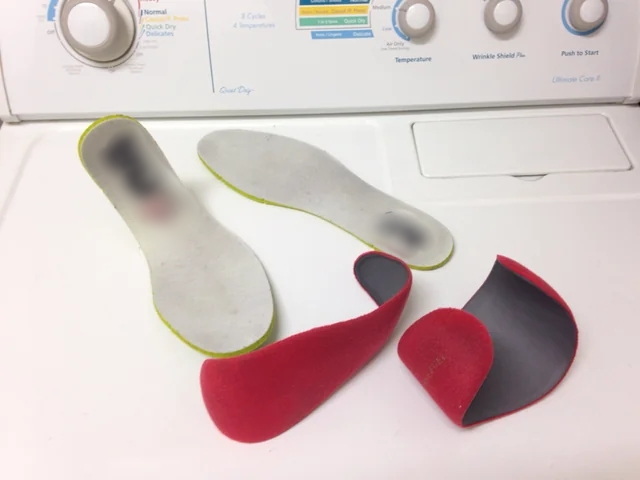
Some insoles are labeled as machine washable, but most manufacturers recommend hand washing to avoid damage. If you do use a washing machine, always use a gentle cycle with cold water and place the insoles in a mesh laundry bag for protection. Never use the dryer, as heat can cause insoles to shrink or lose their shape. Air drying is the best option to preserve the integrity of the material.
Machine washing suits sturdy fabric or foam insoles but risks fraying delicate edges. Select a no-spin cycle to minimize agitation, and avoid overloading the machine to prevent uneven cleaning. Post-wash, inspect for any color fading or material breakdown. This method saves time for bulk cleaning but requires caution to maintain quality. Our OEM insoles, engineered for robustness, can often handle occasional machine washes when following these guidelines, supporting wholesalers who distribute to high-volume users.
For those with multiple pairs, batch washing in a pillowcase acts as an alternative buffer. Always check care labels first—synthetic blends fare better than natural fibers. If odors linger after machine washing, follow up with a natural deodorizer. This balanced approach ensures longevity, aligning with the quality standards we uphold in producing OEM insoles for global brands focused on practical, user-friendly designs.
Memory foam is soft and absorbs moisture easily, so it should be cleaned gently. Avoid soaking memory foam insoles for too long and never use harsh chemicals. Use a damp cloth with mild soap and wipe the surface, then let it air dry. This material molds to your foot for personalized comfort, but excess water can break down its cellular structure over time. Spot cleaning preserves the foam's resilience, making it suitable for daily use in athletic or casual shoes.
To enhance cleaning, lightly mist with a vinegar-water solution for natural disinfection without saturation. Pat dry immediately to avoid sogginess, and store in a cool, dry place. Memory foam insoles from reputable OEM sources like ours offer superior durability, resisting compression even after repeated gentle washes, ideal for brands catering to comfort-seeking consumers worldwide.
Gel and fabric insoles are durable and can withstand a good scrub. Use soap and water for cleaning, and they can be soaked for deeper cleaning. Rinse well and air dry. Gel provides shock absorption, while fabric wicks away sweat, but both trap particles that need periodic removal. Scrubbing with a soft brush revives their texture, ensuring they remain supportive and breathable.
For fabric variants, add a splash of white vinegar to the soak to break down residues. Gel insoles benefit from minimal agitation to keep the gel intact. Air drying on a rack prevents creases. As a leading manufacturer, we customize gel and fabric insoles for OEM clients, incorporating wash-resistant coatings that maintain performance for international wholesalers and producers.
Orthotic insoles often have rigid structures and may not be suitable for soaking. Wipe them down with a damp cloth and mild soap, focusing on the areas that contact your feet. Avoid submerging them unless the manufacturer specifies it is safe. These insoles correct alignment and alleviate pain, so preserving their shape is crucial. Surface cleaning targets sweat without compromising therapeutic elements like arch supports.
Use a microfiber cloth for lint-free wiping, and follow with a dry pass to prevent moisture buildup. For added hygiene, a diluted rubbing alcohol spray can disinfect without soaking. Our OEM orthotic designs prioritize cleanability, using hypoallergenic materials that appeal to brands serving health-conscious markets abroad.
For shoes with non-removable insoles, use a soft cloth dampened with soapy water to clean the surface. Focus on the areas that get the most wear and allow the shoes to air dry afterward. This method reaches into the shoe bed without disassembly. Gently lift edges if possible to access hidden spots, but avoid forcing separation.
A baking soda sprinkle post-cleaning absorbs residual odors. Ensure the shoe interior dries fully to prevent mildew. For integrated insoles in premium footwear, this targeted approach suffices. We offer OEM solutions with fixed insoles engineered for easy spot cleaning, supporting producers who value seamless integration and longevity.
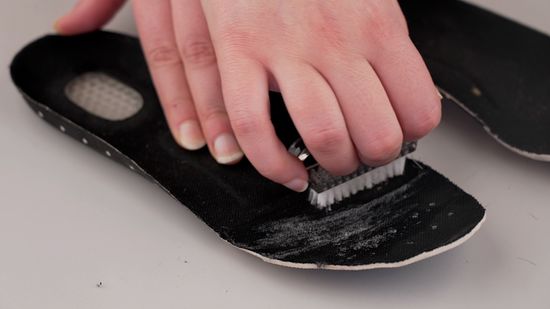
For stubborn odors, sprinkle baking soda on the insoles and let it sit for a few hours before wiping it off. Baking soda absorbs moisture and neutralizes odors without damaging the material. For extra freshness, you can also use a mixture of water and white vinegar, but always rinse thoroughly afterward. These natural agents tackle bacteria at the source, restoring a neutral scent.
Vinegar's acidity dissolves buildup, while baking soda's absorbency pulls out trapped humidity. Apply sparingly to avoid residue, and combine with sunlight exposure for natural sterilization. Essential oils like tea tree can add a subtle, antibacterial aroma post-rinse. Deep cleaning quarterly prevents escalation of issues, aligning with the hygienic OEM insoles we produce for discerning international clients.
Rubbing alcohol serves as a quick disinfectant for spot treatments, evaporating without residue. For fabric insoles, a light freeze overnight kills odor-causing microbes before washing. These techniques extend usability, much like the innovative, odor-resistant features in our custom manufacturing processes.
Even with regular cleaning, insoles will eventually wear out. Look for signs such as visible damage, loss of cushioning, or persistent odors that won't go away with cleaning. Replace insoles as needed to maintain comfort and hygiene. Thinning material or flattened arches indicate reduced support, potentially leading to fatigue.
Inspect monthly for cracks or peeling, especially in high-impact areas. If cleaning no longer revives freshness, it's time for new ones. Upgrading to advanced OEM options ensures better durability. As a top Chinese insole maker, we supply replacement-ready designs for brands, facilitating easy swaps for wholesalers and producers.
Washing your shoe insoles is a simple yet effective way to keep your footwear clean and your feet healthy. Whether you choose hand washing or machine washing, always follow the care instructions for your specific insole type. Regular cleaning and timely replacement will help extend the life of your insoles and keep your shoes feeling fresh. For superior quality that stands up to rigorous care, partner with a trusted OEM manufacturer like us—we deliver customized solutions for global brands, wholesalers, and producers seeking reliable, hygienic shoe insoles. Contact us today to discuss your OEM needs and elevate your product line.
It is recommended to wash insoles every few weeks, especially if you wear shoes frequently or engage in activities that cause heavy sweating.
No, bleach and strong chemicals can damage the materials. Use mild soap and water for cleaning instead.
No, never use a dryer. Always air dry insoles to prevent shrinking and damage to the material.
Try using baking soda or a vinegar solution to neutralize odors. If the smell persists, it may be time to replace the insoles.
It is best to wash insoles separately from shoes for a more thorough clean and to avoid potential damage to either the shoes or the insoles.


