
Views: 222 Author: Edvo Publish Time: 2025-12-03 Origin: Site


Content Menu
● Why Source Foam Insoles From Korea?
● Core Product Types From Korean Foam Insole Manufacturers And Suppliers
● Typical Profiles of Korean Foam Insole Manufacturers And Suppliers
● Key Features Delivered by Foam Insole Manufacturers And Suppliers in Korea
● Materials Used by Korean Foam Insole Manufacturers And Suppliers
● OEM/ODM Strengths of Korean Foam Insole Manufacturers And Suppliers
● How to Select the Right Korean Foam Insole Partner
● Positioning Korea Within a Wider Asian Sourcing Strategy
● Manufacturing Processes Used by Foam Insole Manufacturers And Suppliers
● Quality Control and Testing Practices
● Market and Technology Trends Influencing Korean Foam Insole Manufacturers And Suppliers
● How Global OEM Buyers Should Work With Korean Foam Insole Manufacturers And Suppliers
● FAQ – Foam Insole Manufacturers And Suppliers in Korea
>> 1.What types of foam insoles do Korean manufacturers usually produce?
>> 2.Can Korean Foam Insole Manufacturers And Suppliers support OEM and ODM projects?
>> 3.What minimum order quantities are typical for Korean foam insole suppliers?
>> 4.How do Korean suppliers control quality for foam insoles?
>> 5. How should overseas buyers start cooperation with Korean Foam Insole Manufacturers And Suppliers?
Foam insole manufacturers and suppliers in Korea are increasingly important partners for global footwear brands, wholesalers, and OEM producers that need stable quality, innovative materials, and reliable lead times. Korea's strong industrial base, mature chemical industry, and proximity to China and Southeast Asia make it a strategic sourcing hub for Foam Insole Manufacturers And Suppliers serving international markets. For buyers developing custom foam insoles, understanding the Korean landscape is the first step toward building long‑term OEM cooperation.
Korean Foam Insole Manufacturers And Suppliers are known for combining cushioning performance with advanced materials like PU foam, EVA, memory foam, and eco‑focused formulations. Many factories supply global sports brands, workwear labels, and orthopedic product companies under OEM and ODM contracts, providing services from design and tooling to mass production and packaging. This allows overseas brands to shorten development cycles while maintaining consistent comfort and performance across collections.

Korea has a long history in footwear components and polymer processing, which supports a dense cluster of Foam Insole Manufacturers And Suppliers with strong R&D and production experience. These suppliers usually offer high process consistency, traceable raw materials, and compliance with international standards that large brands and retailers require.
For buyers, working with Korean Foam Insole Manufacturers And Suppliers often means:
- More advanced foam formulas for shock absorption, breathability, and rebound
- Better engineering communication on OEM projects and technical changes
- Easier coordination with existing Asian footwear supply chains and assembly bases
Because many factories already export to Europe, North America, Japan, and the Middle East, they are familiar with testing, certification, and documentation requirements in those markets. This significantly reduces risk for new buyers compared with starting from suppliers that have no export experience.
Leading Foam Insole Manufacturers And Suppliers in Korea produce a wide range of foam products tailored to different footwear categories, from performance running shoes to safety boots and casual sneakers. Global brands often select Korean OEM partners because they can precisely match density, hardness, and compression‑set targets for each model.
Common insole categories include:
- PU foam insoles for balanced cushioning and durability
- EVA foam insoles for lightweight, high‑volume footwear programs
- Memory foam insoles for premium comfort and step‑in feel
- Air‑foam and hybrid insoles for enhanced ventilation and shock absorption
- Multi‑layer constructions combining different foams, films, or gel pads for targeted performance zones
This breadth makes Korean Foam Insole Manufacturers And Suppliers suitable both for entry‑level programs and for high‑end flagship collections that require advanced comfort stories.
Korea hosts a mix of specialized foam insole factories, integrated footwear component groups, and material‑focused companies that cooperate closely with brands worldwide. Many operate modern facilities equipped with automated cutting, CNC skiving, lamination, thermoforming, and injection systems.
Typical supplier profiles include:
- Specialist foam insole producers focused on PU, EVA, and memory foam insoles for sports and lifestyle footwear, often co‑developing proprietary foam recipes with major brands.
- General footwear component suppliers producing foam insoles, midsoles, heel cups, and arch supports as a complete components package.
- Eco‑oriented Foam Insole Manufacturers And Suppliers that prioritize recycled or bio‑based materials and low‑VOC processes for sustainable product lines.
These different profiles allow buyers to choose between deep technology partners, cost‑optimized component suppliers, or sustainability‑driven collaborators depending on project goals.
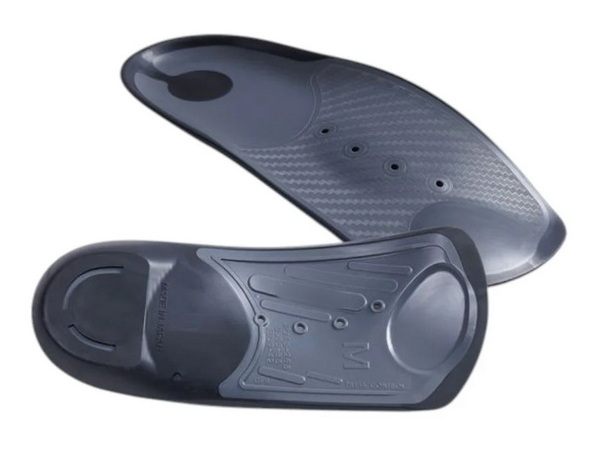
Korean Foam Insole Manufacturers And Suppliers design insoles to balance comfort, durability, and cost while supporting brand story, design language, and application needs. Performance is usually tuned through a combination of foam formulation, insole geometry, and surface materials.
Common engineered features include:
- Multi‑density zones in heel, arch, and forefoot to control cushioning and stability
- Anatomical arch profiles that support foot alignment and reduce fatigue
- Perforation patterns, air channels, or mesh laminates to improve breathability
- Anti‑microbial, anti‑odor, or moisture‑wicking treatments for hygiene and comfort
- Heel cups and sidewalls to improve fit and limit heel slippage
Foam Insole Manufacturers And Suppliers can also combine foam layers with different textiles such as mesh, brushed polyester, lycra, or natural fabrics. This enables brands to align tactile feel and visual styling with their identity while still meeting technical comfort requirements.
Material expertise is one of the main strengths of Korean Foam Insole Manufacturers And Suppliers, supported by a mature chemical and polymer industry. Buyers can select from a wide catalog of formulations to meet exact comfort, support, and sustainability targets.
Typical materials include:
- PU foam: Widely used for molded and die‑cut insoles, offering a strong balance of cushioning, resilience, and longevity.
- EVA foam: Lightweight and cost‑efficient, ideal for high‑volume sports and casual footwear, as well as kids' shoes.
- Memory foam: Slow‑rebound foam that molds to the foot, popular for comfort, lounging, and travel footwear.
- Latex or natural‑rubber foams: Sometimes paired with cellulosic or textile layers for more natural and eco‑focused constructions.
- Advanced and sustainable foams: Blends with recycled content, bio‑based polyols, or supercritical processing for higher energy return and reduced environmental footprint.
By working closely with Foam Insole Manufacturers And Suppliers, brands can fine‑tune material thickness, density, hardness, and layer sequence to create unique comfort signatures across product lines.
For global footwear brands and importers, OEM and ODM capabilities are often the main reason to select Korean Foam Insole Manufacturers And Suppliers. These factories typically provide end‑to‑end project support from concept to mass production.
Common OEM/ODM services include:
- Design and engineering: Translating brand comfort targets, shoe last data, and market positioning into specific insole geometry, foam choices, and thickness.
- Prototyping and sampling: Producing early prototypes, revising based on fit tests, and generating confirmation samples for lab testing and marketing.
- Tooling: Developing cutting dies, 3D molds, and fixtures that enable stable, repeatable production.
- Branding and packaging: Custom logo printing, debossing, color coordination, and retail‑ready packaging to align with brand guidelines.
Because many Foam Insole Manufacturers And Suppliers in Korea already work with international retailers and brands, they understand multi‑country labeling rules, barcodes, and packing standards. This helps reduce communication errors and hidden costs in downstream logistics.
Selecting suitable Foam Insole Manufacturers And Suppliers in Korea requires a structured evaluation of technical capability, quality management, and commercial fit. Price alone is rarely the best criterion for long‑term relationships.
Important evaluation points include:
- Technical know‑how: Ability to achieve target density, hardness, and compression‑set, supported by internal testing data.
- Segment experience: Strong track record in categories similar to your own, such as running, outdoor, safety, fashion, or orthopedic footwear.
- Quality systems: Documented procedures, material traceability, regular audits, and clear handling of non‑conformities.
- Production capacity and flexibility: Capability to manage your forecast, peak seasons, and replenishment orders without extended lead‑time spikes.
- Communication and service: Speed and clarity of responses, problem‑solving attitude, and structured project management on OEM and ODM programs.
Foam Insole Manufacturers And Suppliers that actively share improvement suggestions, offer realistic schedule planning, and provide transparent cost structures will usually become more reliable strategic partners over time.
Although this article centers on Korea, many brands and importers manage sourcing using a regional strategy that blends Korean Foam Insole Manufacturers And Suppliers with partners in China, Vietnam, and other Asian countries. This mix offers both innovation and cost flexibility.
Typical strategy structures include:
- Use Korean Foam Insole Manufacturers And Suppliers for technical or high‑value performance projects.
- Use Chinese or Southeast Asian factories for large‑volume, cost‑driven programs.
- Combine development: design and testing in Korea, mass‑scale implementation in China or other regions.
For a leading Chinese insole OEM, working with Korean Foam Insole Manufacturers And Suppliers can create strong synergy. Korean partners can lead in high‑end foam technology and design concepts, while Chinese factories focus on efficient mass production and flexible order handling. Together, this combined solution is highly attractive to global footwear brands, importers, and wholesalers.
Understanding manufacturing processes used by Foam Insole Manufacturers And Suppliers in Korea helps buyers better communicate technical expectations and evaluate costs. Most factories use several methods depending on the insole design and volume.
Common processes:
- Sheet cutting and shaping: Large foam sheets are skived, cut, and ground to the desired thickness and contour, then laminated with textile covers.
- Compression molding: Foam pellets or sheets are placed into molds and compressed under heat to form three‑dimensional insole shapes.
- Injection‑molded foam: Specialized foams are injected directly into molds for consistent geometry and integrated heel cups or arch structures.
- Lamination and bonding: Multiple foam layers, gel pads, or stabilizing inserts are assembled with adhesive or heat lamination.
- Die‑cut finishing: Final outlines are cut for each size, followed by logo printing, inspection, and packing.
Foam Insole Manufacturers And Suppliers may recommend different processes depending on performance targets, tooling budgets, and expected order volumes. Early technical discussions can prevent later adjustments that add time and cost.
For global buyers, quality control practices are a key differentiator among Foam Insole Manufacturers And Suppliers. Korean factories generally follow systematic QC flows to keep defect rates low and ensure consistent comfort and fit.
Typical quality‑related steps include:
- Incoming inspection of foam blocks, chemicals, textiles, and packaging materials.
- In‑process checks for thickness, hardness, density, and bonding strength during cutting, molding, and lamination.
- Final inspection of appearance, dimensions, logo clarity, and packaging before shipment.
- Periodic lab tests for compression‑set, fatigue resistance, deformation after repeated load, and sometimes slip resistance and thermal performance.
Buyers can strengthen quality outcomes by agreeing on clear specifications, AQL standards, test methods, and reporting formats before mass production. This ensures Foam Insole Manufacturers And Suppliers and buyers measure performance using the same criteria.
The global insole and footwear markets are evolving quickly, and Foam Insole Manufacturers And Suppliers in Korea are adapting their technologies and business models.
Important trends include:
- Growing consumer focus on comfort and wellness, which increases demand for high‑quality foam insoles and orthotic‑style support.
- Strong growth in custom and semi‑custom insoles, supported by digital foot scanning, data analytics, and modular insole designs.
- Rising interest in sustainable materials and production processes, pushing Foam Insole Manufacturers And Suppliers to explore recycled, bio‑based, or low‑impact foam technologies.
- Development of high‑energy‑return and supercritical foams for sports and running footwear that require lightweight cushioning and strong responsiveness.
Buyers who understand these trends can work with Korean Foam Insole Manufacturers And Suppliers to build product roadmaps that stay competitive for several seasons, not just a single collection.
For overseas brands, wholesalers, and shoe factories, success with Korean Foam Insole Manufacturers And Suppliers starts with structured communication and accurate technical information. Clear requirements reduce revisions, speed up sampling, and control costs.
Practical steps:
1. Prepare detailed specification sheets including shoe type, end user, size range, target retail price, and key comfort messages.
2. Define technical parameters such as thickness by zone, foam density, hardness range, and cover materials.
3. Provide reference samples or 3D data so Foam Insole Manufacturers And Suppliers can quickly understand your expectations.
4. Request trial samples and test them in real footwear; then share objective feedback on comfort, fit, and durability.
5. Finalize quality standards, packaging, and logistics terms before locking production orders.
Chinese insole OEM factories can also leverage cooperation with Korean Foam Insole Manufacturers And Suppliers as a way to upgrade product offerings. By combining Korean concepts with Chinese scaling ability, they can serve global customers with a wide, flexible, and competitive insole portfolio.
Korea has become a highly attractive sourcing destination for global brands, wholesalers, and shoe factories seeking reliable Foam Insole Manufacturers And Suppliers with strong technical expertise and stable production. Advanced foam materials, well‑established quality systems, and rich export experience allow Korean suppliers to support diverse footwear segments, from athletic and outdoor to fashion, kids, and orthopedic lines.
For international buyers, a strategic approach is to integrate Korean Foam Insole Manufacturers And Suppliers into a broader Asian sourcing network that also includes cost‑competitive factories in China and Southeast Asia. As a leading Chinese foam insole and shoe insole OEM, your company can position itself as an integrated solution provider: learning from Korean technology, collaborating closely on design, and then delivering high‑quality, competitively priced products for global B2B clients. In a market where comfort, sustainability, and differentiation are increasingly important, close cooperation with professional Foam Insole Manufacturers And Suppliers in Korea will be a powerful advantage.

Korean Foam Insole Manufacturers And Suppliers commonly produce PU foam insoles, EVA foam insoles, memory foam insoles, air‑foam constructions, and hybrid insoles that combine foam with gel pads or stabilizing inserts. This variety helps brands cover different footwear categories and price levels with one or a few trusted partners.
Yes, most Korean Foam Insole Manufacturers And Suppliers specialize in OEM and ODM, handling design input, engineering, sampling, tooling, mass production, and branding. They are familiar with working from technical drawings, last data, and brand comfort briefs and can adjust structures and materials to match target markets.
Minimum order quantities depend on whether the insole uses standard molds and materials or requires full customization. In general, Foam Insole Manufacturers And Suppliers in Korea set MOQs suitable for brand and wholesale orders, ranging from a few thousand pairs upwards per style and color, with more flexibility for repeat orders.
Korean Foam Insole Manufacturers And Suppliers usually implement layered quality control, including incoming material checks, in‑process testing of thickness and hardness, and final inspection before packing. Many also conduct lab tests for compression‑set and fatigue resistance and are open to aligning their inspection plans with buyer specifications.
Overseas buyers should begin by preparing detailed technical specifications, sending reference samples, and asking a shortlist of Foam Insole Manufacturers And Suppliers for development samples and quotations. After testing the samples in real footwear and confirming quality and pricing, the buyer can finalize contracts, MOQs, and delivery schedules to establish a long‑term OEM relationship.


