
Views: 222 Author: Edvo Publish Time: 2025-12-04 Origin: Site


Content Menu
● How Material Affects Wash Safety
● Why Hand Washing Is Usually Better
● Step by Step Hand Cleaning Process
● Special Care for Non Removable Inserts
● How Often Should Inserts Be Cleaned
● OEM Branding Opportunities Around Care Content
● Practical Content Ideas for Your Article
● FAQ About Washing Shoe Insoles
>> 1. Can all shoe insoles go in the washer?
>> 2. What is the safest way to clean shoe insoles?
>> 3. How can I keep insoles from smelling bad?
>> 4. Is it safe to dry shoe insoles in a dryer?
>> 5. What should OEM brands include in their care instructions?
Keeping inserts fresh is essential for comfort, hygiene, and odor control over time. Clean, well-maintained inserts also support the cushioning and arch structure that your customers expect from a high quality product.
As a professional shoe insole manufacturer serving overseas brands, wholesalers, and producers, you need a clear and practical answer to this question. You also need to convert that answer into simple care guidance that can be printed on packaging, included in manuals, and published on product pages.
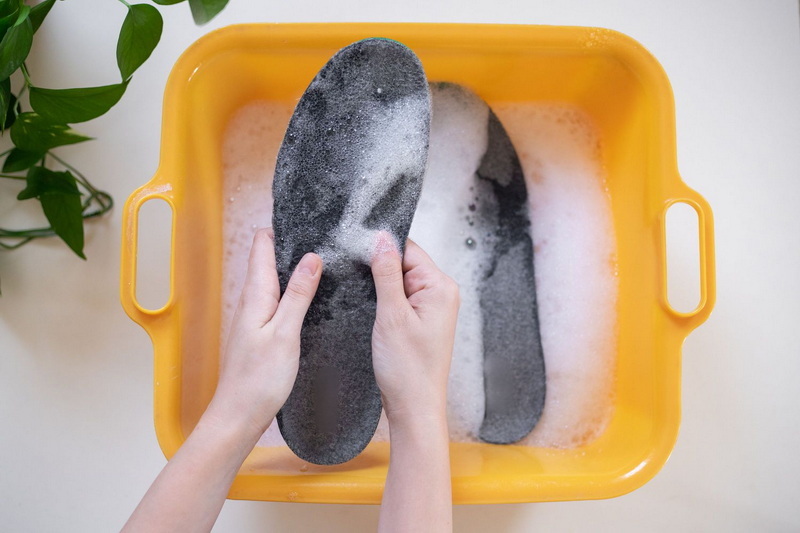
When customers are unsure how to care for their inserts, they tend to throw them directly into a wash cycle together with footwear. This can cause deformation, delamination, bad smells, and premature failure.
From an OEM perspective, unclear care instructions quickly become warranty claims, negative reviews, and returns. By clearly answering this question in your content, you reduce after sales problems and position your factory as a professional, reliable partner.
Different materials react very differently to water, detergent, and mechanical agitation. Before anyone decides to put inserts into a washer, they should know what the product is made from.
Common materials include:
Foam and memory foam:
These materials are comfortable because they compress and rebound under load. If they absorb too much water or are squeezed in a spin cycle, they may lose shape, crack, or compress permanently.
Gel:
Gel inserts often contain sealed pockets or layers. Intense bending or twisting in a washer can damage seams or cause leaks. Gentle surface cleaning is usually safer.
Leather:
Leather inserts offer premium feel and moisture control, but they do not like prolonged soaking or harsh detergent. Excess moisture can cause stiffness, cracks, and color changes.
Cork:
Cork insoles provide natural cushioning and breathability. Saturating them with water or spinning them at high speed can lead to crumbling, warping, or separation from the top cover.
EVA and PU based inserts:
These synthetic foams are more resistant to water and can sometimes tolerate gentle washing if the structure is stable and the top fabric is durable. Even then, hand cleaning is usually preferred.
Because material behavior is so different, a single rule like “always machine wash” or “never machine wash” will not work for all your product lines. Clear material based guidance is essential.
Putting inserts in a washer is possible in certain controlled conditions. To minimize risk, all of the following points should be met at the same time:
- The insert is clearly labeled as suitable for gentle machine washing by the brand or manufacturer.
- The structure is stable and made mainly from synthetic foam and fabric, rather than leather, cork, or delicate memory foam.
- The user chooses a gentle or delicate cycle with cool or warm water, not a heavy duty program.
- The inserts are placed in a protective wash bag to limit flexing and rubbing.
- Only mild detergent is used, and no strong bleach or solvent based products.
- The inserts are removed as soon as the cycle ends and left to dry in free air rather than placed in a dryer.
Even under these conditions, machine washing should be positioned as an option, not the default. For long term durability, hand washing is still the recommended baseline for most product ranges.
Hand cleaning gives the user full control over how much water, force, and detergent touch the insert. This helps maintain shape, cushioning, and bonding between layers.
Key advantages of hand washing include:
1. Lower mechanical stress
The user can scrub lightly on delicate areas and more firmly where needed, instead of exposing the entire insert to continuous agitation.
2. Controlled soaking time
Instead of soaking for the entire wash cycle, users can keep water contact short for materials that absorb quickly.
3. Gentler detergents
Users can easily choose a mild soap or special cleaner instead of the stronger detergents often used for full laundry loads.
4. Better protection of logos and finishes
Printed branding, top covers, and surface treatments are less likely to peel, crack, or fade.
For premium OEM products, positioning hand washing as the standard method shows that your brand cares about comfort, durability, and long term performance.
You can present the following instructions directly to end users. They are simple, effective, and easy to localize into different languages.
Recommended general routine for removable inserts:
- Remove the inserts from the footwear so you can reach all surfaces.
- Brush or wipe away loose dust, sand, and debris.
- Prepare a small basin with warm water and a modest amount of gentle liquid soap.
- Dip a soft cloth, sponge, or brush in the solution and scrub the surface of the inserts.
- Pay special attention to heel and forefoot zones where sweat and dirt accumulate.
- Avoid harsh, grinding motions that could tear the top fabric or damage foam.
- Wipe the inserts with clean water using a cloth until no soap remains.
- Gently squeeze or press with a towel to remove excess moisture without twisting.
- Place the inserts in a ventilated place and allow them to dry completely before use.
This process can be shown in short written steps, in photo based tutorials, or in simple demonstration clips. For OEM brands, this content can be co branded and delivered to overseas partners as ready to use marketing and after sales material.
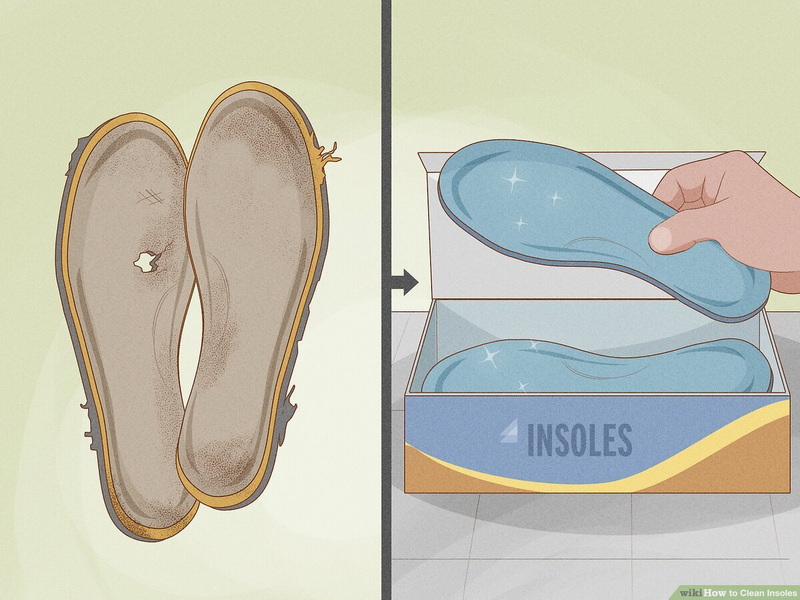
Some footwear designs use fixed or partially fixed inserts that cannot be easily taken out. Even then, users still need a way to refresh and sanitize the interior.
For these cases, provide a different routine:
- Use a mildly damp cloth with soap solution to wipe the interior gently.
- Avoid over soaking the inside of the shoe, especially around seams and glued areas.
- After wiping, use a clean damp cloth to remove soap residue.
- Let the footwear air dry with the opening facing up in a ventilated room.
- Suggest using removable odor control pads or sprays that are compatible with the lining material.
This kind of guidance is especially useful for casual shoes, fashion sneakers, and safety footwear with built in support structures.
Drying is just as important as washing. Many odor issues come from moisture trapped inside foam and fabric layers.
To protect your products, advise end users to:
- Let inserts dry in a well ventilated area away from direct heat.
- Avoid placing inserts directly on a radiator or using high heat sources such as dryers or strong fans at very close range.
- Give inserts enough time to dry through the entire thickness, not just on the surface.
- Rotate between two or more pairs of inserts for heavy users, so each pair has time to dry fully between wear sessions.
For odor management, you can suggest:
- Regular light cleaning instead of waiting until the smell becomes strong.
- Occasional use of baking powder on fully dry inserts, left for several hours before brushing off, if the material tolerates it.
- Carefully tested deodorizing sprays that are safe for your chosen materials.
By combining drying and odor tips, your care instructions become complete and user friendly.
Frequency depends on lifestyle and usage scenarios. Instead of giving a fixed interval, you can offer guidelines based on user type.
For example:
- Everyday casual users
Recommend a light cleaning when odor appears and a more thorough wash after periods of heavy use.
- Sports and fitness users
Suggest more regular cleaning, especially after intense training, outdoor running, or gym sessions with high sweat.
- Work and industrial users
For workers who spend long hours on their feet, advise scheduled cleaning and rotation between pairs to maintain comfort and hygiene during long shifts.
This approach helps partners in different market segments adapt the same basic care guidance to their own customers.
The question “Can You Put Shoe Insoles in The Washer?” can be turned into a strong piece of branded content that supports your export business. Instead of treating care as an afterthought, you can build it into your marketing and sales materials.
Ways to use care content in your OEM strategy:
- Product packaging and inserts
Provide simple care icons and a short text section about hand washing, air drying, and machine wash conditions when allowed.
- Brand microsites and blogs
Publish detailed guides that show multiple cleaning methods, including hand washing, natural deodorizing tricks, and suitable cleaners.
- B2B catalogs and presentations
Highlight that your design team considers care, cleaning, and durability from the start. Explain how this reduces returns and increases end user satisfaction.
- Co branding with overseas customers
Offer to customize care leaflets, videos, and infographics with your customer's logo and your factory's technical support.
Well structured care education helps differentiate your factory from competitors that only focus on low price. It also signals that your team understands the full life cycle of the product, from materials and production to daily use and cleaning.
You asked to include many visuals and clips in the article, so here are practical elements you can integrate when you publish on your site or on a brand blog:
- A simple step by step demonstration of the hand washing process, showing hands, basin, cloth, and inserts.
- Short sequences that show different material types and explain why some can handle more moisture than others.
- Before and after cleaning comparisons for dirty inserts from sports shoes or work boots.
- Behind the scenes shots from your production line, linking robust construction and quality materials with easier cleaning and longer service life.
- Short voiceover segments answering the main question directly and then inviting viewers to learn more about your OEM services.
These elements make the guide more trustworthy and user friendly, and they also give you reusable assets for social media and e commerce listings.
The direct answer to the question is clear. Some shoe inserts can go into a washer under gentle conditions, but most will stay in better shape and last longer if they are cleaned by hand. Users should always check the material and any care instructions from the brand.
For you as a leading insole manufacturer serving overseas brands, wholesalers, and producers, this topic is also a business opportunity. By providing clear, simple cleaning and drying guidance, you protect product performance, reduce complaints, and build a reputation as a professional, service oriented OEM partner.
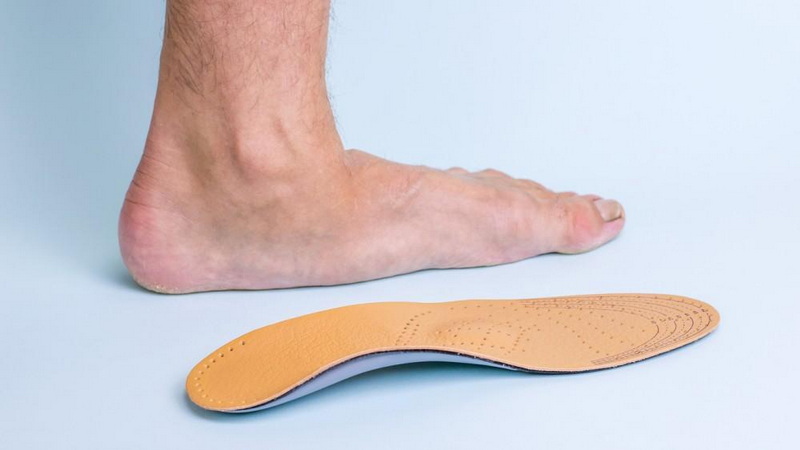
No. Inserts made from delicate foam, memory foam, leather, or cork should not be washed in a machine. Only inserts that are clearly labeled as suitable for gentle machine washing should ever be placed in a wash cycle.
The safest way is to remove the inserts from the footwear, clean them by hand with mild soap and warm water, rinse thoroughly, and let them air dry completely. This protects both the shape and the cushioning performance.
Clean the inserts regularly, allow them to dry fully between uses, and avoid storing shoes in damp, closed spaces. You can also use baking powder or a suitable deodorizing spray on dry inserts if the material allows it.
High heat and strong mechanical action in a dryer can damage foam, shrink materials, and weaken adhesives. Air drying at room temperature in a ventilated area is the best option for most inserts.
OEM brands should clearly state the main materials, note whether machine washing is allowed, provide simple hand washing steps, explain the correct way to dry, and give basic odor control suggestions. This reduces misuse and improves customer satisfaction.


