
Language
Views: 222 Author: Edvo Publish Time: 2025-12-04 Origin: Site


Content Menu
● Why This Question Is Important
● What Really Happens Inside a Dryer
● Typical Problems Caused by Dryer Heat
● Why Most Insoles Are Not Designed for Dryers
● When Can a Dryer Ever Be Used?
● Safe Cleaning Methods for Shoe Insoles
● How to Air Dry Insoles Properly
● Material‑Specific Care Advice
● Daily Habits That Keep Insoles Fresh
● Recommended Drying Alternatives to a Household Dryer
● How Dryer Damage Affects Foot Comfort and Health
● What This Means for OEM Brands and Buyers
● FAQ
>> 1. Can you put shoe insoles in the dryer at low heat?
>> 2. What is the safest way to dry wet shoe insoles?
>> 3. How should you clean insoles without damaging them?
>> 4. How often should insoles be cleaned and dried?
>> 5. Why do manufacturers usually advise against dryers for insoles?
Putting shoe insoles in the dryer is generally a bad idea because heat and tumbling can easily damage the materials, deform the shape, and shorten their service life. The safest way to care for most insoles is gentle cleaning by hand and patient air drying in a cool, ventilated place.
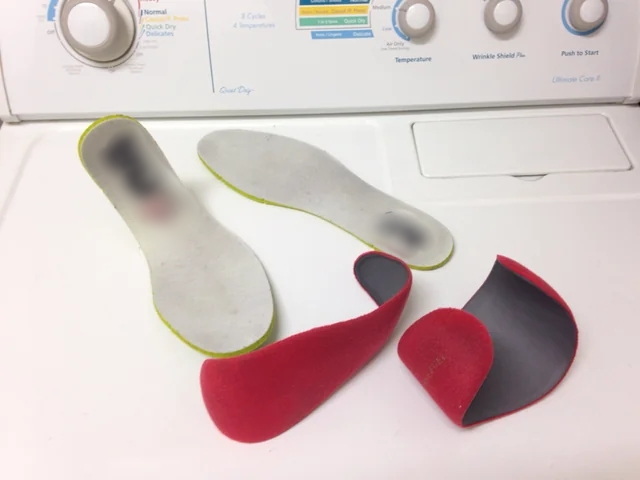
Shoe insoles stay in close contact with sweat and moisture every day, so many people want a quick way to dry and refresh them after cleaning or heavy use. For brands, wholesalers, and manufacturers, correct care instructions help reduce returns and complaints caused by misshapen, hardened, or delaminated insoles.
When you educate end users about proper cleaning and drying, you protect the performance of your product and improve long‑term customer satisfaction. This is especially true for comfort insoles, sports insoles, and work boot insoles that must maintain consistent support and cushioning over time.
A typical dryer combines heated air with constant tumbling. For clothes, this can be acceptable, but for insoles, it creates several risks that are not always obvious at first glance.
During the drying cycle, insoles repeatedly hit the drum while hot air flows over them. The impact can gradually break down foam cells, stress adhesive layers, and bend structural parts such as heel cups and arch supports. At the same time, heat penetrates the materials, softening glue and speeding up aging of foam and synthetic fabrics.
Even if an insole looks normal when it comes out of the dryer, the internal structure may already be weaker. Over time, this can lead to a loss of resilience, uneven surfaces, and changes in fit inside the shoe.
When shoe insoles are exposed to dryer conditions, several common types of damage can occur:
- Cushioning foam may collapse, lose bounce, or become stiff and less comfortable.
- Adhesive layers that hold top fabric, cushioning pads, or support components together can soften and then separate, causing peeling or bubbles.
- Thermoplastic or gel zones can deform, shift position, or become lumpy, which leads to pressure points under the foot.
- The overall shape of the insole can warp, so it no longer follows the original contour of the footbed or the shoe interior.
In serious cases, the insole may become visibly twisted or curled, making it impossible to sit flat inside the shoe. Even small distortions can change how weight is distributed and create discomfort over a full day of walking or standing.
Unlike some garments, shoe insoles are usually multi‑layer structures. They often combine foam, fabric, adhesive, and sometimes plastic or gel parts in one product. Each layer reacts differently to heat, pressure, and moisture.
This complex construction works very well under normal use. However, it also means that harsh drying conditions easily create internal stress. High temperature speeds up material fatigue and can make adhesives brittle or soft in the wrong way. The tumbling movement then pulls on the layers and joints, so failure happens earlier than it would under normal wear.
Manufacturers design and test their insoles mainly for comfort, support, and durability during walking, running, or standing. They rarely design them to survive repeated high‑heat tumble cycles. For this reason, care instructions almost always prioritize air drying and warn against artificial heat sources.
In a few cases, certain insoles may tolerate a very gentle dryer cycle, but this is only acceptable when the manufacturer clearly allows it. Even then, it usually comes with strict conditions.
The insole should first be partially air dried so that only residual moisture remains. If a dryer is used at all, it should be on the lowest temperature setting, for a short time, and with the insole protected in a bag or combined with soft items to reduce mechanical shock.
Even with all these precautions, dryer use still carries a level of risk. For high‑performance sport insoles, medical or custom orthotic insoles, or any premium product, air drying remains the safest option and should be strongly recommended to end users.
Instead of relying on a dryer, focus on gentle cleaning methods that preserve structure and lengthen service life. A simple hand‑cleaning routine is suitable for most everyday insoles.
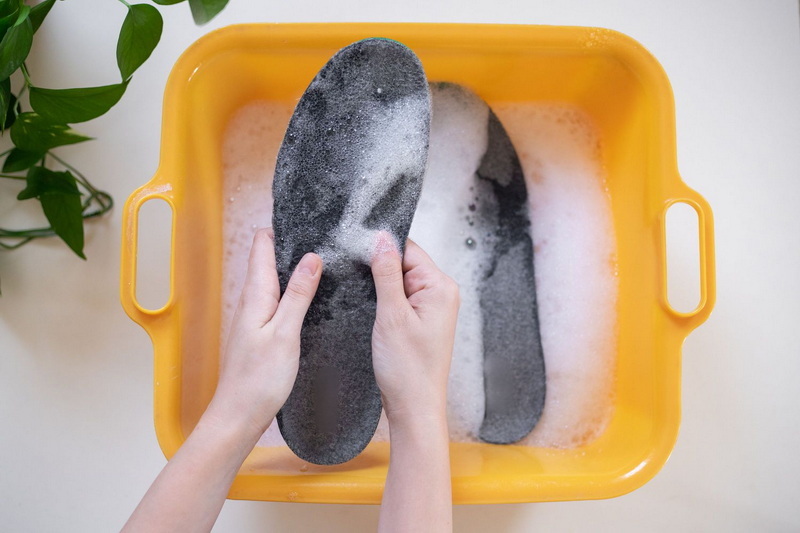
Start by removing the insoles from the shoes. This allows you to reach all surfaces and prevents moisture from staying trapped inside the footwear. Prepare a mild cleaning solution with gentle soap and comfortable water temperature. Aggressive chemicals or very hot water are unnecessary and can damage materials.
Use a soft cloth or soft brush to clean the surface of the insole. Concentrate on areas under the forefoot and heel where sweat and odor commonly build up. Wipe away the cleaning solution with a slightly damp cloth and avoid soaking the insole completely, especially if it has a thicker foam base or glued layers.
After cleaning, careful air drying protects both cushioning and shape. Place the insoles in a place with good airflow, such as near an open window or under a fan, but out of direct sunlight.
Arrange them so that air can reach both top and bottom surfaces. This can be done by standing them on an edge or placing them on a clean drying rack. Never put insoles directly on a radiator or heater and do not place them on a very hot surface.
Allow enough time for full drying. Rushing this step by turning to a dryer or strong heat source can undo the benefits of your careful cleaning. Once the insoles feel completely dry to the touch and show no signs of dampness on the underside, they can safely return to the shoes.
Different insole materials respond differently to moisture and heat, so some basic guidelines by type can help users avoid mistakes.
Foam‑based insoles are very common in casual and sports shoes. They offer good cushioning but are sensitive to high temperature. Excessive heat can collapse the foam cells and reduce energy absorption. These insoles should always be air dried at room temperature.
Insoles with gel pads or thermoplastic inserts offer targeted support in the heel or arch. These segments can lose their original shape if exposed to strong heat and mechanical shock. Gentle cleaning and cool air drying keep them stable and comfortable.
Leather‑topped insoles or those with suede details demand extra care. They should never be soaked and should only be cleaned with minimal moisture and suitable leather care products. Direct heat can crack the surface and cause permanent hardening, so slow, natural drying is essential.
Custom, medical, or corrective insoles are built around precise shapes that match the user's foot. Any warping from heat can reduce their effectiveness and even create new pressure points. For this category, strict air drying and full respect for the original care instructions are strongly recommended.
Drying and cleaning are not only for days when insoles become heavily soaked. Simple daily habits can keep them fresher and reduce the need for deep cleaning.
After long use, especially in warm or humid conditions, it helps to remove the insoles from the shoes at home and let them air out overnight. This allows trapped moisture to escape and slows down the growth of odor‑causing bacteria.
Rotating between more than one pair of insoles or shoes also gives each pair time to dry completely between wears. This routine is especially valuable for workers who stand all day, athletes, and people living in damp climates.
Instead of putting shoe insoles in a standard dryer, there are safer ways to speed up drying without damaging the product.
One option is to use a fan or a low‑power air‑circulation device pointed at the insoles. Moving air helps moisture evaporate faster, even at room temperature. Another method is to place insoles near, but not on, a gentle boot dryer or shoe drying device that runs at low temperature with steady airflow.
Absorbent materials can also be used. Placing insoles on a dry towel and changing the towel when it becomes damp can remove moisture by contact. Some users also place moisture‑absorbing sachets near the shoes and insoles in a ventilated cabinet.
All these methods avoid strong, concentrated heat and tumbling motion, so they are kinder to adhesives, foam cells, and structural components.
When dryer damage occurs, it does more than affect the appearance of an insole. Changes in shape and firmness can influence posture, gait, and pressure distribution under the foot.
A warped or collapsed insole may no longer support the arch correctly or cushion the heel on impact. Over time, this can contribute to fatigue, soreness, and discomfort in the feet, ankles, and even knees or lower back. Users might not immediately blame the dryer but will feel that the insole is “not as comfortable as before”.
For people who already rely on insoles to relieve conditions like plantar fasciitis, flat feet, or heel pain, maintaining original shape and support is especially critical. In such cases, strict no‑dryer rules should be clearly highlighted in user instructions.
For an insole manufacturer serving overseas brands, wholesalers, and producers, care guidance is part of the overall product value. When your catalog includes detailed instructions on cleaning and drying, your partners can easily integrate these points into packaging, manuals, and online product pages.
Clear recommendations such as avoiding dryers, preferring hand cleaning, and using air drying reduce misunderstandings between end users, retailers, and factories. They also demonstrate that your company understands the full lifecycle of the product, not just the manufacturing stage.
By emphasizing safe care methods, you support longer product life, more consistent performance, and better reviews for the brands you serve. This is a strong selling point in competitive export markets, where durability and user experience directly affect repeat orders.
Putting shoe insoles in the dryer may seem convenient, but it carries real risks for foam, gel, leather, adhesives, and overall shape. Heat and tumbling can cause warping, separation, and loss of cushioning that shorten the life of the insole and reduce user comfort. Gentle hand cleaning followed by natural air drying in a cool, ventilated place keeps insoles fresher for longer while preserving support and fit. For professional OEM partners, promoting these safe care practices is an easy way to protect product quality, reduce complaints, and build stronger trust with global customers.
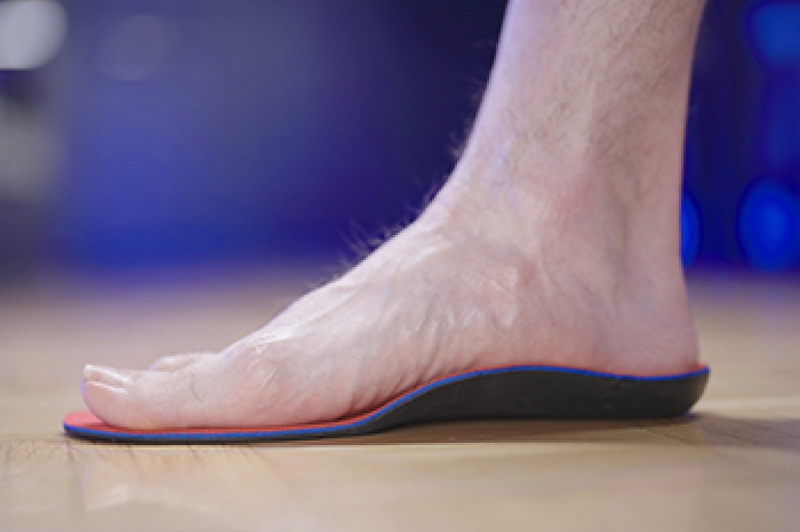
Even at low heat, a household dryer can still stress adhesives and fragile foam cells. Some insoles might survive a single gentle cycle, but repeated exposure greatly increases the chance of warping or delamination. Unless care instructions clearly allow this, it is safer to avoid the dryer completely.
The safest method is to remove insoles from the shoes, gently remove excess water with a cloth, and place them in a well‑ventilated, shaded area. Using a fan or natural airflow speeds drying without exposing the materials to high temperature or aggressive tumbling.
Use mild soap and comfortable water with a soft cloth or brush to remove dirt and sweat, avoiding strong chemicals or very hot water. After cleaning, wipe away excess moisture and let the insoles air dry fully before placing them back into the shoes.
For everyday use, allowing insoles to air out after each long wear already helps control moisture and odor. Deeper cleaning can be done when noticeable smell or visible dirt appears. Regular gentle maintenance is better than rare, aggressive washing or drying.
Manufacturers know that insole materials are sensitive to high heat and mechanical shock. Dryer conditions accelerate wear, weaken glue, and distort carefully designed support structures. To preserve comfort, fit, and product life, they usually recommend hand cleaning and air drying instead of machine drying.


