
Language
Views: 222 Author: Edvo Publish Time: 2025-11-09 Origin: Site


Content Menu
● Why Choosing the Right Insert Matters
>> Importance of Targeted Cushioning
● Types of Inserts for High Arches
>> Pressure Points and Calluses
>> Supination (Outward Rolling)
● Step-by-Step Guide to Choosing Inserts
>> Step 2: Locate Pain Regions
>> Step 3: Consider Activity Level
>> Step 5: Trial and Adjustment
>> Cleaning
● Advanced Insights: The Science of Support
>> Pressure Mapping and Distribution
>> The Role of Outsoles and Shoe Geometry
● Addressing Unique Populations
>> Athletes and Occupation-Specific Demands
● Frequently Asked Questions (FAQ)
>> 1. What features should a high arch insole have?
>> 2. Can high arch insoles be used in sports shoes?
>> 3. When should someone choose custom orthotics over OTC insoles?
>> 4. How frequently should high arch inserts be replaced?
>> 5. Are 3/4-length insoles effective for high arches?
Foot comfort and functionality matter for everyone, especially those with high arched feet. As the foundation of body movement, the right arch inserts can turn daily discomfort into consistent relief. For manufacturers, wholesalers, and brands, understanding the optimal solutions for high arch support ensures better product positioning, superior customer satisfaction, and lasting value. This comprehensive guide explores the most effective inserts for high arches, their features, selection criteria, benefits, fitting tips, and maintenance practices.
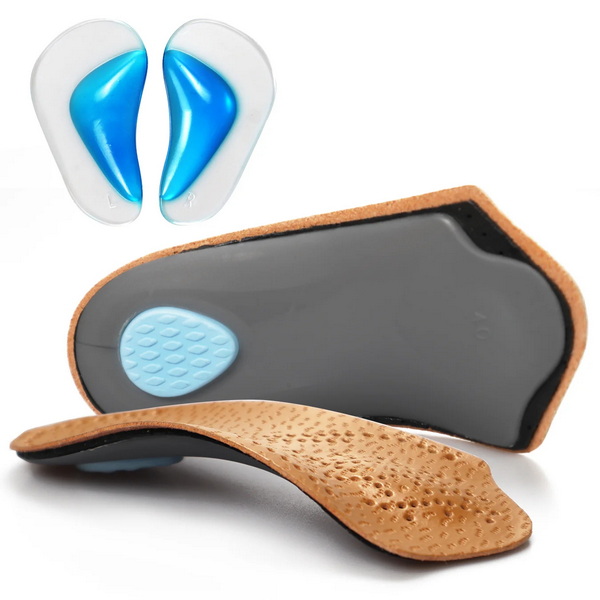
High arches, formally known as pes cavus, describe a foot type where the arch is raised higher than average. This structural difference affects how weight and pressure are distributed across the foot, often leading to greater impact shock and less natural cushioning.
People with high arches typically notice discomfort or pain in the heels and balls of their feet, frequent calluses, recurring instability in the ankles, and difficulties finding comfortable shoes. Soreness after standing for extended periods is common, while some may experience frequent ankle sprains due to the foot's tendency to roll outward.
High arches can be hereditary or the result of neurological conditions. Genetics, muscle imbalances, and specific medical conditions (such as Charcot-Marie-Tooth disease) can all contribute to this structure. Regardless of the underlying reason, targeted arch support is essential for relief and injury prevention.
Without dedicated support, high arches can lead to serious complications:
- Plantar Fasciitis: Inflammation under the foot due to concentrated pressure.
- Metatarsalgia: Pain in the forefoot caused by ineffective shock absorption.
- Supination (Outward Roll): Increased risk of ankle sprains and joint instability.
The right inserts redistribute weight, absorb impact, and improve alignment. They minimize pressure on vulnerable areas, protect the joints, and make walking or standing less strenuous.
Universal insoles are rarely effective for high arches. It's important to select inserts that match the precise arch height and foot shape, while overly rigid supports can create new pressure points, and soft inserts may be unable to stabilize the arch.
Ready-made insoles offer effective high arch solutions for many users:
- Superfeet High Arch & All-Purpose Support: Deliver pronounced arch height, deep heel cups, and firm support, ideal for active users and casual wear.
- PowerStep High Arch Orthotics: Combine structured support, heel stabilization, and dual-layer cushioning for alignment.
- Sof Sole FIT High Arch: Provide both arch elevation and plush padding; excellent for all-day wear.
- Birkenstock Blue Tradition 3/4-length: Good for shoes with non-removable liners, offering strong support in a slim profile.
- IceBug Comfort/Slim: A semi-rigid build delivers both arch elevation and metatarsal relief with a slim design for narrow shoes.
Custom-made orthotics are recommended for users with severe symptoms or unique structural needs. These inserts are designed according to a professional assessment, ensuring maximum support, ideal pressure distribution, and enhanced comfort with customized contouring and adjustability.
Active individuals benefit from sport-specific insoles such as Currex RunPro and Superfeet Run Cushion. These variants combine arch elevation, reinforced heel cups, and advanced cushioning materials to withstand vigorous activities without compromising stability.
Effective insoles for high arches feature a pronounced contour that closely matches the user's foot profile. Correct alignment prevents collapse and maximizes functional benefit.
A deep heel cradle offers structural support, enhances stability, and distributes pressure for those prone to supination or ankle instability.
Optimal inserts include extra heel and forefoot padding. Shock-absorbing materials like memory foam, EVA, or gel help to minimize pain and fatigue.
Modern high arch insoles rely on flexible but supportive materials. Memory foam, gel technologies, and ventilated covers enable breathability while maintaining foot hygiene. Antimicrobial layers are vital for odor prevention, especially during extended wear.
Full-length or 3/4-length options help with fitting various shoe types—dress shoes, sports shoes, or boots. Trimmable designs enable a tailored fit for maximum comfort.
Excess arch elevation concentrates force in small areas. Inserts should have targeted metatarsal and heel pads to help spread pressure evenly and protect high-risk regions.
High arches often push the foot to roll outward. Well-designed insoles combat this with corrective arch support, lateral reinforcement, and deep heel cups, minimizing ankle injury risks.
High-profile insoles can make tight shoes uncomfortable. Using 3/4-length or slim-profile designs ensures compatibility with formalwear or smaller shoes, while trim-to-fit options offer flexibility for most users.
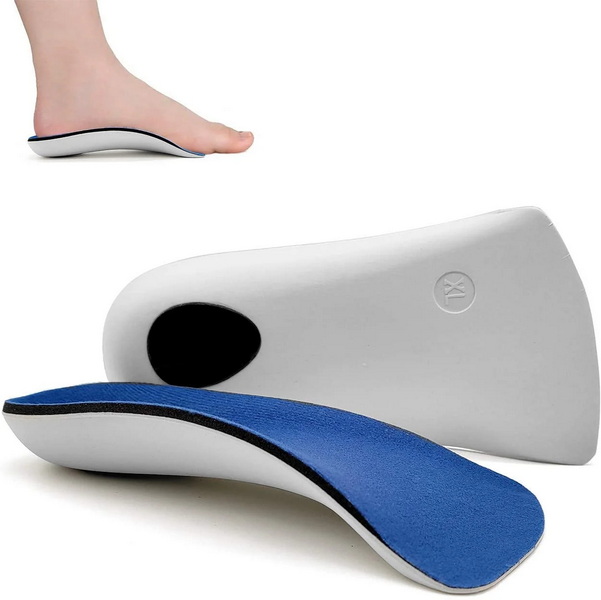
Confirm the presence of high arches using a wet footprint test or through professional screening with a specialist. High arches typically show a narrow connection between the heel and forefoot.
Focus attention on areas with persistent soreness—usually the arch, heel, or forefoot. This helps select an insole with mapped cushioning for those trouble spots.
Choose inserts based on main usage—everyday casual support, athletic performance, or occupational protection.
Match the insole's thickness and length with your shoe volume, opting for high-volume insoles for boots and running shoes, and low or medium-volume for casual shoes.
Begin with quality over-the-counter choices; shift to custom orthotics if initial options do not resolve pain. Allow a short period for break-in and adapt sizing as needed.
Routinely clean your insoles according to the manufacturer's advice—removing them at night to air dry, and avoiding direct heat sources that could damage material integrity.
Replace inserts every 6–12 months or earlier if you notice:
- Reduced cushioning or compression marks
- Loss of arch elevation or distortion
- Persistent odors or visible microbial growth
- Degradation in material causing discomfort
Consider keeping an extra pair for rotation, alternating use between active and casual footwear. Some users appreciate seasonal updates for better hygiene and performance.
Modern high arch inserts utilize pressure-mapping technology to strategically position padding where stress is highest. A well-designed insole helps transfer shock from foot strike evenly, protecting both heel and forefoot from overload.
The latest options in memory foam, specialty gels, and carbon-infused EVA have significantly improved load absorption, durability, and flexibility. Engineered polymers maintain support longer, allowing for insoles tailored to specific weight ranges and activity intensities.
A stable foundation requires outsoles with complete ground contact and sole flare to prevent the foot from wobbling side-to-side. Shoe overlays—layers of stiffer material—can work hand-in-hand with a high arch insert to provide lockdown and structure for athletes and workers alike.
Growing feet need supportive, flexible insoles that don't restrict movement. Pediatricians may recommend regular screening and occasional size updates for children with high arches, particularly those engaged in sports.
For seniors, high arch insoles help prevent balance issues and reduce fall risk. Cushioning and shock absorption become more crucial with age due to lower fat pads on the bottom of the feet.
Athletes should choose inserts that provide both dynamic support and resilience to repetitive impact. Workers spending extensive hours standing or walking benefit from increased cushioning and anti-fatigue features.
Optimizing foot health for high arches starts with the right insole. Whether manufactured for mass retail or custom-made through advanced techniques, inserts with targeted arch elevation, deep heel cups, and adaptive cushioning transform comfort and mobility at every step. Proactive support lowers injury risk, relieves pain, and enhanced footwear design means solutions for nearly every lifestyle and shoe type. When choosing an insert, consider your personal symptom profile, shoe compatibility, and professional advice to achieve the most comfortable, supportive result.
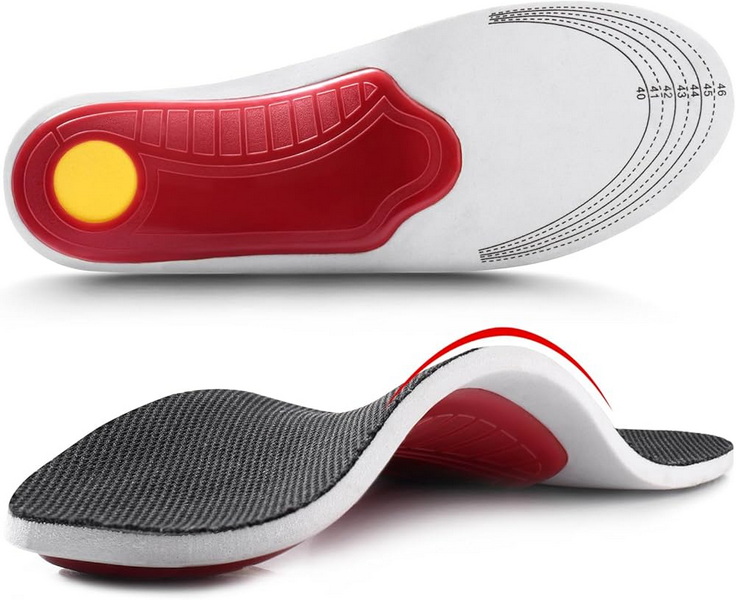
High arch insoles need firm support under the arch, a deep heel cup for alignment, abundant cushioning at impact points (heel and forefoot), and breathable, odor-resistant covers for hygiene.
Absolutely. Most sports-focused insoles are available in high arch variants and offer superior shock absorption, lateral reinforcement, and stable base structure for intense activity.
Custom orthotic inserts are ideal for persistent pain, unusually high arches, biomechanical challenges, or when ready-made options fail to bring relief. Podiatric assessment ensures precise fit and function.
Every 6–12 months is typical, but heavy usage, visible wear, or performance decline warrant replacement sooner to maintain support and comfort.
Yes, especially for shoes with limited space or dress styles. 3/4-length models provide targeted arch support while leaving the toes unrestricted.


