
Views: 222 Author: Edvo Publish Time: 2025-12-07 Origin: Site


Content Menu
● Key Features Insoles Should Have
● Cushioning Materials and Comfort
● Types of Insoles for High Arches
● Matching Insoles to Footwear
● How to Choose the Right Insole
● Fitting and Adjusting Insoles
● When to Seek Professional Help
● Practical Tips for Daily Use
● How High-Arch Insoles Help Different User Groups
● Care and Maintenance of Insoles
● How Your Factory Can Help OEM Clients
● Integrating Biomechanics and Product Design
● Suggested Uses of Images and Video in the Article
● FAQ
>> 1. How can I tell if I need high-arch insoles?
>> 2. Are soft comfort inserts enough for high arches?
>> 3. Can high-arch insoles help with knee or back discomfort?
>> 4. Do I need separate insoles for sports and office use?
>> 5. How often should I replace high-arch insoles?
High-arched feet place more pressure on the heel and ball of the foot because the midfoot does not contact the ground as much as in a neutral arch. This reduced contact means your natural shock absorption is limited, so the right arch insole has to step in and perform that role. When properly chosen, high-arch insoles can redistribute pressure, improve comfort, and support your ankles, knees, and hips during daily activities or sports.
High arches can be inherited or develop as a result of neuromuscular conditions, injury, or long-term loading patterns. Regardless of the cause, people with this foot shape often experience fatigue after standing, localized pain in the heel or forefoot, or instability during movement. An insole designed for high arches acts as a stable platform under the midfoot while still allowing enough flexibility for natural motion.
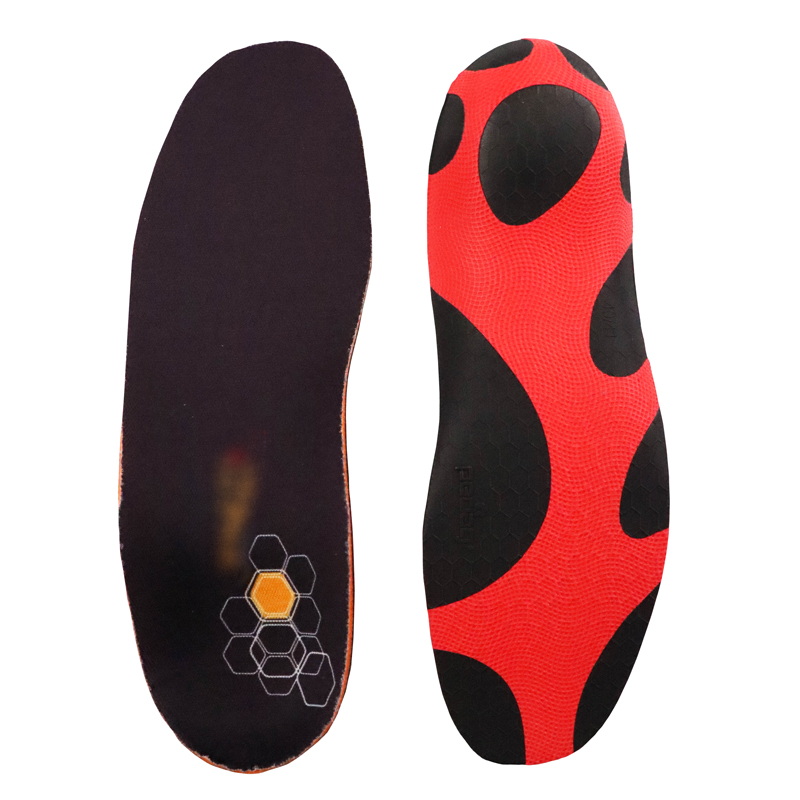
High arches are characterized by a noticeably raised midfoot when you stand or when you look at your footprint. Instead of a broad contact area from heel to ball, the footprint shows a narrower band, and in some cases the middle section appears almost absent. This structure concentrates body weight on smaller surfaces, increasing the risk of stress-related problems if not supported.
Because high-arched feet often roll outward, many people experience supination, where the outer edge of the foot takes more load. Supination can increase strain on the lateral ankle and make sprains more likely. Without the right insole, every step can amplify these forces instead of controlling them.
When assessing insoles for high arches, think about three core elements: structured support, cushioning, and stability. The insole should provide a continuous, contoured platform under the arch rather than a flat or slightly curved surface. Full-contact support spreads pressure along the arch instead of leaving the midfoot hanging in the air.
The second element is cushioning, especially in the heel and forefoot, where impact forces are highest. High-arched feet naturally absorb less shock, so the insole's padding must take on that role. The goal is not excessive softness but resilient cushioning that compresses slightly, protects joints, and then recovers its shape.
Stability completes the picture. To control outward rolling, the insole needs a stable base with a firm or semi-firm core. This structure keeps the heel and arch aligned, especially in dynamic activities like walking fast, jogging, or changing direction during sports.
Good high-arch insoles use a raised arch contour that mirrors the natural curve of your foot as closely as possible. Instead of a vague bump in the middle, you should feel a clear but comfortable contact starting just behind the ball of the foot and tapering into the heel. This continuous support reduces strain on ligaments and muscles that would otherwise work harder to hold the arch up.
A deep heel cup is equally important. It cradles the heel pad, helping center the heel bone so that it lands more evenly on each step. When the heel sits inside a stable cup, the foot is less likely to roll outward, which can reduce ankle strain and improve overall alignment up the leg chain.
Insoles for high arches often combine multiple materials to achieve both comfort and support. A structured base or shell provides the shape, while top layers add softness underfoot. Some models use foam blends for lightweight cushioning, while others incorporate more elastic materials for energy return.
Comfort is not only about softness but also about how the insole holds its shape over time. High-arched feet naturally apply concentrated pressure points, so low-quality cushioning may compress quickly and lose effectiveness. A well-designed insole rebounds after each step and maintains consistent support across weeks and months of use.
Broadly, insoles for high arches fall into three categories: flexible, semi-rigid, and firm. Flexible models bend easily and offer light guidance, ideal for people who want a bit of added comfort without changing the feel of their footwear too much. These work well for short daily walks or casual use.
Semi-rigid designs add a supportive core that still allows some natural foot motion. This type suits many people with high arches who experience mild to moderate discomfort or fatigue. Firm orthotic-style insoles use a stiffer shell and are often recommended when high arches are associated with significant pain, supination, or a history of repeated injuries.
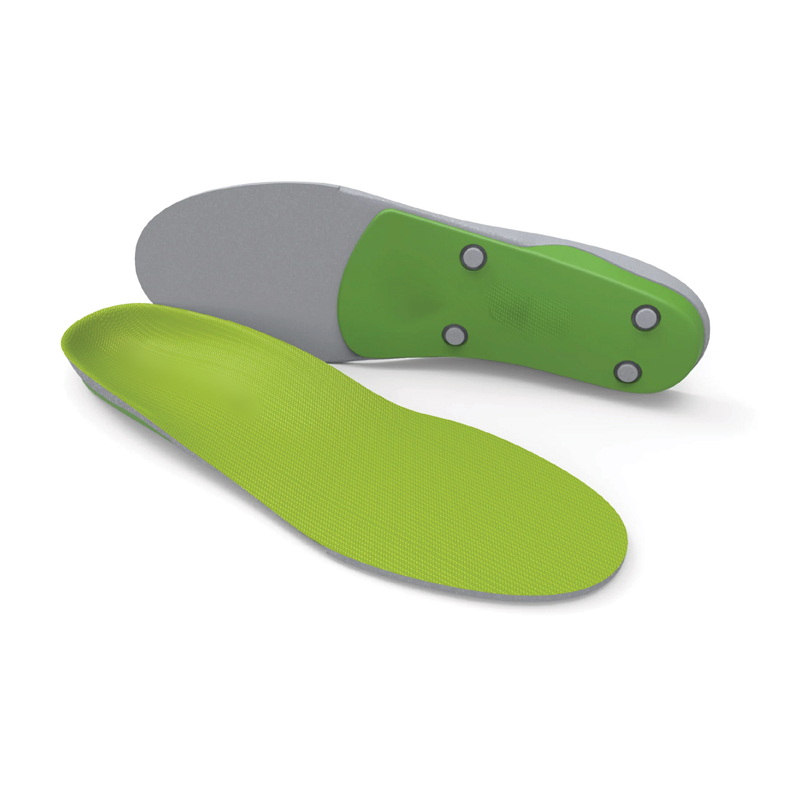
Everyday insoles target comfort during walking, commuting, and long hours of standing. They usually emphasize cushioning and compatibility with common shoe styles like sneakers, work footwear, and casual footwear. The arch support remains defined but may feel slightly less aggressive than in performance-focused models.
Sports and running insoles focus on impact protection and foot control under higher loads. Their structure tends to be more robust, with additional support in the arch and heel to handle repeated landings, quick accelerations, and lateral movement. Athletes or active workers who move dynamically benefit from these performance-oriented designs, which help maintain alignment and reduce fatigue.
Matching insole volume to shoe volume is crucial for comfort. Higher-volume insoles, with more thickness and shape, suit roomy footwear, such as athletic trainers, hiking footwear, or industrial work styles. These shoes have deeper interiors that can accommodate both the insole and your foot without excessive crowding.
Slim high-arch insoles are designed for tighter footwear, like some dress, casual, or fashion shoes. They provide targeted arch support and a thinner layer of cushioning without raising the foot too much inside the shoe. By selecting the correct volume, you avoid issues like toes rubbing on the upper or the heel slipping out.
Choosing the right insole starts with knowing your arch type and foot behavior. A simple footprint test can give you an initial idea, and a professional gait analysis can confirm whether your feet roll outward and how severe that motion is. Once you know you have high arches, look for products specifically labeled for this foot type rather than generic comfort inserts.
Next, define your main use case. Office workers, warehouse staff, or retail employees who stand for long periods might prioritize cushioning in the heel and forefoot combined with stable arch support. Runners and court-sport players should consider insoles designed for intense impact and frequent direction changes, using firmer materials and more pronounced structure.
Proper fitting ensures that even the best insole design can perform as intended. Many insoles are trim-to-fit, so you can cut along printed guidelines to match the outline of the existing sock liner from your shoe. Trimming slowly and testing frequently helps avoid cutting too much and creating extra movement inside the shoe.
Once placed inside, the insole should lie flat without buckling. Your heel should sit comfortably in the heel cup and not ride above the shoe collar. The arch contact should feel supportive rather than sharp. A short break-in phase, where you gradually increase wearing time, lets your body adapt to the new alignment and pressure distribution.
Self-selected insoles can significantly improve comfort, but they are not a replacement for medical advice when pain is severe or persistent. If you experience ongoing heel pain, ball-of-foot pain, frequent ankle sprains, or symptoms that worsen despite using supportive insoles, it is wise to consult a podiatrist or other qualified specialist. Professional assessment can identify underlying conditions that require specific interventions.
In some cases, customized orthotic devices may be recommended. These are created directly from measurements or molds of your feet, giving highly precise arch and heel control. While more expensive than general insoles, custom solutions can be especially helpful for complex foot structures, major leg length differences, or significant gait abnormalities.
To maximize the benefits of high-arch insoles, follow a few practical habits in daily life. Rotate footwear so each pair has time to dry and recover between uses, which helps protect both shoes and insoles. Check your insoles regularly for signs of wear, such as compressed cushioning, cracks in the support shell, or frayed top covers.
Avoid using worn-out insoles beyond their effective life, as they no longer provide reliable support or shock absorption. If you notice a return of old symptoms, such as heel soreness after walking or renewed fatigue, it may be a sign that replacement is needed. Replacing insoles on a regular schedule helps maintain consistent comfort and protection.
Different people with high arches use their feet in different ways, so insoles support various user groups in distinct ways. Office workers and retail staff spend many hours standing on hard floors. For them, high-arch insoles with plush yet stable cushioning can relieve pressure and reduce the sensation of burning or aching beneath the feet at the end of the day.
Athletes need high-arch insoles that secure the heel, support the arch under dynamic movement, and provide responsive cushioning for repeated impacts. Runners, basketball players, tennis players, and other active users benefit from insoles that combine firm arch control with a slightly springy forefoot layer. Older adults may prefer models with easier step-in comfort and enhanced stability to reduce fall risk and joint strain.
Correct care extends insole life and preserves hygiene. Remove insoles periodically to allow both the insole and shoe interior to air out. This simple step reduces moisture buildup, which helps prevent odors and material breakdown. For surface cleaning, use a damp cloth and mild soap, taking care to avoid soaking the insole.
Never expose insoles to high heat sources, such as direct heaters or intense sunlight, as heat may warp the structure or degrade adhesives. After cleaning, let them air-dry at room temperature. Good maintenance practices support consistent performance and reassure end users that your products are built for long-term use.
As a specialized manufacturer, you can develop tailored high-arch insole collections for international brands, wholesalers, and other producers. By adjusting arch height, heel cup depth, and cushioning thickness, you can create multiple series dedicated to everyday comfort, professional work use, and sports performance. Each series can target different buyer personas, such as commuters, runners, or industrial workers.
You can also offer custom material combinations, such as breathable top fabrics, antimicrobial treatments, and energy-returning cushioning layers. For brand owners, visual differentiation is crucial, so you can supply distinctive colors, surface textures, and branded elements while maintaining consistent internal support structures. As an OEM partner, your factory can guide clients on technical specifications, marketing claims, and packaging details that highlight high-arch benefits.
Modern insole design for high arches blends biomechanics with material engineering. By studying how the foot moves through the gait cycle, designers can place support exactly where it reduces peak stress, such as under the arch and around the heel. At the same time, different densities of foam or other materials can be layered to create zones of targeted cushioning.
For OEM clients, this means you can provide value beyond simple commodity products. You can collaborate on insole concepts backed by clear functional logic: structured arch support to reduce strain, deep heel cradling for alignment, and tuned cushioning for impact absorption. Explaining these design principles in marketing materials helps brands position their insoles as thoughtful solutions instead of generic inserts.
To make the final article rich and engaging on your blog or product site, consider adding visual and audiovisual content at strategic sections. One visual can compare different arch shapes, showing a typical high-arch footprint next to a neutral one. Another can highlight key design elements of a high-arch insole, such as the raised arch contour, heel cup, and cushioning zones.
Short demonstration recordings can walk viewers through practical steps: measuring their arch at home, inserting trim-to-fit insoles correctly, and testing for proper fit and comfort while standing and walking. A short clip can also show a comparison between walking in shoes without support and walking with high-arch insoles, emphasizing improved alignment and smoother movement. These media elements increase user understanding and support conversions for OEM and private-label customers.
Insoles that are good for high arches provide a combination of structured, full-contact arch support, deep heel stabilization, and reliable cushioning across the heel and forefoot. They should match both your arch height and your footwear style, with different options for everyday use, work, and athletics. With proper fitting, regular maintenance, and, when necessary, professional guidance, high-arch insoles can reduce pain, improve stability, and make movement more efficient and comfortable in daily life and sports activities.
If your footprint shows a very narrow midfoot or almost no contact in the middle, and you experience pressure on the heel and ball of the foot, you are likely to benefit from high-arch insoles. Frequent fatigue, heel pain, or ankle instability during walking or running are also signs that additional arch support may be needed.
Most generic soft inserts provide cushioning but do not supply the structured support required for high arches. You generally need an insole that combines cushioning with a contoured arch platform and a defined heel cup to properly align and stabilize your feet.
Because the feet influence alignment up the entire kinetic chain, improving foot support can sometimes reduce stress on the knees, hips, and lower back. While insoles are not a guaranteed cure, many people find that high-arch insoles reduce overall fatigue and help their legs and back feel more balanced.
Using different insoles for different activities is often beneficial. A more cushioned, all-day comfort insole can work well in office or casual footwear, while a more dynamic, supportive insole suits running, gym sessions, or court sports. This approach lets each pair of shoes provide optimized support for its specific purpose.
Replace insoles when you notice compressed cushioning, loss of arch support, or a return of previous symptoms like heel or forefoot pain. Heavy users, such as those who stand all day or run frequently, may need to replace insoles more often than occasional users to maintain consistent comfort and protection.


